

Allergic conditions in children under five have surged by over 50% in the past two decades, according to the Centers for Disease Control and Prevention (CDC). In childcare settings—where infants and preschoolers spend up to 10 hours daily—this rise demands more than basic avoidance. It requires a systemic, evidence-based approach that integrates medical precision, staff readiness, and transparent parent partnerships.
This guide delivers actionable, expert-level protocols for childcare allergies management, designed to protect infants through preschoolers while maintaining operational excellence and legal compliance.
Understanding Common Allergens in Childcare Environments
Food Allergens: Prevalence and Risk Levels
The most common food allergens in early childhood include peanuts, tree nuts, milk, egg, wheat, and soy. Peanuts affect approximately 2.2% of children aged 0–5, with the highest risk of anaphylaxis. Milk allergy, while affecting 2.5%, often resolves by school age but poses immediate risks in spill-prone daycare environments.
Cross-contact is the silent threat: a single peanut residue on a shared toy can trigger a reaction in a sensitive toddler. Preschooler food safety hinges on eliminating shared snacks and enforcing strict label-reading policies.
Environmental Allergens: Hidden Triggers in Playspaces
Beyond food, environmental allergens lurk in everyday materials:
- Dust mites thrive in nap mats and soft toys
- Mold grows in water tables and humid bathrooms
- Latex hides in balloons and art gloves
- Fragrances from cleaners trigger respiratory distress
Pro Tip: Replace feather pillows with hypoallergenic fills and schedule weekly HEPA vacuuming to reduce dust exposure by up to 80%.
Legal and Regulatory Requirements for Allergy Management
Childcare centers operate under a complex web of federal and state regulations. The Americans with Disabilities Act (ADA) classifies severe food allergies as disabilities, requiring reasonable accommodations. The USDA Child and Adult Care Food Program (CACFP) mandates meal substitutions with physician documentation.
State licensing boards—such as Washington’s Department of Health—require written allergy plans, staff training logs, and on-site epinephrine. Failure to comply risks license suspension.
Reference: American Academy of Pediatrics – Managing Chronic Health Needs in Child Care
Developing an Allergy-Safe Childcare Policy
Enrollment Screening and Allergy Action Plans
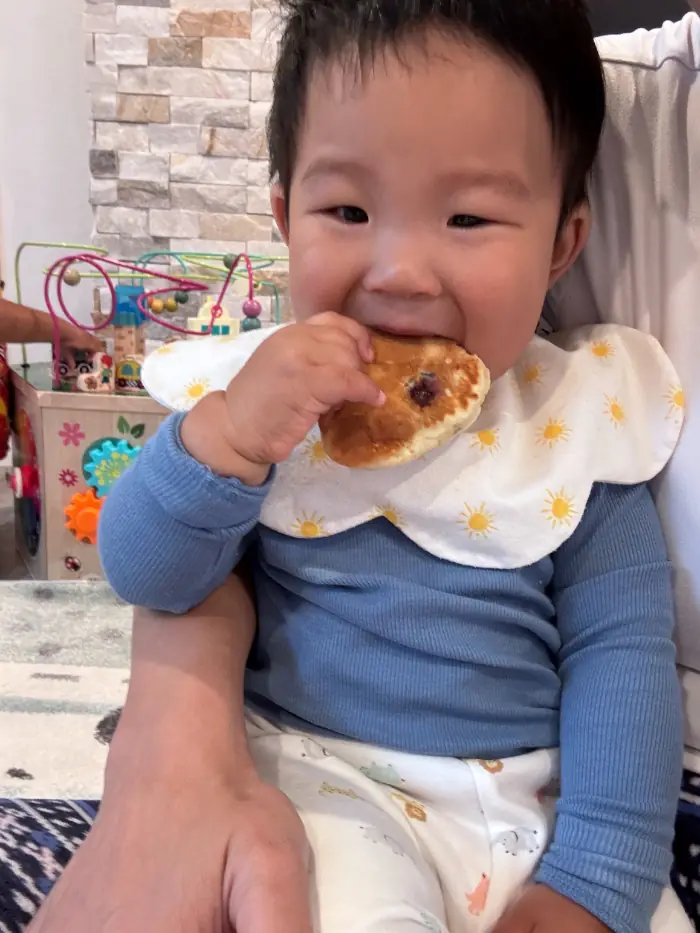
Begin with a mandatory pre-enrollment health questionnaire signed by a pediatrician. For known allergies, require an Allergy Action Plan (AAP) co-signed by parent and doctor. Post the child’s photo and trigger list in the kitchen, classroom, and emergency binder.
Individualized Healthcare Plans (IHPs)
Every allergic child needs a laminated IHP including:
- Current photo
- Specific allergens and cross-contact risks
- Symptom progression (mild to severe)
- Medication dose and administration route
- Two parent contacts + pediatrician
Staff Training and Competency Standards
Core Training Modules
All staff must complete annual training in:
- Allergy basics and anaphylaxis recognition (2 hours)
- Epinephrine auto-injector use (hands-on with trainer devices)
- Cross-contact prevention in kitchen and classroom
Ongoing Education and Drills
Conduct monthly scenario drills (e.g., “A toddler ate a cookie with hidden nuts”). Use digital quizzes and peer competency checks every six months. Research shows centers with regular drills reduce emergency response time by 68% (Journal of Allergy and Clinical Immunology, 2023).
Effective Parent Communication Strategies
Transparency builds trust. At enrollment, review the Allergy Disclosure Form in person and discuss substitution menus. Enforce a no-home-food policy except for medically required items.
Use a parent app (like Procare) for:
- Daily meal confirmations
- Real-time incident alerts
- 24/7 emergency hotline access
Creating Allergy-Aware Physical Environments
Food Preparation and Service Zones
Designate a color-coded allergy-free prep station. Enforce handwashing before and after meals. Seat allergic children first and clean their tables last to prevent residue transfer.
Play Areas and Sensory Materials
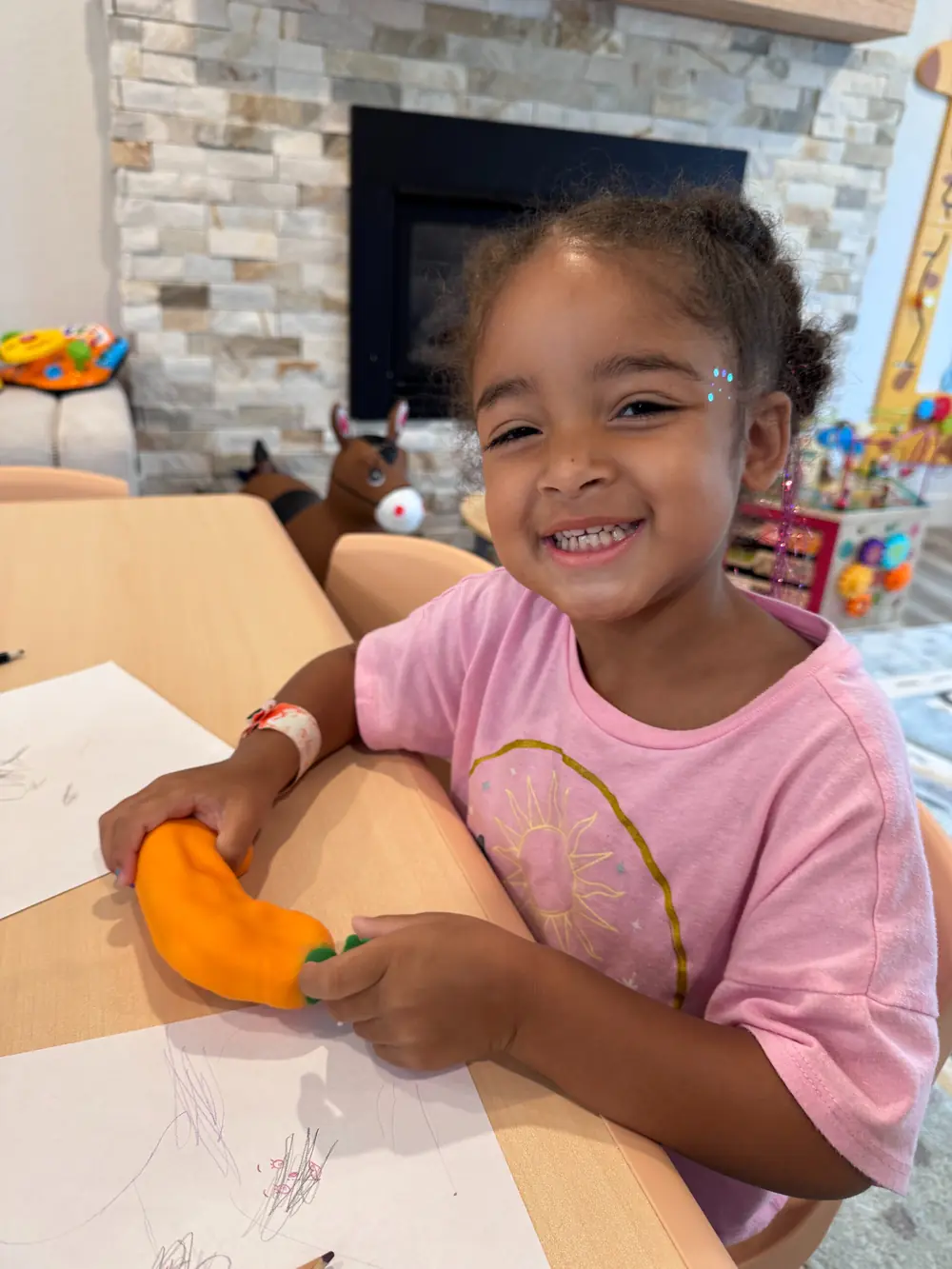
Replace wheat-based playdough with gluten-free recipes (rice flour + cornstarch). Use plant-based finger paints and certified allergen-free sensory bins. Sift sand tables weekly to remove debris.
Emergency Response Protocols
Recognizing Anaphylaxis in Young Children
Symptoms vary by age:
- Infants: Sudden vomiting, hives, floppy posture
- Toddlers: Hoarse cry, drooling, clutching throat
- Preschoolers: Verbal cues like “My tongue feels big” or wheezing
Epinephrine Administration and Post-Incident Procedures
- Administer EpiPen Jr (0.15 mg) for children under 66 lbs
- Call 911 immediately—even if symptoms improve
- Place child in recovery position
- Document time, dose, symptoms, and witnesses
- Notify parents and pediatrician within 10 minutes
Source: Food Allergy Research & Education (FARE)
Monitoring, Documentation, and Continuous Improvement
Use digital incident logs with photo uploads. Conduct root cause analysis within 24 hours and review trends monthly. Hold annual policy reviews with parent advisory input and alignment with AAAAI guidelines.
About KidoHeaven: Your Partner in Allergy-Safe Childcare
At KidoHeaven, safety is personal. Our Daycare Bothell and child care Bothell centers implement zero-tolerance cross-contact protocols, annual allergist consultations, and real-time parent apps.
Our nationally certified staff maintain visual allergy alerts and dedicated EpiPen stations in every classroom. Schedule a tour today—see how we turn health precautions into peace of mind.
Why KidoHeaven Stands Out
✅ Licensed in Washington State
✅ Aligned with Early Achievers standards
✅ Working Connections subsidy accepted
✅ Daily updates via Brightwheel
✅ Located in Bothell, serving Mill Creek, Lynnwood & nearby areas
✅ Nutritious snacks, safe outdoor space, & positive mealtime routines
📞 Call 206-734-2040 to schedule a tour
🌐 Enroll now
Follow Our Mealtime Moments
Stay updated with more beautiful outdoor meals and daily learning routines on:
Instagram | Facebook | Nextdoor | Yelp | Winnie | YouTube | Upwards
FAQ
1. Can a childcare center refuse a child with severe allergies?
No. Under the ADA, centers must provide reasonable accommodations unless it poses an undue burden.
2. Can staff give epinephrine without parental consent?
Yes—trained staff may administer it to any child showing anaphylaxis under Good Samaritan laws in all 50 states.
3. How do you handle birthday treats?
Adopt a non-food celebration policy: stickers, books, or dance parties. Pre-approved commercial treats only, with full labels.
4. What if a parent forgets the EpiPen?
The child cannot attend until medication is provided. Offer a 24-hour grace period with reminders.
5. Are cloth diapers risky for food-allergic infants?
Minimal risk if washed at 140°F. Focus on formula prep surfaces and pacifier hygiene.
Visit Kido Heaven Child Care
A licensed home daycare for infants to pre-K, serving Bothell and Mill Creek. Call or text (206) 734-2040 or book a tour.
Book a Tour