


Early childhood is the foundation of lifelong learning, emotional health, and social confidence. During the infant, toddler, and preschool years, the brain is rapidly developing, and the environment a child spends most of their time in plays a critical role in shaping this growth. Choosing the best daycare is not simply about convenience—it is about ensuring children receive nurturing care, safe surroundings, structured learning opportunities, and emotional support from highly trained professionals.
A high-quality daycare supports infant and toddler development through trained caregivers, intentional developmental programs, safe environments, structured routines, and strong communication with families. This guide explains how to identify the right daycare, what quality standards to look for, and how parents can confidently select the best childcare program for their little ones.
Understanding Early Childhood Development
Infant Development Needs
Infants rely heavily on responsive caregiving. During this stage, their emotional security is built through trust, comfort, and physical closeness. Daycare caregivers must respond promptly to crying, hunger cues, and emotional needs. Early exposure to talking, singing, gentle play, and eye contact helps build early language and cognitive foundations.
Infants also benefit from safe physical exploration such as tummy time, reaching for toys, sensory play, and guided movement. A quality infant daycare program recognizes that infants do not simply need supervision—they need nurturing emotional connections and developmentally-appropriate stimulation.
Toddler Growth and Exploration
Toddlers are curious, energetic, and eager to understand the world around them. This is the stage where vocabulary rapidly expands, motor skills strengthen, and independence emerges. Toddlers need a structured yet flexible environment where they can explore safely, interact with peers, and express themselves.
A strong daycare program provides:
- Hands-on learning activities
- Storytelling and early language engagement
- Opportunities for decision making
- Gentle emotional guidance
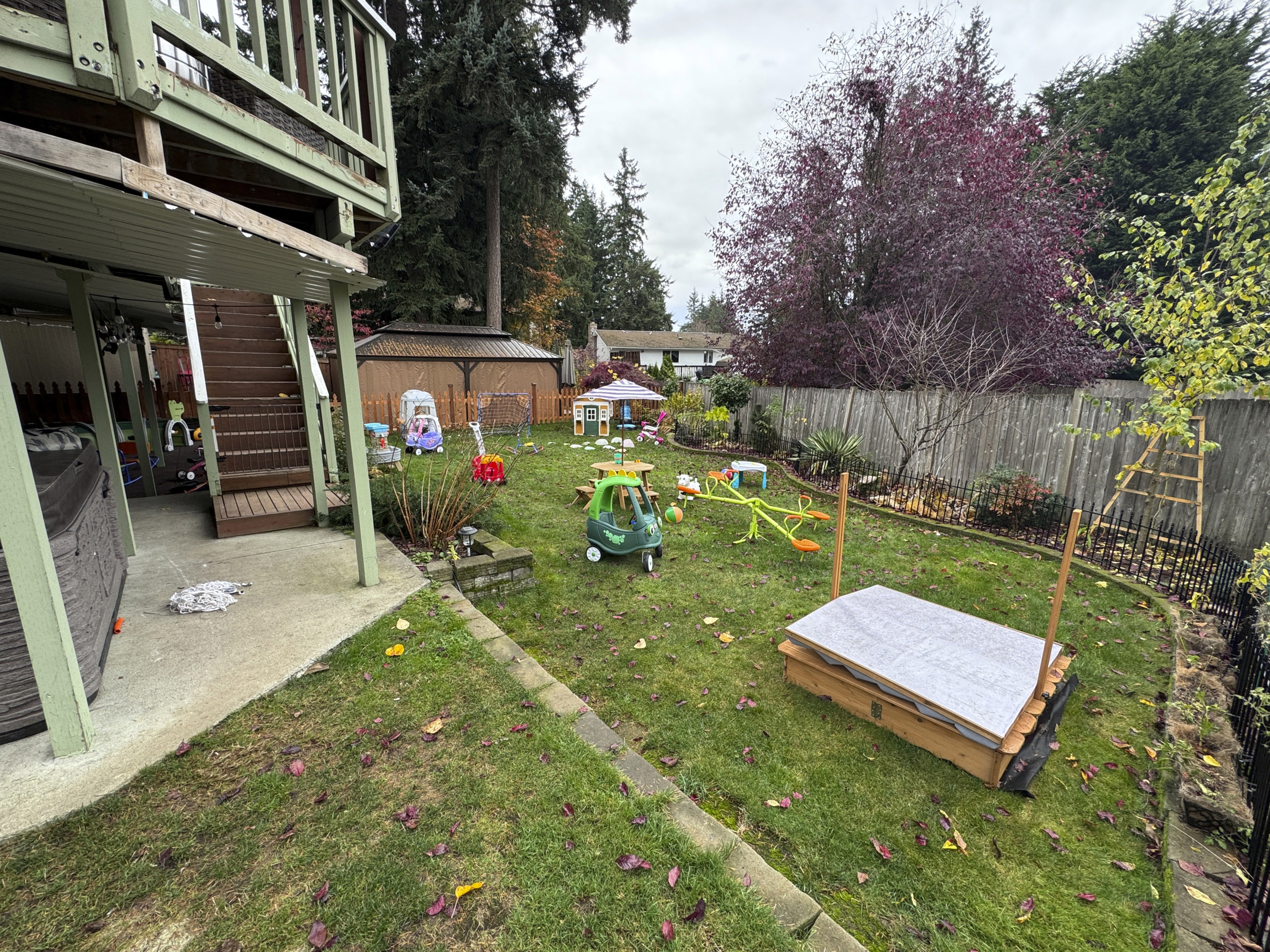
- Safe and stimulating play spaces
Toddlers learn best through play experiences that encourage thinking, problem-solving, creativity, and social interaction.
Preschool Readiness & Early Education
As children approach the preschool stage, daycare programs should begin preparing them for structured classroom environments. Instead of pushing academics, developmentally appropriate preschool readiness focuses on cognitive skills, communication ability, emotional management, cooperation, and curiosity.
This includes:
- Early literacy introduction
- Basic math awareness through play
- Group participation
- Self-help skills
- Listening and attention building
By supporting these areas properly, daycare plays a major role in school readiness and future success.
What Defines a High-Quality Daycare Program?
Licensed and Compliant with Washington State WAC Standards
In Washington State, daycare centers must follow strict WAC (Washington Administrative Code) childcare standards to ensure safety, staffing quality, health protocols, and learning environments. Parents should always verify that a daycare is properly licensed, adheres to staff training standards, meets child-to-teacher ratios, and follows health and safety regulations.
Licensing ensures:
- Background-checked caregivers
- Safe facility standards
- Emergency procedures
- Health protections
- Verified educational practices
Choosing a licensed daycare is one of the most important steps in protecting your child’s well-being.
Qualified and Compassionate Staff
Caregivers must be more than supervisors—they must understand child psychology, developmental milestones, emotional needs, and safety standards. Trained educators know how to engage children through meaningful play, provide emotional reassurance, encourage independence, and manage behavior in positive ways.
Look for:
- Early childhood education training
- Ongoing professional development
- Warm, supportive interactions
- Respectful communication with children
- Consistency and stability
Children thrive most when they feel seen, valued, and loved.
Safe, Clean, and Well-Designed Environment
A daycare environment should be bright, organized, inviting, and specifically designed for different age groups. Cleanliness and hygiene are essential to protect children from illness. Age-appropriate toys, soft play areas for infants, safe climbing and activity stations for toddlers, and structured learning areas for preschoolers help support development in every stage.
Appropriate Child-to-Caregiver Ratios
Washington childcare guidelines outline strict ratio requirements. Smaller groups mean children receive attention, emotional support, and individualized care. Parents should confirm these ratios and ensure staff are attentive rather than overwhelmed.
Curriculum and Learning Through Play
Developmentally Appropriate Infant Care
Quality infant daycare programs focus on secure attachment, sensory exploration, soothing routines, and gentle engagement.
Activities may include:
- Music and gentle rhythm introduction
- Sensory objects
- Soft play and movement
- Early communication interactions
Toddler Learning Through Exploration
Toddlers benefit from structured play experiences designed to stimulate their curiosity while reinforcing early skills.
Examples include:
- Storytime and interactive reading
- Art and creative play
- Language games
- Simple problem-solving activities
- Movement and outdoor exploration
These experiences encourage social skills, creativity, confidence, and communication.
Preschool Readiness Experiences
Quality daycare gradually prepares children for a more structured learning environment. Preschool readiness programs should be play-based rather than academically pressured, ensuring children enjoy learning.
Social and Emotional Support in Daycare
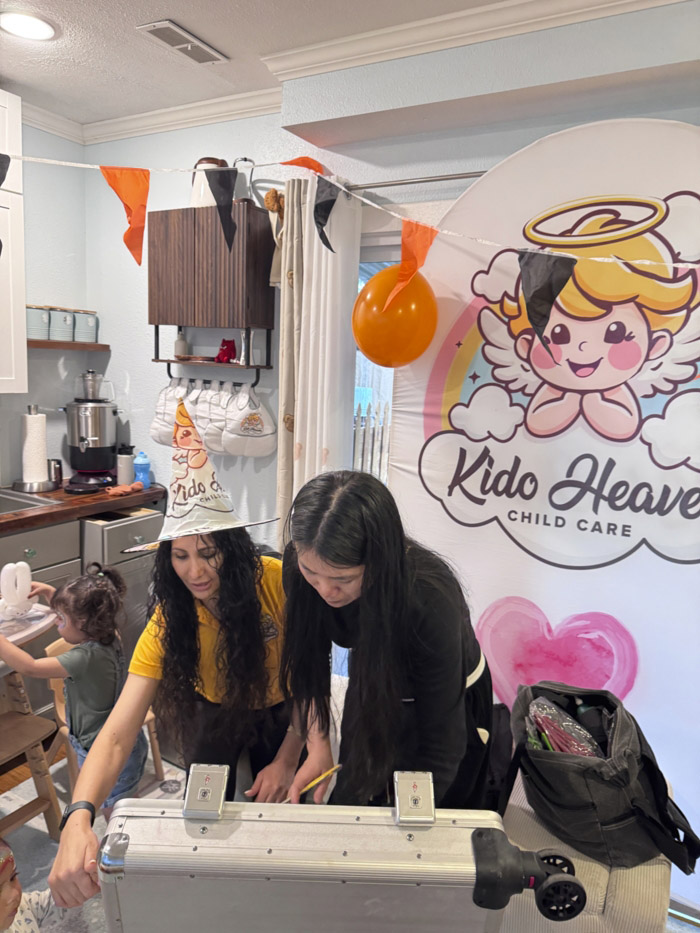
A daycare must prioritize emotional well-being. Children need caregivers who comfort them, teach them how to share, help them handle frustration, encourage kindness, and build confidence. Positive emotional experiences during early childhood strongly influence self-esteem and social development throughout life.
Health, Safety, and Nutrition Standards
Strong Health and Hygiene Policies
Parents should confirm illness policies, vaccination adherence, sanitation routines, handwashing standards, and cleaning schedules. A dependable daycare prioritizes child health at every level.
Balanced Nutrition & Healthy Routines
Proper nutrition fuels brain development and physical growth. Daycares should provide balanced meals or follow approved nutritional guidelines. Consistent nap routines, comfortable sleep environments, and safe sleeping practices are also crucial.
Family Engagement and Parent Communication
Quality daycare supports parents too. Families should receive daily updates, progress notes, behavior reports, and developmental feedback. Open communication builds trust and ensures parents feel connected to their child’s learning journey.
How to Evaluate and Select the Best Daycare
Key Questions to Ask During a Visit
- Are caregivers licensed and trained?
- What are the caregiver-to-child ratios?
- How is safety ensured?
- What curriculum approach is used?
- How are behavior and emotions managed?
- How is parent communication handled?
Red Flags to Avoid
- Unlicensed facilities
- Unclean or unsafe environments
- High turnover of staff
- Lack of structure
- Ignored crying children
- Poor communication
Balancing Cost, Location, and Quality
While budget and convenience matter, quality, safety, and emotional support must always come first. The best daycare is the one that feels right for both your child and your family.
✅ KidoHeaven
KidoHeaven is dedicated to providing a nurturing, safe, and development-focused childcare experience for infants, toddlers, and preschoolers. Our programs are designed to support emotional growth, early learning, social confidence, and healthy development through structured play, trained educators, secure environments, and strong family communication. If you are looking for trusted Daycare Bothell options or reliable chid care Bothell services that truly understand children’s developmental needs, KidoHeaven is committed to helping your child grow, learn, and thrive with confidence every day.
Why KidoHeaven Stands Out
✅ Licensed in Washington State
✅ Aligned with Early Achievers standards
✅ Working Connections subsidy accepted
✅ Daily updates via Brightwheel
✅ Located in Bothell, serving Mill Creek, Lynnwood & nearby areas
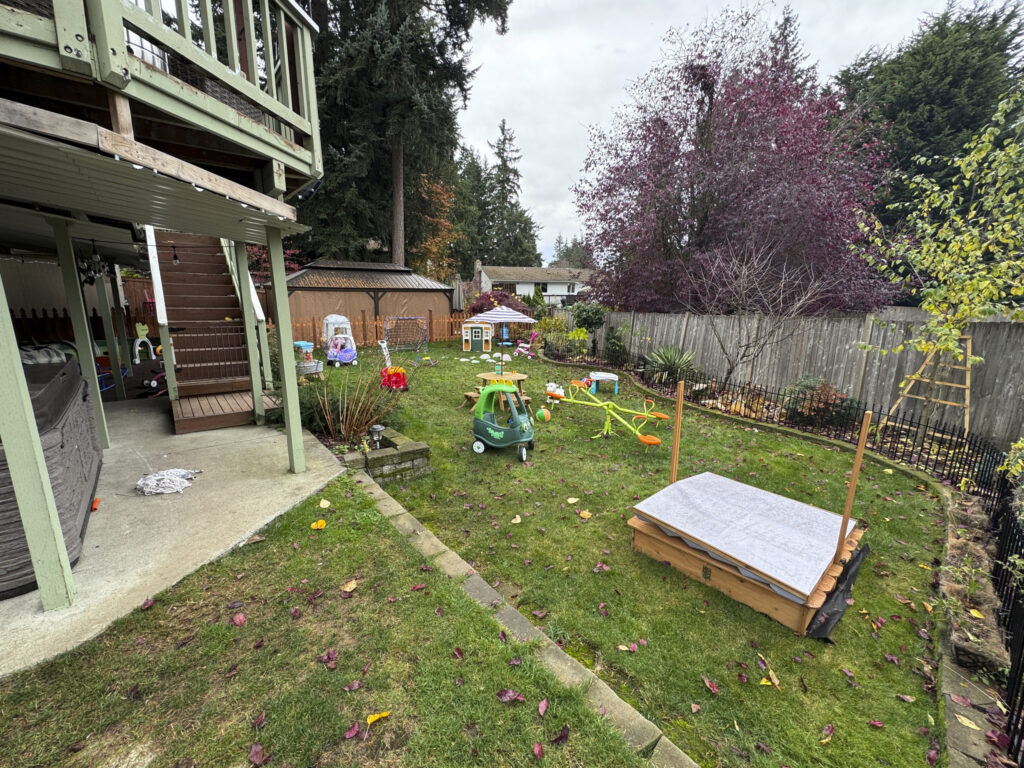
✅ Nutritious snacks, safe outdoor space, & positive mealtime routines
📞 Call 206-734-2040 to schedule a tour
🌐 Enroll now
Follow Our Mealtime Moments
Stay updated with more beautiful outdoor meals and daily learning routines on:
Instagram | Facebook | Nextdoor | Yelp | Winnie | YouTube | Upwards
FAQ
1. What should I prioritize when choosing daycare for an infant?
Responsive caregivers, safety, licensing, clean environments, and nurturing emotional care.
2. How does daycare benefit toddler development?
Daycare encourages social interaction, language growth, independence, problem-solving, and emotional maturity.
3. Is play-based learning better than academic programs?
Yes. Research shows children learn best through structured play, especially in early development.
4. How often should I communicate with daycare staff?
Regular communication is essential. Quality facilities provide daily updates and developmental feedback.
5. Can daycare support preschool readiness?
Absolutely. Quality programs build emotional confidence, communication skills, curiosity, and early learning foundations.


