

Building early friendships is a vital part of a child’s growth. From infancy to preschool, children learn to communicate, share, and cooperate with peers. Through guided play, storytelling, and supportive interactions, caregivers and educators can help children develop social skills that lay the foundation for lifelong relationships and emotional well-being. This article explores strategies for fostering friendships at every stage of early childhood, ensuring children thrive both socially and emotionally.
Why Early Friendships Matter in Child Development
Early friendships are powerful building blocks in a child’s emotional, cognitive, and social growth. Positive peer connections help children develop confidence, empathy, communication skills, emotional regulation, and resilience. When children form bonds early, they learn how to express their thoughts, understand others’ emotions, and cooperate in shared environments.
Emotional & Social Benefits
Children who engage in early peer relationships often demonstrate:
- Better emotional expression and self-control
- Stronger sense of belonging
- Reduced anxiety in social settings
- Higher self-esteem and problem-solving abilities
Brain Development and Early Peer Interaction
Social experiences stimulate areas of the brain responsible for memory, emotional processing, and language skills. Play-based social engagement strengthens neural connections and supports long-term academic and behavioral success.
Long-Term Impact
Children who develop friendships early are more likely to:
- Adapt easily to school settings
- Build leadership and teamwork skills
- Develop lifelong positive relationship habits
Stages of Social Development
Infants (0–12 months)
Infants begin social awareness through:
- Eye contact
- Facial responses
- Babbling and cooing
- Early parallel observation
They may not “play together,” but they notice and respond to others.
Toddlers (1–3 years)
Toddlers move from parallel play to simple cooperative play. They start to:
- Share space
- Mimic peers
- Express emotions verbally and physically
- Show early empathy
Preschoolers (3–5 years)
Preschool-aged children begin meaningful friendships. They:
- Engage in group activities
- Develop negotiation and turn-taking skills
- Understand teamwork
- Experience deeper emotional bonding
Alignment with Washington State WAC Standards
Washington State WAC emphasizes:
- Safe emotional environments
- Age-appropriate social interactions
- Teacher-guided social learning
- Inclusive and respectful peer engagement
This ensures structured, developmentally appropriate social growth for every child.
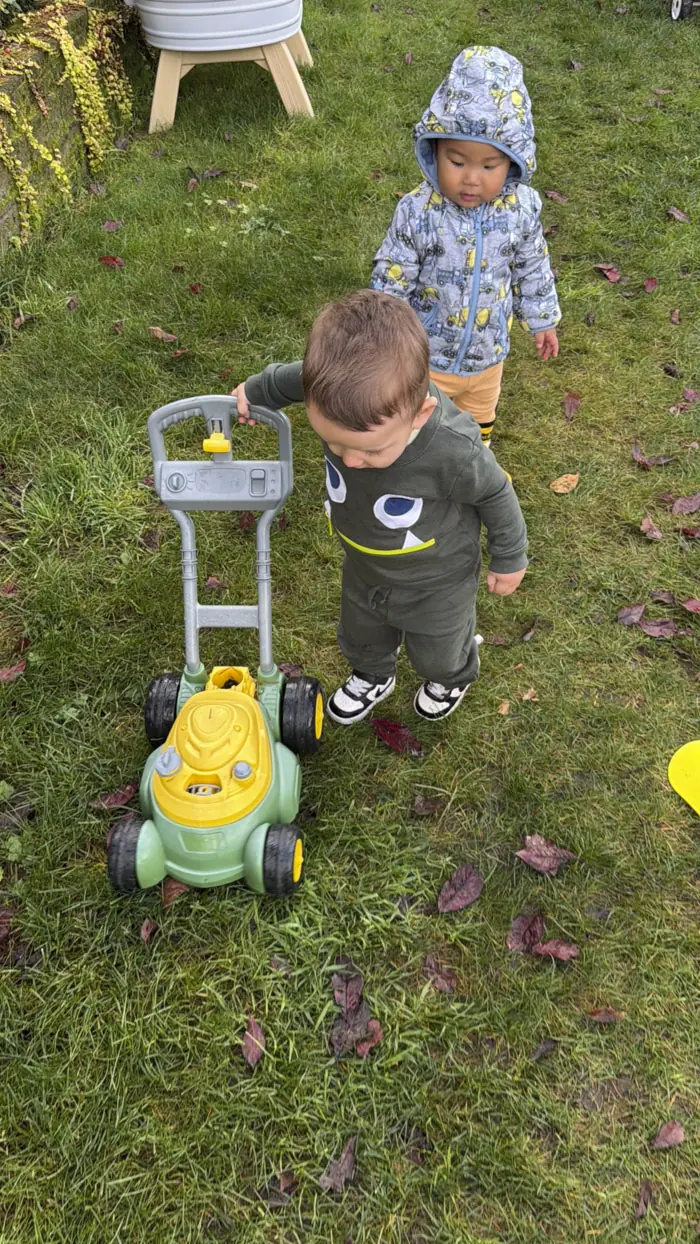
Encouraging Friendships in Infants
Even though infants cannot “play together” in the traditional sense, meaningful foundations for friendship can begin early.
Parallel Play & Sensory Engagement
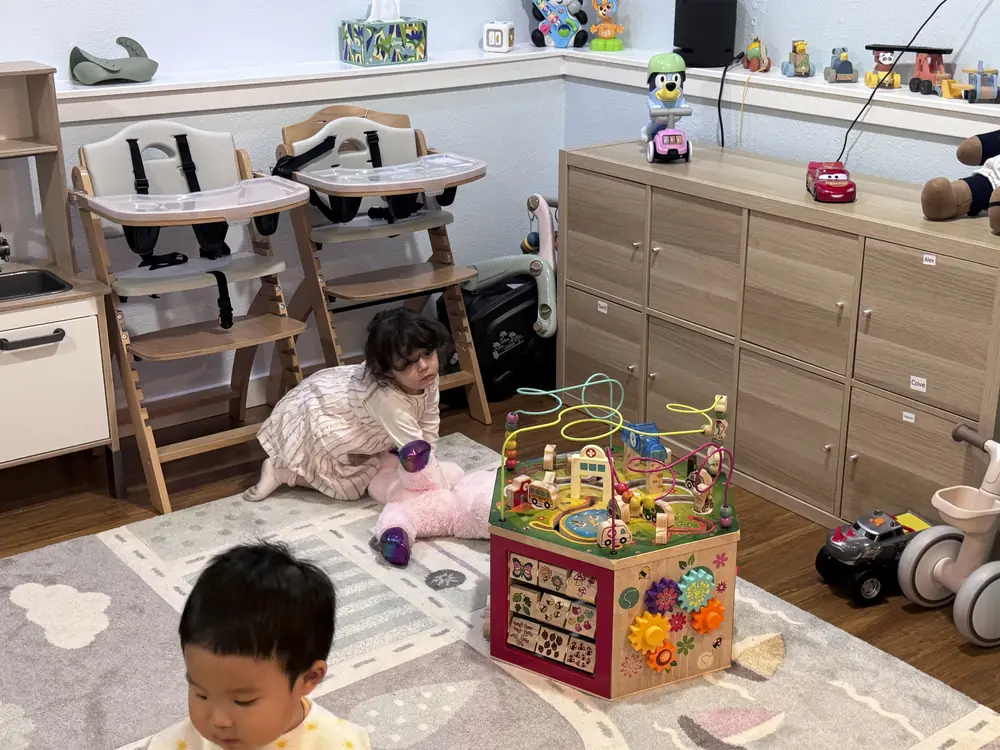
Provide opportunities for side-by-side play using:
- Soft toys
- Sensory mats
- Musical rattles
- Visual interactive toys
This exposure encourages comfort around peers.
Shared Storytelling & Face-to-Face Interaction
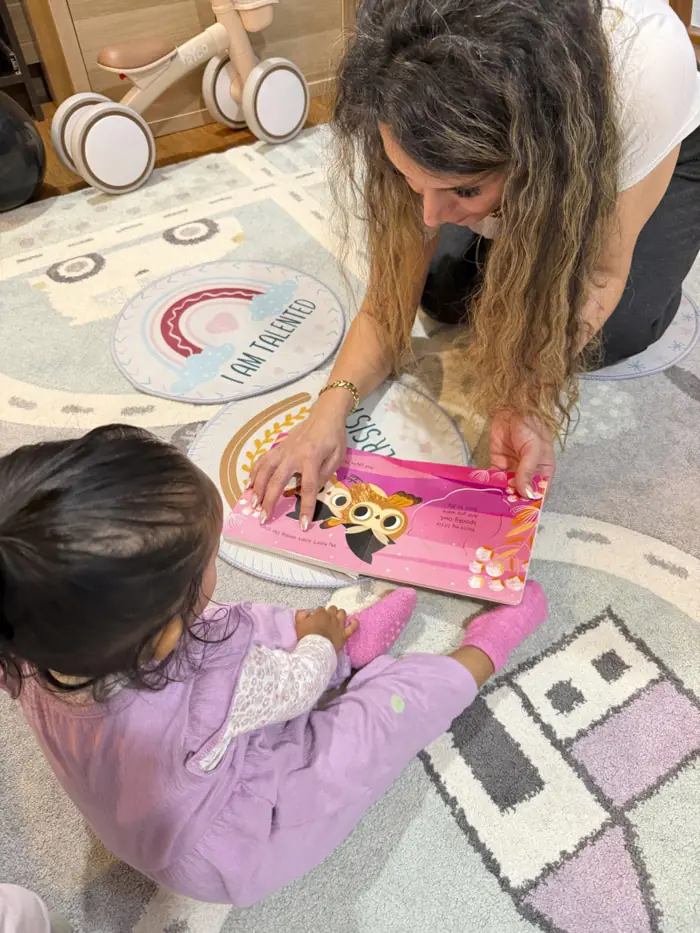
Reading, singing, and gentle interactive storytelling help infants recognize emotional tones, sounds, and social presence.
Responsive Care
Supportive adult guidance helps infants:
- Feel secure
- Develop trust
- Begin social awareness
Supporting Social Connections in Toddlers
Toddlers learn best through guided cooperative play and consistent emotional modeling.
Cooperative Games
Activities such as:
- Simple building block tasks
- Rolling balls to each other
- Music and dance sessions
promote teamwork and communication.
Teaching Sharing & Empathy
Toddlers need gentle reinforcement. Teachers and caregivers can:
- Model positive sharing
- Use emotional labeling (“You feel sad,” “Your friend wants a turn”)
- Encourage turn-taking routines
Language Development
Toddlers need help expressing emotions using words. Support them with:
- Emotion cards
- Simple communication prompts
- Encouraging verbal expression over physical response
Building Peer Relationships in Preschoolers
Preschoolers are ready for deeper, more meaningful friendships.
Group Learning & Collaborative Play
Small-group activities help preschoolers:
- Share leadership roles
- Solve problems together
- Strengthen communication skills
Role-Playing & Story Creation
Pretend play allows them to:
- Understand perspectives
- Build imagination
- Develop social negotiation skills
Conflict Management
Preschoolers begin learning:
- Problem-solving strategies
- Emotional regulation
- How to apologize and reconnect
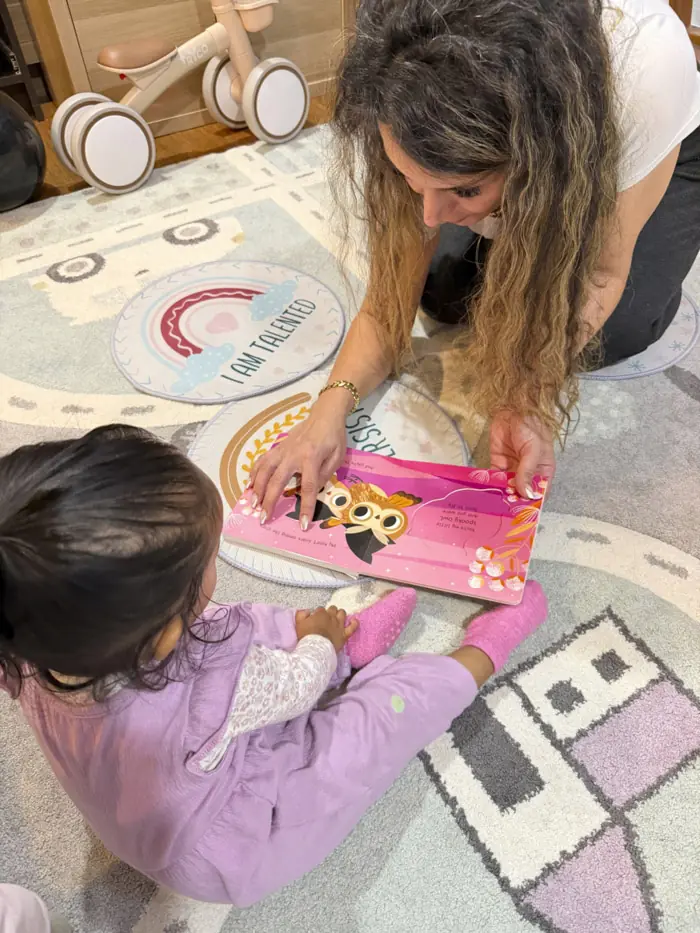
Creating a Friendship-Focused Daycare Environment
A supportive classroom environment plays a vital role in social development.
Friendship Play Zones
Design areas for:
- Dramatic play
- Reading corners
- Group activity tables
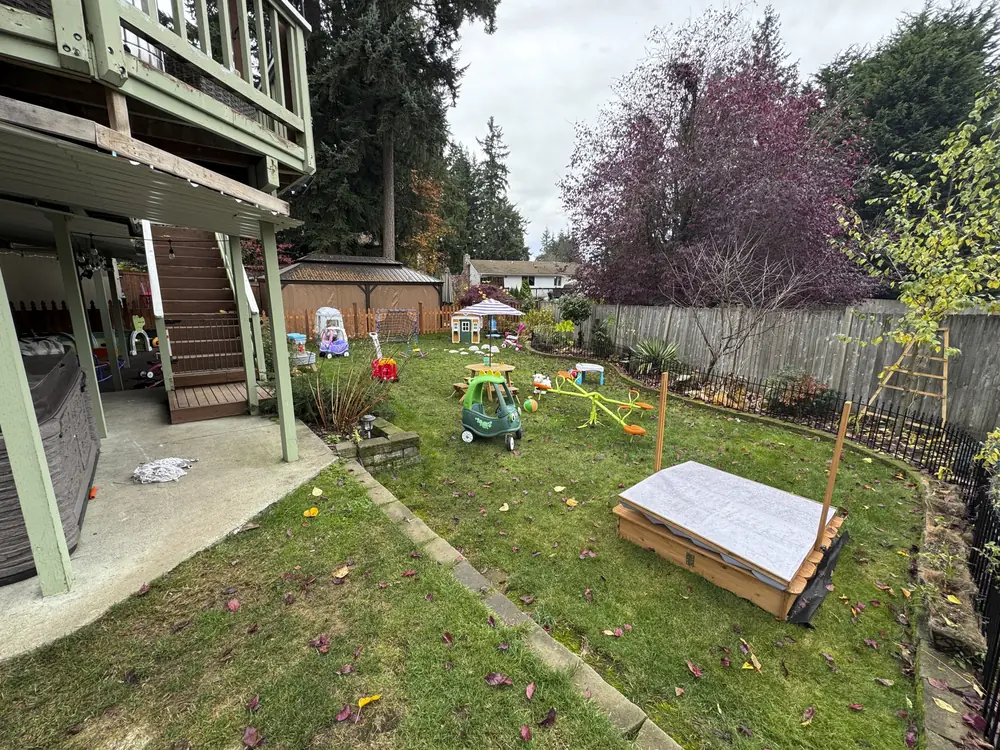
- Outdoor cooperative play
Emotional Safety & Inclusion
Children thrive when they:
- Feel seen and respected
- Experience fair guidance
- Learn in a culturally inclusive space
Teacher Support
Educators should:
- Model positive peer relationships
- Encourage kindness
- Support emotional learning
WAC Compliance
Washington State WAC supports:
- Emotional well-being
- Safe peer interaction
- Structured learning environments
Family Role in Building Friendships
Parents are essential partners in social development.
Playdates & Family Interaction
Organize age-appropriate social opportunities such as:
- Playdates
- Family gatherings
- Parent-supported group activities
Emotional Education at Home
Teach children to:
- Use words to express feelings
- Recognize others’ emotions
- Practice kindness daily
Align Home & Daycare Practices
Consistency between home and daycare strengthens learning outcomes.
Friendship-Building Activities by Age
Infants
- Mirror play
- Soft sensory toys
- Group music sessions
Toddlers
- Passing games
- Building towers together
- Art sharing activities
Preschoolers
- Group storytelling
- Cooperative puzzles
- Team-based outdoor play
Common Social Challenges & Solutions
Shyness
Use gentle encouragement, not pressure.
Difficulty Sharing
Practice structured turn-taking games.
Emotional Outbursts
Teach breathing and calm-down strategies.
Research-Backed Insights
Authoritative sources recommend structured social learning for early childhood development, including organizations such as:
- CDC Child Development
- Zero to Three
- American Psychological Association (APA)
- Washington State DCYF
About KidoHeaven
At KidoHeaven, we believe in nurturing meaningful connections that support emotional growth, learning, and lifelong confidence. Our programs are designed to encourage cooperative learning, emotional safety, and joyful interactions for every child. Families looking for a nurturing and socially rich learning environment can trust us to provide a warm, structured, and developmentally supportive experience.
We proudly support families searching for Daycare Bothell and Child Care Bothell with high-quality early learning and friendship-focused environments.
Why KidoHeaven Stands Out
✅ Licensed in Washington State
✅ Aligned with Early Achievers standards
✅ Working Connections subsidy accepted
✅ Daily updates via Brightwheel
✅ Located in Bothell, serving Mill Creek, Lynnwood & nearby areas
✅ Nutritious snacks, safe outdoor space, & positive mealtime routines
📞 Call 206-734-2040 to schedule a tour
🌐 Enroll now
Follow Our Mealtime Moments
Stay updated with more beautiful outdoor meals and daily learning routines on:
Instagram | Facebook | Nextdoor | Yelp | Winnie | YouTube | Upwards
FAQ
1. At what age do children start forming friendships?
Meaningful friendships typically begin around preschool age.
2. Can infants develop social awareness?
3. Yes, infants develop early emotional and social responses from birth.
4. Why is parallel play important?
It builds social comfort and early interaction foundations.
5. How can parents support social development?
Provide interaction opportunities and model emotional behavior.
6. What if my child is shy?
Patience, supportive guidance, and gentle exposure help significantly.
7. Do friendships help academic success?
Yes, social confidence enhances learning abilities.
Visit Kido Heaven Child Care
A licensed home daycare for infants to pre-K, serving Bothell and Mill Creek. Call or text (206) 734-2040 or book a tour.
Book a Tour