

Helping children learn to care for their environment is a foundational part of early development. In high-quality early learning settings, responsibility is not taught through pressure but through meaningful experiences that build a sense of ownership and respect.
For families searching for a structured and supportive daycare in Bothell, it is important to choose an environment where children are encouraged to participate actively in their surroundings. When children feel connected to their environment, they naturally begin to care for it.
This approach—known as gentle stewardship—focuses on guiding children rather than controlling them, helping responsibility grow from within.
Why Caring for the Environment Matters in Early Childhood
Caring for the environment is more than just cleaning—it is a life skill. When children participate in maintaining their surroundings, they develop independence, confidence, and social awareness.
They begin to understand that their actions affect others. This builds empathy and prepares them for shared environments like school. Additionally, organizing and managing materials strengthens cognitive skills such as problem-solving and decision-making.
The Psychology of Ownership in Children
Children are more likely to care for environments they feel connected to. Ownership in early childhood is not about possession—it is about belonging.
When materials are accessible, and children are involved in maintaining their space, they develop a natural sense of responsibility. This reduces the need for constant reminders and encourages independence.
Gentle Stewardship vs. Forced Cleaning
Traditional methods often rely on commands like “clean up now,” but this approach only creates short-term compliance.
Gentle stewardship, on the other hand, focuses on:
- Guidance instead of control
- Participation instead of obligation
- Respect instead of pressure
Children who are guided rather than forced are more likely to develop lasting habits.
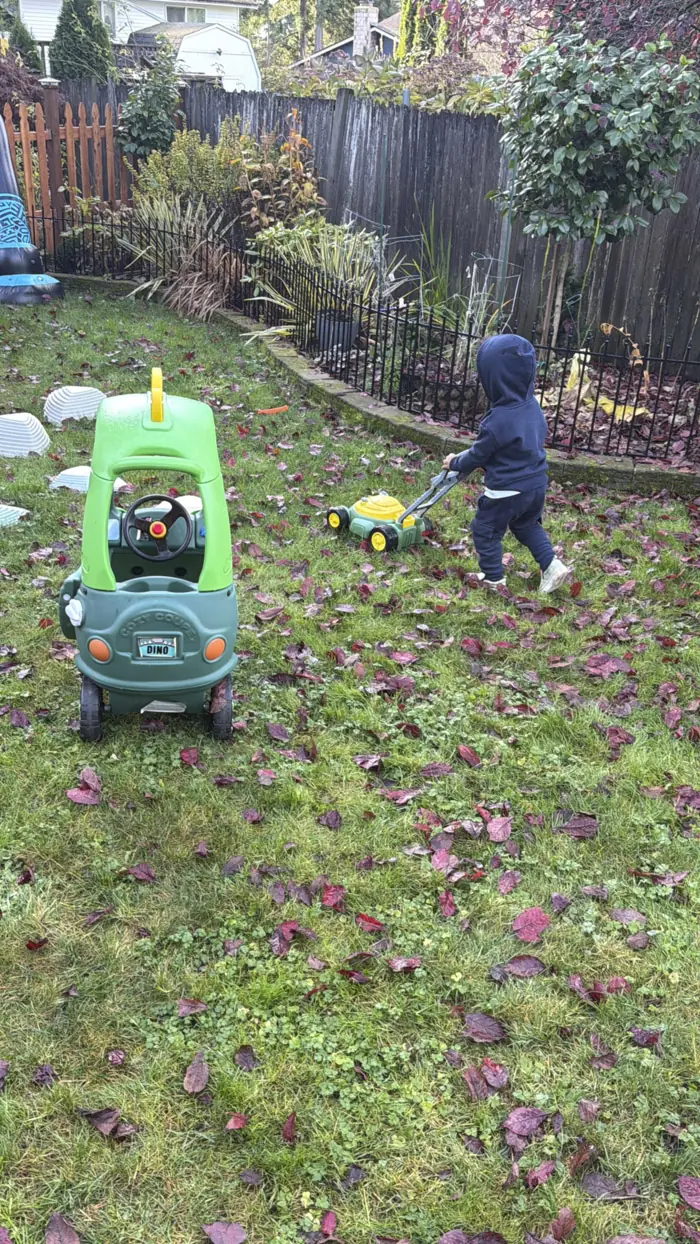
How Classroom Design Encourages Responsibility
A well-designed environment plays a key role in shaping behavior.
Features that support responsibility include:
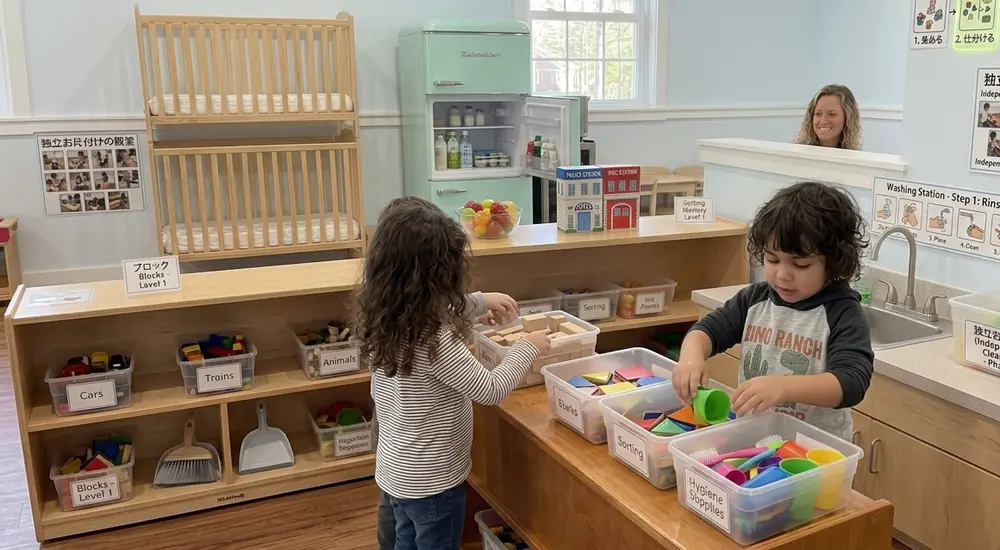
- Open and accessible shelves
- Clearly defined activity areas
- Child-sized furniture
- Organized and limited materials
In a professional child care setting, these elements are carefully designed to promote independence and reduce confusion. When children can manage their environment easily, responsibility becomes natural.
Daily Routines That Build Environmental Care
Consistency helps children develop habits.
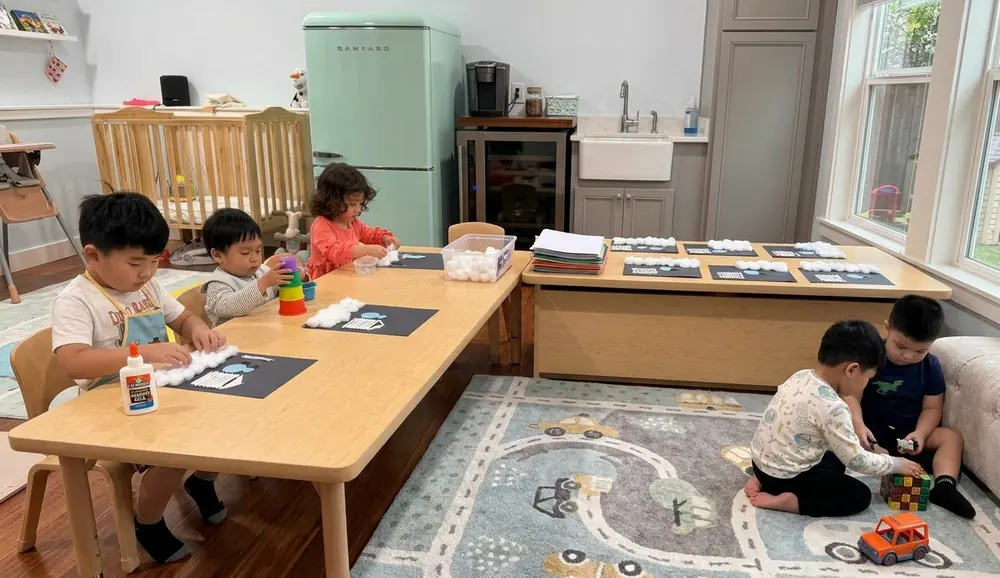
Simple routines such as returning items after use or organizing materials before moving to a new activity teach responsibility without pressure. Over time, these small actions become automatic behaviors.
Routines should feel like a normal part of the day—not a punishment.
The Role of Educators in Modeling Behavior
Children learn by observing adults.
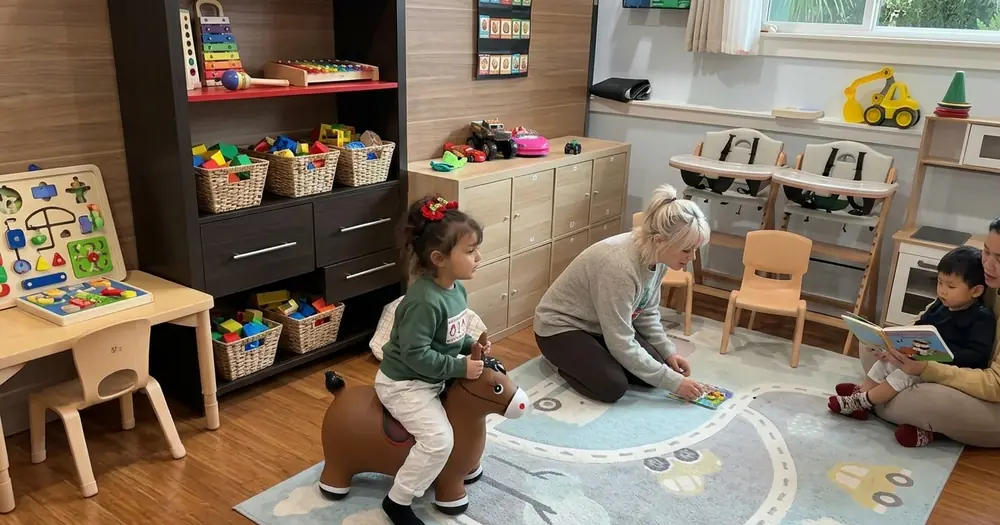
Educators who demonstrate care, organization, and respect for materials set a powerful example. Actions like calmly returning items to their place or explaining why organization matters help children understand purpose.
Modeling is one of the most effective teaching tools in early childhood.
Building Intrinsic Motivation in Children
Intrinsic motivation means doing something because it feels meaningful—not because of rewards.
Instead of saying “good job,” educators can highlight outcomes:
- “Now the space is ready for everyone.”
- “Everything is easy to find again.”
This helps children connect their actions to real results.
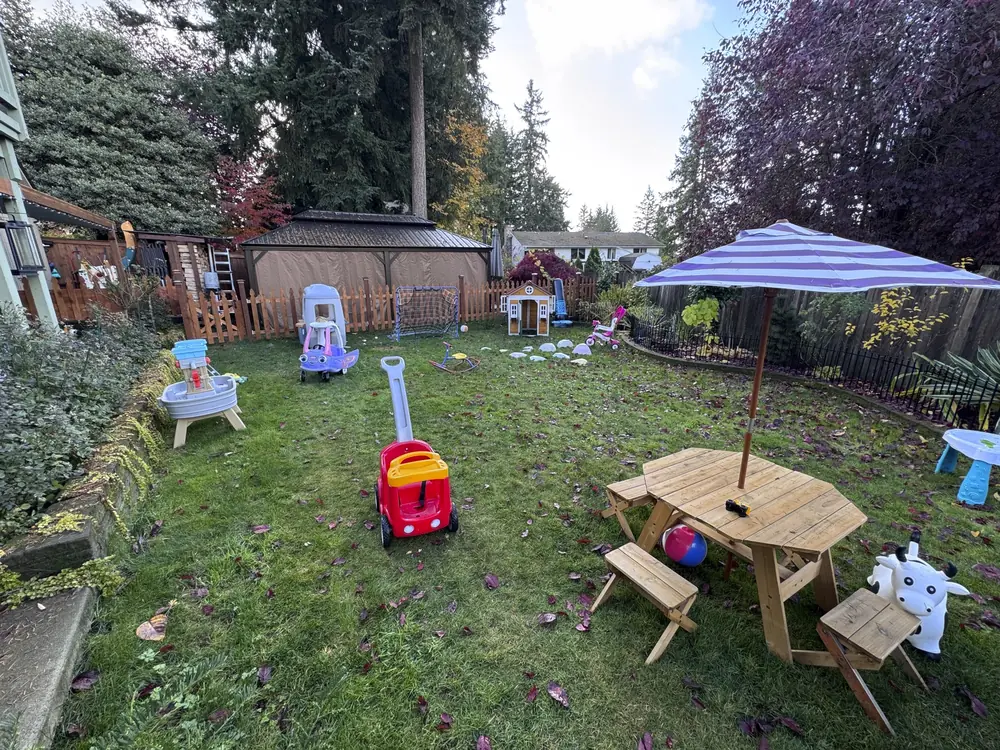
Social Influence and Group Responsibility
Children are influenced by their peers.
When responsibility becomes part of the group culture, children naturally follow each other’s behavior. Group cleanup or shared responsibilities create a sense of teamwork and belonging.
Alignment with Washington State WAC Standards
High-quality childcare programs align with Washington State WAC regulations, which emphasize:
- Safe and organized environments
- Developmentally appropriate practices
- Encouraging independence
- Positive guidance
The approach of gentle stewardship naturally supports these standards.
Long-Term Benefits of Environmental Responsibility
Children who learn responsibility early develop:
- Independence
- Organization skills
- Respect for shared spaces
- Confidence in their abilities
These skills extend beyond childhood and shape future success.
Practical Strategies for Childcare Providers
To encourage environmental care:
- Create accessible spaces
- Use visual labels
- Involve children in the organization
- Keep routines consistent
- Set realistic expectations
These simple strategies have a lasting impact.
Conclusion
Helping children learn to care for their environment is not about enforcing rules—it is about creating meaningful experiences that build responsibility naturally. Through thoughtful classroom design, consistent routines, and respectful guidance, children develop a sense of ownership and pride in their surroundings.
These early lessons extend far beyond the classroom, shaping how children interact with the world throughout their lives.
If you are looking for a trusted Child Care Bothell, choosing a program that focuses on responsibility and structured learning can make a lasting difference.
At Kido Heaven, our approach to early learning focuses on nurturing independence, responsibility, and respect. By creating structured yet supportive environments, we empower children to take an active role in their world—building skills that last a lifetime.
Why KidoHeaven Stands Out
✅ Licensed in Washington State
✅ Aligned with Early Achievers standards
✅ Working Connections subsidy accepted
✅ Daily updates via Brightwheel
✅ Located in Bothell, serving Mill Creek, Lynnwood & nearby areas
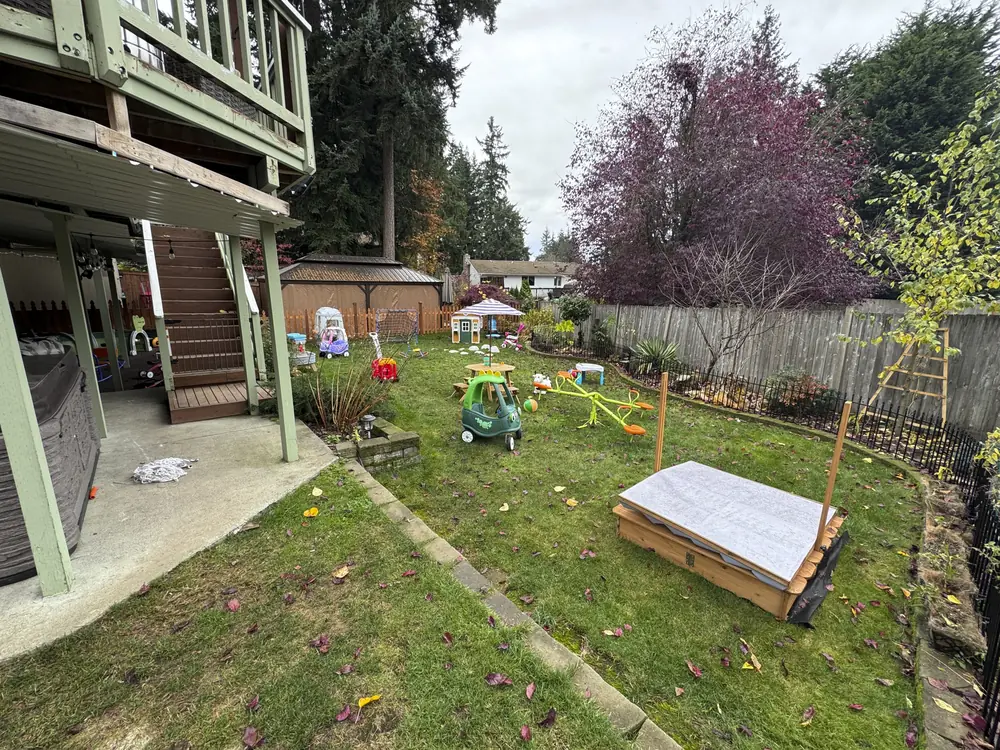
✅ Nutritious snacks, safe outdoor space, & positive mealtime routines
📞 Call 206-734-2040 to schedule a tour
🌐 Enroll now
Follow Our Mealtime Moments
Stay updated with more beautiful outdoor meals and daily learning routines on:
Instagram | Facebook | Nextdoor | Yelp | Winnie | YouTube | Upwards
FAQ
1. How do children learn to care for their environment?
Through routines, modeling, and participation in daily activities.
2. Is forcing children to clean effective?
No. It creates short-term compliance but not long-term responsibility.
3. What is gentle stewardship?
A respectful approach that guides children toward responsibility without pressure.
4. At what age should children start?
Even toddlers can begin with simple tasks.
Visit Kido Heaven Child Care
A licensed home daycare for infants to pre-K, serving Bothell and Mill Creek. Call or text (206) 734-2040 or book a tour.
Book a Tour