
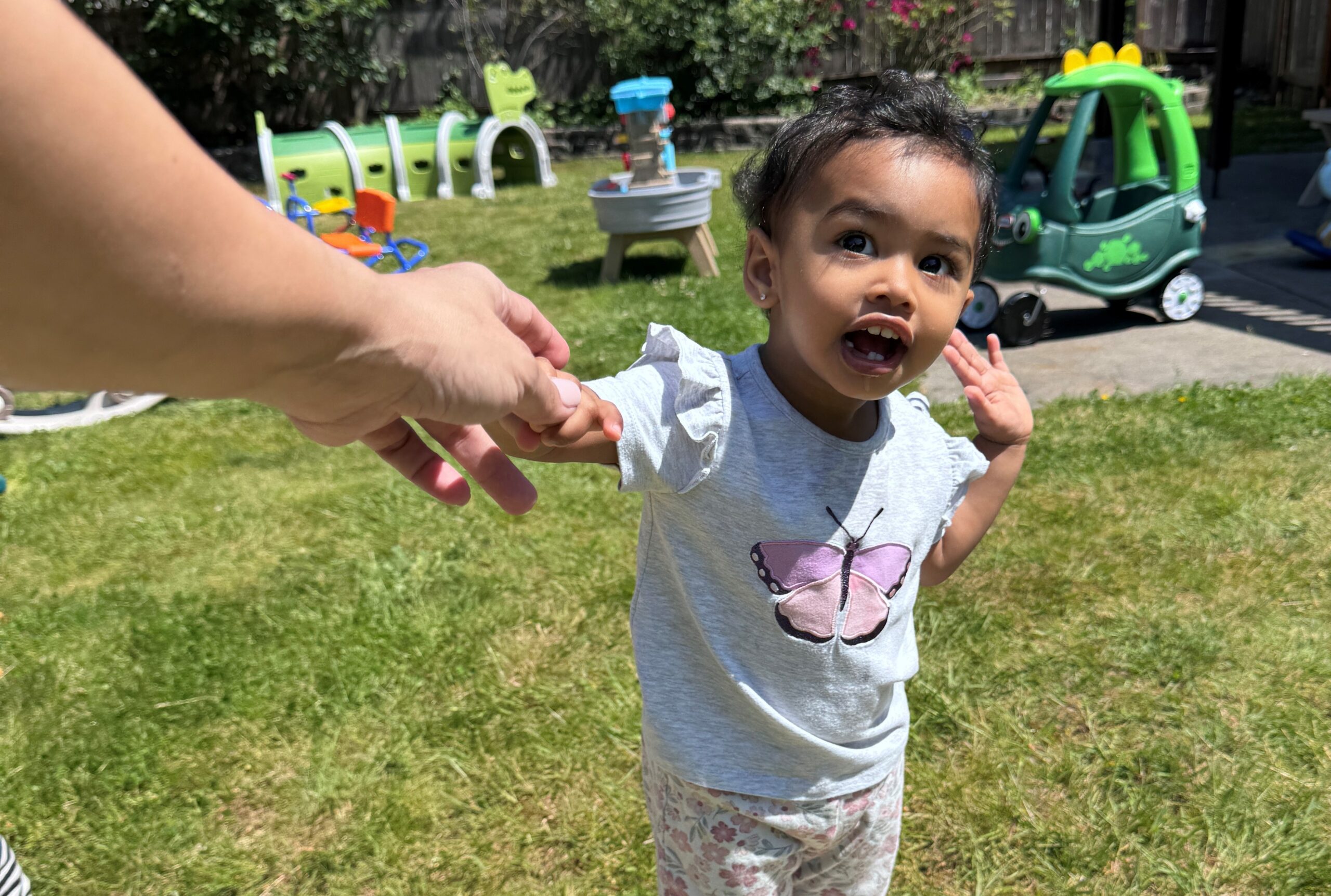


Positive caregiver interactions play a critical role in early childhood development, and one of the most powerful yet often overlooked tools is a simple smile. From infancy through preschool, children rely on caregivers’ facial expressions to interpret safety, emotional availability, and trust. In childcare environments, consistent positive expressions help children feel secure, supported, and ready to explore their surroundings.
This article explores how caregiver smiles influence child emotional development, strengthen toddler trust, and support preschooler bonding. It also provides practical, research-informed strategies for educators and childcare providers while aligning with Washington State (WAC) health and safety expectations.
Why Emotional Signals Matter in Early Childhood
Young children rely heavily on nonverbal communication to understand the world around them. Facial expressions, tone of voice, and body language provide critical emotional cues, especially before language skills are fully developed. Among these cues, caregiver smiles serve as a primary signal of safety and acceptance.
In childcare settings, consistent positive emotional signals help children regulate stress, build confidence, and engage more fully in learning experiences. These daycare positive interactions create an emotional foundation that supports both cognitive and social development.
The Science Behind Caregiver Smiles and Brain Development
Neuroscience research shows that early emotional experiences directly influence brain architecture. When caregivers smile, a child’s brain releases feel-good chemicals such as oxytocin, which supports bonding and emotional regulation.
Repeated exposure to warm, responsive facial expressions strengthens neural pathways associated with trust and empathy. This process is central to child emotional development, particularly during the first five years of life when the brain is most adaptable.
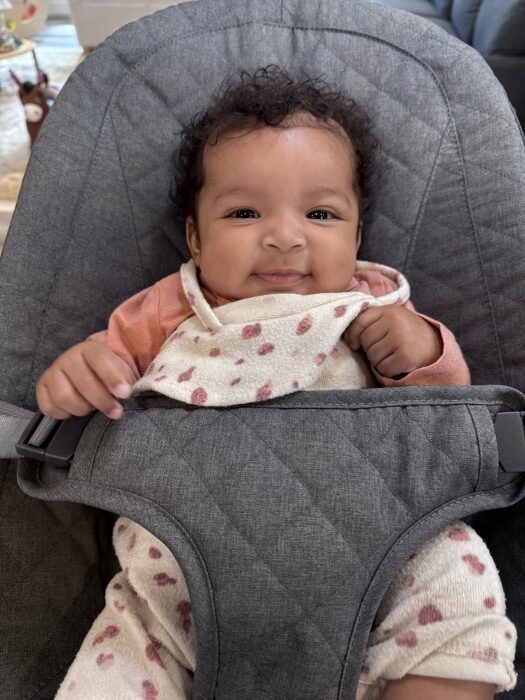
Caregiver Smiles and Infant Emotional Security
For infants, caregiver smiles are not just pleasant—they are essential. Babies use facial expressions to assess whether an environment is safe. A calm, reassuring smile from a caregiver signals comfort and emotional availability.
In group childcare settings, infants who experience consistent positive expressions tend to cry less, adapt more easily to routines, and show stronger engagement with caregivers. These early emotional experiences form the foundation of secure attachment.
Building Toddler Trust Through Positive Facial Expressions
Toddlers are developing autonomy while still needing reassurance. During this stage, toddler trust is built through predictable, warm responses from caregivers. A smile during transitions—such as drop-off, meals, or new activities—helps toddlers feel supported.
Positive facial expressions also encourage toddlers to explore their environment with confidence. When caregivers respond with smiles, toddlers learn that challenges are manageable and that support is always available.
The Role of Smiles in Preschoolers’ Social and Emotional Growth
Preschoolers begin to understand social cues and emotional expressions more deeply. Caregiver smiles reinforce positive behaviors, cooperation, and emotional expression among peers.
For preschooler bonding, smiles serve as social glue—encouraging communication, teamwork, and empathy. Children who experience frequent positive interactions are more likely to develop strong peer relationships and emotional resilience.
Caregiver Smiles as a Foundation for Secure Attachment
Secure attachment develops when children feel emotionally understood and supported. While physical care is essential, emotional responsiveness—especially facial expressions—plays a vital role.
Caregiver smiles communicate availability and reassurance, even during challenging moments. Over time, this consistency builds trust and emotional stability, both of which are critical for long-term mental health.
Smiles and Daycare Positive Interactions
In professional childcare settings, smiles contribute to a nurturing atmosphere that benefits children, families, and staff. Positive interactions reduce behavioral challenges and support smoother classroom routines.
High-quality programs that prioritize emotional responsiveness often reflect the values of a safe daycare environment in Bothell, where children feel emotionally and physically secure.
Cultural Sensitivity and Emotional Expression in Childcare
Emotional expression can vary across cultures, making sensitivity and awareness essential. While smiles are generally universal, caregivers should respect individual family values and communication styles.
Professional childcare providers are trained to balance warmth with cultural responsiveness, ensuring every child feels respected and understood.
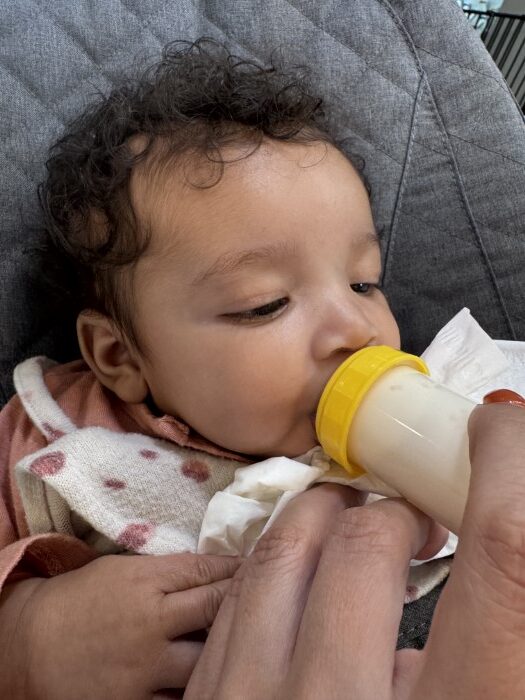
Practical Ways Caregivers Can Use Smiles Effectively
Caregiver smiles are most effective when they are genuine and consistent. Practical strategies include:
- Smiling during greetings and goodbyes
- Using positive facial expressions during guidance or redirection
- Pairing smiles with verbal encouragement
These small actions significantly enhance emotional safety and engagement throughout the day.
Aligning Emotional Care With WAC Childcare Standards
Washington State’s WAC regulations emphasize not only physical safety but also emotional well-being. Providers are expected to create environments that support healthy emotional development through respectful and responsive care.
By fostering positive interactions, childcare centers align emotional best practices with regulatory expectations, supporting holistic child development.
Creating an Emotionally Safe Daycare Environment
An emotionally safe environment is one where children feel seen, heard, and valued. Caregiver smiles contribute to a sense of belonging and predictability—key components of emotional safety.
Centers recognized for early childhood education in Bothell often prioritize staff training in emotional responsiveness alongside academic and developmental goals.
Partnering With Families to Support Emotional Development
Consistency between home and childcare environments strengthens emotional learning. Sharing observations with families helps reinforce trust-based interactions across settings.
Open communication ensures caregivers and parents work together to support each child’s emotional needs.
How Kido Heaven Supports Emotional Well-Being in Childcare
At Kido Heaven daycare, emotional development is a core part of daily practice. As a Kido Heaven early learning center, caregivers are trained to use positive facial expressions, warm communication, and responsive interactions to support children from infancy through preschool.
Families seeking a trusted childcare center in Bothell value environments where emotional security is prioritized alongside learning and safety.
Why KidoHeaven Stands Out
✅ Licensed in Washington State
✅ Aligned with Early Achievers standards
✅ Working Connections subsidy accepted
✅ Daily updates via Brightwheel
✅ Located in Bothell, serving Mill Creek, Lynnwood & nearby areas
✅ Nutritious snacks, safe outdoor space, & positive mealtime routines
📞 Call 206-734-2040 to schedule a tour
🌐 Enroll now
Follow Our Mealtime Moments
Stay updated with more beautiful outdoor meals and daily learning routines on:
Instagram | Facebook | Nextdoor | Yelp | Winnie | YouTube | Upwards
FAQ
1. Why are caregiver smiles important in early childhood?
They help children feel safe, build trust, and support emotional regulation and attachment.
2. Do smiles really affect brain development?
Yes. Positive emotional interactions support healthy neural connections linked to trust and empathy.
3. How do caregiver smiles support toddlers specifically?
They reinforce security during transitions and help toddlers explore confidently.
4. Are emotional interactions part of daycare quality standards?
Yes. Emotional responsiveness aligns with WAC expectations and best practices in childcare.
5. Can caregiver smiles reduce behavioral challenges?
Consistent positive interactions often lead to better emotional regulation and fewer behavior issues.


