What Do Kids Do at a Screen-Free Daycare?

In today’s digital age, screens are everywhere—tablets, TVs, and smartphones captivate children’s attention from an early age. However, excessive screen time can hinder young minds, impacting attention spans, social skills, and creativity. This is where a screen-free daycare shines, offering a nurturing environment where children engage in meaningful, hands-on activities. At Kidoheaven, we believe in fostering early childhood development through creative play, outdoor exploration, and personalized care. Whether you’re seeking infant care or a home daycare for your toddler, a screen-free approach ensures kids thrive in a stimulating, tech-free setting.In this article, we’ll explore what kids do at a screen-free daycare, from arts and crafts to storytelling and outdoor adventures.

Why Choose a Screen-Free Daycare?

Excessive screen time can have lasting effects on young children. According to the American Academy of Pediatrics, children under five should have limited screen exposure to support healthy brain development. Too much screen time may lead to reduced attention spans, delayed language skills, and weaker social connections. A screen-free daycare counters these risks by prioritizing active, hands-on experiences that nurture creativity and growth.Screen-free child care offers a refreshing alternative, especially for parents seeking infant care or home daycare options. These environments encourage children to explore their surroundings, interact with peers, and develop essential skills through play. By fostering imagination and physical activity, screen-free daycares create a foundation for lifelong learning. At Kidoheaven, our approach ensures kids engage in meaningful activities that spark joy and curiosity.
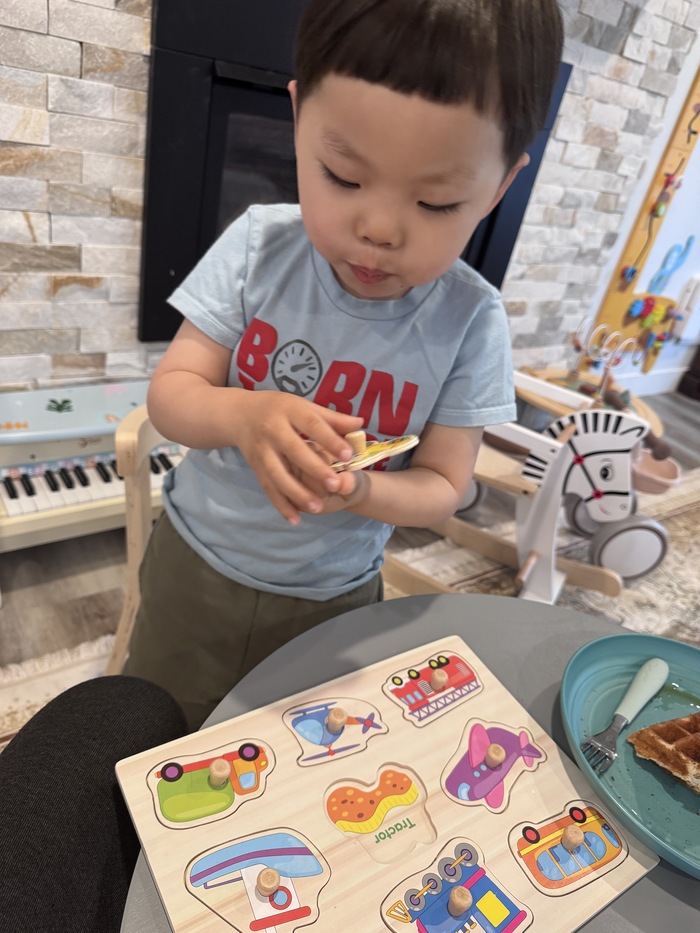
A toddler solving a wooden puzzle at KidoHeaven daycare in Bothel
childcare bothell

Key Activities in a Screen-Free Daycare

Screen-free daycares are vibrant hubs of activity, designed to keep children engaged without relying on digital devices. Below, we explore five key activities that define the screen-free experience, each tailored to support early childhood development.

Creative Arts and Crafts

Creative play is a cornerstone of screen-free daycare. Activities like painting, clay modeling, and collage-making allow children to express themselves while honing fine motor skills. For example, kids might create nature-inspired artwork using leaves, twigs, or recycled materials. These projects encourage problem-solving and boost confidence as children see their ideas come to life.In a home daycare setting, arts and crafts are tailored to each child’s developmental stage. Toddlers might finger-paint to explore colors, while preschoolers work on more complex projects like building paper mache animals. These activities foster creativity and prepare kids for preschool education by enhancing focus and dexterity.

Outdoor Play and Exploration

Nothing beats the joy of outdoor play! Screen-free daycares prioritize outdoor activities like nature walks, scavenger hunts, and gardening. These experiences promote physical health, teamwork, and a love for the environment. For instance, children might plant seeds in a mini-garden or search for treasures like pinecones during a nature scavenger hunt.Outdoor play also supports early childhood development by encouraging exploration and curiosity. In a daycare setting, kids might build forts with sticks or splash in puddles, fostering a sense of adventure. At Kidoheaven, our outdoor spaces are designed to be safe and stimulating, ensuring kids thrive in nature.

Storytelling and Imagination Games

Storytelling is a powerful tool in screen-free child care. Group storytelling, puppet shows, and role-playing games spark imagination and build language skills. For example, children might act out a favorite fairy tale or create their own stories using props like costumes or stuffed animals. These activities encourage collaboration and emotional expression.In a home daycare, storytelling sessions are intimate and engaging, allowing kids to connect with caregivers and peers. These experiences lay the groundwork for preschool education by improving vocabulary and listening skills. Plus, they’re just plain fun!

Music and Movement

Music and movement bring energy to screen-free daycares. Activities like singing nursery rhymes, dancing, or playing simple instruments (e.g., tambourines or maracas) help children develop coordination and rhythm. A daycare might host a “musical parade” where kids march with homemade instruments, fostering creativity and joy.These activities are especially beneficial for toddler activities, as they encourage physical activity and emotional expression. Music also supports language development by introducing new words through songs. At Kidoheaven, our caregivers use music to create a lively, engaging atmosphere.

Hands-On Learning Activities

Screen-free daycares emphasize hands-on learning through activities like building blocks, sensory bins, or simple science experiments. For example, kids might explore textures in a sensory bin filled with rice or water beads, or mix colors to learn about cause and effect. These activities promote problem-solving and cognitive growth.For infant care, hands-on activities are adapted to include soft toys or sensory boards that stimulate touch and sight. These experiences help children develop critical thinking skills and prepare them for academic success. In a home daycare, caregivers tailor activities to each child’s needs, ensuring personalized growth.
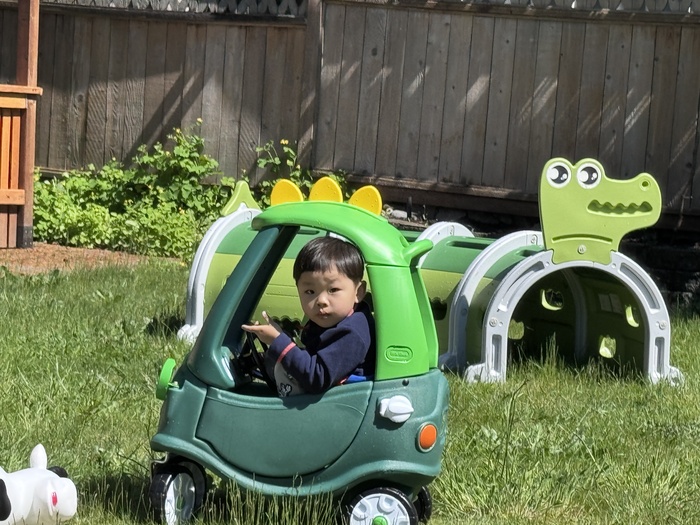
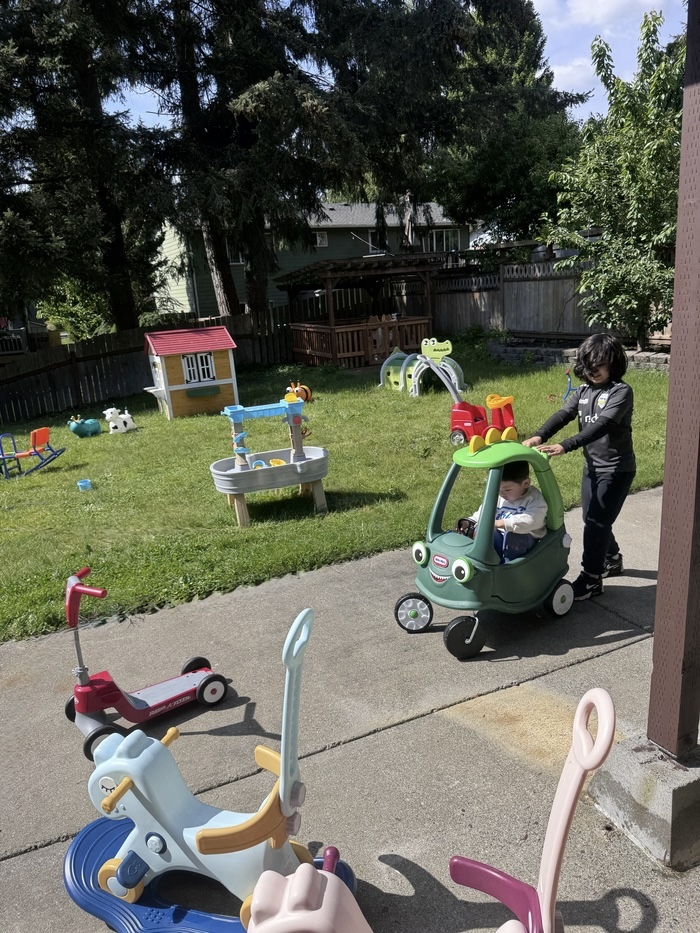
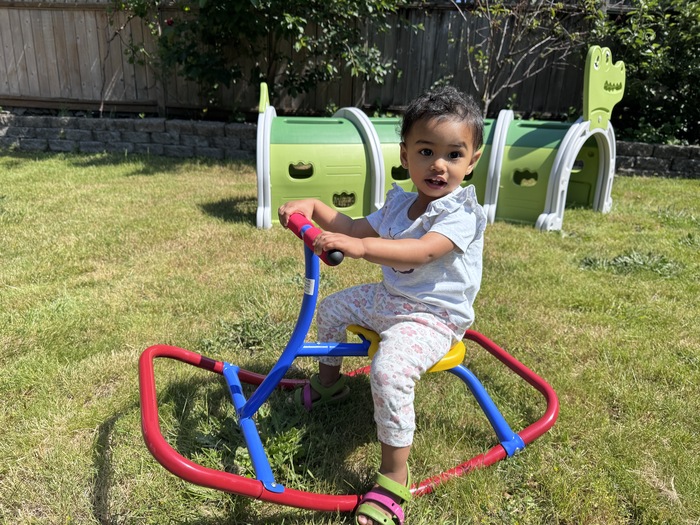
A young child playing in a green toy car outside at KidoHeaven daycare in Bothell
daycare near me

Benefits of Screen-Free Child Care

Screen-free child care offers a wealth of benefits for young children. Here are some key advantages:

  • Enhanced Creativity: Activities like arts and storytelling encourage kids to think outside the box, fostering imagination.
  • Improved Social Skills: Group activities like role-playing and outdoor play teach collaboration and communication.
  • Physical Development: Outdoor activities promote healthy movement, improving coordination and strength.
  • Cognitive Growth: Hands-on learning activities build problem-solving skills and prepare kids for preschool education.
  • Emotional Well-Being: Screen-free environments allow children to connect with caregivers and peers, fostering a sense of security.

Research from the National Institute of Child Health and Human Development shows that play-based learning enhances cognitive and social skills, making screen-free daycares an ideal choice for early childhood development. By focusing on active engagement, these programs set children up for success in school and beyond.

How Kidoheaven Creates a Screen-Free Environment

At Kidoheaven, we’re passionate about providing a screen-free daycare experience that nurtures young minds. Our home daycare approach combines trained caregivers, thoughtfully designed spaces, and engaging activities to create a warm, stimulating environment. From infant care to preschool programs, we prioritize creative play, outdoor activities, and hands-on learning.Our caregivers are skilled at tailoring activities to each child’s developmental stage, ensuring personalized care. Whether it’s a toddler planting seeds or an infant exploring sensory toys, we foster growth through meaningful experiences. Our safe, welcoming spaces encourage kids to explore, connect, and thrive without the distraction of screens.

Conclusion

A screen-free daycare offers a refreshing approach to child care, prioritizing activities that spark creativity, encourage physical activity, and foster social connections. From painting and storytelling to outdoor adventures and hands-on learning, these environments help children thrive without the need for screens. By choosing a screen-free home daycare in Bothell, parents give their kids the tools to grow, learn, and explore in a nurturing setting.At Kidoheaven, we’re committed to creating joyful, engaging experiences for every child in our daycare Bothell programs. Our screen-free approach supports early childhood development through personalized care and meaningful activities. Ready to see the difference? Visit kidoheaven.com to learn more and give your child the gift of a screen-free daycare Bothell experience.

Why KidoHeaven Stands Out

✅ Licensed in Washington State
✅ Aligned with Early Achievers standards
✅ Working Connections subsidy accepted
✅ Daily updates via Brightwheel
✅ Located in Bothell, serving Mill Creek, Lynnwood & nearby areas
✅ Nutritious snacks, safe outdoor space, & positive mealtime routines

📞 Call 206-734-2040 to schedule a tour
🌐 Enroll now

Follow Our Mealtime Moments

Stay updated with more beautiful outdoor meals and daily learning routines on:

Instagram | Facebook | Nextdoor | Yelp | Winnie | YouTube | Upwards

FAQ

1. What is a screen-free daycare?

A screen-free daycare avoids digital devices and focuses on hands-on, creative, and physical activities to support child development.

2. Are screen-free daycares suitable for infants?

Yes, infant care in screen-free daycares includes sensory play, cuddling, and nurturing interactions tailored to babies’ needs.

3. How do screen-free activities benefit my child?

They promote creativity, social skills, and cognitive growth through active engagement, preparing kids for school and life.

4. Can screen-free daycares prepare kids for school?

Absolutely! Activities like storytelling, arts, and group play build foundational skills for preschool education.

What’s the Purpose of Quiet Time at Daycare?

Quiet time at daycare is more than just a break in the daily schedule—it’s a vital component of child care that nurtures young minds and bodies. For parents in Bothell seeking quality daycare, understanding the role of quiet time can ease concerns and highlight its importance for their child’s development. This article explores why quiet time is essential, its benefits for different age groups, practical implementation strategies, and how it fosters emotional, cognitive, and physical growth. At Kido Heaven, we prioritize creating a nurturing environment for children, and quiet time is a cornerstone of our approach.

Why Quiet Time Matters in Daycare

Quiet time in daycare provides children with a structured period to rest, relax, or engage in low-energy activities. Unlike nap time, which focuses on sleep, quiet time accommodates both nappers and non-nappers, ensuring every child benefits from a calm break. For daycare providers, it’s an opportunity to support children’s emotional and cognitive needs while maintaining a balanced schedule.

Research shows that consistent routines, including quiet time, create a sense of security and stability for young children, which is crucial for healthy development. In a bustling daycare environment filled with play, learning, and social interaction, quiet time offers a moment to reset, helping children stay energized and focused throughout the day. For parents exploring daycare Bothell, choosing a program that prioritizes quiet time ensures your child thrives in a supportive setting.

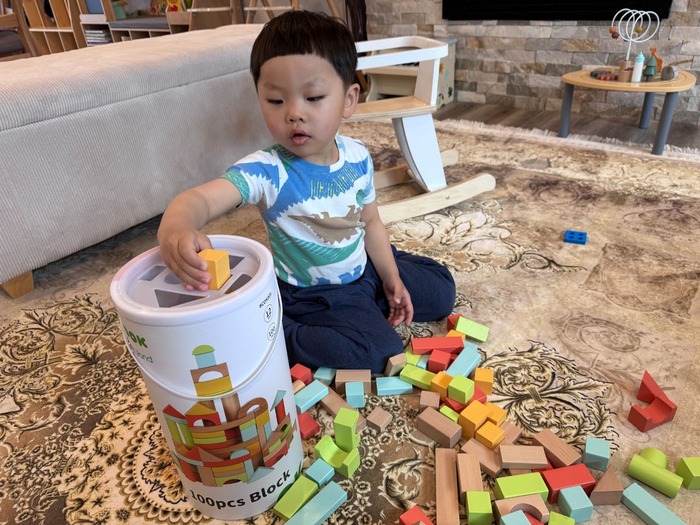
Caregiver helping toddler with puzzle during child care quiet time

Benefits of Quiet Time for Child Development

Quiet time supports multiple aspects of a child’s growth, from emotional regulation to cognitive skills. Here’s how it makes a difference:

Emotional Regulation and Social Skills

Young children are still learning to manage their emotions. Quiet time provides a safe space to process feelings, reducing overstimulation and preventing tantrums. According to child development experts, short breaks can enhance a child’s ability to self-regulate, a skill critical for social interactions.

For example, during quiet time, children engage in independent activities like reading or puzzles, fostering independence and patience. These moments also teach them to respect others’ need for calm, building empathy and cooperation—key social skills for future success.

Cognitive Growth and Creativity

Quiet time isn’t just about rest; it’s a chance for children to engage in activities that spark creativity and problem-solving. Research suggests that periods of low stimulation, like quiet time, enhance creative thinking by allowing children to daydream or explore their thoughts. Activities such as storytelling or drawing during quiet time boost language development and imagination.

In high-quality child care settings, quiet time activities are designed to support cognitive milestones. For instance, counting games or observing patterns in a book can lay the foundation for numeracy and literacy skills, preparing children for school.

Physical Rest and Well-Being

Even if children don’t nap, quiet time allows their bodies to recharge. Pediatric guidelines emphasize that rest periods support physical health, reducing fatigue and improving focus. For active toddlers and preschoolers, a brief pause helps maintain energy levels for afternoon activities like outdoor play or group games.

By fostering a balanced routine, quiet time ensures children stay healthy and alert, making it an essential part of any Bothell daycare schedule.

Age-Specific Quiet Time Strategies

Children’s needs vary by age, and effective daycare programs tailor quiet time to suit developmental stages. Here’s how quiet time is adapted for infants, toddlers, and preschoolers:

Infants (0–12 Months)

Infants require multiple naps daily, so quiet time often overlaps with sleep schedules. Daycare providers create a soothing environment with dim lights, soft music, and cozy bedding to encourage rest. For infants who don’t sleep, gentle sensory activities like soft toys or quiet rocking provide comfort and stimulation.

Caregivers also ensure close supervision and maintain low staff-to-child ratios to meet infants’ needs, fostering a sense of security critical for early development.

Toddlers (1–3 Years)

Toddlers may nap for 1–2 hours, but some begin transitioning away from naps. For non-nappers, quiet time includes activities like looking at picture books, playing with puzzles, or engaging in pretend play with soft toys. These activities keep toddlers engaged while respecting the needs of sleeping peers.

To ease transitions, caregivers use consistent cues, such as a specific song or dimming the lights, to signal quiet time. This predictability helps toddlers feel secure and reduces resistance.

Preschoolers (3–5 Years)

Many preschoolers no longer nap, making quiet time a mix of rest and low-energy activities. Daycare providers offer options like reading, drawing, or mindfulness exercises to keep children engaged. For example, a preschooler might listen to a story or practice deep breathing, promoting relaxation and focus.

Structured yet flexible quiet time activities help preschoolers develop independence and prepare for the academic demands of kindergarten.

Cozy quiet time corner with books and soft toys in Bothell daycare

Creating an Effective Quiet Time Environment

A successful quiet time requires a thoughtfully designed environment. Here are key strategies daycare providers use:

  • Calming Atmosphere: Dim lights, soft music, or white noise create a relaxing setting. Comfortable mats or cots with familiar items like blankets or stuffed animals help children feel at ease.
  • Engaging Activities: For non-nappers, provide quiet activities like books, puzzles, or coloring to prevent boredom. Rotate activities regularly to maintain interest.
  • Consistent Schedule: Holding quiet time at the same time daily reinforces routine, helping children anticipate and adapt to the break.
  • Clear Expectations: Caregivers set simple rules, such as staying on mats or keeping voices low, and use positive reinforcement to encourage compliance.

By creating a nurturing environment, daycare providers ensure quiet time is a positive experience for all children.

Addressing Challenges: What If My Child Won’t Stay Quiet?

Some children resist quiet time, especially if they’re high-energy or transitioning away from naps. Here’s how daycare providers and parents can address common challenges:

  • For Non-Nappers: Offer engaging, low-energy activities like a “quiet time box” filled with special toys or books. Allowing children to choose activities gives them a sense of control.
  • Managing Disruptions: Caregivers may separate non-nappers into a quiet play area to avoid disturbing sleeping children, ensuring a peaceful environment for all.
  • Gradual Introduction: For children new to daycare, a gradual transition with shorter quiet time periods helps build comfort.
  • Parent Collaboration: Share your child’s home routines with caregivers to align strategies, such as using a favorite blanket or a specific calming song.

By addressing these challenges proactively, daycare providers help every child benefit from quiet time.

Partnering with Parents for Consistent Routines

Effective quiet time relies on collaboration between daycare providers and parents. Open communication ensures routines align with a child’s home environment, creating consistency that supports development.

  • Share Information: Daycare staff inform parents about quiet time activities and their child’s participation, offering insights into rest patterns or preferences.
  • Involve Parents: Encourage parents to provide comfort items or share home strategies that help their child relax.
  • Educate on Benefits: Explain how quiet time supports emotional and cognitive growth, addressing concerns about its necessity.

For parents seeking child care Bothell, a daycare that prioritizes parent partnership ensures a seamless experience for both children and families.

Why Choose Kido Heaven for Daycare in Bothell?

At Kido Heaven, we understand the importance of a balanced daycare routine that nurtures your child’s growth. Our Bothell daycare programs are designed to support emotional, cognitive, and physical development through thoughtfully planned activities, including quiet time. With experienced caregivers, a safe and welcoming environment, and a commitment to parent collaboration, Kido Heaven is the trusted choice for child care Bothell.

Our quiet time routines are tailored to each child’s needs, ensuring they feel secure and engaged. Whether your child naps or enjoys quiet activities, we create a nurturing space that fosters well-being. Explore how Kido Heaven can support your child’s development by visiting us at kidoheaven.com or scheduling a tour today.

Why KidoHeaven Stands Out

✅ Licensed in Washington State
✅ Aligned with Early Achievers standards
✅ Working Connections subsidy accepted
✅ Daily updates via Brightwheel
✅ Located in Bothell, serving Mill Creek, Lynnwood & nearby areas
✅ Nutritious snacks, safe outdoor space, & positive mealtime routines

📞 Call 206-734-2040 to schedule a tour
🌐 Enroll now

Follow Our Mealtime Moments

Stay updated with more beautiful outdoor meals and daily learning routines on:

Instagram | Facebook | Nextdoor | Yelp | Winnie | YouTube | Upwards

FAQ

1. Why is quiet time important for my child?

Quiet time supports emotional regulation, cognitive growth, and physical rest, helping children stay focused and energized. It fosters independence and creativity while providing a break from stimulation.

2. What if my child doesn’t nap during quiet time?

Non-nappers engage in quiet activities like reading or puzzles, which keep them engaged while respecting the group’s need for calm. Caregivers tailor activities to suit each child’s needs.

3. How long should quiet time last?

Quiet time typically lasts 1–2 hours, depending on the child’s age. Infants may nap longer, while preschoolers engage in shorter, activity-based quiet time.

4. Can I align quiet time routines at home with daycare?

Yes! Share your child’s home routine with caregivers and incorporate similar activities, like reading or soft music, to create consistency.

5. How does quiet time differ from nap time?

Nap time focuses on sleep, while quiet time includes rest or low-energy activities for both nappers and non-nappers, ensuring all children benefit.


What Your Child Gains from Daycare: Essential Skills for Growth

As a parent, you want the best for your child. Choosing a daycare is a big step—it’s not just about keeping your child safe while you’re at work. A good daycare, like Kidoheaven, helps your child learn and grow in exciting ways. From making friends to trying new activities, daycare gives kids the tools they need to thrive. This article explains the key skills your child will learn at daycare and how these skills help them now and in the future. Let’s dive into the amazing ways daycare supports your child’s growth!

Making Friends and Working Together

Daycare is like a big playground where kids learn to get along with others. It’s one of the first places your child will meet new friends and learn how to be part of a group. Here’s what they gain:

  • Sharing and Taking Turns: Playing with toys or games teaches kids to share and wait for their turn. This helps them get along with others.
  • Talking and Listening: Kids practice talking about their feelings and listening to their friends, which makes them better communicators.
  • Being Kind: Spending time with other kids helps your child learn to care about others’ feelings, like cheering up a friend who’s sad.

For example, at Bothell daycare, kids play group games that teach them how to work together and make friends.

Building Confidence and Handling Emotions

Daycare helps kids feel good about themselves and learn how to manage their feelings. Being away from home in a safe, caring place teaches them:

  • Handling Feelings: Kids learn to stay calm when they’re upset, like when they miss you or can’t get a toy to work.
  • Doing Things on Their Own: From putting on their shoes to eating lunch, kids gain independence at daycare.
  • Feeling Proud: When caregivers cheer them on for trying new things, kids grow more confident.

At Child Care Bothell, teachers help kids talk about their emotions, making it easier for them to feel strong and capable.

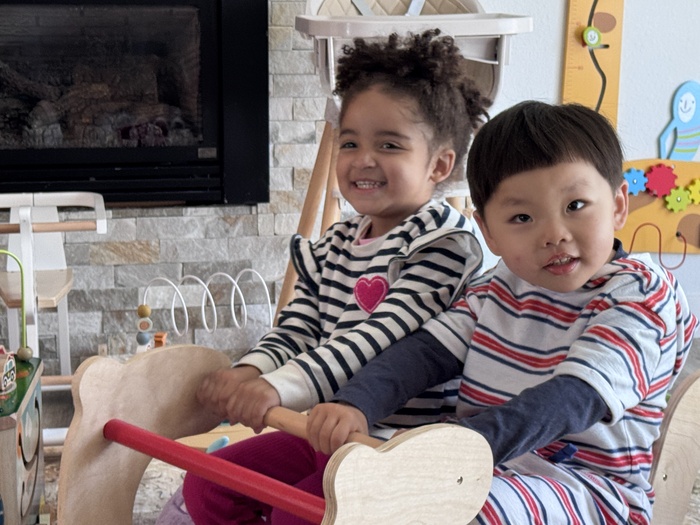
Happy kids playing together at Kidoheaven daycare in Bothell.

Growing Smarter Through Play and Learning

Daycare isn’t just about play—it’s a place where kids’ brains grow too! Fun activities help them learn new things and get curious about the world. Here’s how:

  • Early Reading and Math: Listening to stories or counting toys helps kids get ready for reading and math later on.
  • Solving Problems: Building with blocks or figuring out a puzzle teaches kids to think and find solutions.
  • Exploring the World: Activities like looking at plants or mixing colors spark curiosity and a love for learning.

At Kidoheaven, kids enjoy hands-on activities like sorting shapes or listening to storytime, which make learning fun and exciting.

Moving, Playing, and Staying Active

Kids love to move, and daycare gives them plenty of chances to run, jump, and play. These activities help their bodies grow strong. Here’s what they learn:

  • Small Movements: Drawing, cutting paper, or zipping up a jacket helps kids use their hands better.
  • Big Movements: Climbing on playground equipment or dancing builds strength and balance.
  • Healthy Habits: Daycare teaches kids to wash their hands, eat well, and stay active for a healthy life.

Sparking Creativity and Imagination

Daycare is a magical place where kids’ imaginations come to life. Creative activities help them think in new ways and have fun. Here’s how:

  • Art and Music: Painting, singing, or playing instruments lets kids express themselves.
  • Pretend Play: Dressing up or playing “store” helps kids dream up new ideas and stories.
  • Telling Stories: Making up stories or retelling favorites boosts their language and imagination.

At Kidoheaven, kids get to paint, sing, and play pretend, which helps them love learning and being creative.

Getting Ready for School and Beyond

The skills kids learn at daycare help them do well in school and life. Daycare gives them a head start by teaching them:

  • School Skills: Knowing how to listen, follow directions, and work with others makes kindergarten easier.
  • Getting Along: Playing with friends at daycare helps kids feel comfortable in new places.
  • Loving Learning: Fun activities make kids excited to learn new things for years to come.

Kidoheaven’s caring teachers and fun programs make sure kids are ready for the next big steps in their journey.

Why Kidoheaven Is the Best Choice for Your Child

At Kidoheaven, we know how much your child means to you. Our Bothell daycare offers a warm, safe place where kids learn, play, and grow. With caring teachers, fun activities, and a focus on helping kids shine, Kidoheaven is here to support your child’s journey. Visit us at Child Care Bothell to see how we can make a difference for your family!

Why KidoHeaven Stands Out

✅ Licensed in Washington State
✅ Aligned with Early Achievers standards
✅ Working Connections subsidy accepted
✅ Daily updates via Brightwheel
✅ Located in Bothell, serving Mill Creek, Lynnwood & nearby areas
✅ Nutritious snacks, safe outdoor space, & positive mealtime routines

📞 Call 206-734-2040 to schedule a tour
🌐 Enroll now

Follow Our Mealtime Moments

Stay updated with more beautiful outdoor meals and daily learning routines on:

Instagram | Facebook | Nextdoor | Yelp | Winnie | YouTube | Upwards

FAQ

Q: When should my child start daycare?

Kids as young as 6 months can start daycare, with activities designed just for their age.

How does daycare help my child’s emotions?

Teachers help kids learn to express feelings and feel confident in a caring environment.

Is daycare safe for young kids?

Yes, good daycares like Kidoheaven have trained staff and safe spaces for kids to play and learn.

How do I pick the right daycare in Bothell?

Choose a daycare with kind teachers, fun activities, and a focus on your child’s growth, like Kidoheaven.

Does daycare teach school skills?

Yes, kids learn early reading, math, and problem-solving through fun games and activities.


How to prepare a toddler for daycare?

Starting daycare is a big step for your toddler—and for you as a parent. It’s a time of new experiences, from making friends to exploring a new environment. But transitions can be challenging for young children who thrive on familiarity. With the right preparation, you can help your toddler feel confident and excited about their daycare journey. This guide offers practical, research-backed strategies to ease your toddler into daycare, ensuring a positive and joyful experience. Let’s explore how to make this milestone a success.

Understanding Your Toddler’s Emotional and Developmental Needs

Toddlers are at a stage where they’re developing independence, language, and social skills. They may experience separation anxiety or struggle with changes in routine. Here’s what to keep in mind:

  • Emotional Security: Toddlers need to feel safe and loved, even when away from you.
  • Social Growth: Interacting with peers helps them learn sharing, empathy, and cooperation.
  • Routine and Predictability: Consistent schedules help toddlers anticipate what’s next, reducing uncertainty.

Understanding these needs allows you to tailor your preparation to your child’s unique personality and developmental stage.

Practical Steps to Get Your Toddler Ready for Daycare

These actionable tips will help your toddler feel ready for their daycare experience, making the transition smoother for both of you.

Visit the Daycare Environment

Before the first day, take your toddler to visit the daycare. Explore the play areas, meet the caregivers, and let your child get comfortable with the space. This familiarity helps reduce fear. You can even take photos during the visit and create a small picture book to talk about daycare at home.

Talk About Daycare with Enthusiasm

Start talking about daycare a few weeks in advance using simple, positive language. Say things like, “You’ll have fun playing with new friends!” or “There’s a cool playground at daycare!” Reading books like Llama Llama Misses Mama by Anna Dewdney can help normalize the experience. Keep your tone upbeat to build excitement.

Practice Short Separations

If your toddler isn’t used to being away from you, start with short separations. Leave them with a trusted family member or babysitter for an hour or two. Gradually increase the time to help them get used to your absence and return. This builds trust that you’ll always come back.

Build a Consistent Routine

Toddlers thrive on routine. Create a morning schedule that mirrors daycare, including wake-up, breakfast, and getting dressed. Ask the daycare about their daily routine (like nap or snack times) and try to align your home schedule. Consistency helps your toddler feel in control.

Include Familiar Comfort Items

A favorite stuffed animal, blanket, or family photo can provide comfort in a new environment. These items act as a reminder of home, helping your toddler feel secure. Check with the daycare to ensure they allow personal items.

Create a Simple Goodbye Ritual

A quick, consistent goodbye ritual—like a special hug, high-five, or saying, “See you after storytime!”—reassures your toddler. Keep goodbyes brief and positive to avoid prolonging any distress. Over time, this ritual becomes a comforting signal that you’ll return.

Toddler enjoying sensory play on their first day at daycare.

Managing Separation Anxiety

Separation anxiety is common for toddlers starting daycare, especially between 12 and 36 months. Acknowledge their feelings with empathy: “I know it’s hard to say goodbye, but I’ll be back soon.” Avoid lingering during drop-offs, as this can increase anxiety, according to child psychology experts. Instead, offer a quick goodbye and let caregivers take over with engaging activities. If anxiety persists, try shorter daycare sessions at first, gradually increasing the time.

Partnering with Daycare Staff

Building a relationship with daycare staff is key to your toddler’s success. Share important details about your child, such as their favorite activities, food preferences, or soothing techniques. Ask about the daycare’s daily schedule and communication methods, like apps or daily reports. Regular check-ins with caregivers ensure your toddler’s needs are met and help you stay informed about their progress.

What to Expect on the First Day

The first day of daycare can be emotional. Your toddler may cry or cling to you, which is normal as they adjust. Expect them to be tired or a bit fussy at pickup due to the new environment. Pack essentials like a change of clothes, diapers, and a water bottle. Daycares often provide engaging activities like music or sensory play to keep children occupied. Stay calm and positive, as your confidence reassures your toddler.

How Kido Heaven Childcare Supports Your Toddler

At Kido Heaven Childcare, we’re committed to making your toddler’s daycare experience positive and enriching. Located in Bothell, WA, our home-based daycare offers:

  • Personalized Care: Small group settings ensure individual attention.
  • Play-Based Learning: Activities like music, art, and outdoor play support social, emotional, and cognitive growth.
  • Safe Environment: Childproofed spaces, secure entries, and trained caregivers prioritize safety.
  • Nutritious Meals: We follow USDA guidelines, offering balanced snacks and meals while accommodating dietary needs.
  • Parent Communication: Daily updates via Brightwheel keep you connected.

Our licensed daycare in Bothell serves families in Mill Creek, Lynnwood, and nearby areas, aligning with Early Achievers standards to ensure high-quality care.

Conclusion

Preparing your toddler for daycare is about building confidence, familiarity, and trust. By visiting the daycare, practicing routines, and fostering open communication with caregivers, you can ensure a smooth transition. At Kido Heaven Childcare in Bothell, WA, we’re dedicated to supporting your toddler’s growth through personalized, play-based learning in a safe, loving environment. Ready to start this exciting journey? Contact us at 206-734-2040 to schedule a tour and see why families in Bothell, Mill Creek, and beyond trust Kido Heaven for exceptional child care Bothell.

Why KidoHeaven Stands Out

✅ Licensed in Washington State
✅ Aligned with Early Achievers standards
✅ Working Connections subsidy accepted
✅ Daily updates via Brightwheel
✅ Located in Bothell, serving Mill Creek, Lynnwood & nearby areas
✅ Nutritious snacks, safe outdoor space, & positive mealtime routines

📞 Call 206-734-2040 to schedule a tour
🌐 Enroll now

Follow Our Mealtime Moments

Stay updated with more beautiful outdoor meals and daily learning routines on:

Instagram | Facebook | Nextdoor | Yelp | Winnie | YouTube | Upwards

FAQ

1. When is the best time to start preparing my toddler for daycare?

Start 2–4 weeks before the first day. Early preparation, like visiting the daycare or practicing routines, helps your toddler adjust gradually.

2. How can I help my toddler feel less anxious about daycare?

Use positive language, practice short separations, and send a comfort item. A consistent goodbye ritual also helps. Be patient, as adjustment may take a few weeks.

3. What should I pack for my toddler’s daycare bag?

Include a change of clothes, diapers or pull-ups, a water bottle, and a comfort item like a toy or blanket. Confirm the daycare’s specific requirements.

4. How long does it take for a toddler to settle into daycare?

Most toddlers adjust within 1–4 weeks, depending on their personality and preparation. Consistent routines and caregiver support speed up the process.

5. What signs show a daycare is a good fit for my toddler?

Look for warm caregivers, a safe and clean environment, and engaging activities. A good daycare communicates openly with parents and supports your child’s needs.


Why Toddlers Playing with Food Is Beneficial and How to Support It

When your toddler smears mashed potatoes across the table or tosses peas onto the floor, it might feel like mealtime has turned into a playground. But this messy behavior is more than just chaos—it’s a natural part of your child’s development. Toddlers are curious explorers, and food provides a rich, sensory experience that engages their senses and sparks learning. Playing with food is not only normal but also beneficial for their growth.

In this article, we’ll explore why toddlers play with food, the developmental benefits of this behavior, and how parents and daycare providers can support it. From sensory exploration to building healthy eating habits, you’ll discover practical ways to embrace this phase while fostering your child’s development.

Benefits of Playing with Food for Toddlers

Food play is more than just a mess—it’s a powerful tool for learning. Here’s how it supports your toddler’s growth:

Sensory Exploration and Cognitive Growth

Toddlers learn about the world through their senses. Squishing, smelling, and tasting food helps them understand textures, temperatures, and flavors. For example, squeezing a soft banana or feeling the crunch of a carrot engages their sense of touch and builds cognitive connections.

This sensory play is critical in early childhood, as it stimulates brain development and encourages curiosity. In a Bothell daycare setting, caregivers often incorporate sensory activities like food play to promote exploration in a structured environment.

Strengthening Fine Motor Skills

Playing with food helps toddlers develop fine motor skills, which are essential for tasks like writing, buttoning clothes, or using utensils. When a child pinches peas or scoops yogurt, they practice hand-eye coordination and dexterity.

Research shows that children who engage in hands-on activities, such as food play, develop stronger motor skills by age three. Daycare providers often encourage these activities during mealtimes to support physical development in a fun, engaging way.

Building a Positive Relationship with Food

Allowing toddlers to explore food through play can foster a healthy relationship with eating. When children are free to touch and taste at their own pace, they’re more likely to develop positive associations with food. This can reduce picky eating and encourage adventurous eating habits over time.

In child care settings, caregivers often model positive food interactions, helping children feel comfortable trying new foods. This approach supports long-term healthy eating habits.

Toddler eating independently with a spoon – "Child developing fine motor skills during mealtime

How Parents Can Support Food Play

As a parent, you can turn food play into a learning opportunity while keeping mealtimes manageable. Here are some strategies:

Creating a Safe Environment for Exploration

Set up a space where messes are okay. Use a highchair with a tray or place a mat under the table for easy cleanup. Offer small portions of safe, age-appropriate foods like soft fruits, cooked vegetables, or yogurt to encourage exploration without waste.

Introducing a Variety of Foods

Expose your toddler to different textures, colors, and flavors. For example, offer smooth purees alongside crunchy crackers or slippery noodles. This variety stimulates sensory development and makes mealtime exciting.

Setting Reasonable Boundaries

While food play is beneficial, setting boundaries helps maintain structure. For instance, teach your child that throwing food is not okay, but squishing or spreading it on their tray is fine. Clear expectations create a balance between exploration and respect for mealtime routines.

When Should You Be Concerned About Food Play?

While food play is typically harmless, there are times when it may signal an issue. If your toddler consistently refuses to eat, only plays with food without tasting it, or shows signs of sensory sensitivities (e.g., extreme aversion to certain textures), it may be worth consulting a pediatrician or occupational therapist.

In most cases, food play is a normal phase that fades as children grow. However, if you’re concerned, a daycare Bothell provider or child development specialist can offer guidance tailored to your child’s needs.

Practical Tips for Parents and Daycare Providers

Here are actionable tips to make food play a positive experience:

  • Start Small: Offer one or two foods at a time to avoid overwhelming your toddler.
  • Join the Fun: Sit with your child and model food exploration, like dipping veggies in hummus.
  • Be Patient: Messes are part of the process. Focus on the learning, not the cleanup.
  • Involve Daycare Providers: Share your approach with your Bothell daycare team to ensure consistency between home and daycare.
  • Celebrate Progress: Praise your child for trying new foods or using a spoon, reinforcing positive behavior.

Introducing Kido Heaven: Supporting Your Child’s Growth

At Kido Heaven, we understand the importance of nurturing your child’s development through everyday experiences like mealtime. Our daycare Bothell programs are designed to support sensory exploration, motor skill development, and healthy eating habits in a safe, engaging environment. With experienced caregivers and a child-centered approach, we partner with parents to help your toddler thrive. Visit kidoheaven.com to learn more about our Bothell daycare and child care bothell services.

Why KidoHeaven Stands Out

✅ Licensed in Washington State
✅ Aligned with Early Achievers standards
✅ Working Connections subsidy accepted
✅ Daily updates via Brightwheel
✅ Located in Bothell, serving Mill Creek, Lynnwood & nearby areas
✅ Nutritious snacks, safe outdoor space, & positive mealtime routines

📞 Call 206-734-2040 to schedule a tour
🌐 Enroll now

Follow Our Mealtime Moments

Stay updated with more beautiful outdoor meals and daily learning routines on:

Instagram | Facebook | Nextdoor | Yelp | Winnie | YouTube | Upwards

FAQ

1. Is it okay to let my toddler play with food every day?

Yes, as long as it’s part of a balanced mealtime routine. Set boundaries to ensure play doesn’t replace eating.

2. How can I reduce the mess during food play?

Use a highchair tray, place a mat under the table, and offer small portions to minimize waste.

3. What if my toddler only plays with food and doesn’t eat?

This is common in the early stages. Encourage tasting by modeling eating and offering familiar foods. If it persists, consult a pediatrician.

4. How do daycare providers handle food play?

In quality child care settings, caregivers encourage food play as part of sensory and motor skill development while maintaining structure.

5. At what age does food play stop?

Most children reduce food play by age 3–4 as they develop better motor skills and eating habits.


Helping Without Rushing: Toddler Feeding Tips Based on CACFP and Montessori

Feeding toddlers can be both a rewarding and challenging experience, especially in daycare or child care settings where diverse needs must be met. By combining the nutritional guidelines of the Child and Adult Care Food Program (CACFP) with the child-centered approach of Montessori education, parents and caregivers can create a nurturing environment that promotes healthy eating habits. This guide offers practical toddler feeding tips to support healthy development without rushing the process, tailored for families and daycare providers in Bothell.

Why Toddler Feeding Matters in Daycare and Child Care

Toddlers are at a critical stage of growth, where proper nutrition supports physical, cognitive, and emotional development. In daycare and child care settings, feeding routines play a pivotal role in establishing lifelong healthy eating habits. However, toddlers are also developing independence, which can lead to picky eating or mealtime struggles. By adopting structured yet flexible approaches like those outlined in CACFP and Montessori, caregivers can make mealtimes a positive experience.

In Bothell, where families seek high-quality daycare and child care, providers must balance nutritional standards with individualized attention. This article explores how to achieve this balance, ensuring toddlers thrive in both home and daycare environments.

Understanding CACFP Guidelines for Toddler Nutrition

The Child and Adult Care Food Program (CACFP) provides evidence-based guidelines for serving nutritious meals and snacks in daycare and child care settings. These guidelines ensure toddlers receive balanced meals that meet their developmental needs.

Key CACFP Guidelines for Toddlers (Ages 1–3):

  • Meal Components: Meals must include fruits, vegetables, grains, protein foods, and milk (or milk alternatives).
  • Portion Sizes: Appropriate portions prevent overfeeding while meeting nutritional needs (e.g., ¼ cup of vegetables or fruit per meal for ages 1–2).
  • Limit Sugars and Processed Foods: CACFP emphasizes whole foods and restricts added sugars to promote healthy growth.
  • Meal Frequency: Toddlers should have two meals and one snack (or two snacks and one meal) during a daycare day, depending on hours.

By adhering to CACFP standards, daycare providers in Bothell can ensure toddlers receive balanced, age-appropriate nutrition that supports their energy and growth.

A group of toddlers eating at a low table in a distraction-free environment at KidoHeaven.

Montessori Principles for Toddler Feeding

The Montessori approach emphasizes independence, respect for the child’s pace, and hands-on learning. When applied to feeding, Montessori principles encourage toddlers to develop self-reliance and a positive relationship with food.

Core Montessori Feeding Principles:

  • Child-Led Exploration: Allow toddlers to explore food textures and flavors at their own pace.
  • Practical Life Skills: Involve children in simple food-related tasks, such as setting the table or serving themselves.
  • Prepared Environment: Create a calm, distraction-free space for eating to foster focus and mindfulness.
  • Respect for Individuality: Honor each child’s preferences and readiness without forcing or rushing.

Combining Montessori’s child-centered philosophy with CACFP’s nutritional framework creates a holistic approach to toddler feeding, ideal for daycare and child care settings.

Practical Toddler Feeding Tips

Here are actionable tips inspired by CACFP and Montessori to make mealtimes successful in daycare, child care, or at home.

Create a Calm Eating Environment

A peaceful mealtime environment helps toddlers focus on eating and reduces stress. In a daycare setting, this is especially important with multiple children.

  • Minimize Distractions: Turn off screens and keep toys away from the table.
  • Use Child-Sized Furniture: Montessori-style tables and chairs make toddlers feel comfortable and independent.
  • Set a Routine: Consistent meal and snack times align with CACFP guidelines and help toddlers feel secure.

Encourage Self-Feeding with Montessori Tools

Montessori emphasizes independence, and self-feeding is a key skill for toddlers. Provide tools that support this development:

  • Child-Sized Utensils: Small spoons and forks are easier for tiny hands to manage.
  • Open Cups and Plates: Use sturdy, open cups instead of sippy cups to promote motor skills, and provide plates with sections to encourage variety.
  • Model Behavior: Caregivers should demonstrate proper utensil use and table manners.

Self-feeding aligns with CACFP’s focus on fostering healthy eating habits while empowering toddlers.

Follow CACFP Portion Sizes

Overfeeding or underfeeding can disrupt a toddler’s appetite and growth. CACFP provides clear portion size guidelines:

  • Fruits and Vegetables: ¼ cup per meal for ages 1–2, increasing to ½ cup for ages 3–5.
  • Grains: ½ slice of bread or ¼ cup of cooked grains per meal.
  • Protein: 1 ounce of meat, fish, or cheese, or ¼ cup of beans.
  • Milk: ½ cup for ages 1–2, served at least twice daily.

In Bothell daycare settings, adhering to these portions ensures nutritional balance without overwhelming young eaters.

Introduce Variety Gradually

Toddlers can be hesitant about new foods. Introduce variety slowly to build acceptance:

  • Offer One New Food at a Time: Pair it with familiar foods to reduce resistance.
  • Use Colorful Presentations: Bright fruits and vegetables attract toddlers’ attention.
  • Be Patient: Montessori principles encourage repeated exposure without pressure—toddlers may need 10–15 tries to accept a new food.

This approach supports CACFP’s emphasis on diverse, whole foods while respecting the child’s pace.

Involve Toddlers in Food Preparation

Montessori encourages practical life activities, such as helping with food prep, to build confidence and interest in eating.

  • Simple Tasks: Let toddlers wash vegetables, pour ingredients, or spread butter with a child-safe knife.
  • Safe Tools: Provide Montessori-approved tools like small cutting boards or blunt knives.
  • Supervised Participation: In daycare settings, caregivers can guide group activities like making fruit salads.

Involving toddlers fosters a sense of ownership over their meals, making them more likely to try new foods.

Common Challenges and Solutions

Challenge: Picky eating in daycare settings.
Solution: Offer a variety of CACFP-approved foods and allow toddlers to choose what to eat from their plate. Avoid forcing food, as Montessori principles prioritize autonomy.

Challenge: Messy self-feeding.
Solution: Embrace messes as part of learning. Use easy-to-clean surfaces and provide bibs or smocks. Celebrate small successes to build confidence.

Challenge: Time constraints in busy daycare schedules.
Solution: Streamline meal prep with CACFP-compliant menus planned in advance. Use Montessori-style routines to make mealtimes efficient yet calm.

Challenge: Allergies or dietary restrictions.
Solution: Work with parents to create individualized plans, ensuring CACFP guidelines are met with safe alternatives.

About KidoHeaven: Your Trusted Child Care Partner in Bothell

KidoHeaven is dedicated to providing nurturing, high-quality daycare and child care services in Bothell. Our approach combines CACFP nutritional standards with Montessori principles to foster healthy development in toddlers. From balanced meals to child-led activities, we create an environment where children thrive. Whether you’re seeking daycare in Bothell or child care in Bothell, KidoHeaven is here to support your family’s needs. Contact us today to learn how we can help your toddler grow and flourish.

Why KidoHeaven Stands Out

✅ Licensed in Washington State
✅ Aligned with Early Achievers standards
✅ Working Connections subsidy accepted
✅ Daily updates via Brightwheel
✅ Located in Bothell, serving Mill Creek, Lynnwood & nearby areas
✅ Nutritious snacks, safe outdoor space, & positive mealtime routines

📞 Call 206-734-2040 to schedule a tour
🌐 Enroll now

Follow Our Mealtime Moments

Stay updated with more beautiful outdoor meals and daily learning routines on:

Instagram | Facebook | Nextdoor | Yelp | Winnie | YouTube | Upwards

FAQ

1. How can I make mealtimes less stressful for toddlers in daycare?

Create a calm environment with child-sized furniture, consistent routines, and minimal distractions, as recommended by Montessori principles.

2. What foods should I serve to meet CACFP guidelines?

Include fruits, vegetables, whole grains, proteins, and milk in age-appropriate portions, avoiding processed foods and added sugars.

3. How do I encourage a picky toddler to eat?

Offer new foods gradually, involve them in prep, and model positive eating behaviors without pressure, per Montessori methods.

4. Can Montessori feeding practices work in a busy daycare?

Yes, by using child-sized tools, structured routines, and group activities, daycare providers can implement Montessori principles efficiently.


What 5 Minutes of Food Play Can Teach Your Toddler About Eating

As parents, we all want our toddlers to develop a healthy relationship with food. But getting a picky eater to try new foods or even sit still at the dinner table can feel like an uphill battle. What if the solution isn’t forcing them to eat, but inviting them to play? Food play—structured, intentional activities involving food—can be a game-changer for teaching toddlers about eating. Just five minutes of food play each day can spark curiosity, enhance sensory development, and build lifelong healthy eating habits.

In this article, we’ll explore the science behind food play, share practical tips for incorporating it into your toddler’s routine, and provide engaging activities that make mealtimes exciting. Whether you’re a parent in Bothell looking for creative ways to nurture your child’s development or a caregiver seeking new strategies, this guide will show you how small moments of food play can yield big results.

The Power of Food Play: Why It Works

Toddlers are naturally curious, and food play taps into that curiosity by making eating an interactive, sensory-rich experience. According to child development experts, sensory play—engaging the senses of touch, smell, taste, sight, and even sound—helps toddlers process new information and build confidence. When applied to food, this approach can transform mealtimes from stressful to joyful.

Here’s what five minutes of food play can teach your toddler about eating:

  1. Sensory Exploration: Touching, smelling, and tasting foods in a playful setting helps toddlers become familiar with different textures and flavors, reducing food aversions.
  2. Fine Motor Skills: Activities like scooping, sorting, or stacking food develop hand-eye coordination and dexterity.
  3. Food Confidence: Playing with food reduces fear of new items, encouraging toddlers to try unfamiliar foods.
  4. Language Development: Describing foods (e.g., “crisp carrot” or “squishy avocado”) builds vocabulary and communication skills.
  5. Healthy Habits: Associating food with fun fosters a positive attitude toward nutritious choices.

By engaging your toddler in short, purposeful food play sessions, you’re setting the stage for a lifetime of healthy eating habits.

The Science Behind Food Play

Research supports the benefits of sensory play for young children. A 2017 study published in the Journal of Child Development found that sensory-based activities, including food play, help children process sensory input, which is critical for cognitive and emotional growth. For toddlers, who are still learning to navigate the world, sensory play with food can reduce picky eating by making unfamiliar foods less intimidating.

Food play also aligns with the principles of occupational therapy, which emphasize sensory integration. When toddlers touch a slimy kiwi or hear the crunch of a cucumber, they’re learning to process sensory information in a safe, controlled way. This builds confidence and reduces sensory sensitivities that often lead to food refusal.

Children sorting colorful vegetables in a fun food play game at Kidoheaven child care in Bothell, enhancing fine motor skills and food familiarity.

How to Get Started with Food Play

You don’t need to be a chef or a child development expert to introduce food play. Here are some practical tips to make it simple, safe, and fun:

  1. Start Small: Dedicate just five minutes a day to food play. This could be during a snack, before dinner, or as part of a daycare activity.
  2. Create a Safe Space: Use a high chair, a kid-friendly table, or a mat to contain messes. A designated space makes cleanup easier and keeps the focus on fun.
  3. Choose Age-Appropriate Foods: Opt for soft, safe foods like mashed avocado, banana slices, or cooked pasta for younger toddlers. For older toddlers, introduce crunchier options like carrot sticks or apple slices.
  4. Be Patient: Toddlers may need time to warm up to new foods or textures. Follow their lead and avoid pressuring them to eat.
  5. Model Playful Behavior: Show enthusiasm by joining in—touch, smell, and taste the food alongside your toddler to make it a shared experience.

5 Fun Food Play Activities for Toddlers

Here are five engaging food play activities that take just five minutes but deliver big learning benefits. Each activity is designed to spark curiosity, build skills, and make food fun.

1. Food Painting

  • What You Need: Mashed fruits or vegetables (e.g., avocado, beet puree, or yogurt), a plate, and a clean finger or spoon.
  • How to Do It: Let your toddler “paint” with the food on a plate or tray. Encourage them to swirl, smear, or create shapes. Talk about the colors and textures as they play.
  • Learning Benefits: Develops fine motor skills, introduces new textures, and encourages creative expression.
  • Tip: Use natural food dyes (like beet juice) for vibrant colors without artificial additives.

2. Veggie Sorting Game

  • What You Need: A variety of chopped vegetables (e.g., cucumber slices, carrot sticks, cherry tomatoes), small bowls.
  • How to Do It: Ask your toddler to sort the veggies by color, size, or shape into different bowls. For example, “Put all the red tomatoes here!” If they’re ready, let them taste a piece after sorting.
  • Learning Benefits: Enhances cognitive skills like categorization, improves hand-eye coordination, and familiarizes toddlers with vegetables.
  • Tip: Keep portions small to avoid overwhelm, and praise their efforts to build confidence.

3. Fruit Stacking Challenge

  • What You Need: Soft fruit pieces (e.g., banana slices, melon cubes), a plate, or skewers (for older toddlers under supervision).
  • How to Do It: Challenge your toddler to stack fruit pieces into a tower or thread them onto a skewer. Count the pieces as they stack or describe the flavors as they taste.
  • Learning Benefits: Improves fine motor skills, introduces counting, and encourages tasting new fruits.
  • Tip: Use larger pieces for younger toddlers to prevent choking hazards.

4. Sensory Food Bags

  • What You Need: Resealable plastic bags, soft foods like yogurt, mashed berries, or pudding.
  • How to Do It: Fill a bag with a small amount of food, seal it tightly, and let your toddler squish and squeeze it. Describe the textures and colors as they play. For added fun, tape the bag to a table for mess-free exploration.
  • Learning Benefits: Stimulates sensory processing, reduces fear of new textures, and encourages curiosity.
  • Tip: Double-bag to prevent leaks, and supervise closely to ensure safety.

5. Food Sound Game

  • What You Need: Crunchy foods (e.g., crackers, apple slices, celery), a plate.
  • How to Do It: Encourage your toddler to listen to the sounds foods make when they bite or break them. Ask, “Does the cracker go crunch or snap?” Let them mimic the sounds or try the foods.
  • Learning Benefits: Enhances auditory processing, builds language skills, and makes eating playful.
  • Tip: Start with familiar foods to build confidence before introducing new ones.
Colorful toddler meal in a divided plate at Kidoheaven child care in Bothell, promoting healthy eating through fun food play activities.

Safety Tips for Food Play

While food play is fun, safety is paramount. Follow these guidelines to ensure a safe experience:

  • Supervise Closely: Always watch your toddler during food play to prevent choking or misuse of food.
  • Choose Safe Foods: Avoid small, hard foods like nuts or grapes unless cut into safe sizes.
  • Check for Allergies: Introduce new foods one at a time to monitor for allergic reactions.
  • Keep It Clean: Wash hands, surfaces, and tools before and after food play to maintain hygiene.
  • Respect Boundaries: If your toddler seems uninterested or overwhelmed, pause and try again later.

How Food Play Fits into a Daycare Setting

For parents in Bothell seeking high-quality childcare, incorporating food play into a daycare’s curriculum can enhance your toddler’s learning experience. Daycares that prioritize sensory activities, like those offered at Kidoheaven, provide structured opportunities for children to explore food in a safe, nurturing environment. These activities not only teach healthy eating habits but also foster social skills as toddlers play and learn together.

When choosing a daycare, look for programs that emphasize hands-on learning and sensory play. A quality daycare in Bothell will integrate activities like food play into daily routines, helping your child develop a positive relationship with food while building essential skills.

Long-Term Benefits of Food Play

The benefits of food play extend far beyond the toddler years. By making food exploration fun, you’re helping your child:

  • Develop a diverse palate, reducing picky eating as they grow.
  • Build confidence in trying new foods, which supports a balanced diet.
  • Strengthen motor and cognitive skills that translate to other areas of learning.
  • Foster a positive emotional connection to food, reducing mealtime stress.

Studies, such as one from the American Academy of Pediatrics (2020), show that children exposed to sensory food play are more likely to accept a variety of foods by school age, setting the foundation for healthy eating habits.

Conclusion: Make Mealtimes Fun with Food Play

Five minutes of food play can transform the way your toddler approaches eating. By engaging their senses, building their confidence, and making food fun, you’re laying the foundation for a lifetime of healthy habits. Whether you’re at home or entrusting your child to a nurturing daycare in Bothell like Kidoheaven, food play is a simple, effective way to support your toddler’s growth.

At Kidoheaven, we believe in fostering holistic development through play-based learning. Our child care in Bothell programs incorporate sensory activities like food play to help children thrive. Visit us at Kidoheaven to learn how we create joyful, educational experiences for your toddler.

Why KidoHeaven Stands Out

✅ Licensed in Washington State
✅ Aligned with Early Achievers standards
✅ Working Connections subsidy accepted
✅ Daily updates via Brightwheel
✅ Located in Bothell, serving Mill Creek, Lynnwood & nearby areas
✅ Nutritious snacks, safe outdoor space, & positive mealtime routines

📞 Call 206-734-2040 to schedule a tour
🌐 Enroll now

Follow Our Mealtime Moments

Stay updated with more beautiful outdoor meals and daily learning routines on:

Instagram | Facebook | Nextdoor | Yelp | Winnie | YouTube | Upwards

FAQ

1. How often should I do food play with my toddler?

Aim for five minutes daily or a few times a week. Short, consistent sessions are most effective for keeping your toddler engaged without overwhelming them.

2. What if my toddler doesn’t want to touch the food?

That’s okay! Start with familiar foods and model the activity yourself. Let them observe and join in when they’re ready.

3. Can food play help with picky eating?

Yes, food play reduces fear of new foods by making them familiar through touch, smell, and play. It encourages exploration without pressure to eat.

4. Is food play messy?

It can be, but using a mat, tray, or high chair minimizes cleanup. Start with less messy foods like dry cereal or crackers to ease into it.

5. Can I do food play at daycare or with a group of kids?

Absolutely! Food play is a great group activity in a child care in Bothell setting, fostering social skills and teamwork while exploring food.


What Is the Best Age to Start Daycare?

The best age to start daycare depends on your child’s personality, your family’s needs, and the quality of the daycare. Generally, experts suggest ages 1 to 3 years are ideal, as children start benefiting from social interaction and structured activities while being ready to handle time away from parents. Infants as young as 6 weeks can start in some centers, but many parents wait until around 12–18 months when kids are more independent. Below, we’ll dive into why this age range works, what to consider, and how to make the decision for your little one.

Why 1 to 3 Years Is Often Ideal

Around their first birthday, kids become curious explorers, eager to interact with others. Daycare offers a safe space for them to develop social skills, like sharing and cooperation, through play with peers. At this age, they’re starting to talk, move independently, and soak up new experiences like sponges. Structured daycare settings, with trained caregivers, support language development and motor skills while providing a nurturing environment. For example, a toddler in daycare might learn to say new words faster by mimicking other kids.

However, every child is unique. Some kids thrive in group settings earlier, while others need more one-on-one time at home until they’re closer to 2 or 3. Research from the American Academy of Pediatrics shows that high-quality daycare with low caregiver-to-child ratios can be beneficial even for infants, but younger kids (under 18 months) may experience stress if the care isn’t consistent or attentive. If your child is shy or sensitive to new environments, waiting until they’re closer to 2 might ease the transition.

Factors to Consider When Choosing the Right Age

Your family’s situation plays a big role. Are you returning to work after maternity or paternity leave? Many parents start daycare around 6–12 months when leave ends, as centers often accept infants as young as 6 weeks. If you’re in Bothell, WA, for example, local daycares offer programs for infants through preschoolers, making it easier to find age-appropriate care.

Consider your child’s temperament, too. Does your little one love being around others, or do they need extra time to warm up? Kids who are outgoing may enjoy daycare earlier, while more reserved children might benefit from starting later, around 2 or 3, when they’re better equipped to handle group settings. Also, check the daycare’s quality—look for low staff-to-child ratios, trained caregivers, and a clean, safe environment. The National Institute of Child Health and Human Development emphasizes that high-quality care makes a big difference, especially for younger kids.

Safe and fun outdoor play area at KidoHeaven daycare in Bothell, ideal for young children

Pros and Cons of Starting Daycare at Different Ages

  • Infants (6 weeks–12 months): Daycare can provide structure and social exposure, but babies thrive on one-on-one attention. In-home daycares or centers with small groups are ideal for this age. Downside? Infants may experience separation anxiety, and low-quality care can increase stress.
  • Toddlers (1–3 years): This is often the sweet spot. Kids gain independence, learn from peers, and benefit from structured activities. Daycare helps prepare them for preschool by teaching social and language skills. The challenge is that some toddlers may still struggle with transitions.
  • Preschoolers (3–5 years): At this age, kids are ready for more structured learning and socializing. Daycare or preschool programs help them build skills for kindergarten. The downside? If they haven’t been in daycare before, the adjustment might take longer.

Tips for a Smooth Daycare Start

No matter the age, easing your child into daycare makes a difference. Visit the center together beforehand to familiarize them with the space. Start with shorter hours or a gradual schedule, like a few half-days, to help them adjust. Talk about daycare positively—read books to prepare them for goodbyes. And don’t worry if there are tears at drop-off; that’s normal! Most kids settle in within a few weeks.

Why Choose KidoHeaven for Your Child’s Daycare?

If you’re in Bothell, WA, or searching for “daycare near me,” KidoHeaven is your go-to for quality child care. We offer nurturing, play-based programs for infants, toddlers, and preschoolers, with trained caregivers who prioritize your child’s growth and happiness. Whether you need daycare Bothell or child care in Bothell, our safe, engaging environment ensures your little one thrives. Contact us today for a tour and see why families love KidoHeaven!

Why KidoHeaven Stands Out

✅ Licensed in Washington State
✅ Aligned with Early Achievers standards
✅ Working Connections subsidy accepted
✅ Daily updates via Brightwheel
✅ Located in Bothell, serving Mill Creek, Lynnwood & nearby areas
✅ Nutritious snacks, safe outdoor space, & positive mealtime routines

📞 Call 206-734-2040 to schedule a tour
🌐 Enroll now

Follow Our Mealtime Moments

Stay updated with more beautiful outdoor meals and daily learning routines on:

Instagram | Facebook | Nextdoor | Yelp | Winnie | YouTube | Upwards

FAQ

1. Can infants start daycare?

Yes, many centers, including those in Bothell, accept babies as young as 6 weeks. High-quality care with low ratios is key for infants.

2. Is 1 year too early for daycare?

Not necessarily! Age 1 is a great time for social and language development, especially in a nurturing daycare setting.

3. How do I know if my child is ready for daycare?

Look at their temperament. Outgoing kids may be ready earlier, while shy kids might need more time. Visit centers to see how they react.

4. What’s the best daycare in Bothell?

KidoHeaven offers top-notch child care in Bothell with programs tailored to your child’s age and needs. Schedule a tour to learn more!


What do children do in daycare?

daycare near me

As a parent, you may wonder, “What does my child do in daycare all day?” Daycare offers a nurturing, structured environment where children aged 0–5 engage in activities that promote growth, learning, and joy. From playful exploration to building early social skills, a daycare day is thoughtfully designed to support your child’s development while keeping them safe and engaged. Understanding this routine can ease your mind and help you feel confident in your childcare choice. This article provides a detailed look at a typical daycare day, tailored to infants, toddlers, and preschoolers, with insights into how these activities foster growth. For exceptional care in Bothell and Mill Creek, explore daycare Bothell at Kido Heaven.

The Structure of a Daycare Day

A daycare day follows a predictable routine to provide children with stability and security, essential for their emotional and cognitive development. While routines vary based on age, they follow a general framework to balance activity, rest, and nourishment.

Why Routines Matter in Daycare

Structured routines help children feel safe and confident, as predictability fosters a sense of control. According to the National Association for the Education of Young Children (NAEYC), consistent routines support emotional regulation and help young children transition between activities smoothly. For example, knowing that storytime follows lunch helps children anticipate and prepare, reducing anxiety and enhancing engagement.

Overview of a Typical Schedule

A typical daycare day includes the following sequence:

  • Morning: Arrival, greeting activities (e.g., singing songs), and free play to start the day.
  • Mid-Morning: Group activities (e.g., circle time or storytime), followed by outdoor play.
  • Midday: Educational activities or arts and crafts, then lunch and nap or rest time.
  • Afternoon: Creative play, group games, a snack, and quiet activities (e.g., puzzles).
  • Late Afternoon: Free play or outdoor time until pickup.
    Infants have more frequent naps and sensory-focused activities, toddlers engage in exploratory play, and preschoolers participate in pre-academic tasks.
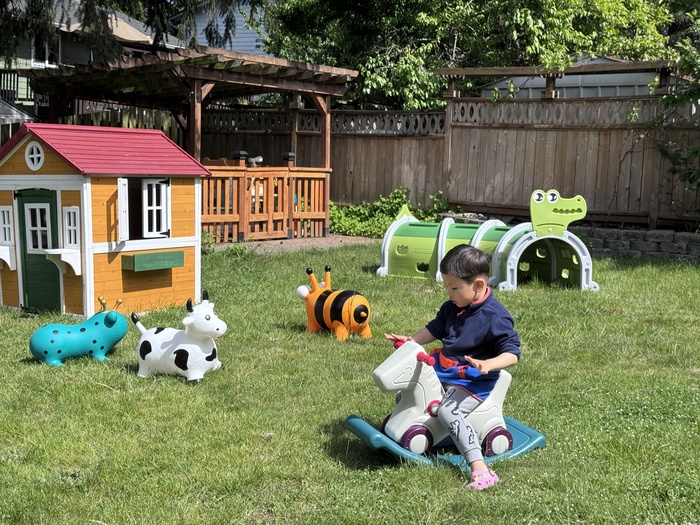
Child playing in outdoor playground at Kido Heaven - daycare Bothell with colorful animal toys and play structures.

Core Activities in Daycare

Daycare activities are designed to be both fun and purposeful, supporting social, cognitive, and physical growth. Below are the key activities that fill a child’s day, fostering skills like social-emotional development, learning, and confidence.

Play-Based Learning

Play is central to daycare, fostering creativity and problem-solving. Free play with toys or guided activities like building with blocks helps children develop cognitive skills. Pretend play, such as “playing store,” encourages imagination and social interaction. A 2018 study by the American Academy of Pediatrics highlights that play-based learning enhances executive function, critical for school readiness. For example, a toddler stacking blocks learns spatial reasoning, while a preschooler role-playing develops empathy.

Educational Activities

Daycare introduces early learning through engaging, age-appropriate tasks. Toddlers might sing songs to learn colors, while preschoolers practice counting during group games. Storytime builds literacy skills, and arts and crafts, like painting, enhance fine motor skills. These activities align with developmental milestones, such as language development for preschoolers, preparing them for kindergarten.

Physical Activities and Outdoor Play

Physical activity is vital for health and motor skill development. Children run, climb, or play games like “Simon Says” to build coordination. Outdoor play, such as exploring a playground or observing plants, supports gross motor skills and encourages curiosity. The CDC recommends at least 60 minutes of daily physical activity for young children, which quality daycares prioritize.

Social Interaction and Group Activities

Daycare fosters social skills through group activities like circle time, where children share stories or sing together. Cooperative games, such as “pass the ball,” teach teamwork and communication. These interactions help children develop empathy, conflict-resolution skills, and self-confidence, essential for social-emotional growth.

Rest and Nap Time

Rest is crucial for young children’s growth and emotional well-being. Infants have multiple naps, toddlers typically nap for 1–2 hours, and preschoolers may have quiet time. Daycares create calming environments with soft music or dim lights to support rest, ensuring children stay energized.

Happy children playing together at Kido Heaven - daycare near me in Bothell WA with fun early learning activities.

Meals and Nutrition in Daycare

Meals and snacks are integral to a child’s daycare day, providing energy and fostering healthy habits.

Typical Meal Schedules

Daycares typically offer breakfast, lunch, and one or two snacks throughout the day. Many accommodate dietary restrictions, such as allergies or cultural preferences, ensuring every child’s needs are met.

Nutritional Standards

Meals follow guidelines like those from the USDA’s Child and Adult Care Food Program, emphasizing balanced nutrition with fruits, vegetables, whole grains, and proteins. These meals support children’s energy needs for active play and learning.

Teaching Healthy Habits

Caregivers encourage habits like handwashing before meals and trying new foods. For instance, a child might be praised for tasting a new vegetable, fostering openness to healthy eating.

How Daycare Supports Child Development

Daily activities in daycare contribute to long-term growth, addressing key areas like social-emotional skills, cognitive development, and confidence.

Cognitive and Academic Growth

Activities like puzzles, storytime, and music enhance cognitive skills. A 2019 study from the National Institute of Child Health and Human Development found that quality daycare programs improve school readiness. For example, counting games during group activities build numeracy skills, while observing plants during outdoor play sparks scientific curiosity.

Social and Emotional Development

Interactions with peers and caregivers build emotional resilience. Sharing toys during playtime teaches conflict resolution, while group activities, like singing in circle time, foster teamwork, empathy, and self-confidence. These skills are critical for forming healthy relationships.

Physical and Motor Development

Physical activities, like climbing or dancing, improve coordination and health. Pediatric guidelines note that motor skill development in early childhood supports lifelong physical fitness, which daycare supports through active play. Variations by Age Group

Daycare activities are tailored to a child’s developmental stage, ensuring age-appropriate engagement.

Infants (0–12 Months)

Infants engage in sensory play, like touching soft toys or listening to music, and have frequent naps. Caregiver interactions, such as cuddling, support emotional bonding.

Toddlers (1–3 Years)

Toddlers explore through play, learning colors, shapes, or simple songs. They begin social interactions, like sharing, and enjoy active play to build motor skills.

Preschoolers (3–5 Years)

Preschoolers participate in pre-academic tasks, like letter recognition, and structured group activities. They develop independence through tasks like cleaning up toys.

The Role of Caregivers in Shaping the Day

Caregivers are the backbone of a daycare’s success, guiding activities and fostering a supportive environment.

Caregiver Qualifications

Many caregivers hold certifications in early childhood education, meeting NAEYC standards. Their training ensures they can support diverse developmental needs.

Interaction with Children

Caregivers model positive behavior, such as sharing, and provide emotional support. For example, they might encourage a shy child to join a group game, boosting confidence. At daycare Bothell in Kido Heaven, caregivers create a warm, inclusive space for every child.

Conclusion: Why Understanding Daycare Activities Matters

A typical day in daycare is a blend of play, learning, meals, and rest, all designed to nurture your child’s growth. From building social-emotional skills through group games to sparking curiosity with storytime, these activities create a foundation for lifelong learning. By understanding what your child does in daycare, you can feel confident that they’re in a safe, supportive environment. Visit Kido Heaven in Bothell and Mill Creek to see how we make every day special for your child, or explore our guide on choosing the right daycare for more insights.

FAQ

1. Is My Child Safe and Engaged?

Daycares prioritize safety with childproofed spaces and appropriate staff-to-child ratios (e.g., 1:4 for infants, per NAEYC). Engaging activities ensure children stay active and interested.

2. How Will My Child Adjust to Daycare?

Transitioning to daycare can be challenging. Caregivers ease this by offering comfort and consistency. Parents can help by visiting the daycare beforehand or sending a familiar toy.

3. How Do I Know If the Daycare Is Right?

Observe the environment, ask about caregiver qualifications, and check reviews. A quality daycare, like Kido Heaven, offers transparent communication and a welcoming atmosphere.


How Outdoor Mealtime Nurtures Kids at Kido Heaven Daycare in Bothell

At Kido Heaven Child Care in Bothell, Washington, we believe mealtime is a moment to nourish both body and soul. On bright, sunny days, our children gather at shaded tables in a lush, nature-filled outdoor space, savoring fresh snacks while listening to birdsong or feeling a gentle breeze. This daily ritual, inspired by Montessori philosophy, aligns with Washington’s Early Achievers Quality Standards and fosters skills that last a lifetime. Here’s why outdoor mealtime is a cornerstone of our daycare in Bothell.

☀️Why Outdoor Mealtime Matters for Young Children

Eating outdoors isn’t just a change of scenery—it’s a powerful way to support your child’s growth. Fresh air, natural light, and a peaceful setting create an ideal environment for learning and connection. At Kido Heaven, our outdoor mealtime routine is designed to spark curiosity, build independence, and encourage healthy habits. Here are the key benefits:

  1. Enhances Focus and Emotional Calm
    The quiet of an outdoor setting helps children focus on their meal, free from indoor distractions. Research shows that nature reduces stress and improves self-regulation, helping kids stay calm and engaged.
  2. Builds Independence and Confidence
    From carrying their own plates to cleaning up, children practice practical life skills during outdoor meals. These tasks, rooted in Montessori principles, boost self-esteem and prepare kids for kindergarten.
  3. Promotes Healthy Eating Habits
    Our snacks include fresh, colorful foods like apples, carrots, and cucumbers. The relaxed outdoor setting encourages kids to try new flavors without pressure, fostering a love for nutritious choices.
  4. Strengthens Social and Language Skills
    Mealtime conversations—whether about the taste of a fruit or a story from the day—build vocabulary and social bonds. Teachers ask open-ended questions like, “What do you see in the sky?” to spark expressive speech.
  5. Deepens Connection to Nature
    Eating outdoors helps kids notice the world around them—changing seasons, buzzing insects, or rustling leaves. This builds mindfulness and curiosity, key elements of Montessori’s nature-based approach.
  6. Supports Physical Health
    Exposure to sunlight boosts vitamin D, while fresh air supports respiratory health. Combining meals with outdoor play ensures kids stay active and energized.

🌿A Day in the Life: Outdoor Mealtime at Kido Heaven

Here’s a peek into a typical outdoor snack at our Bothell daycare:

  1. Preparation: Children wash hands indoors and carry their plates to child-sized tables under a large umbrella.
  2. Snack Time: Each child has a reusable water bottle and a plate of fresh snacks, like sliced bell peppers or bananas.
  3. Connection: The group eats calmly, chatting about their day or listening to nature’s sounds.
  4. Clean-Up: Kids help clear their plates, practicing responsibility.
  5. Transition: After snacks, children explore outdoor learning activities, like nature walks or storytelling.

This routine creates a rhythm that feels secure and joyful, helping children thrive.

Child eating healthy snacks during outdoor mealtime at Kido Heaven Daycare in Bothell

How Outdoor Mealtime Meets Early Achievers Standards

Washington’s Early Achievers program evaluates daycare quality in five key areas. Our outdoor mealtime routine excels in each:

AreaHow Kido Heaven Delivers
Learning EnvironmentSafe, shaded tables and nature-rich spaces designed for young children.
Child OutcomesGrowth in independence, focus, and healthy eating, tracked via Brightwheel updates.
CurriculumMealtime conversations and routines integrated into our Montessori-inspired curriculum.
Family EngagementShared menus, snack ideas, and daily photos via Brightwheel to keep parents connected.
Professional DevelopmentStaff trained in nutrition, food safety, and child-led mealtime practices.

We stay up-to-date with CACFP and Early Achievers nutrition standards.

🧺Montessori Principles in Every Bite

Our outdoor mealtime reflects core Montessori values:

  • Prepared Environment: Child-sized tools and a calm setting ensure success.
  • Freedom Within Limits: Kids decide how much to eat, practicing healthy choices.
  • Order and Routine: Predictable snack times build emotional security.
  • Respect for the Child: Teachers honor preferences and encourage exploration.

👪 Real Stories from Bottle Parents

Kid Haven parents see the impact of outdoor meals firsthand:
Mother of one child: “My daughter used to avoid vegetables, but after outdoor snacks at Kid Haven, she loves carrots and asks for them at home!”

Father of one: “I love seeing pictures of my son eating out. He’s more confident and excited to try new foods.”

We encourage families to try picnic-style snacks at home to maximize these benefits. Check out our parenting resources for tips!

🧠The Long-Term Impact of Outdoor Mealtime

Beyond immediate benefits, outdoor mealtime sets the stage for lifelong success:

  • School Readiness: Independence and self-regulation prepare kids for kindergarten.
  • Healthy Lifestyle: Early exposure to nutritious foods builds lasting habits.
  • Environmental Awareness: Connection to nature fosters curiosity and responsibility.

By making mealtime a meaningful experience, we help children grow into confident, curious learners.

Our Outdoor Space: Designed for Joy

Our Bothell daycare features a thoughtfully designed outdoor area:

  • Shaded tables under large umbrellas for comfort.
  • Soft grass and native plants to inspire exploration.
  • Safe, fenced play zones for post-meal activities.
  • Child-friendly tools, like reusable plates and water bottles.

These elements create a welcoming environment where kids feel free to learn and play. Check out our Gallery for photos!

📍 Why Families Choose Kido Heaven in Bothell

At Kido Heaven, we don’t just feed children—we help them build lifelong healthy habits. Our outdoor eating routines reflect our commitment to high-quality care, developmental growth, and Montessori-inspired values.

✅ Licensed in Washington State
✅ Aligned with Early Achievers standards
✅ Working Connections subsidy accepted
✅ Daily updates via Brightwheel
✅ Located in Bothell, serving Mill Creek, Lynnwood & nearby areas
✅ Nutritious snacks, safe outdoor space, & positive mealtime routines

📞 Call 206-734-2040 to schedule a tour
🌐 Enroll now

📲 Follow Our Mealtime Moments

Stay updated with more beautiful outdoor meals and daily learning routines on:

☀️ In Summary

Outdoor mealtime at Kido Heaven Child Care in Bothell is a simple yet transformative experience. By blending fresh snacks, nature, and Montessori principles, we help children build healthy habits, confidence, and a love for learning. Join our Bothell daycare to see how we make every meal a moment of growth!

FAQ

1. What are the benefits of outdoor mealtime for kids?

Outdoor mealtime boosts focus, independence, and healthy eating while connecting kids to nature in a calm, joyful setting.

2. What types of snacks do you serve?

We offer fresh fruits and vegetables like apples, cucumbers, and bell peppers, tailored to dietary needs and preferences.

3. Is the outdoor area safe for meals?

Absolutely! Our shaded, fenced spaces are clean, secure, and meet Washington’s safety standards.

4. How does outdoor mealtime support Montessori principles?

It fosters independence, respect, and a connection to nature, aligning with Montessori’s child-centered approach.

5. Can parents visit to see outdoor mealtime?

5. Can parents visit to see outdoor mealtime?

6. How do you keep parents updated?

We share daily photos, menus, and progress notes via Brightwheel to keep families connected.