


High-quality childcare gives parents the time, stability, and emotional relief they need while supporting their children’s early development. Families with infants, toddlers, and preschoolers benefit from structured routines, professional guidance, and access to early learning opportunities. By reducing daily stress and strengthening family balance, childcare becomes an essential resource for modern parents. In this article, we explore how childcare services improve parents’ wellbeing and overall family life.
Understanding the Role of Childcare for Modern Families
Childcare is no longer viewed as simply a service for supervising children while parents work. For today’s families—especially those with infants, toddlers, and preschoolers—childcare functions as a supportive, educational, and community-building system that provides stability at home and opportunities for growth. With more dual-income households, increased educational commitments, and evolving workplace demands, parents depend on reliable early childhood programs to balance personal, professional, and family responsibilities.
In Washington State, high-quality childcare centers are required to follow the WAC 110-300 Early Learning Program Rules, which ensure children’s health, safety, early learning, teacher qualifications, and parent engagement. This regulated framework offers parents confidence that their children are in environments that prioritize development and wellbeing.
Key Benefits of Childcare for Parents of Infants
Reliable Time Management for Working or Studying Parents
Parents of infants often struggle to manage work schedules, caregiving responsibilities, and personal time. Licensed childcare provides predictable hours and structured routines that allow parents to maintain employment, pursue higher education, or manage family commitments without interruptions. This stability reduces the pressure of constantly balancing newborn care with professional obligations.
Emotional Relief and Reduced Daily Stress
Caring for an infant can be emotionally demanding. High-quality childcare centers create a dependable support system, allowing parents to rest, focus, or manage essential tasks with peace of mind. Knowing their infant is supervised by trained and WAC-qualified caregivers helps parents feel more grounded and confident throughout their day.
Confidence in Regulated, Safe, WAC-Compliant Infant Care
WAC guidelines require infant caregivers to follow strict health, safety, feeding, supervision, and sleep protocols. These standards protect infants and assure parents that their child is in a nurturing, developmentally appropriate environment.
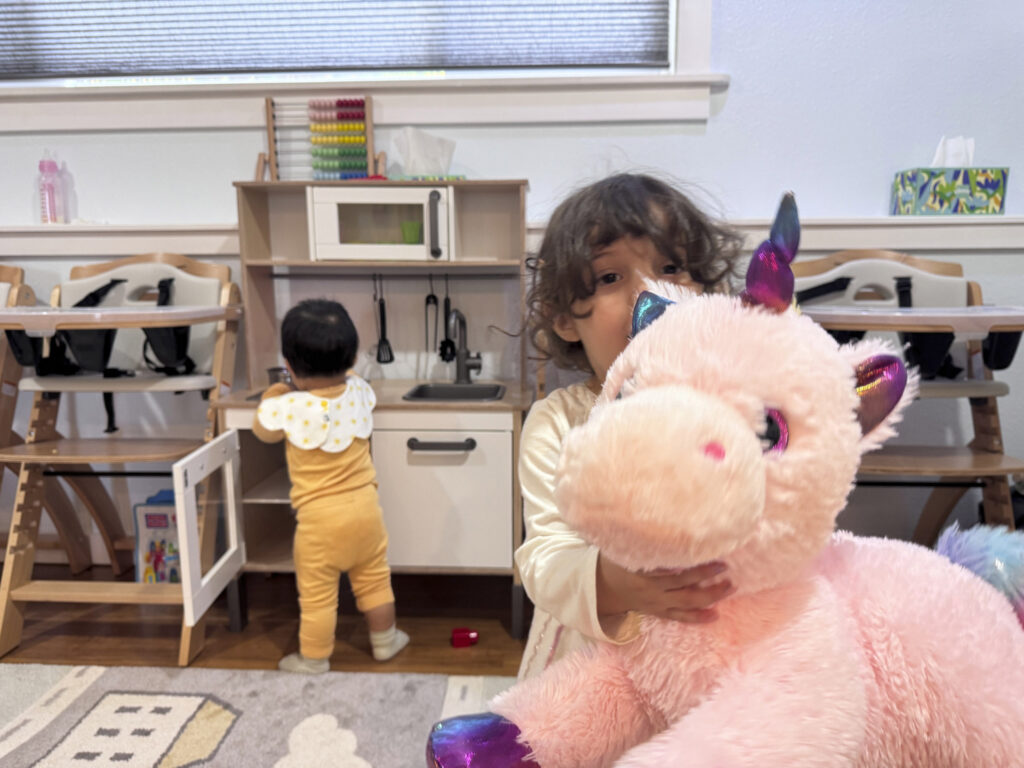
Advantages of Childcare for Parents of Toddlers
Improved Daily Routines and Predictability at Home
Toddlers thrive on routine, and parents benefit greatly from the structured schedules offered in early childhood programs. Consistent nap times, meal schedules, and activity blocks reduce evening fatigue, resulting in smoother transitions at home.
Support for Child Development
Childcare introduces toddlers to early socialization, cooperative play, language development, and sensory activities. This accelerates developmental milestones, helping parents feel reassured that their child is learning appropriately for their age.
Partnership Between Parents and Educators
WAC-compliant programs require regular communication with families. Educators document toddler milestones, challenges, and learning progress, supporting parents in understanding and responding to their child’s needs more effectively.
How Preschool Childcare Supports Parents
Better Preparation for Kindergarten
Preschool programs focus on early literacy, emotional regulation, STEM play, and social skills—core areas that help children confidently transition into kindergarten. Parents benefit from reduced anxiety and increased confidence knowing their child is ready for school expectations.
Building Social Bonds and Community Connections
Preschool classrooms create peer networks for both children and parents. Families share experiences, resources, and support, strengthening community bonds that extend beyond the childcare center.
Reducing Parental Burnout
Shared responsibility between educators and parents significantly reduces burnout. Parents no longer feel pressure to manage all learning and socialization alone.
Family Childcare vs. Center-Based Programs
Flexibility of Home-Based Settings
Family childcare homes often offer smaller groups and personalized attention. This can be ideal for parents seeking a cozy, home-like environment with flexible scheduling.
Resources of Licensed Centers
Larger childcare centers typically offer multiple classrooms, certified staff, specialized learning materials, and WAC-regulated safety practices. Parents who prefer structured educational settings often choose center-based programs.
Choosing Based on WAC Standards
Parents should review licensing, ratios, caregiver training, curriculum, safety procedures, and communication practices before enrollment.
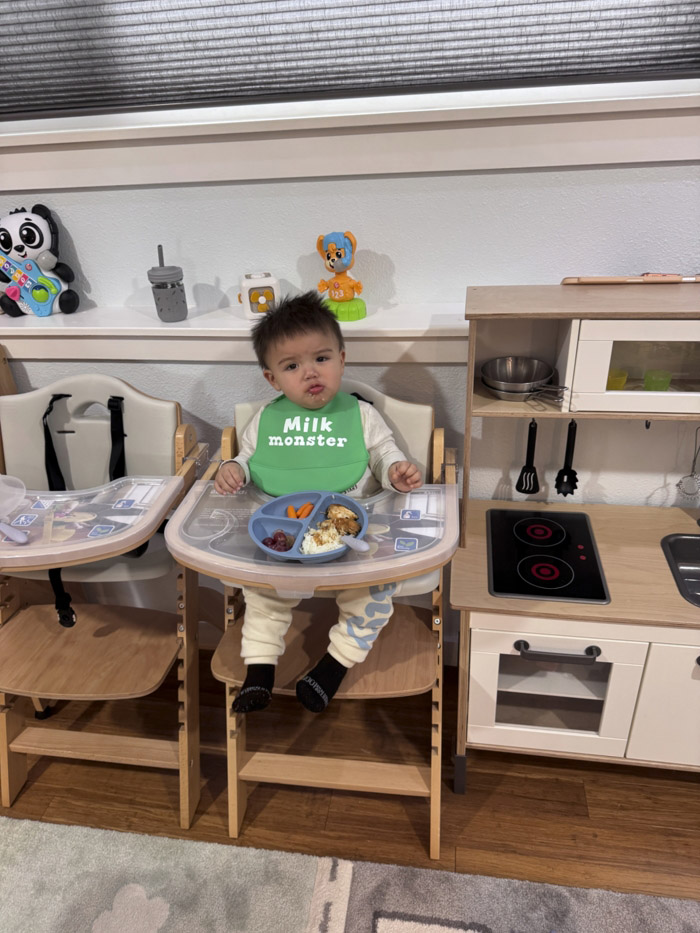
Holistic Parent Wellbeing Through Early Childhood Programs
Improved Work–Life Balance
With dependable childcare, parents can manage work obligations without sacrificing quality time with their children. This balance contributes to improved family harmony.
Better Family Relationships
Parents who receive adequate support experience less stress and frustration at home. This fosters a more positive parent-child relationship and a calmer household atmosphere.
Enhanced Mental Wellness
Childcare relieves the constant mental load of supervising young children, enabling parents to rest, exercise, study, or focus on personal growth.
How Quality Childcare Creates Stronger Communities
Parent-to-Parent Networking
Shared drop-offs, events, and parent meetings create opportunities for families to build friendships and support systems.
Access to Community Resources
Many centers provide workshops, parenting classes, and referrals to local early learning services, benefiting the entire household.
How to Evaluate a Childcare Center (WAC-Based Checklist)
Licensing & Safety Requirements
Ensure the program meets WAC 110-300 guidelines, follows emergency procedures, and maintains safe facilities.
Educator Qualifications
Teachers should have verified training in early childhood development, CPR/first aid certification, and annual continuing education.
Ratios & Supervision
Lower adult-child ratios ensure better supervision and individualized attention.
Daily Routine & Curriculum
Look for a developmentally appropriate, play-based curriculum aligned with Washington Early Learning Standards.
Communication Practices
Centers must maintain open communication, daily reports, and family engagement activities.
About Kido Heaven
At the end of the day, parents thrive when their children are cared for in safe, loving, and educational environments. Kido Heaven supports families by offering high-quality early childhood programs for infants, toddlers, and preschoolers.
For families looking for trusted services such as Daycare Bothell or child care Bothell, Kido Heaven provides licensed care aligned with Washington’s early learning standards and a strong commitment to parent wellbeing.
Why KidoHeaven Stands Out
✅ Licensed in Washington State
✅ Aligned with Early Achievers standards
✅ Working Connections subsidy accepted
✅ Daily updates via Brightwheel
✅ Located in Bothell, serving Mill Creek, Lynnwood & nearby areas
✅ Nutritious snacks, safe outdoor space, & positive mealtime routines
📞 Call 206-734-2040 to schedule a tour
🌐 Enroll now
Follow Our Mealtime Moments
Stay updated with more beautiful outdoor meals and daily learning routines on:
Instagram | Facebook | Nextdoor | Yelp | Winnie | YouTube | Upwards
FAQ
1. How does childcare reduce stress for parents?
By providing reliable routines and professional support, parents can focus on work or personal tasks without constant worry.
2. What age is best to start childcare?
Infants can begin at licensed centers from birth, while toddlers and preschoolers benefit from structured learning environments.
3. How does WAC protect my child?
WAC regulations ensure safety, training, supervision, nutrition, cleanliness, and high educational standards across Washington childcare programs.
4. Does childcare help with school readiness?
Yes. Early learning programs build essential cognitive, social, emotional, and literacy skills needed for kindergarten.
5. Is family childcare as effective as center-based programs?
Each has benefits. Family childcare offers intimacy and flexibility, while centers provide resources and structured learning.


