

Patience is not something young children learn through instruction alone—it develops naturally through everyday experiences. In high-quality childcare environments, children encounter real-life situations that require waiting, sharing, and adapting to others. These moments create the foundation for patience without the need for forced teaching or external rewards.
In group care settings, patients grow through routines, peer interactions, and guided support. Rather than being told to “wait,” children experience waiting as part of daily life. This organic process leads to stronger emotional regulation, improved social skills, and long-term resilience.
Understanding Patience in Early Childhood
What Patience Looks Like in Young Children
Patience in early childhood is not about sitting still for long periods. Instead, it includes:
- Waiting for a turn
- Delaying immediate desires
- Managing frustration
- Accepting shared outcomes
These behaviors develop gradually and are closely tied to brain development, particularly in areas responsible for impulse control.
Why Direct Teaching Is Less Effective
Telling children to “be patient” rarely works because:
- Young children think in the present moment
- Abstract concepts are difficult to grasp
- Emotional regulation skills are still developing
Instead, children learn best through experience, repetition, and observation.
Why Group Care Naturally Builds Patience
Real-Life Waiting Situations
Group care environments naturally create situations where children must wait:
- Waiting for meals
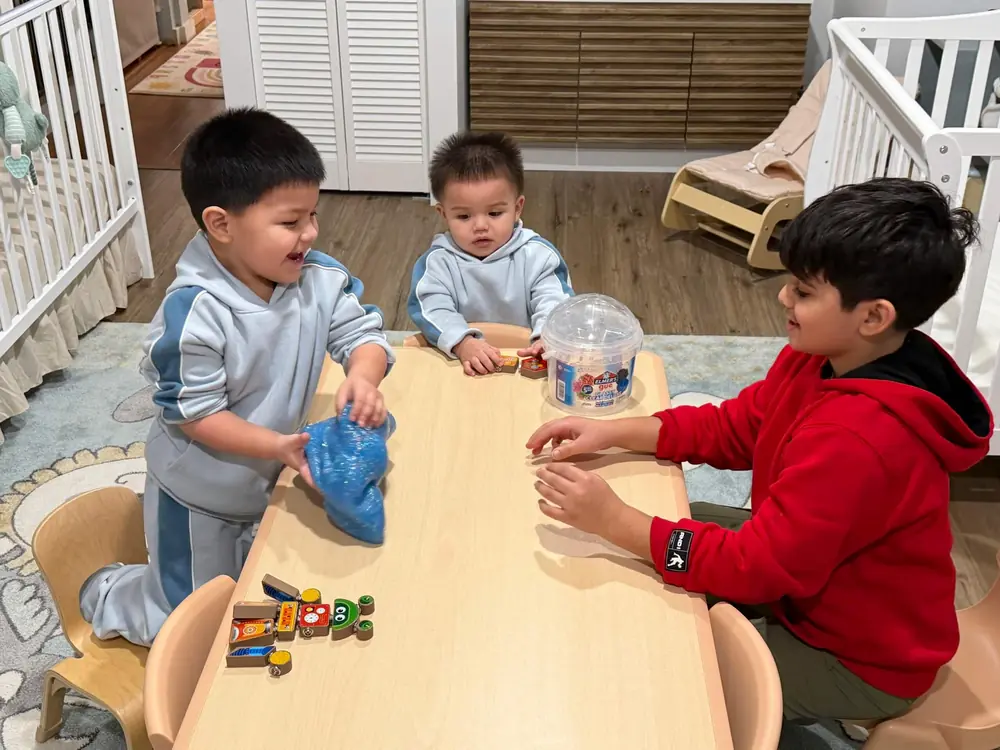
- Taking turns with toys
- Participating in group activities
- Transitioning between routines
These everyday moments provide consistent opportunities to practice patience.
Social Learning Through Observation
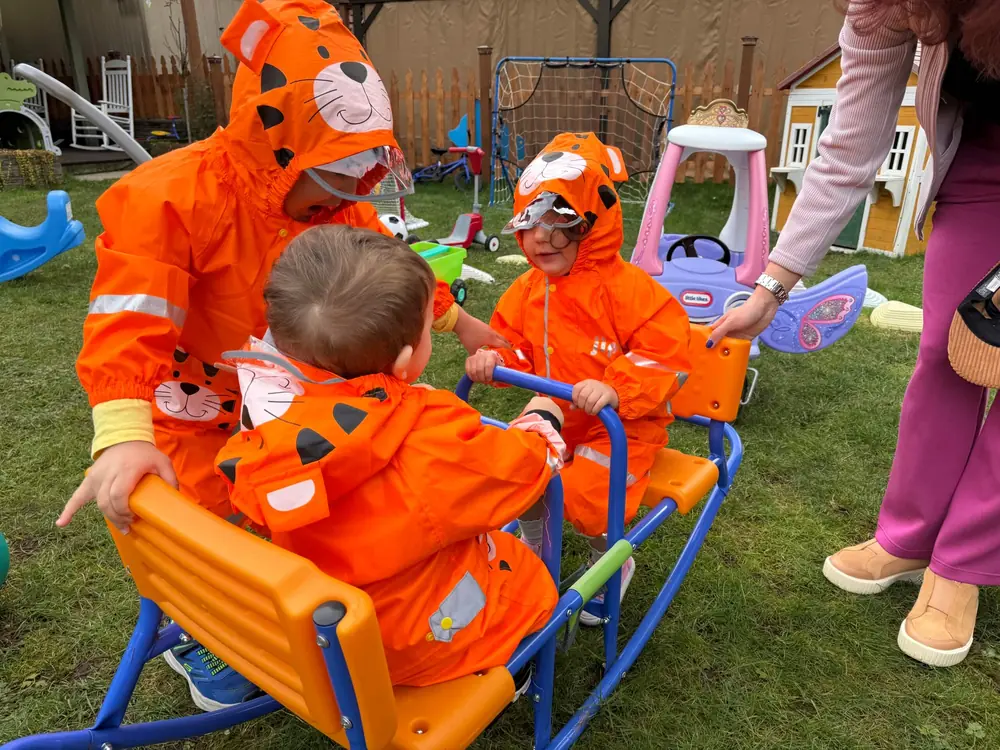
Children observe peers navigating similar challenges. When they see others waiting, sharing, or coping calmly, they begin to imitate those behaviors.
This peer-based learning is more powerful than direct instruction because it feels natural and relatable.
The Role of Daily Routines in Waiting Skills
Predictability Reduces Frustration
Consistent routines help children understand:
- What happens next
- When will they get a turn
- How long do they need to wait
Predictability reduces anxiety, making waiting easier and more manageable.
Structured Transitions Build Tolerance
Transitions between activities—such as cleaning up before lunch—teach children to pause and adjust. Over time, these small delays strengthen their ability to handle waiting without distress.
Learning Patience Through Peer Interactions
Turn-Taking as a Core Skill
In group settings, children frequently encounter situations where they must:
- Share materials
- Wait for access
- Cooperate with others
Turn-taking becomes a natural part of play, reinforcing patience through repetition.
Conflict Resolution and Delayed Gratification
When conflicts arise, children learn that:
- They cannot always have immediate control
- Solutions take time
- Others’ needs matter
These experiences build emotional flexibility and patience.
Shared Waiting vs. Forced Waiting
What Is Shared Waiting?
Shared waiting occurs when all children experience waiting together, such as:
- Sitting for group storytime
- Waiting in line for outdoor play
- Participating in snack routines
This creates a sense of fairness and community.
Why Forced Waiting Can Backfire
Forced waiting—where a child is made to wait without context—can lead to:
- Frustration
- Anxiety
- Resistance
In contrast, shared waiting feels purposeful and easier to accept.
Emotional Development and Self-Regulation
The Connection Between Patience and Emotions
Patience is closely linked to self-regulation. Children must learn to:
- Recognize their emotions
- Manage impulses
- Cope with delays
These skills develop gradually through repeated experiences.
Building Internal Control
Over time, children move from external guidance to internal control. Instead of needing reminders, they begin to:
- Wait independently
- Anticipate outcomes
- Stay calm during delays
The Role of Caregivers in Supporting Patience
Modeling Calm Behavior
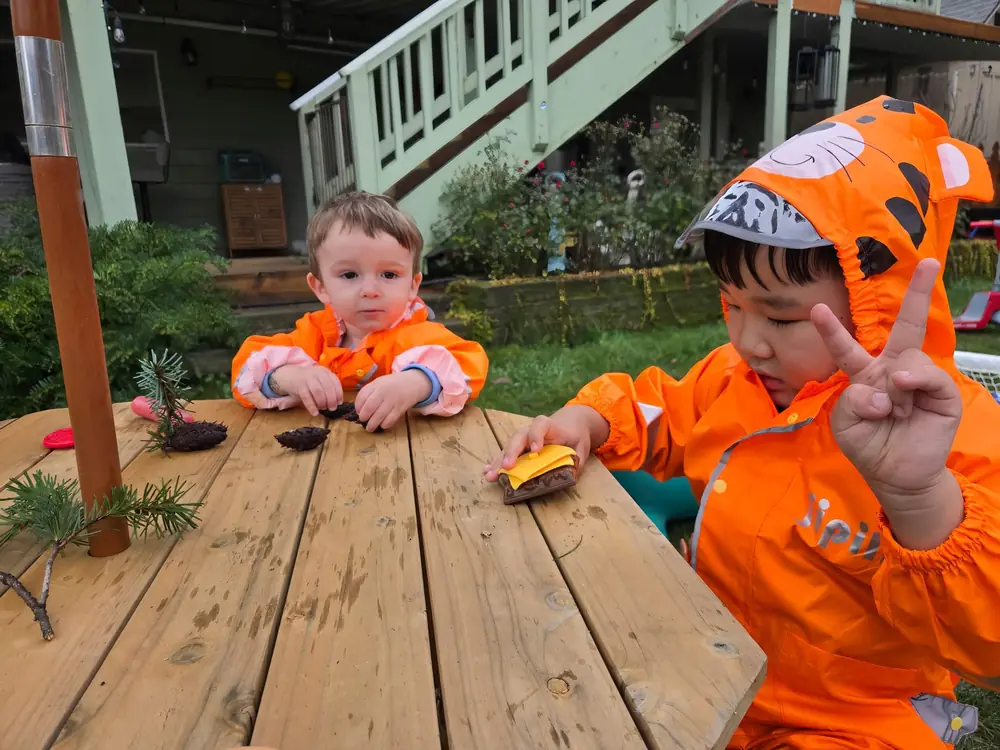
Caregivers play a key role by demonstrating patience in their own actions. Children learn by observing how adults:
- Handle delays
- Respond to challenges
- Communicate calmly
Providing Gentle Guidance
Rather than enforcing patience, caregivers:
- Acknowledge feelings
- Offer reassurance
- Provide clear expectations
This supportive approach aligns with best practices in early childhood education.
Environmental Design and Its Impact
Organized Spaces Reduce Waiting Stress
Well-designed classrooms:
- Minimize overcrowding
- Provide multiple activity options
- Reduce competition for resources
This helps children experience waiting in a manageable way.
Materials That Encourage Turn-Taking
Using shared materials encourages cooperation and naturally introduces waiting opportunities without creating frustration.
Compliance with Washington State WAC Standards
High-quality childcare programs operating under Washington Administrative Code (WAC) guidelines emphasize:
- Developmentally appropriate practices
- Emotional and social growth
- Safe and structured environments
These standards support patience development by requiring:
- Consistent routines
- Adequate supervision
- Positive behavior guidance strategies
Rather than enforcing strict discipline, WAC-aligned programs focus on supportive learning environments, where patience develops naturally through interaction and structure.
Long-Term Benefits of Learning Patience Early
Academic Readiness
Children who develop patience early are better able to:
- Focus on tasks
- Follow instructions
- Complete activities
Social Success
Patience supports:
- Cooperation
- Empathy
- Healthy relationships
Emotional Resilience
Children become more capable of:
- Handling frustration
- Adapting to change
- Managing stress
These skills extend far beyond early childhood into adulthood.
Conclusion
Patience is not built through instruction—it develops through experience. In group care settings, children encounter daily opportunities to wait, share, and adapt. These real-life situations create a strong foundation for emotional regulation and social success.
By focusing on structured environments, supportive caregiving, and meaningful interactions, childcare programs help children develop patience naturally and effectively.
At Kido Heaven Early Learning Center, we believe that children learn best through real experiences. Our approach creates a nurturing environment where patience, independence, and confidence grow naturally—preparing children for lifelong success. If you are looking for a trusted Daycare Bothell or high-quality Child Care Bothell, our program is designed to support your child’s growth in a safe, engaging, and developmentally appropriate setting.
Why KidoHeaven Stands Out
✅ Licensed in Washington State
✅ Aligned with Early Achievers standards
✅ Working Connections subsidy accepted
✅ Daily updates via Brightwheel
✅ Located in Bothell, serving Mill Creek, Lynnwood & nearby areas
✅ Nutritious snacks, safe outdoor space, & positive mealtime routines
📞 Call 206-734-2040 to schedule a tour
🌐 Enroll now
Follow Our Mealtime Moments
Stay updated with more beautiful outdoor meals and daily learning routines on:
Instagram | Facebook | Nextdoor | Yelp | Winnie | YouTube | Upwards
FAQ
At what age do children start learning patience?
Children begin developing patience in infancy, but it becomes more noticeable during toddler and preschool years through social interactions.
Can patience be taught directly?
Patience is best learned through experience rather than direct instruction. Real-life situations are more effective than verbal commands.
Why is group care better for learning patience?
Group care provides natural opportunities for waiting, sharing, and cooperation that are difficult to replicate in one-on-one environments.
How can parents support patience at home?
Parents can:
Create predictable routines
Encourage turn-taking
Allow small waiting moments
What if a child struggles with waiting?
Struggling is normal. With consistent support, structure, and time, children gradually improve their ability to wait.
Visit Kido Heaven Child Care
A licensed home daycare for infants to pre-K, serving Bothell and Mill Creek. Call or text (206) 734-2040 or book a tour.
Book a Tour