

Independence is one of the most important developmental goals in early childhood—but it does not happen by accident. It is carefully built through everyday experiences, guided interactions, and structured environments. One of the most effective tools used in high-quality childcare settings is choice-making.
When children are given meaningful opportunities to make decisions, they begin to understand their role in the world. They learn responsibility, build confidence, and develop autonomy. However, not all choices lead to independence. Without proper structure, too many options can overwhelm children and create confusion rather than growth.
In well-designed programs such as Daycare Bothell and Child Care Bothell, educators use intentional choice-making strategies to support children’s development while maintaining safety, consistency, and emotional balance.
This article explores how structured choice-making supports real independence, prevents decision fatigue, and aligns with best practices in professional childcare environments.
What Is Choice-Making in Early Childhood?
Choice-making in early childhood refers to offering children limited, meaningful options within a structured and supportive environment. These choices are carefully designed to match a child’s developmental stage and abilities.
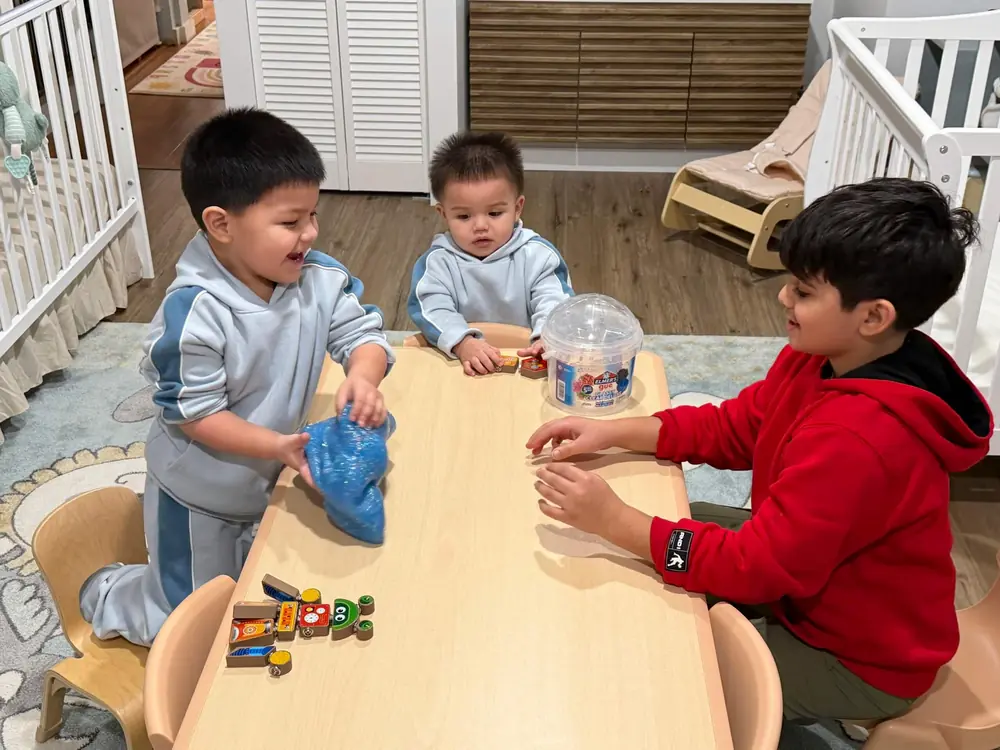
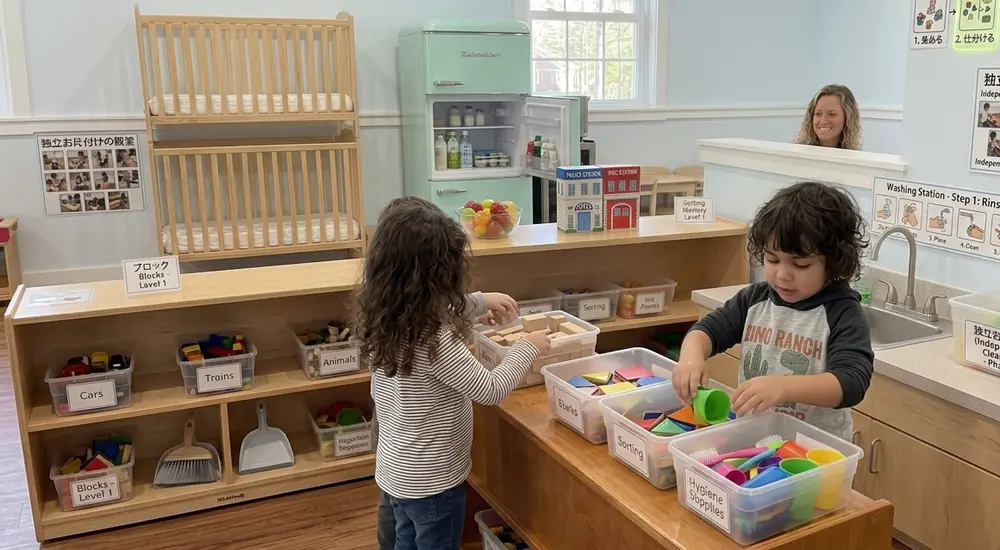
Rather than allowing unlimited freedom, educators provide controlled options that encourage decision-making without overwhelming the child. For example, a child may choose between drawing and building blocks, rather than having access to an entire room of unstructured activities.
Types of Choices in Daycare
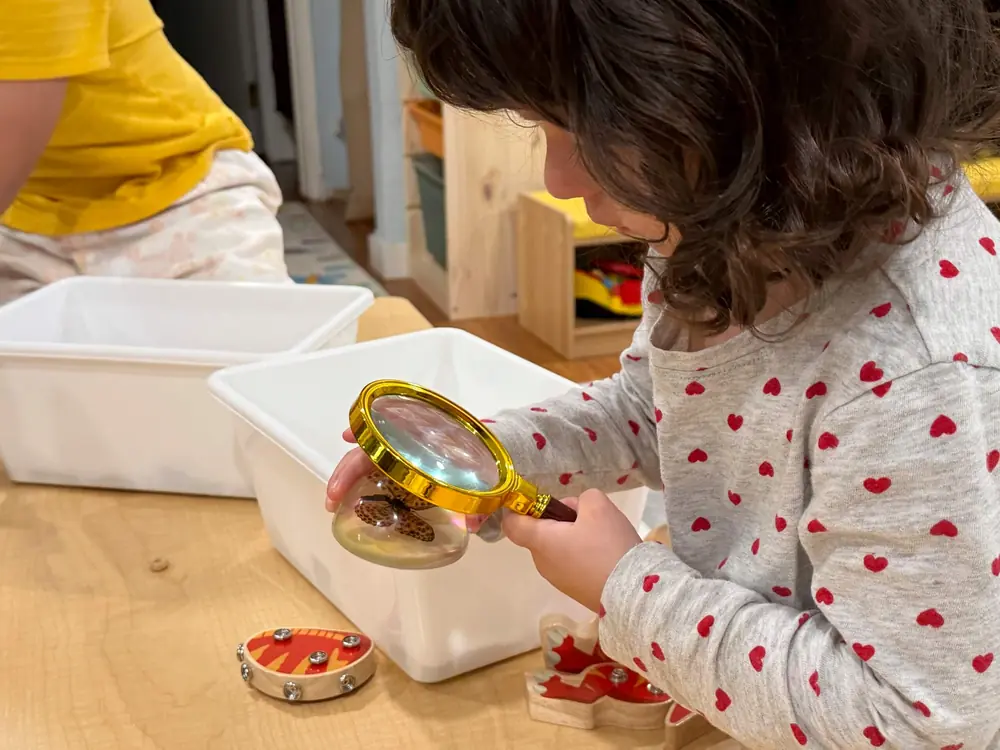
- Activity choices (art, reading, building)
- Social choices (group play or independent play)
- Routine choices (which book to read, where to sit)
These small decisions create the foundation for larger life skills.
Why Choice-Making Builds Real Independence
Choice-making is directly linked to the development of independence because it gives children a sense of control and ownership over their actions.
When children make decisions, they begin to understand cause and effect. They learn that their choices lead to outcomes, which strengthens responsibility and accountability over time.
Building Internal Motivation
Children who are allowed to choose are more likely to:
- Stay engaged longer
- Show curiosity
- Develop intrinsic motivation
This is critical because true independence comes from within—not from external rewards or pressure.
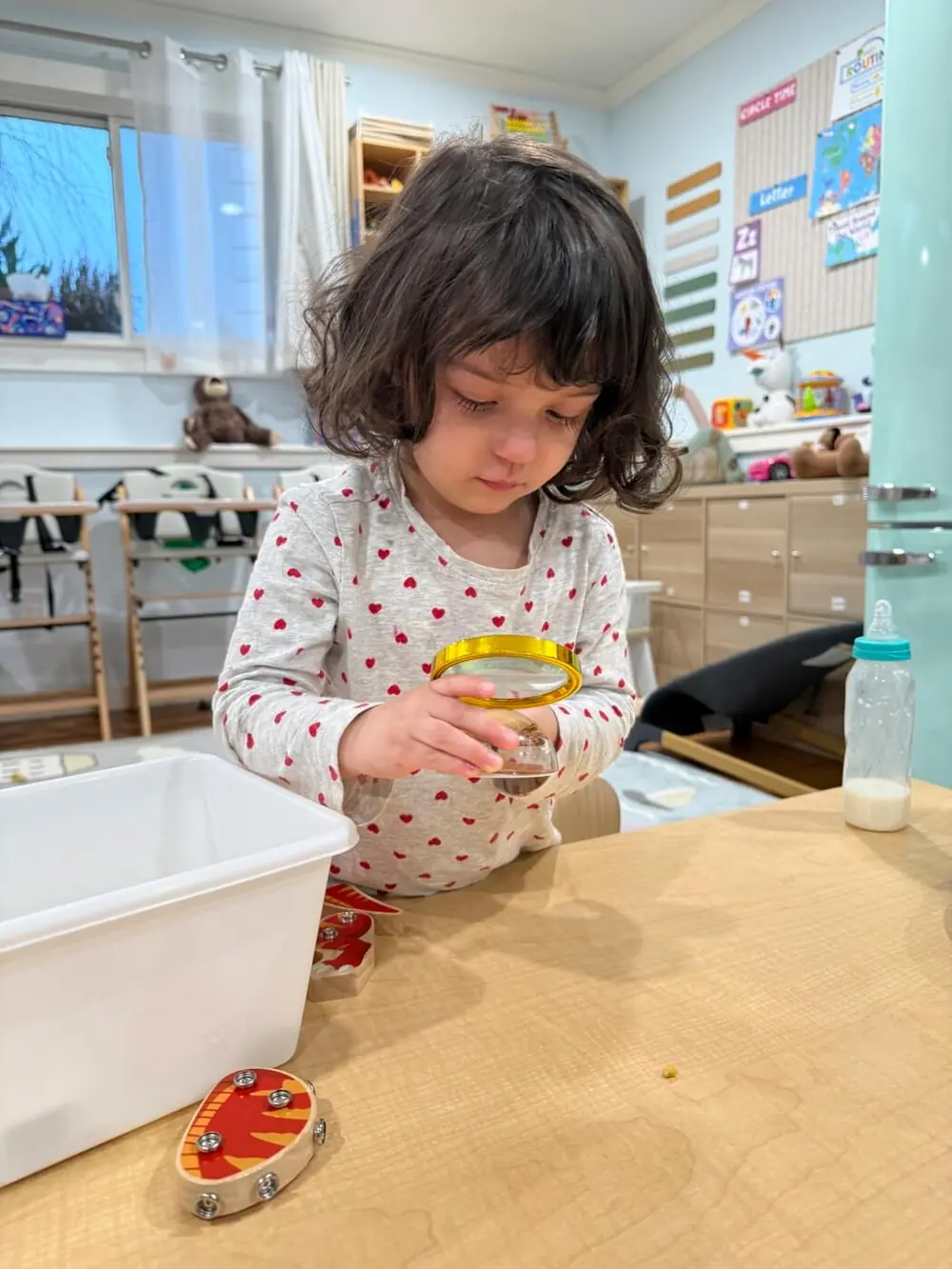
Real vs. Apparent Independence in Children
Not all independence is genuine. Some environments create the illusion of independence without actually supporting development.
Apparent Independence
- Too many choices
- Lack of guidance
- The child feels overwhelmed
Real Independence
- Limited, structured options
- Adult support and guidance
- Clear expectations
Real independence is built through guided autonomy, not complete freedom.
Understanding Autonomy in Daycare Settings
Autonomy is the ability to make decisions, act independently, and regulate behavior. In early childhood, this skill develops gradually and requires support from caregivers.
High-quality childcare environments foster autonomy by:
- Providing predictable routines
- Encouraging exploration
- Setting clear boundaries
Children feel safe when they understand expectations, which allows them to confidently make decisions.
Decision Fatigue in Young Children
Decision fatigue occurs when children are presented with too many options. Unlike adults, young children have a limited cognitive capacity to process multiple choices.
Signs of Decision Fatigue
- Refusal to choose
- Frequent frustration
- Switching activities constantly
How to Prevent It
- Offer only 2–3 choices
- Use visual aids
- Keep routines consistent
Reducing options actually increases confidence and success.
Age-Appropriate Choice-Making Strategies
Choice-making must be adapted to each developmental stage.
Infants (0–12 Months)
At this stage, choices are sensory-based and guided by caregivers. For example, offering different textures or sounds supports early exploration.
Toddlers (1–3 Years)
Toddlers benefit from simple, binary choices such as:
- “Do you want milk or water?”
- “Blocks or puzzles?”
Preschoolers (3–5 Years)
Preschoolers can handle more complex decisions, including:
- Choosing activities
- Participating in group planning
- Solving simple problems
Structuring Choices in a Safe Daycare Environment
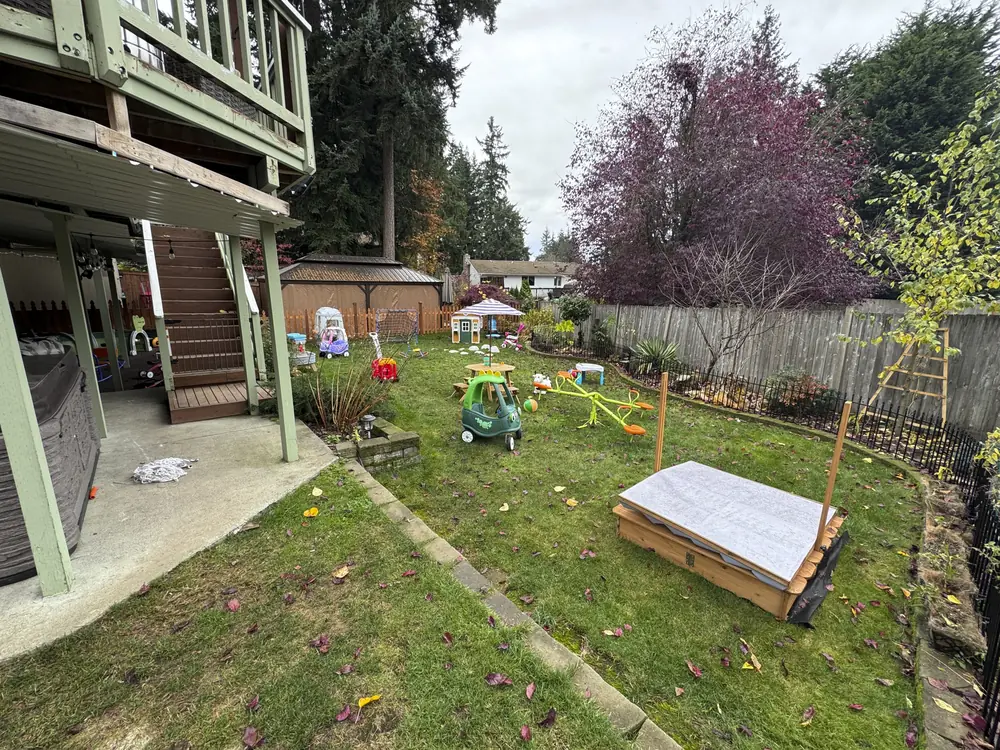
Choice-making must always align with safety and supervision standards. In regulated childcare environments, all options provided to children must be safe, appropriate, and supervised.
Educators structure the environment so that:
- All materials are safe
- Choices are developmentally appropriate
- Risks are minimized
This ensures that independence is built within a secure framework.
The Role of Educators in Guided Choices
Educators play a critical role in supporting children’s decision-making.
Scaffolding Techniques
- Narrowing options
- Modeling decision-making
- Offering gentle guidance
Supportive Language
- “You can choose this or that.”
- “Which one would you like?”
This approach empowers children while maintaining structure.
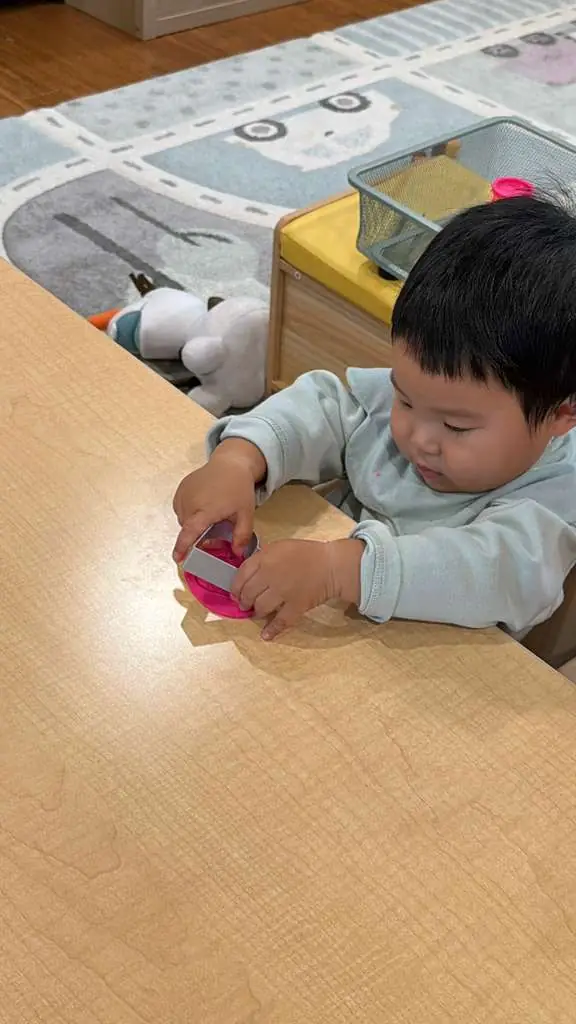
Social and Emotional Benefits of Choice-Making
Choice-making contributes significantly to emotional and social development.
Confidence Building
Children feel capable when their choices are respected.
Emotional Regulation
Making decisions helps children:
- Manage frustration
- Develop patience
- Improve self-control
Social Skills Development
Children learn:
- Cooperation
- Respect for others
- Turn-taking
Common Mistakes to Avoid
Even well-intentioned caregivers can misuse choice-making.
Offering Too Many Choices
This leads to confusion and stress.
Giving False Choices
Example:
- “Do you want to clean up?” (when it’s mandatory)
Inconsistency
Children need predictable patterns to feel secure.
Alignment with Washington State (WAC) Standards
Choice-making practices must align with childcare regulations and best practices.
Developmentally Appropriate Practice
Choices should match:
- Age
- Ability
- Emotional readiness
Safety and Supervision
All activities must:
- Be supervised
- Use safe materials
- Maintain structured environments
H3: Positive Behavior Support
Choice-making reduces power struggles and encourages cooperation.
Practical Examples of Choice-Based Learning
Activity Centers
Children choose between:
- Art station
- Reading corner
- Building blocks
Snack Choices
- Apple or banana
- Milk or water
Participation Choices
- Join a group activity
- Observe quietly
These daily choices build long-term independence.
Conclusion
Choice-making is a powerful tool for building real independence in early childhood. When implemented thoughtfully, it helps children develop autonomy, confidence, and emotional resilience without feeling overwhelmed.
The key is balance—offering enough choice to empower children, but not so much that it creates stress. Structured environments, guided support, and consistent routines allow children to develop independence naturally and safely.
At Kido Heaven, we believe that independence begins with meaningful choices. Our approach to early learning focuses on creating structured opportunities for children to explore, decide, and grow—helping them build confidence and autonomy that lasts a lifetime.
Why KidoHeaven Stands Out
✅ Licensed in Washington State
✅ Aligned with Early Achievers standards
✅ Working Connections subsidy accepted
✅ Daily updates via Brightwheel
✅ Located in Bothell, serving Mill Creek, Lynnwood & nearby areas
✅ Nutritious snacks, safe outdoor space, & positive mealtime routines
📞 Call 206-734-2040 to schedule a tour
🌐 Enroll now
Follow Our Mealtime Moments
Stay updated with more beautiful outdoor meals and daily learning routines on:
Instagram | Facebook | Nextdoor | Yelp | Winnie | YouTube | Upwards
FAQ
1. How many choices should children have?
2–3 options are ideal to avoid overwhelm and support decision-making.
2. Can too many choices harm development?
Yes, it can lead to stress, indecision, and behavioral challenges.
3. When should choice-making start?
From infancy, with simple, guided options.
4. Does choice-making improve behavior?
Yes, it reduces resistance by giving children a sense of control.
5. Is it important for school readiness?
Absolutely. It builds responsibility, confidence, and decision-making skills.
Visit Kido Heaven Child Care
A licensed home daycare for infants to pre-K, serving Bothell and Mill Creek. Call or text (206) 734-2040 or book a tour.
Book a Tour