
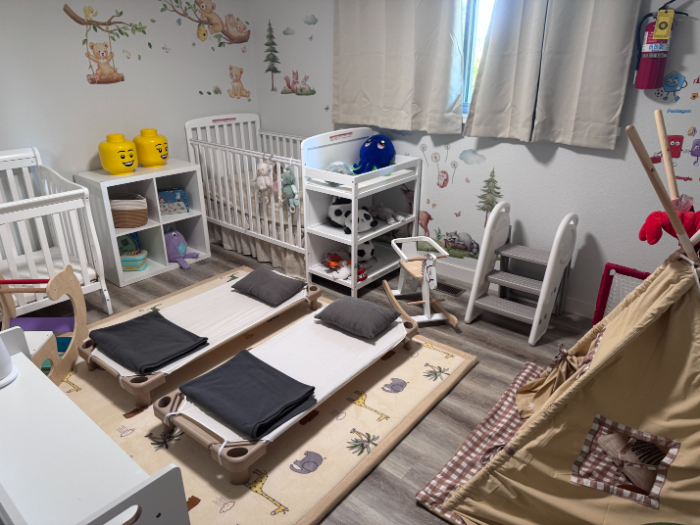


Some classrooms naturally feel calm, organized, and easy for children to enjoy. Others may feel noisy, crowded, or difficult to navigate — even when the same activities are taking place. The difference is often not the children or the teacher, but the classroom layout itself. In early childhood education, the way furniture, learning centers, pathways, and activity spaces are arranged can strongly influence children’s behavior, focus, confidence, and participation throughout the day. A thoughtfully designed classroom helps children move more independently, interact more positively, and feel more comfortable while learning and exploring.
Why Classroom Layout Matters
Have you ever noticed how some classrooms feel calm, organized, and easy for children to enjoy, while others feel crowded and stressful?
The way a classroom is arranged can strongly influence how children behave, move, interact, and participate throughout the day. In early childhood education, classroom layout is not only about appearance. It directly affects children’s daily learning experiences.
When children understand where activities happen and how the room is organized, they often feel more confident and secure. Simple changes in classroom flow can improve participation, independence, and classroom behavior.
For toddlers and preschoolers, the environment becomes part of the learning process itself.
How Physical Space Shapes Children’s Behavior
Young children constantly respond to the space around them. A crowded or confusing classroom can make transitions harder and increase frustration during activities.
On the other hand, organized learning spaces help children understand expectations more clearly.
For example:
- Open pathways help children move safely
- Defined activity areas reduce confusion
- Organized shelves encourage independence
- Group spaces support social interaction
Children often behave more calmly when the classroom feels predictable and easy to navigate.
In many early childhood settings, the physical setup of the room quietly guides behavior without teachers needing to constantly give reminders.
Why Classroom Flow Is Important
Classroom flow refers to how easily children can move through the learning environment.
When movement feels natural, children are more likely to stay engaged during activities. But when furniture blocks pathways or activity areas feel overcrowded, transitions can quickly become stressful.
Good classroom flow usually includes:
- Clear walking paths
- Easy access to learning materials
- Separate activity zones
- Comfortable movement space
- Organized furniture placement
For example, children can move more calmly from circle time to art activities when pathways are open, and materials are easy to reach.
Small layout changes can make the classroom feel smoother and less chaotic throughout the day.
Learning Centers and Classroom Engagement
Learning centers help children explore activities independently while keeping the classroom organized.
Instead of having all materials in one area, classrooms are divided into smaller activity zones with clear purposes.
Common learning centers may include:
Reading Corner
A quiet reading space encourages language development and calm, independent activity.
Art Area
Creative stations allow children to paint, draw, and explore materials without interrupting other activities.
Sensory Play Zone
Sensory tables and hands-on activities support exploration and problem-solving.
Dramatic Play Area
Pretend play spaces help children practice communication and social skills.
Children often stay engaged longer when activity areas are organized and easy to understand.
How Seating Arrangements Affect Interaction
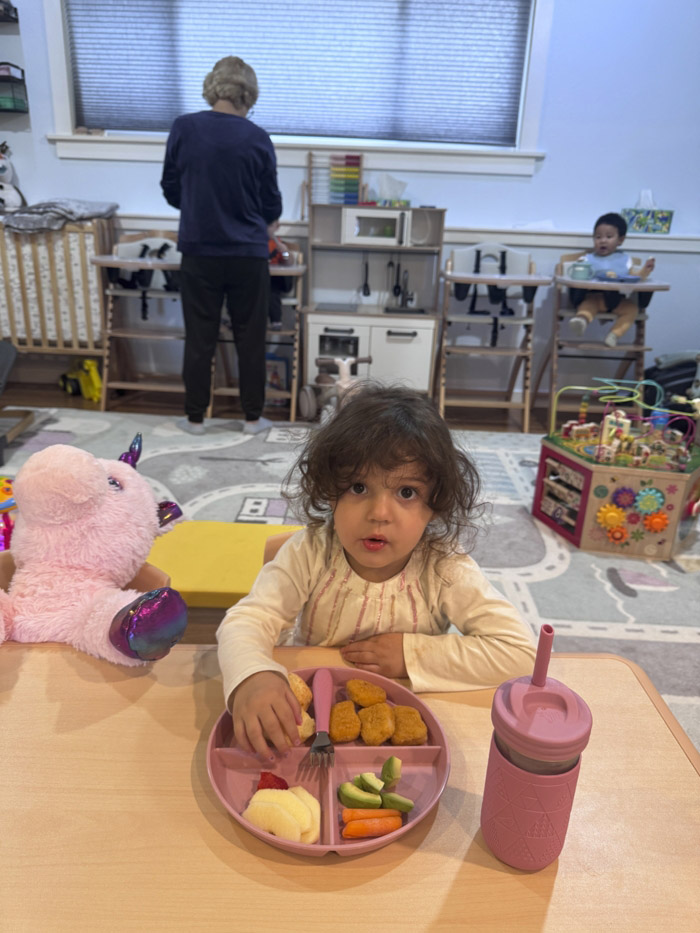
Seating arrangements influence how children communicate and participate during learning activities.
Small group tables often encourage conversation and teamwork. Circle seating supports group discussions and helps children feel included.
Some children may also focus better with quieter individual workspaces during certain activities.
Flexible seating arrangements can help teachers adapt the classroom based on:
- Group activities
- Quiet learning time
- Collaborative projects
- Independent work
The goal is not to create a perfect-looking classroom, but a space that supports healthy interaction and participation.
Open Spaces and Independent Movement
Young children learn through movement. They need enough space to explore the classroom safely and confidently.
Open areas help children:
- Move independently
- Access materials easily
- Transition more smoothly
- Avoid unnecessary conflicts
- Feel more comfortable in the environment
In toddler classrooms, especially, movement is a major part of development. Crowded layouts can sometimes lead to frustration, accidents, or interruptions during play.
Simple open pathways make daily routines feel easier for both children and teachers.
Quiet Areas for Emotional Regulation
Even active classrooms benefit from having calm spaces where children can relax and reset emotionally.
Quiet areas may include:
- Soft seating corners
- Reading nooks
- Calm-down spaces
- Individual quiet activities
These areas support emotional regulation and help children manage frustration, tiredness, or overstimulation during busy days.
For many children, having a quiet space nearby can improve emotional comfort and classroom participation.
These areas are especially helpful during transitions or after highly active activities.
Flexible Classrooms for Different Activities
Early childhood classrooms change throughout the day. Children may move between learning time, meals, play, movement activities, and quiet reading.
Flexible classroom layouts help teachers adapt the environment more easily.
Examples of flexible classroom design include:
- Movable tables
- Multi-purpose activity areas
- Open group spaces
- Portable learning materials
Flexible spaces help classrooms feel organized without becoming too rigid.
This also allows educators to support different learning styles and activity needs throughout the day.
Classroom Layout for Toddlers and Preschoolers
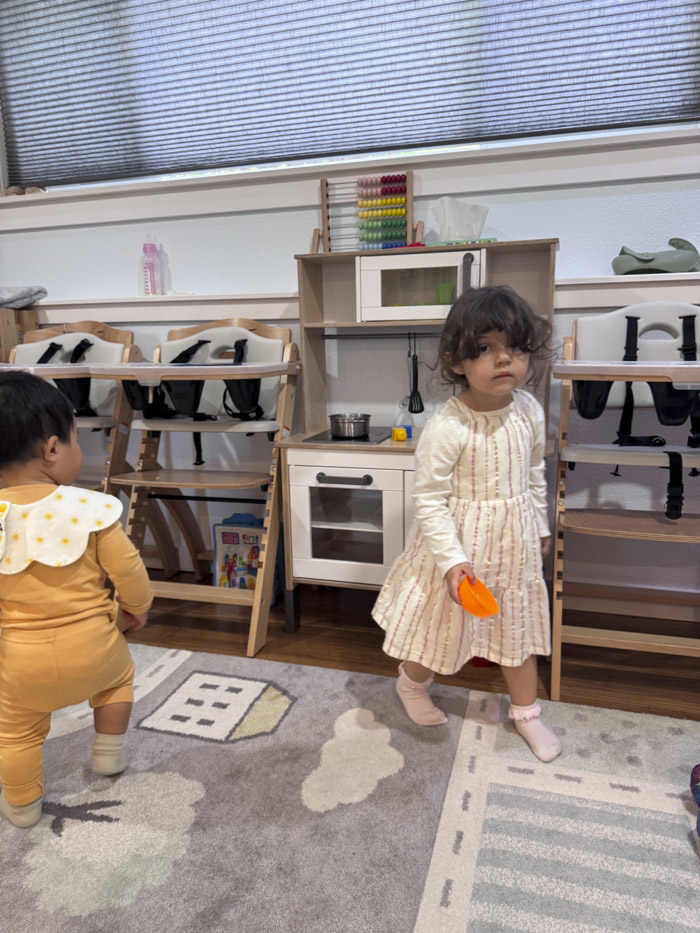
Toddlers and preschoolers have different developmental needs, so classroom organization should reflect their age and abilities.
Toddler Classrooms
Toddler environments often include:
- Large movement spaces
- Low shelves for independence
- Soft play areas
- Simple activity zones
Toddlers need safe spaces for exploration and movement-based learning.
Preschool Classrooms
Preschool classrooms usually include:
- Structured learning centers
- Reading areas
- Art stations
- Group activity tables
- Independent learning spaces
As children grow, classroom layouts can support more collaborative and structured activities.
Safety and Washington State Child Care Standards
In Washington State, licensed child care environments are expected to support children’s safety, supervision, and developmental needs.
Organized classroom layouts help providers maintain:
- Safe movement pathways
- Clear exits
- Effective supervision
- Developmentally appropriate learning spaces
Classroom organization also supports smoother routines and safer daily transitions.
Families searching for quality programs such as Daycare Bothell or child care Bothell often look for learning environments that feel safe, welcoming, and easy for children to navigate.
Tips Parents Can Use at Home
Parents can also use classroom layout ideas to support children at home.
Create Defined Spaces
Separate areas for reading, play, meals, and quiet time help children understand routines.
Keep Toys Organized
Accessible storage encourages independence and easier cleanup.
Support Easy Movement
Open pathways help children move comfortably without frustration.
Create a Calm Corner
A quiet area at home can support emotional regulation during stressful moments.
Even small changes in home organization can positively influence children’s behavior and focus.
Conclusion
Classroom layout plays a major role in how children behave, interact, and participate during early learning experiences.
Organized learning spaces help children move confidently, engage more comfortably, and transition more smoothly throughout the day. Clear pathways, defined learning centers, flexible activity spaces, and supportive quiet areas all contribute to a healthier classroom experience.
For toddlers and preschoolers, the environment itself becomes part of the learning process.
At Kido Heaven Childcare, classroom environments are thoughtfully designed to support children’s safety, independence, engagement, and emotional well-being through organized daily routines and child-focused learning spaces.
Why KidoHeaven Stands Out
✅ Licensed in Washington State
✅ Aligned with Early Achievers standards
✅ Working Connections subsidy accepted
✅ Daily updates via Brightwheel
✅ Located in Bothell, serving Mill Creek, Lynnwood & nearby areas
✅ Nutritious snacks, safe outdoor space, & positive mealtime routines
📞 Call 206-734-2040 to schedule a tour
🌐 Enroll now
Follow Our Mealtime Moments
Stay updated with more beautiful outdoor meals and daily learning routines on:
Instagram | Facebook | Nextdoor | Yelp | Winnie | YouTube | Upwards
FAQ
1. Why is classroom layout important in early childhood education?
Classroom layout affects how children move, interact, focus, and participate during daily learning activities. Organized spaces support smoother routines and better engagement.
2. How does classroom flow influence children’s behavior?
Clear classroom flow helps children transition more easily between activities, reducing confusion, frustration, and classroom disruptions.
3. What classroom layout works best for preschool children?
Preschool classrooms usually benefit from defined learning centers, open pathways, group activity spaces, and quiet areas for independent learning.
4. Can classroom arrangement improve children’s engagement?
Yes. Organized classrooms encourage children to explore activities independently, participate longer, and interact more positively with others.
5. Why are quiet areas important in preschool classrooms?
Quiet spaces help children regulate emotions, relax during busy moments, and feel more comfortable throughout the day.


