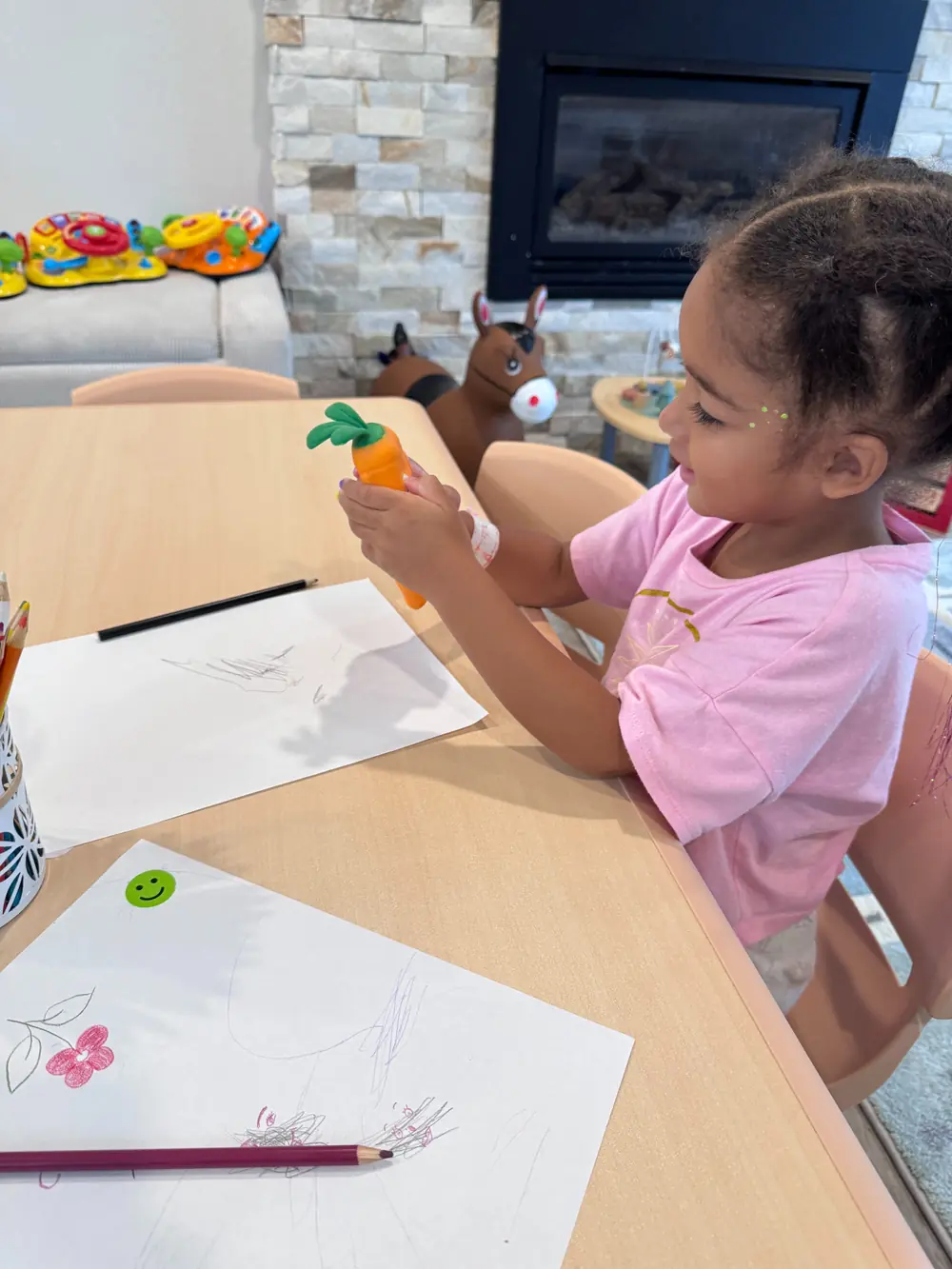


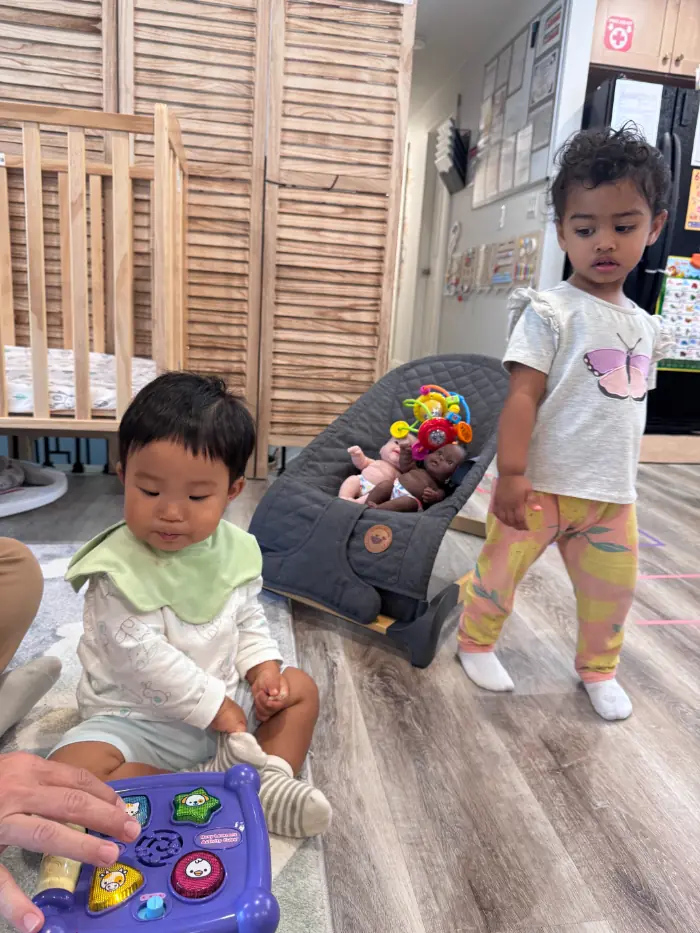
Daycare classrooms across the world often feature strikingly similar layouts: low shelves lining the walls, cozy reading nooks tucked in corners, open play areas with soft mats, and strategically placed changing stations. This uniformity isn’t a coincidence or a lack of creativity—it’s the result of decades of research, regulatory guidelines, and evidence-based practices aimed at fostering safety, functionality, and optimal child development.
In early childhood education, the environment acts as the “third teacher,” guiding how children explore, learn, and interact. Understanding why these designs converge can empower parents, educators, and center directors to make informed choices that enhance the childcare experience.
At its core, daycare classroom design balances the need for predictability with opportunities for discovery. Standards from organizations like the National Association for the Education of Young Children (NAEYC) emphasize environments that promote physical health, emotional security, and cognitive growth.
By adhering to these principles, classrooms become havens where young minds thrive without unnecessary risks. In this article, we’ll dive deep into the reasons behind these shared designs, explore age-tailored optimizations, and share actionable tips to refine spaces for infants, toddlers, and preschoolers. Whether you’re envisioning a new center or tweaking an existing one, these insights will help create a space that’s both compliant and captivating.
The Role of Safety Standards in Shaping Uniform Designs
Safety is the bedrock of any daycare classroom, dictating layouts that prioritize hazard prevention and easy supervision. Regulatory bodies, including state licensing agencies and federal guidelines like the Head Start Program Performance Standards (HSPPS), mandate minimum square footage—typically 35-50 square feet per child—to ensure ample room for movement without overcrowding.
This requirement alone explains why classrooms rarely feature cluttered corners or high-traffic bottlenecks; instead, they incorporate wide pathways (at least 18-24 inches) for quick caregiver access.
Key safety features, such as anchored furniture to prevent tipping, rounded edges on tables, and non-slip flooring, are non-negotiable across designs.
Electrical outlets must be covered, cords secured, and windows equipped with cordless shades to eliminate strangulation risks, as highlighted by the U.S. Consumer Product Safety Commission. These elements create a predictable blueprint: low, open shelving for visibility, soft surfaces like rubber mats under play zones to cushion falls, and gated transitions between areas to contain wandering toddlers.
Beyond physical safeguards, acoustic separation—using partitions or rugs to muffle noise—ensures a calm atmosphere, reducing stress that could lead to accidents.
Visual clutter is minimized, as studies show excessive displays can distract children and hinder focus, potentially increasing injury rates.
This shared emphasis on “zones” (e.g., quiet vs. active) stems from NAEYC’s standard for environments that support health and safety, making classrooms feel familiar and secure worldwide.
Common Safety Pitfalls and How to Avoid Them
| Safety Element | Recommendation | Why It Matters |
|---|---|---|
| Furniture Anchoring | Secure all tall units to walls with brackets | Prevents tip-overs, a leading cause of injuries |
| Flooring | Use resilient, easy-clean mats (e.g., EVA foam) | Absorbs impacts during falls; meets HSPPS |
| Window Coverings | Install cordless or breakaway cords | Eliminates strangulation hazards for crawlers |
| Storage Access | Low, labeled bins within child reach | Promotes independence while avoiding clutter |
| Emergency Exits | Clear 36-inch paths to doors | Ensures rapid evacuation in drills or incidents |
By embedding these into the design, classrooms not only comply but also build trust—parents see a space where their child is protected, allowing focus on joyful learning.

Functionality: Creating Efficient and Practical Layouts
Functionality drives the modular nature of daycare designs, where spaces are divided into purposeful zones for routines like feeding, diapering, and group time. This zoning—often seen in center-based layouts—facilitates smooth transitions, reducing chaos during peak hours.
For instance, a central “gross motor” area with climbing structures contrasts with a peripheral “quiet corner” for one-on-one reading, allowing caregivers to multitask effectively.
Efficient traffic flow is another hallmark: U-shaped or circular arrangements keep educators within arm’s reach of multiple zones, supporting active supervision as per NAEYC guidelines.
Storage solutions, like stackable cubbies and rolling carts, maximize vertical space without overwhelming the floor plan, accommodating 6-20 children per room depending on age.
These practical elements explain the “sameness”: they’re battle-tested for daily demands, from nap rotations to snack distributions. Flexible furniture, such as movable partitions, allows adaptation for holidays or special events, ensuring the space evolves without renovation.
Integrating Multi-Purpose Elements for Daily Efficiency
- Modular Walls: Fabric panels that double as whiteboards or pinboards for displays.
- Under-Bed Storage: Low platforms for naps that conceal toys underneath.
- Height-Adjustable Tables: Accommodate growing toddlers transitioning to preschool activities.
Such innovations keep classrooms agile, aligning with the principle that well-organized spaces decrease challenging behaviors by up to 30%, per early childhood research.
Supporting Child Development Through Thoughtful Environments
Daycare designs mirror developmental milestones, with layouts that scaffold skills from sensory exploration to social collaboration. NAEYC’s standards stress curriculum-aligned environments that invite active participation, explaining the prevalence of hands-on centers like block-building or dramatic play areas.
These zones encourage independence—children select materials from accessible shelves, fostering executive function like decision-making.
Sensory integration is key: Textured rugs for tummy time, mirrors for self-awareness, and natural light for circadian rhythm regulation all promote holistic growth.
Research from Vanderbilt’s Peabody Institute shows such designs enhance responsive caregiving, boosting attachment and emotional regulation.
Visual and acoustic cues further support learning: Color-coded zones (e.g., blue for calm) guide navigation, while soft acoustics prevent overstimulation. This uniformity ensures every child, regardless of center, encounters predictable prompts for curiosity and resilience.
Evidence-Based Benefits of Developmental Zoning
| Zone Type | Developmental Focus | Example Materials |
|---|---|---|
| Sensory Play | Fine motor & tactile awareness | Water tables, textured balls |
| Dramatic Play | Social-emotional skills | Dress-up clothes, play kitchen |
| Reading Nook | Language & imagination | Soft cushions, diverse books |
| Art Station | Creativity & self-expression | Washable paints, large easels |
These setups not only align with growth stages but also reduce teacher intervention, freeing time for meaningful interactions.
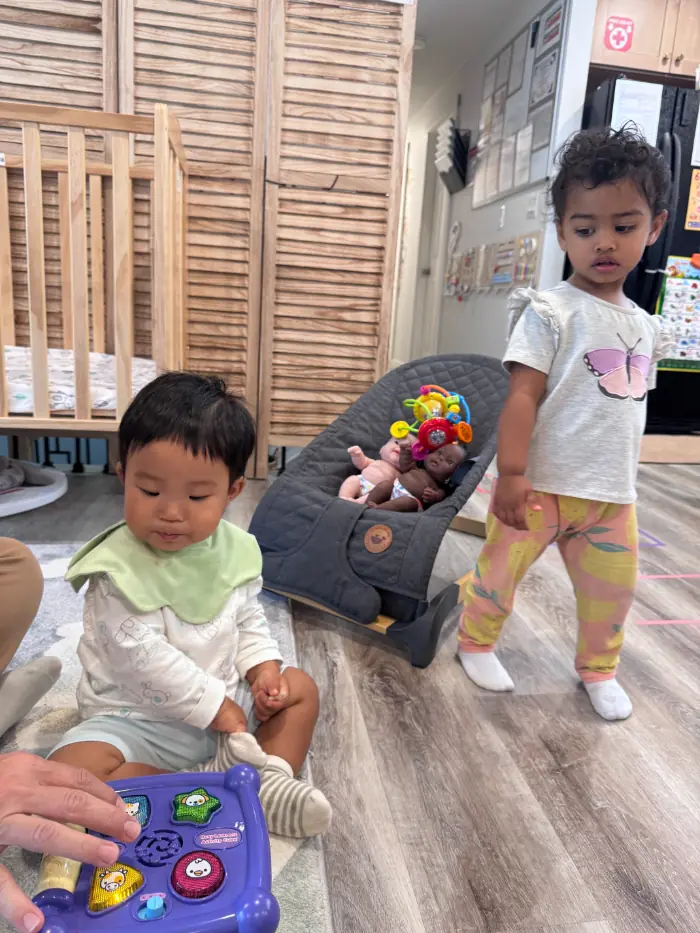
Age-Specific Optimizations: From Infants to Preschoolers
While overarching designs share traits, nuances adapt to age groups, ensuring relevance.
Infants (0–12 Months): Nurturing Security and Sensory Foundations
Infant spaces prioritize containment and comfort: Primary caregivers’ areas with rockers for bonding, elevated changing stations for back health, and crib zones spaced 3 feet apart per HSPPS.
Soft lighting and mobiles stimulate vision without overwhelming, while floor mirrors aid body awareness. Optimizations include mobile walls for privacy during feeds and hypoallergenic fabrics to minimize allergens.
Toddlers (12–36 Months): Encouraging Mobility and Autonomy
Toddlers demand durable, low-level setups: Step stools for sinks, padded climbers for gross motor practice, and duplicate toys to curb conflicts.
Layouts feature looping paths for safe toddling, with gates to active zones. To optimize, incorporate sensory bins (e.g., rice play) and visual schedules for routine predictability, supporting emerging independence.
Preschoolers (3–5 Years): Fostering Collaboration and Inquiry
Preschool layouts expand to include group circles for circle time and collaborative tables for projects. Flexible seating like floor cushions accommodates varied attention spans, while science corners with magnifiers spark inquiry.
Enhancements: Rotating exhibits to maintain engagement and outdoor extensions for large-motor extension.
Tailoring by age ensures designs evolve with needs, creating continuity as children progress.
Practical Tips for Optimizing Daycare Spaces
Refining a space starts with assessment: Map current flow, note bottlenecks, and survey staff. Budget-friendly tweaks include:
- Layer Lighting: Combine overhead with task lamps for zoned ambiance—dim for naps, bright for crafts.
- Incorporate Nature: Potted greens (out of reach) and nature murals boost mood and biophilia.
- Tech Integration: Low-profile tablets for audio stories, mounted safely to encourage digital literacy without dominance.
- Sustainability Focus: Recycled mats and modular wood furniture reduce costs long-term.
- Family Involvement: Co-create labels with parent photos for cultural relevance.
Regular rotations—quarterly—keep spaces fresh, aligning with NAEYC’s call for dynamic curricula.
Measure success via child engagement metrics, like time in self-directed play.
Conclusion
The similarity in daycare classroom designs reflects a collective commitment to what works: safe, functional spaces that nurture every child’s potential. By prioritizing standards, zoning for development, and age-specific tweaks, these environments transcend uniformity to become vibrant hubs of growth. As we wrap up, consider how these principles can transform your own childcare setting—perhaps starting with a simple zone audit.
For families in Bothell seeking a prime example of these ideals in action, explore Daycare Bothell options or child care Bothell services at Kido Heaven. This innovative center embodies expert design, blending safety with playful learning in welcoming spaces tailored for young explorers. Visit kidoheaven.com to discover how Kido Heaven creates joyful beginnings for infants to preschoolers, backed by a team passionate about early childhood excellence.
Why KidoHeaven Stands Out
✅ Licensed in Washington State
✅ Aligned with Early Achievers standards
✅ Working Connections subsidy accepted
✅ Daily updates via Brightwheel
✅ Located in Bothell, serving Mill Creek, Lynnwood & nearby areas
✅ Nutritious snacks, safe outdoor space, & positive mealtime routines
📞 Call 206-734-2040 to schedule a tour
🌐 Enroll now
Follow Our Mealtime Moments
Stay updated with more beautiful outdoor meals and daily learning routines on:
Instagram | Facebook | Nextdoor | Yelp | Winnie | YouTube | Upwards
FAQ
Why do all daycare classrooms look the same?
They follow universal guidelines from bodies like NAEYC and HSPPS, emphasizing safety (e.g., open sightlines) and development (e.g., activity zones) to ensure consistent quality across programs.
How much space does a daycare classroom need per child?
Aim for 35–50 square feet minimum, with more for infants (up to 55 sq ft) to accommodate cribs and caregiver movement, per licensing standards.
What are the best colors for a daycare classroom?
Soft pastels (blues, greens) for calm zones; warm accents (yellows) for active areas. Avoid bright reds to prevent overstimulation.
How can I make a small daycare space feel larger?
Use mirrors, vertical shelving, and multi-functional furniture like ottomans with storage. Light colors and minimal clutter enhance openness.
Are open-concept layouts safe for toddlers?
Yes, if zoned with rugs and low dividers for supervision. They promote flow but require anchored edges and clear paths to avoid trips.
How often should I rearrange a preschool classroom?
Every 4–6 weeks to refresh engagement, or seasonally to tie into themes, ensuring alignment with curriculum goals.
Visit Kido Heaven Child Care
A licensed home daycare for infants to pre-K, serving Bothell and Mill Creek. Call or text (206) 734-2040 or book a tour.
Book a Tour