
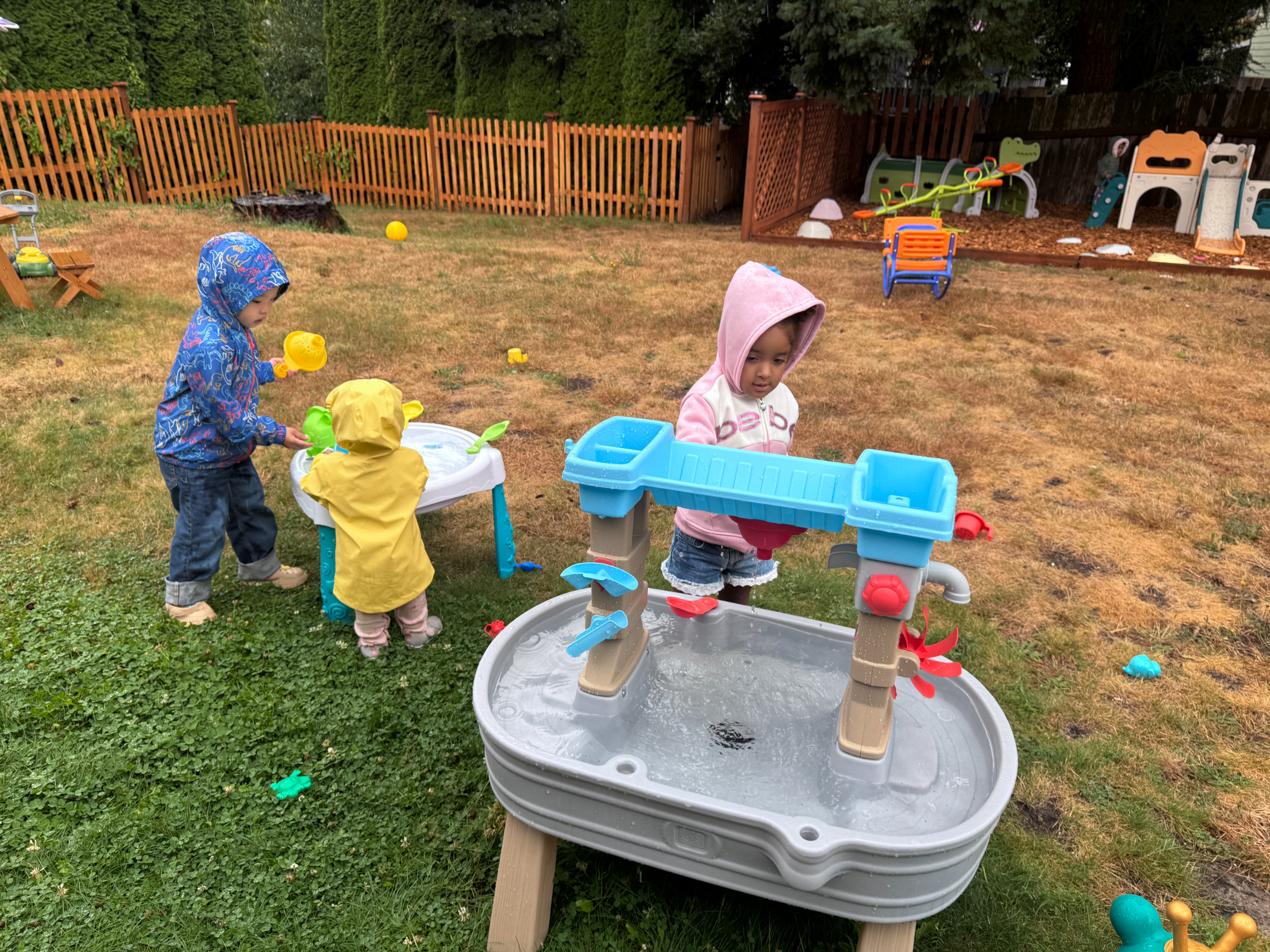


Choosing the right early childhood education approach is one of the most important decisions families make. Many parents wonder whether play-based learning truly prepares children for school and life beyond the classroom. At Kido Heaven Child Care in Bothell, Washington, we address these concerns by following Developmentally Appropriate Practice (DAP)—an evidence-based approach that supports children’s growth in meaningful, age-appropriate ways.
DAP focuses on how young children naturally learn best: through play, exploration, relationships, and hands-on experiences. Instead of rushing academics, this approach builds strong foundations for lifelong learning, confidence, and emotional well-being.
✅ What Is Developmentally Appropriate Practice (DAP)?
Developmentally Appropriate Practice is a framework used in high-quality early learning programs to guide intentional teaching. It is based on three essential considerations:
- How children typically grow and learn at different ages and developmental stages
- Each child’s individual strengths, interests, needs, and abilities
- Family culture, language, values, and background
DAP recognizes that children do not develop at the same pace or in the same way. Learning experiences are designed to feel engaging and achievable—never forced or stressful. Children are encouraged to explore, ask questions, make choices, and build confidence at their own pace.
🎯 Why Developmentally Appropriate Practice Matters in Early Childhood Education
Young children learn best when they feel emotionally safe, respected, and supported. A DAP-based environment prioritizes emotional security while promoting growth across all developmental domains.
Through Developmentally Appropriate Practice, children strengthen:
- Social and emotional skills
- Language and communication
- Problem-solving and critical thinking
- Independence and self-regulation
- Positive relationships with peers and teachers
At Kido Heaven, educators observe children closely and design activities around their developmental readiness and interests. Everyday moments—such as mealtime conversations, outdoor play, and classroom routines—become powerful learning opportunities.
👀 Observation and Assessment: Supporting Individual Growth
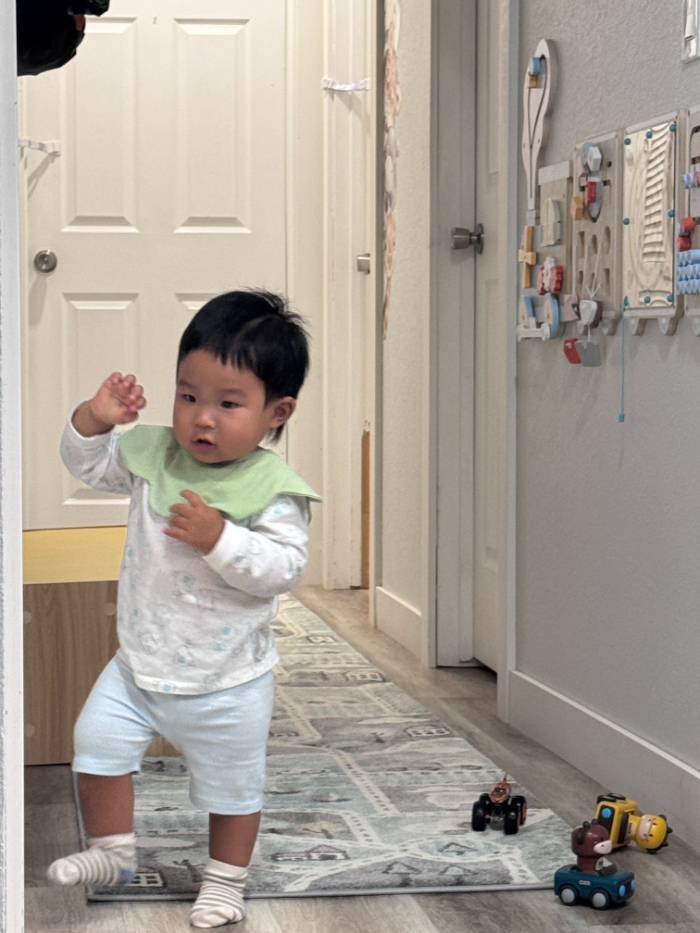
Ongoing observation is a core element of developmentally appropriate practice. Rather than relying on formal testing, educators use daily interactions and play to understand each child’s development.
Through intentional observation, teachers can:
- Identify individual strengths and interests
- Recognize areas where support is needed
- Adapt activities to match developmental levels
- Monitor progress over time
Assessment in DAP is supportive and purposeful. It helps educators plan meaningful experiences that challenge children appropriately while maintaining confidence and emotional safety.
📘 DAP and Early Learning Standards
Developmentally Appropriate Practice works in harmony with early learning standards, including Washington State guidelines. Academic skills are introduced through play-based, hands-on experiences that feel natural and engaging.
Children build early literacy, math, science, and social skills through:
- Storytelling, books, and daily conversations
- Building, sorting, and problem-solving activities
- Sensory exploration and outdoor play
- Music, art, and imaginative play
Because learning is meaningful and enjoyable, children remain curious and motivated—supporting long-term school readiness.
🌈 Supporting Whole-Child Development
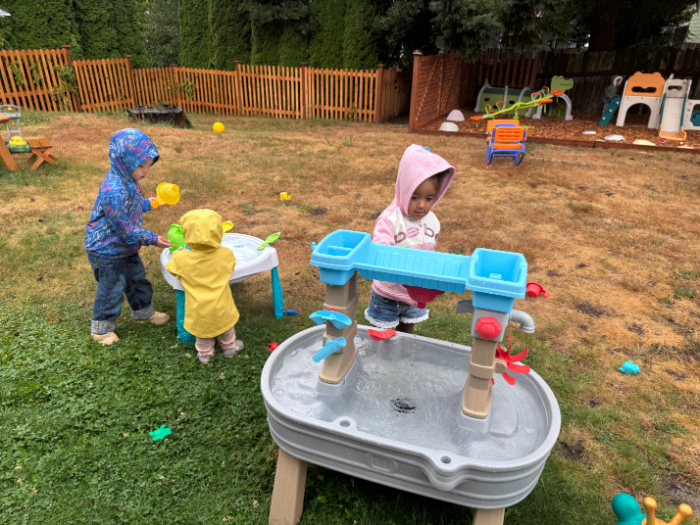
A defining strength of Developmentally Appropriate Practice is its focus on nurturing the whole child, including social, emotional, physical, cognitive, and language development.
This balanced approach ensures that children develop resilience, confidence, and a love of learning alongside foundational academic skills. By supporting the whole child, early learning programs help children succeed not only in school, but in relationships and life experiences as well.
🤝Partnering With Families
Strong partnerships with families are essential to successful early childhood education. When educators and families work together, children experience consistency, trust, and emotional security.
At Kido Heaven, we value open communication and respect each family’s cultural and linguistic background. Families are encouraged to share insights about their child, celebrate milestones together, and participate in their learning journey.
🌟 Our Commitment at Kido Heaven Child Care
At Kido Heaven Child Care, we are committed to providing high-quality, developmentally appropriate learning experiences in a warm, nurturing environment. Our educators intentionally design play-based experiences that support curiosity, confidence, and whole-child growth.
Families searching for a licensed child care program in Bothell or Mill Creek appreciate our WAC-compliant practices, experienced teachers, and focus on emotional well-being from infancy through preschool.
If you are looking for a child care program that values play-based learning, intentional teaching, and strong family partnerships, we invite you to connect with us and learn more about enrollment at Kido Heaven.
Why KidoHeaven Stands Out
✅ Licensed in Washington State
✅ Aligned with Early Achievers standards
✅ Working Connections subsidy accepted
✅ Daily updates via Brightwheel
✅ Located in Bothell, serving Mill Creek, Lynnwood & nearby areas
✅ Nutritious snacks, safe outdoor space, & positive mealtime routines
📞 Call 206-734-2040 to schedule a tour
🌐 Enroll now
Follow Our Mealtime Moments
Stay updated with more beautiful outdoor meals and daily learning routines on:
Instagram | Facebook | Nextdoor | Yelp | Winnie | YouTube | Upwards
FAQ
1. What is developmentally appropriate practice in child care?
DAP is an evidence-based approach that aligns teaching with children’s age, individual development, and family culture.
2. Is DAP the same as play-based learning?
DAP includes play-based learning but also emphasizes intentional teaching, observation, and emotional support.
3. Does DAP prepare children for kindergarten?
Yes. DAP supports school readiness by building strong social-emotional, language, and problem-solving skills.
3. Is Developmentally Appropriate Practice aligned with Washington State standards?
Yes. DAP aligns with Washington State early learning guidelines and WAC requirements.


