
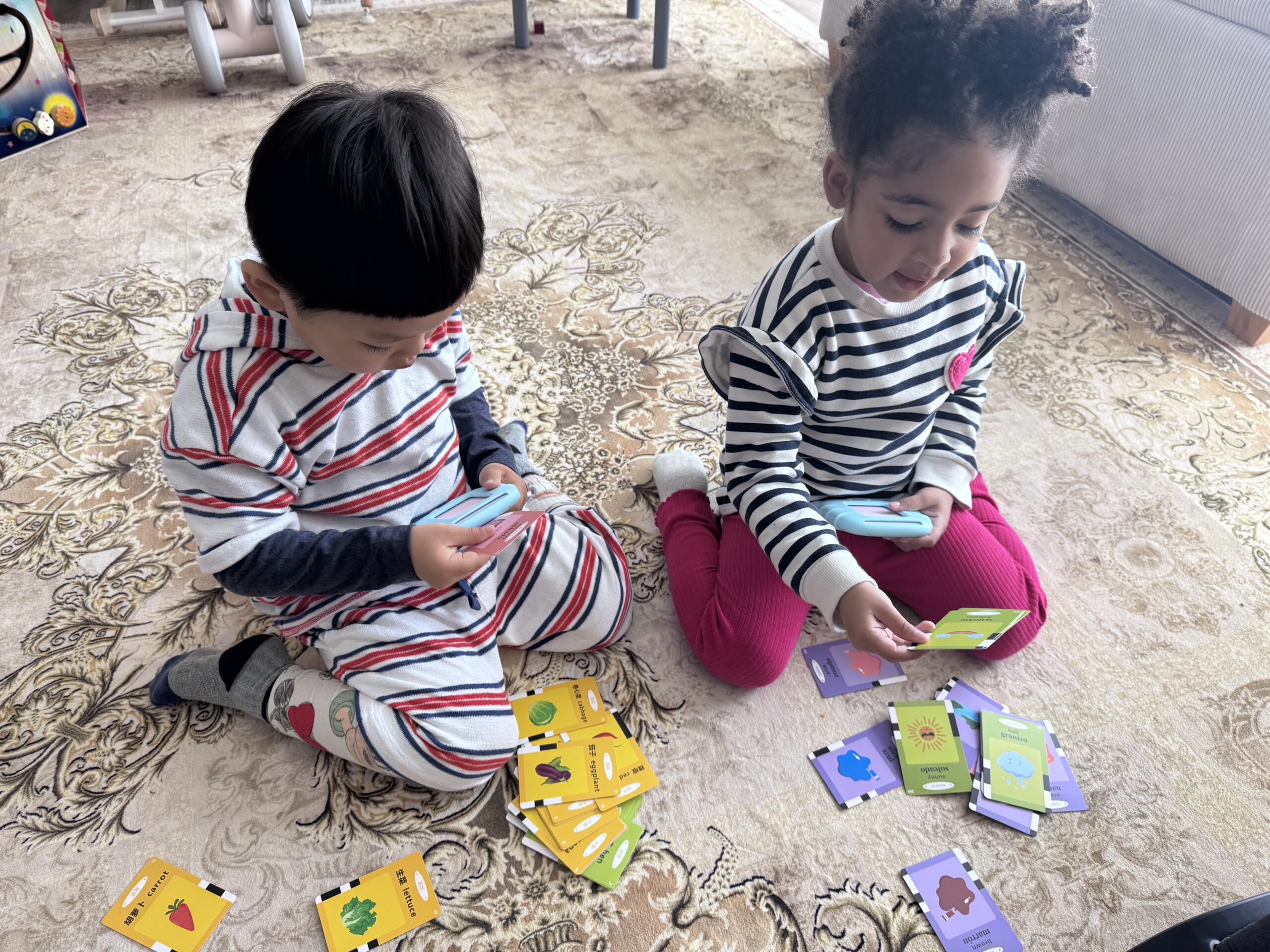


Early problem-solving skills help young children learn how to think, adapt, and persist when faced with challenges. In childcare settings, simple activities—such as puzzles, sorting games, and group challenges—give toddlers and preschoolers daily opportunities to practice decision-making, reasoning, and flexibility in a supportive environment. Rather than focusing on academic pressure, high-quality daycare programs nurture problem-solving through play, routine interactions, and guided exploration aligned with child development principles and Washington State (WAC) standards.
🧠 What Is Early Problem-Solving in Child Development?
Early problem-solving refers to a child’s ability to explore challenges, test solutions, and learn from outcomes. In young children, this process is hands-on and experiential rather than abstract or academic.
Examples include:
- Figuring out how to fit puzzle pieces together
- Deciding how to share materials with peers
- Adjusting strategies when something doesn’t work
In childcare, problem-solving is embedded naturally into daily routines and play-based learning.
🌱 Why Problem-Solving Skills Matter in Early Childhood
Problem-solving is a foundational cognitive skill that supports:
- Independent thinking
- Emotional regulation
- Persistence and resilience
- Social competence
Children who practice problem-solving early are better prepared for preschool, kindergarten, and lifelong learning because they learn how to think—not just what to memorize.
👶🧒 How Children Develop Problem-Solving Skills by Age
Toddlers (1–3 Years)
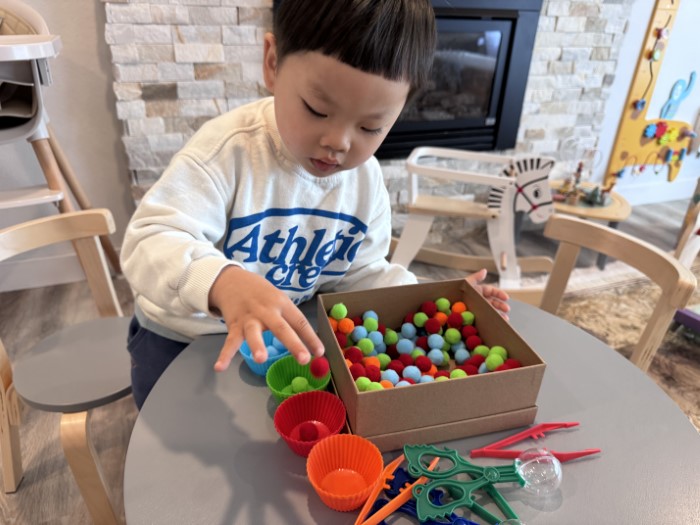
Toddlers explore cause and effect through trial and error. Their problem-solving is sensory-based and immediate.
Key developmental traits:
- Short attention spans
- Curiosity-driven exploration
- Learning through repetition
Preschoolers (3–5 Years)
Preschoolers begin to plan, predict outcomes, and work collaboratively.
Key developmental traits:
- Logical sequencing
- Verbal reasoning
- Cooperative challenges
🧩 Problem-Solving Activities for Toddlers
Simple Puzzles and Shape Sorters
These activities teach toddlers how to:
- Match shapes
- Recognize patterns
- Try different solutions
Everyday Challenges
Tasks like stacking blocks, opening containers, or choosing which shoe goes on which foot encourage natural problem-solving.
Guided Discovery
Caregivers support learning by asking open-ended questions rather than giving answers immediately.
🏗️ Problem-Solving Challenges for Preschoolers
Group Challenges
Activities such as building a structure together or completing a task as a team help children:
- Share ideas
- Negotiate solutions
- Practice flexibility
Scenario-Based Play
Pretend play introduces social and logical problems that children solve through imagination and communication.
Trial, Error, and Reflection
Preschoolers learn that mistakes are part of learning—an essential mindset for healthy development.
🎓 The Role of Educators in Supporting Problem-Solving
Early childhood educators guide problem-solving by:
- Modeling calm thinking
- Encouraging persistence
- Asking reflective questions
- Allowing children time to struggle productively
This approach builds confidence and independence rather than reliance on adult direction.
🤝 Social Problem-Solving in Childcare Settings
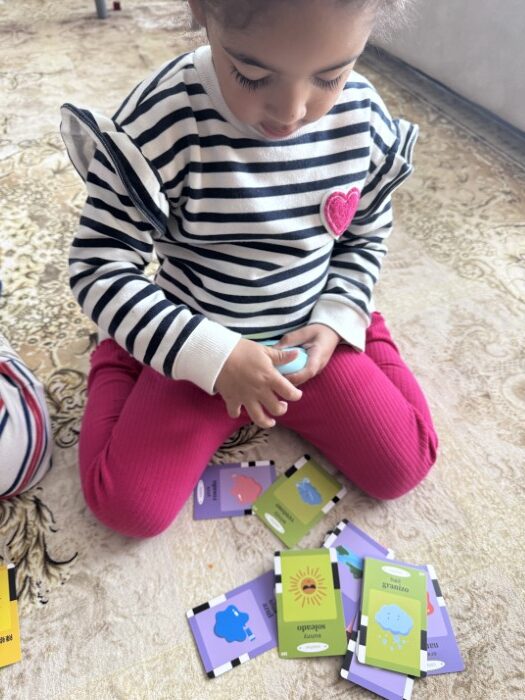
Problem-solving in daycare isn’t limited to objects or games—it also includes social situations.
Children learn how to:
- Resolve conflicts
- Take turns
- Understand different perspectives
These experiences are critical for emotional intelligence and peer relationships.
🔍 Problem-Solving vs. STEM: Understanding the Difference
While STEM focuses on academic concepts, early problem-solving is broader and developmentally appropriate.
| Problem-Solving | STEM |
|---|---|
| Play-based | Academic-focused |
| Everyday challenges | Structured learning |
| Social & emotional | Technical skills |
| Age-appropriate | Often abstract |
High-quality childcare prioritizes problem-solving as a foundation for later academic learning.
📜 WAC-Aligned Problem-Solving in Licensed Childcare
Washington State (WAC) childcare standards emphasize:
- Developmentally appropriate activities
- Whole-child learning
- Safe, supportive environments
Problem-solving activities meet these standards by supporting cognitive, social, and emotional growth through play and interaction.
🏫 How Daycare Environments Encourage Critical Thinking
Effective childcare environments:
- Offer open-ended materials
- Allow child-led exploration
- Balance structure with flexibility
- Support learning through routine experiences
These elements help children feel safe taking risks and trying new solutions.
🌈 About Kido Heaven
At Kido Heaven daycare, we believe early problem-solving skills are built through thoughtful play, guided exploration, and nurturing relationships. Our educators create age-appropriate challenges that help children learn how to think, adapt, and grow with confidence.
As a licensed daycare in Bothell, Kido Heaven provides a safe, supportive environment aligned with Washington State (WAC) standards. Families seeking early childhood education in Bothell trust our approach to whole-child development—from infants to preschoolers.
Learn more about our philosophy and programs at Kido Heaven in Bothell, where everyday play becomes meaningful learning.
Why KidoHeaven Stands Out
✅ Licensed in Washington State
✅ Aligned with Early Achievers standards
✅ Working Connections subsidy accepted
✅ Daily updates via Brightwheel
✅ Located in Bothell, serving Mill Creek, Lynnwood & nearby areas
✅ Nutritious snacks, safe outdoor space, & positive mealtime routines
📞 Call 206-734-2040 to schedule a tour
🌐 Enroll now
Follow Our Mealtime Moments
Stay updated with more beautiful outdoor meals and daily learning routines on:
Instagram | Facebook | Nextdoor | Yelp | Winnie | YouTube | Upwards
FAQ
1. At what age do children start developing problem-solving skills?
Problem-solving begins in infancy and grows rapidly during toddler and preschool years through play and interaction.
2. Are problem-solving activities appropriate for toddlers?
Yes. Simple, hands-on challenges are ideal for toddler cognitive development.
3. How does daycare support problem-solving better than home alone?
Daycare provides peer interaction, structured opportunities, and trained educators who guide development intentionally.
4. Is problem-solving part of early childhood education standards?
Yes. Problem-solving supports multiple learning domains emphasized in early childhood frameworks and WAC guidelines.


