
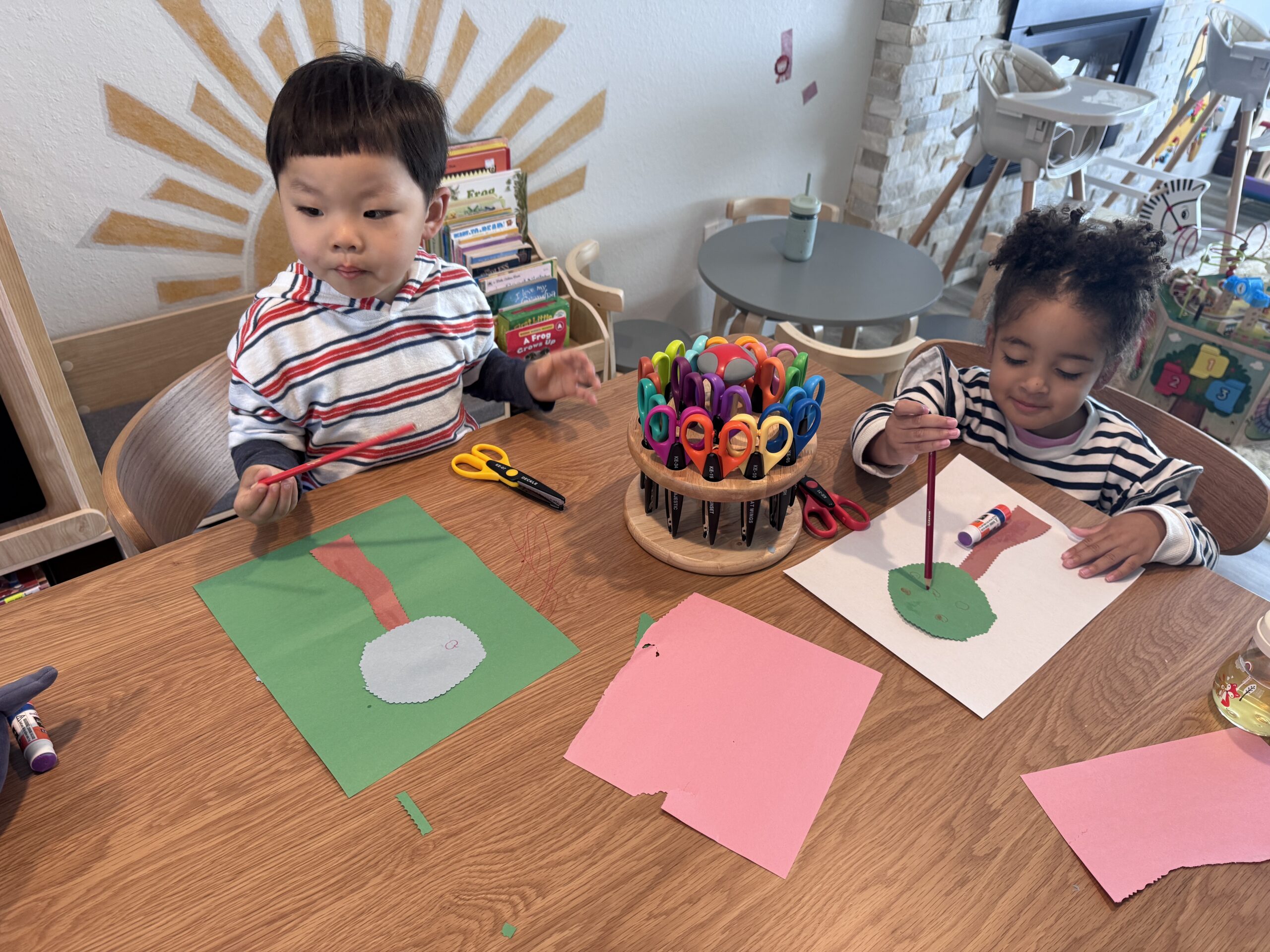


Color play is one of the first ways young children interact with their environment. It helps infants and preschoolers develop essential skills, including color recognition, hand-eye coordination, and sensory awareness. Through activities like exploring objects, painting, and sorting, children learn to identify colors, understand contrasts, and express themselves creatively, which supports both cognitive and emotional development.
🎨 Why Color Play Matters
Color is one of the first ways young children interact with the world. From the moment infants open their eyes, they begin to notice contrasts, shapes, and vibrant colors. Color play is not just a fun activity—it is an essential component of early childhood development. Through playful exploration, children develop cognitive skills, creativity, and sensory awareness while learning to recognize and differentiate colors.
At Kido Heaven daycare, we integrate color play childcare activities into daily routines to foster early learning, creative thinking, and emotional development. Using age-appropriate materials, children of all ages—from infants to preschoolers—engage in hands-on learning that supports growth and curiosity.
🧠 The Role of Colors in Early Childhood Development
Cognitive Development
Color recognition helps children understand their environment and categorize objects. Research shows that exposure to colors can improve memory, attention, and problem-solving skills. For example, toddlers sorting colored blocks are not only practicing recognition but also refining critical thinking as they group, match, and compare.
Colors also serve as a foundation for later academic skills. Recognizing patterns, shapes, and color-coded instructions supports early numeracy and literacy, helping children understand connections and sequences.
Emotional and Social Benefits
Colors impact mood and emotional expression. Bright, warm colors like red, yellow, and orange can energize children, while cool colors like blue and green can create calmness and focus. Engaging in color activities also encourages social interaction. Children share paints, trade colored blocks, and collaborate on group art projects, developing communication skills, empathy, and teamwork.
🧸 Color Activities for Infants (0–12 months)
Sensory Color Bins
Sensory bins filled with safe, colorful objects help infants explore colors through touch, sight, and sometimes even sound. Include items like soft fabrics, lightweight toys, or non-toxic balls in varying shades. Allow infants to reach, grab, and explore textures while caregivers describe the colors they are touching.
Benefits:
- Improves visual tracking
- Stimulates tactile senses
- Encourages early color vocabulary
Colorful Textures and Toys
High-contrast and multi-colored toys are ideal for newborns and infants. Toys with stripes, dots, or patterns capture attention and stimulate brain development, helping infants distinguish shapes and hues. Soft rattles, teething toys, and fabric books in vibrant colors are perfect for early engagement.
Tip: Rotate toys regularly to maintain interest and expose infants to a broader spectrum of colors.
🍼 Color Activities for Toddlers (1–3 years)
Painting and Finger Painting
Toddlers love to get messy! Using non-toxic, washable paints, they can explore color mixing, texture, and creativity. Finger painting encourages fine motor skill development, hand-eye coordination, and self-expression.
Activity Idea: Provide primary colors and let toddlers mix them to discover new shades. This introduces early concepts of cause and effect while reinforcing color recognition.
Sorting and Matching Games
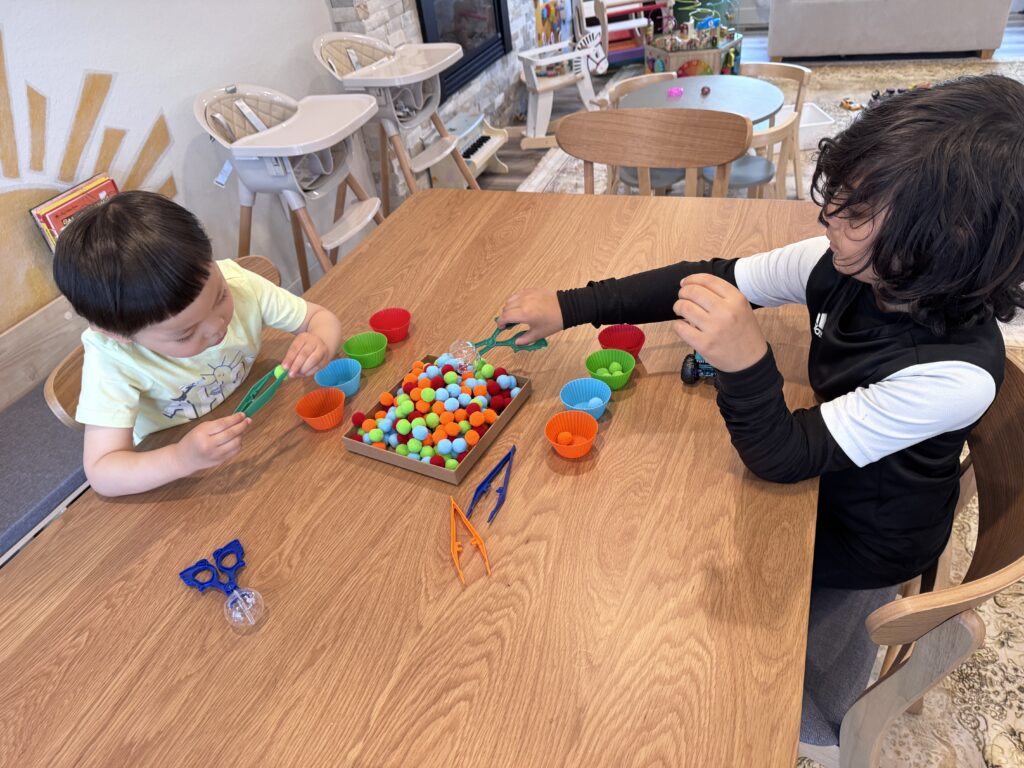
Sorting objects by color is a fun and educational activity for toddlers. Use colored blocks, balls, or cards and ask children to group similar colors.
Benefits:
- Enhances memory and attention
- Builds vocabulary as toddlers learn color names
- Encourages problem-solving through sorting tasks
💛 Color Activities for Preschoolers (3–5 years)
Creative Art Projects
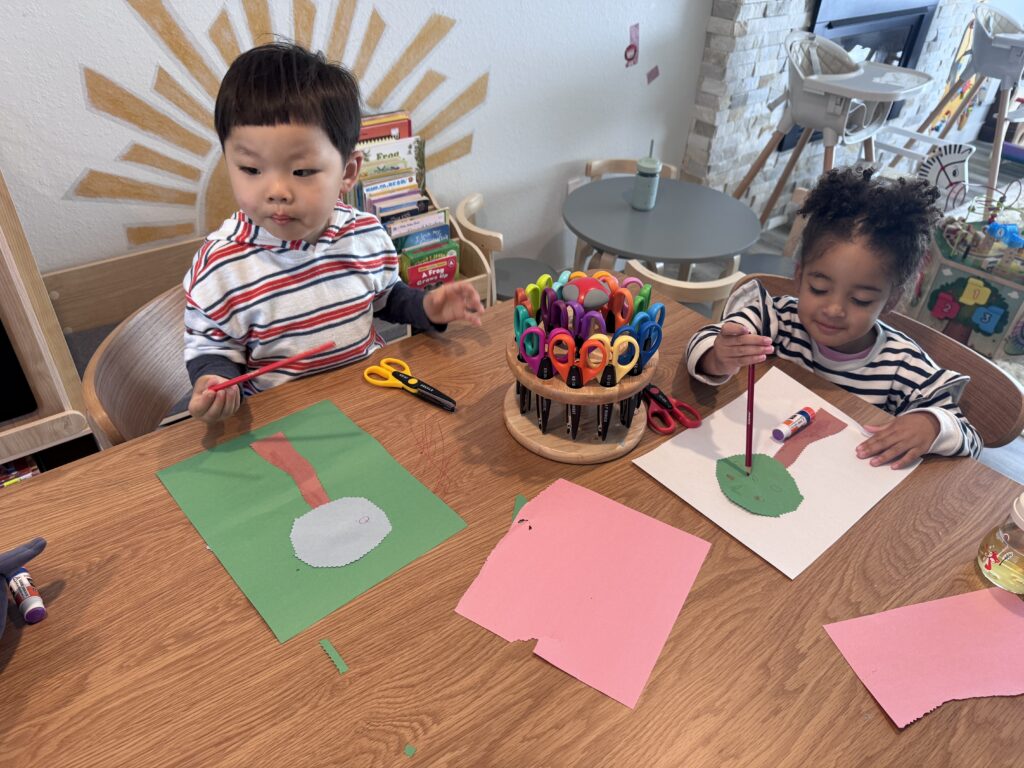
Preschoolers can handle more structured art projects. Activities like collages, watercolor paintings, and crafts help children practice precision, planning, and self-expression. Encourage them to experiment with combinations of colors to explore creativity further.
Activity Idea: Create “color journals” where children draw or paint one color per page, learning names, shades, and complementary colors.
Color-Based Storytelling
Integrate colors into storytelling or dramatic play. For example, a story about a rainbow can be enhanced by giving children colored props or art materials related to the tale. This approach strengthens imagination, narrative skills, and literacy while reinforcing color knowledge.
📖 Safety and Best Practices in Color Play
Choosing Non-Toxic Materials
Always use WAC-compliant, non-toxic paints, crayons, and toys to ensure safety for infants and toddlers. Labels should indicate that the product is safe if accidentally ingested or touched.
Supervised Play Strategies
Children should always be supervised during color activities, especially infants and toddlers. Structured supervision reduces choking hazards, prevents accidental ingestion, and helps caregivers guide learning effectively.
👀 Integrating Color Learning into Daycare Programs
Daily Routines
Incorporate color-based games into daily routines. During circle time, children can sing color songs, play matching games, or explore themed sensory bins. Regular, short activities reinforce learning without overwhelming young learners.
Encouraging Independent Exploration
Create safe spaces where children can experiment independently with colors. Free access to coloring stations, blocks, and sensory toys allows children to make choices, explore creativity, and develop autonomy.
🎯 Enhancing Early Childhood Creativity
Color play is more than a fun activity—it is a critical tool for early childhood development. From infants exploring textures to preschoolers creating masterpieces, engaging with color supports cognitive, emotional, and social growth.
At Kido Heaven daycare, children benefit from a safe, WAC-compliant environment that encourages creativity and learning through hands-on color activities. Our programs are designed for daycare for infants to preschoolers in Bothell, combining structured lessons with playful exploration to help every child thrive.
Why KidoHeaven Stands Out
✅ Licensed in Washington State
✅ Aligned with Early Achievers standards
✅ Working Connections subsidy accepted
✅ Daily updates via Brightwheel
✅ Located in Bothell, serving Mill Creek, Lynnwood & nearby areas
✅ Nutritious snacks, safe outdoor space, & positive mealtime routines
📞 Call 206-734-2040 to schedule a tour
🌐 Enroll now
Follow Our Mealtime Moments
Stay updated with more beautiful outdoor meals and daily learning routines on:
Instagram | Facebook | Nextdoor | Yelp | Winnie | YouTube | Upwards
FAQ
1. At what age should children start color play?
A: Infants can begin exploring color as early as 3–6 months with high-contrast toys. Toddlers and preschoolers can engage in more structured activities.
2. Can color activities improve literacy and numeracy skills?
A: Yes! Sorting, matching, and color-based storytelling help children recognize patterns, build vocabulary, and understand sequences.
3. How to handle toddlers who are picky about colors?
A: Offer choices and encourage exploration without pressure. Use games, songs, and hands-on activities to make learning fun.
4. Are sensory color bins safe for infants?
A: Yes, if they include non-toxic, age-appropriate items and are always used under supervision.


