
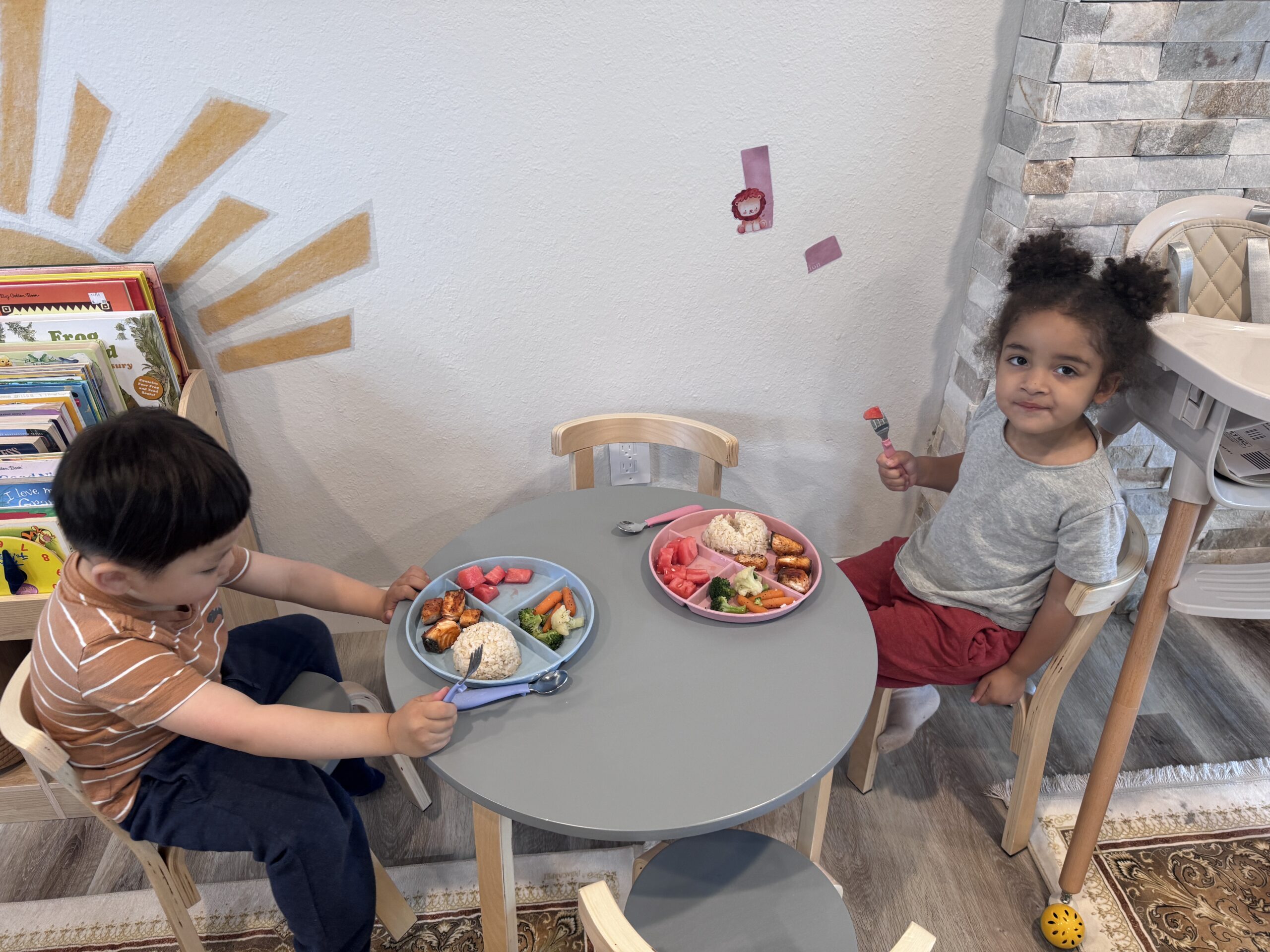


Childcare helps children develop independence by providing age-appropriate opportunities to practice daily skills safely. Infants begin by exploring their surroundings and developing motor skills. Toddlers gradually learn self-feeding, toilet routines, and basic communication. Preschoolers expand their independence through dressing, personal care, problem-solving, and social interaction. These experiences build confidence, decision-making abilities, and self-reliance from an early age, forming a strong foundation for future learning and development.
The Importance of Independence in Early Childhood
Independence is a cornerstone of early childhood development, shaping children’s confidence, self-esteem, and ability to navigate challenges. Childcare environments play a crucial role in nurturing autonomy by providing structured, age-appropriate opportunities for children to practice skills safely. From infancy to preschool, children gradually learn to explore their environment, make choices, and take responsibility for small tasks.
Research shows that children who develop independence early demonstrate stronger social, emotional, and cognitive skills, preparing them for school and beyond. A trusted childcare center in Bothell provides a framework where children can gain these skills under expert supervision while feeling secure and supported.
Independence in Infancy (0–12 Months)
Encouraging Self-Exploration
During the first year, infants are naturally curious. Childcare professionals encourage independence by offering safe spaces for exploration, such as sensory mats, soft toys, and age-appropriate play areas. Allowing infants to reach, grasp, and interact with objects enhances fine motor skills and problem-solving abilities.
Developing Motor Skills
Tummy time, crawling, and assisted standing are essential for physical autonomy. These activities strengthen core muscles, coordination, and spatial awareness. Childcare centers like Kido Heaven daycare services follow WAC-compliant safety standards to ensure infants can explore without risk, promoting confidence in movement and self-discovery.
Independence in Toddlers (1–3 Years)
Self-Feeding and Mealtime Skills
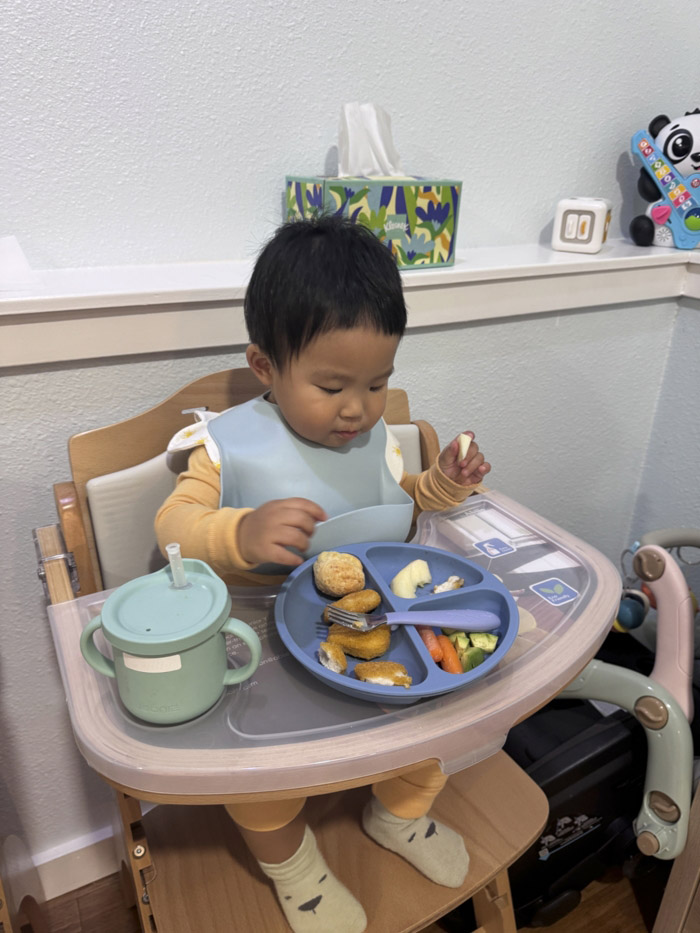
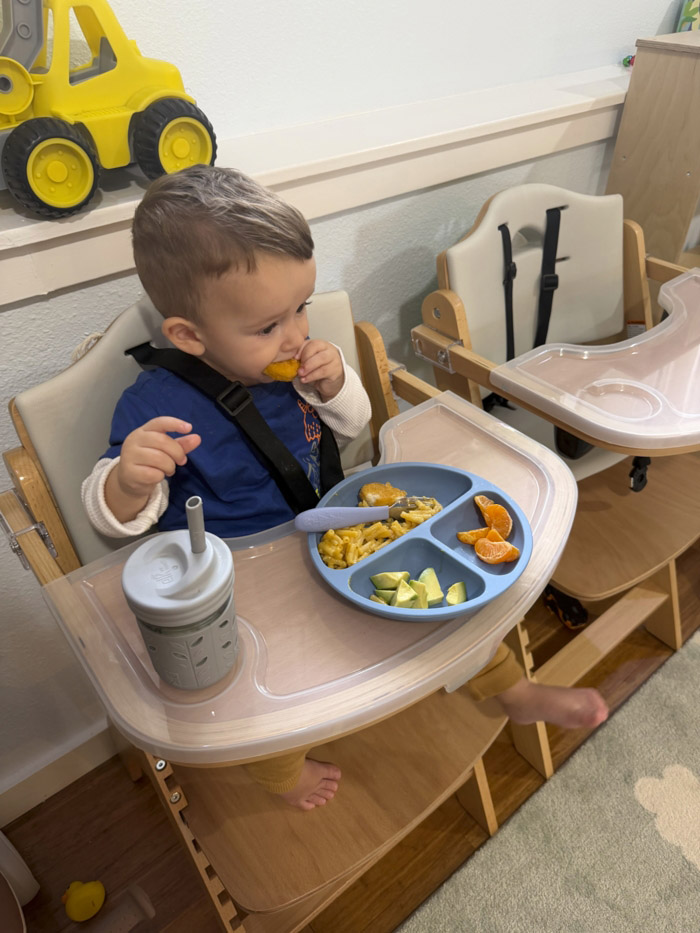
Toddlers begin learning self-reliance through feeding themselves. Offering child-sized utensils, finger foods, and structured snack times encourages toddlers to develop motor coordination and decision-making skills. Mealtime becomes a learning opportunity rather than just a routine.
Toilet Training and Hygiene
Toilet training is a significant milestone in toddler independence. Childcare providers support children with positive reinforcement and structured routines. Emphasizing personal hygiene, like handwashing and using tissues, fosters responsibility and self-confidence.
Language and Communication Skills
Toddlers’ growing vocabulary enables them to express needs, make choices, and engage with peers. Encouraging verbal interaction helps develop autonomy in social settings. Group activities at a licensed daycare in Bothell provide a safe space for toddlers to practice communication and problem-solving skills.
Independence in Preschoolers (3–5 Years)
Dressing and Personal Care
Preschoolers gain independence by dressing themselves, brushing teeth, and managing personal belongings. Childcare providers offer guidance and patience, allowing children to master routines gradually, which builds confidence and self-efficacy.
Social Skills and Peer Interaction
Preschoolers refine independence through group play and cooperative activities. Learning to share, take turns, and resolve conflicts encourages emotional regulation and decision-making. Childcare environments that promote peer engagement support these skills effectively.
Problem-Solving and Decision-Making
Age-appropriate challenges, such as puzzles or team-based games, encourage preschoolers to think critically and make choices independently. These activities prepare children for school and everyday life, fostering a sense of accomplishment and self-confidence.
Role of Childcare Providers in Supporting Independence
Childcare professionals guide children without taking over tasks, offering support only when necessary. They observe, model, and encourage age-appropriate behaviors. A well-trained team ensures children experience successes, failures, and learning moments in a safe environment, which is essential for developing autonomy.
Creating a Safe and Nurturing Environment
Safety is critical for independent exploration. Childcare centers in Bothell follow WAC regulations to maintain secure play areas, hygiene standards, and emergency protocols. A predictable environment allows children to confidently explore and try new skills without unnecessary restrictions.
Benefits of Early Independence
Fostering independence from infancy to preschool has long-term benefits:
Preparation for School: Children adapt better to structured learning environments.
Cognitive Growth: Encourages problem-solving and decision-making.
Emotional Resilience: Builds confidence to handle challenges.
Social Competence: Enhances communication and teamwork skills.
Conclusion: Fostering Independence in Infants and Toddlers
Kido Heaven in Bothell provides childcare for infants and toddlers designed to foster independence through structured, supportive, and age-appropriate learning opportunities. Children gain confidence, develop essential skills, and build resilience as they explore, practice self-feeding, and participate in daily routines. By offering a safe and nurturing environment, children are encouraged to take small steps toward self-reliance while being guided by experienced caregivers.
Why KidoHeaven Stands Out
✅ Licensed in Washington State
✅ Aligned with Early Achievers standards
✅ Working Connections subsidy accepted
✅ Daily updates via Brightwheel
✅ Located in Bothell, serving Mill Creek, Lynnwood & nearby areas
✅ Nutritious snacks, safe outdoor space, & positive mealtime routines
📞 Call 206-734-2040 to schedule a tour
🌐 Enroll now
Follow Our Mealtime Moments
Stay updated with more beautiful outdoor meals and daily learning routines on:
Instagram | Facebook | Nextdoor | Yelp | Winnie | YouTube | Upwards
FAQ
1. At what age should my child start practicing independence at daycare?
A1: Independence can be encouraged from infancy with safe exploration and gradually increases through toddler and preschool years with age-appropriate tasks.
2. How do childcare providers balance guidance and independence?
A2: Providers observe children, offer support only when necessary, and create structured routines that allow children to make choices safely.
3. Are these practices safe for all children?
A3: Yes. WAC-compliant childcare centers like Kido Heaven follow strict safety protocols while promoting autonomy.
4. How can I continue fostering independence at home?
A4: Encourage self-feeding, dressing, and age-appropriate decision-making at home while offering guidance and praise.


