

Curiosity is a core driver of early learning and cognitive development. By offering infants and toddlers opportunities to explore their surroundings, ask questions, and engage in hands-on experiences, parents and caregivers can nurture independent thinking and creativity. This article provides practical strategies for fostering curiosity in early childhood, ensuring children grow confident, inquisitive, and eager to learn.
Understanding Curiosity in Early Childhood
Curiosity is an innate trait in infants and toddlers that fuels learning and exploration. When children are curious, they naturally engage with their environment, test ideas, and observe cause-and-effect relationships. Early childhood research emphasizes that curiosity is a foundation for problem-solving, creativity, and lifelong learning.
Infants explore primarily through their senses, while toddlers begin experimenting with objects, asking questions, and seeking answers. Recognizing these developmental stages helps caregivers provide appropriate challenges that stimulate interest without causing frustration.
The Role of Exploration in Cognitive Development
Exploration is the vehicle through which curiosity strengthens cognitive abilities. Activities that encourage children to manipulate, test, and investigate objects enhance:
- Observation skills: noticing textures, colors, and patterns
- Critical thinking: predicting outcomes of simple experiments
- Memory and attention: remembering results and recalling previous experiences
- Language development: asking questions and describing discoveries
Research shows that children who regularly engage in exploratory play demonstrate better problem-solving skills and are more motivated to learn as they enter preschool and beyond.
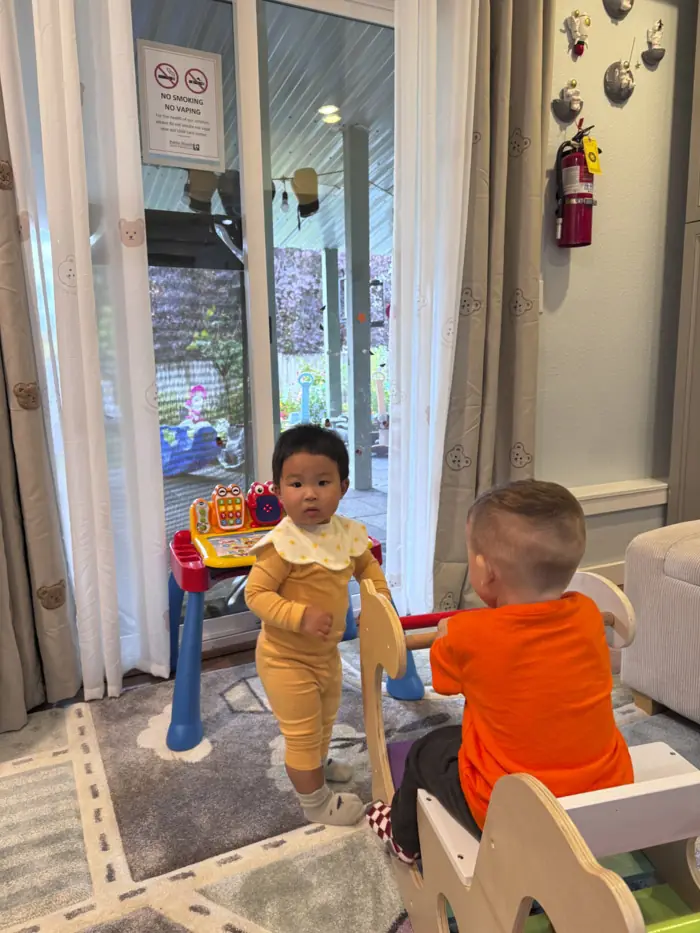
Practical Activities to Encourage Curiosity
Sensory Exploration Activities
Sensory-based experiences allow infants and toddlers to explore textures, sounds, and movements. Examples include:
- Textured discovery boxes: different fabrics, safe household items, or natural materials
- Water play: pouring, scooping, and observing water movement
- Safe object manipulation: stacking cups, nesting blocks, or sensory bottles
These activities help children notice differences and patterns, laying the foundation for scientific thinking.
Nature-Based Learning
Nature offers endless opportunities to stimulate curiosity:
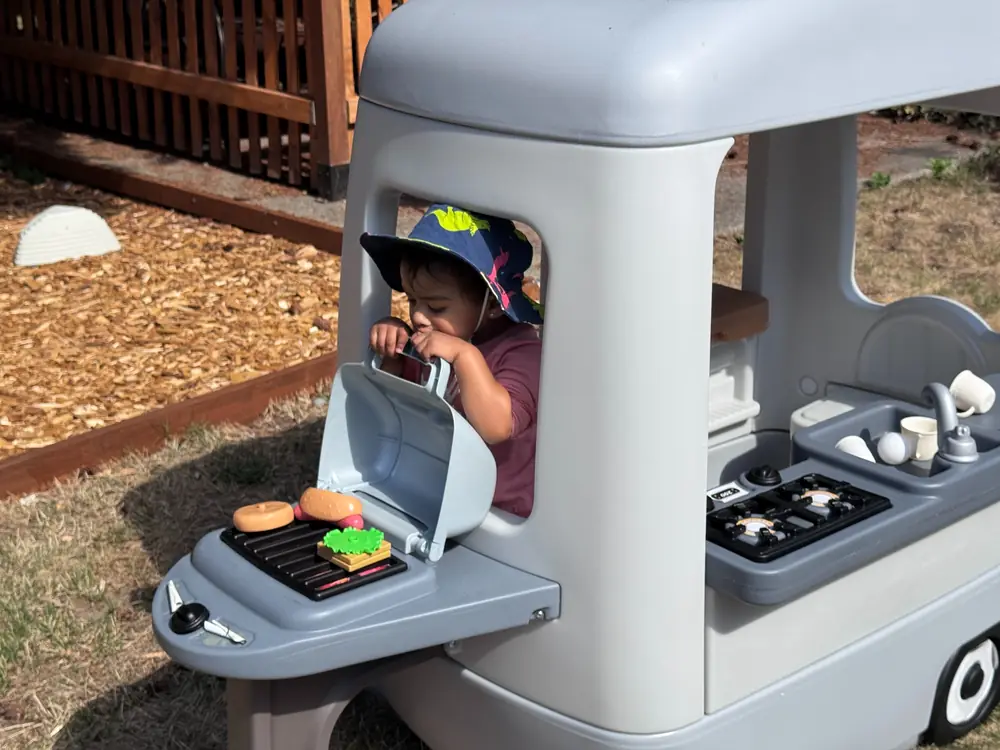
- Outdoor exploration: observing leaves, rocks, insects, or clouds
- Gardening activities: digging, planting seeds, and watching growth
- Nature walks: asking “what” and “why” questions about surroundings
Engaging with the natural world develops observational skills and encourages children to ask questions about cause and effect.
Everyday Object Discovery
Everyday household items can spark curiosity:
- Kitchen utensils, measuring cups, and containers
- Recyclable materials for stacking or sorting
- Safe mirrors or light tables for observation
By interacting with familiar objects in new ways, children develop creativity and problem-solving skills without needing specialized toys.
Creating a Safe and Stimulating Environment
Safety is paramount while encouraging curiosity. Key considerations include:
- Child-proofing spaces: cover outlets, secure cabinets, and remove choking hazards
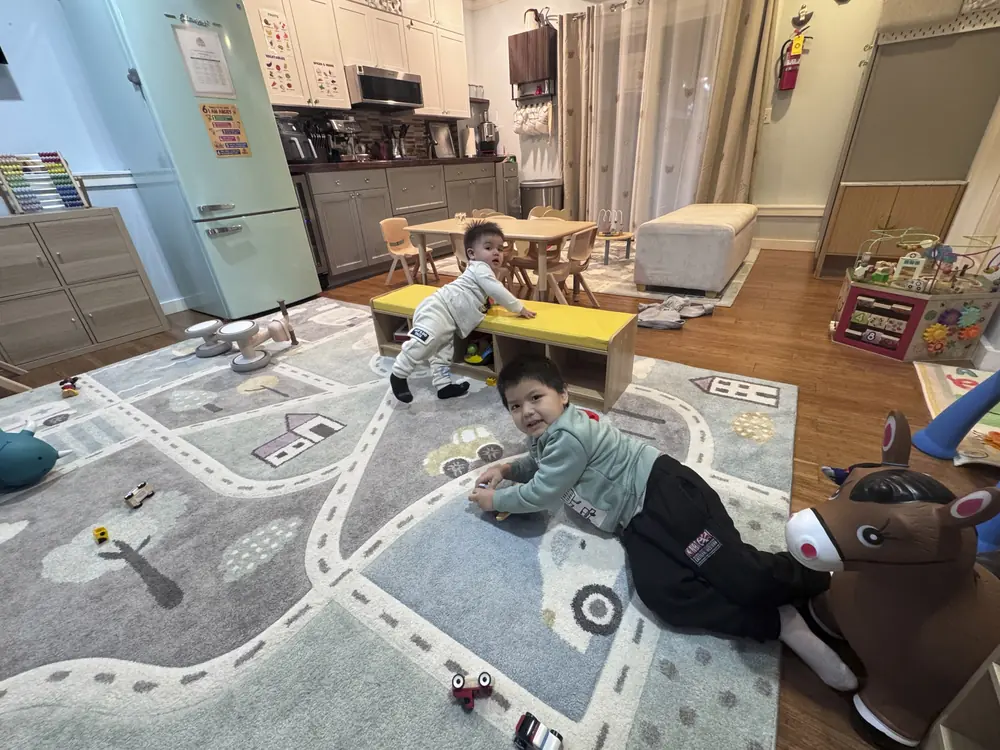
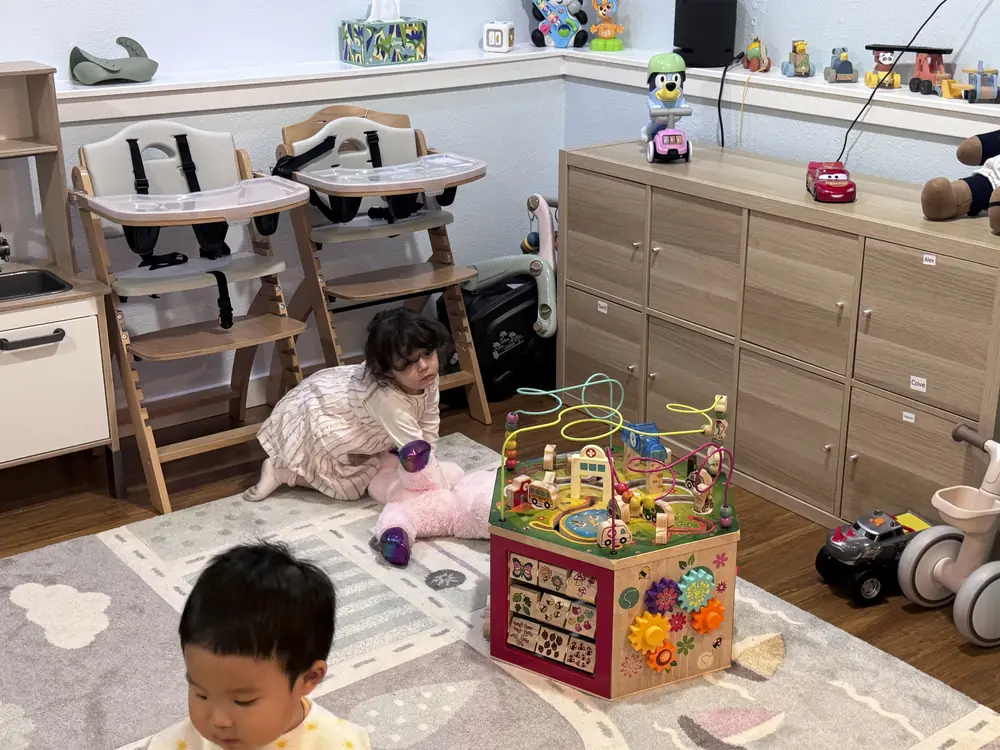
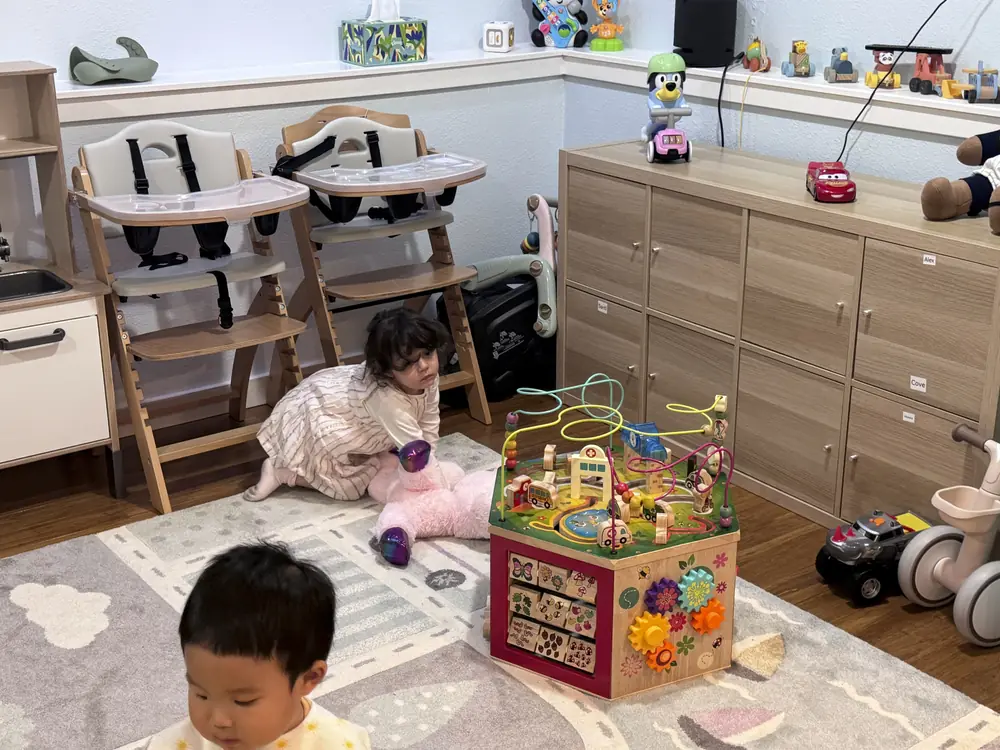
- Accessible materials: provide shelves or bins at child-height for self-directed exploration
- Variety and rotation: frequently introduce new materials to sustain interest and prevent boredom
A well-organized environment allows children to independently choose activities, fostering autonomy and engagement.
Encouraging Questions and Problem-Solving
Curious children naturally ask questions. Caregivers can:
- Respond positively: validate the child’s interest with enthusiasm
- Model thinking aloud: describe observations and hypotheses
- Introduce simple experiments: test floating vs. sinking, mixing colors, or matching shapes
This approach strengthens critical thinking and helps children feel confident in exploring ideas.
Supporting Curiosity Through Play and Routine
Integrating curiosity into daily routines ensures consistent engagement:
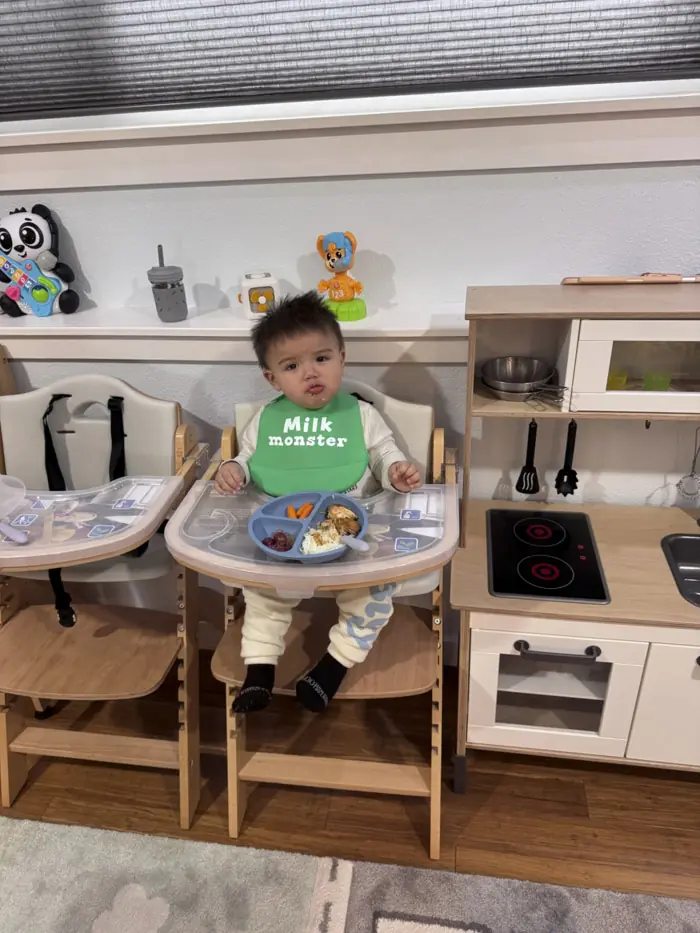
- Meal times: explore food textures, colors, and smells
- Bath time: pouring water, floating objects, and describing changes
- Story time: encourage children to predict endings or explore story elements
These everyday moments become opportunities for discovery without requiring special setups.
Role of Caregivers in Nurturing Curiosity
Caregivers play a crucial role in sustaining curiosity:
- Provide guidance without controlling play
- Ask open-ended questions to encourage exploration
- Observe children and adjust activities based on interests
- Celebrate achievements and discoveries, fostering motivation
When caregivers model curiosity and embrace children’s questions, it promotes a love for learning from an early age.
About Kido Heaven
At Kido Heaven, we understand the importance of nurturing curiosity in infants, toddlers, and preschoolers. Our programs provide safe, stimulating, and WAC-compliant environments where children can explore, ask questions, and develop a lifelong love for learning. For families seeking trusted early learning services, such as daycare in Bothell or child care in Bothell, Kido Heaven combines professional guidance with playful exploration to support both children and parents.
Why KidoHeaven Stands Out
✅ Licensed in Washington State
✅ Aligned with Early Achievers standards
✅ Working Connections subsidy accepted
✅ Daily updates via Brightwheel
✅ Located in Bothell, serving Mill Creek, Lynnwood & nearby areas
✅ Nutritious snacks, safe outdoor space, & positive mealtime routines
📞 Call 206-734-2040 to schedule a tour
🌐 Enroll now
Follow Our Mealtime Moments
Stay updated with more beautiful outdoor meals and daily learning routines on:
Instagram | Facebook | Nextdoor | Yelp | Winnie | YouTube | Upwards
FAQ
1. At what age should curiosity-focused activities begin?
From birth, infants explore through sensory experiences; toddlers can engage in guided exploration and hands-on discovery.
2. How can I make sure exploration is safe?
Child-proof all spaces, supervise closely, and provide age-appropriate materials.
3. Do I need special toys for fostering curiosity?
No. Everyday objects, natural items, and household materials can be highly effective.
4. How often should children engage in exploratory play?
Daily opportunities, even for 15–30 minutes at a time, significantly impact curiosity and cognitive growth.
5. Can curiosity-focused learning help prepare my child for school?
Yes. Children who explore independently develop problem-solving, observation, and communication skills that are vital for preschool readiness.
Visit Kido Heaven Child Care
A licensed home daycare for infants to pre-K, serving Bothell and Mill Creek. Call or text (206) 734-2040 or book a tour.
Book a Tour