

Preparing your child for group play in childcare is an essential step toward building confidence, social skills, and emotional readiness. From practicing sharing at home to developing toddler social skills and supporting preschooler group activities, early preparation makes the transition to daycare smoother and more positive. In this guide, parents will learn practical, research-based strategies to strengthen childcare readiness and help their child thrive in a structured group environment.
Why Group Play Matters in Early Childhood
Group play is one of the most powerful tools in early childhood development. Through structured and unstructured interaction with peers, children learn cooperation, communication, empathy, and problem-solving. These foundational abilities shape academic readiness, emotional health, and long-term social success.
In high-quality early learning environments, group experiences are intentionally designed to support social-emotional growth. According to developmental frameworks used across the United States, including early learning standards in Washington State, social interaction is central to healthy child development. Preparing your child for group play before entering a daycare setting strengthens their confidence and reduces transition stress.
For families seeking Daycare Bothell or child care Bothell, understanding group play preparation is a key part of ensuring childcare readiness.
Understanding Group Play by Developmental Stage
Children experience group play differently depending on age and developmental stage. Preparing effectively requires understanding what is age-appropriate.
Infants (0–12 Months)
Infants engage in what developmental psychologists call “parallel awareness.” While they may not actively play together, they observe one another closely. Babies watch facial expressions, mimic sounds, and begin forming early social connections.
At this stage, group play preparation focuses on:
- Encouraging safe floor play near other babies
- Supporting secure attachment
- Modeling gentle touch
- Talking through emotions (“You’re smiling at your friend!”)
Infant social development builds the neurological pathways necessary for later cooperation.
Toddlers (1–3 Years)
Toddlers typically engage in parallel play before gradually moving toward associative play. They may play side by side but struggle with sharing or waiting for their turn.
Developing toddler social skills involves:
- Learning to say simple phrases like “my turn” or “help please.”
- Practicing short turn-taking activities
- Beginning to recognize emotions in others
- Managing frustration with adult guidance
Tantrums during group play are developmentally normal. The goal is not perfection but progress.
Preschoolers (3–5 Years)
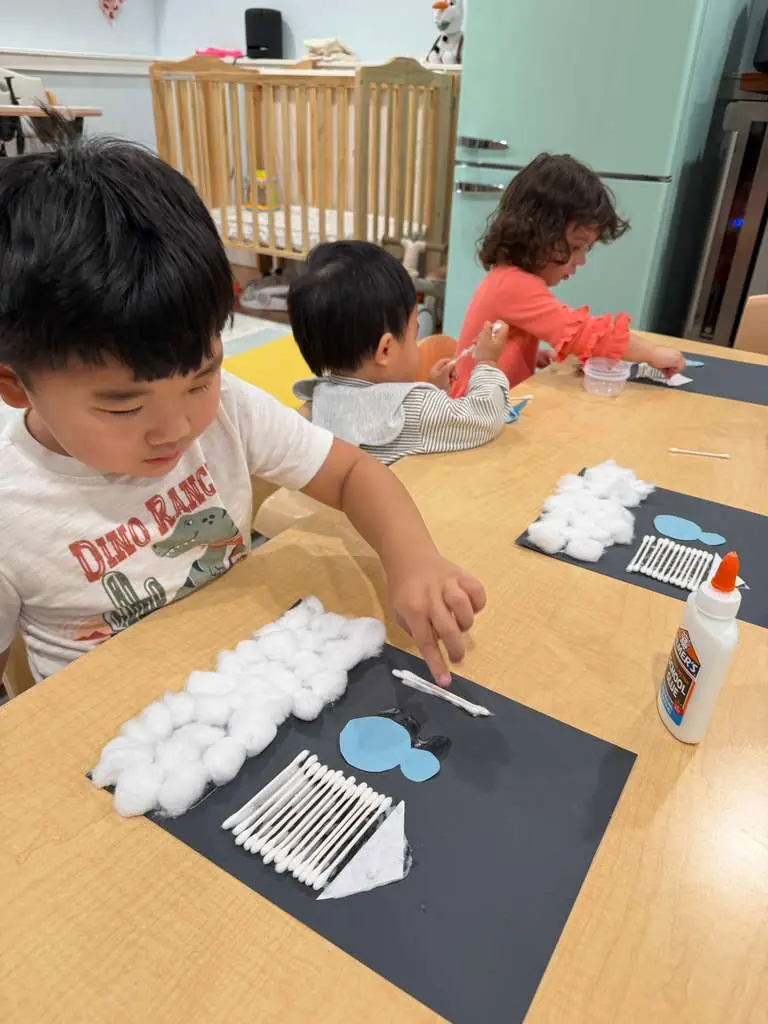
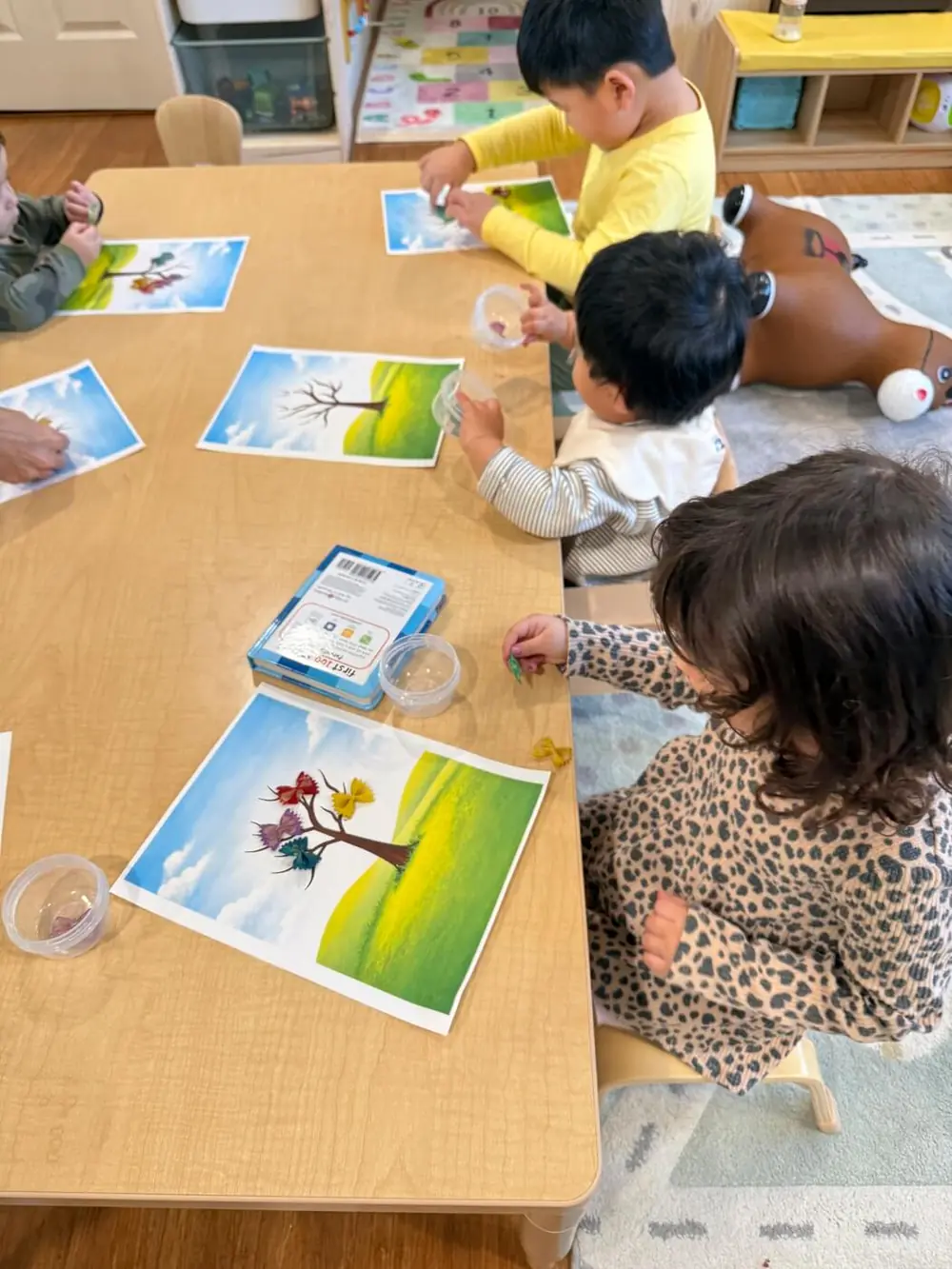
Preschoolers enter cooperative play stages. They create imaginary games, assign roles, and follow group rules. Preschooler group activities such as circle time, collaborative art, and building projects promote leadership and empathy.
At this age, children should be developing:
- Conflict resolution skills
- Emotional vocabulary
- Ability to follow multi-step directions
- Patience during group tasks
Preparation at this stage strengthens kindergarten readiness.
The Science Behind Group Play and Brain Development
Research in early childhood neuroscience shows that peer interaction stimulates the prefrontal cortex—the area responsible for decision-making, impulse control, and empathy. When children navigate sharing or solve small conflicts, neural connections strengthen.
Repeated positive social experiences improve:
- Emotional regulation
- Language development
- Cognitive flexibility
- Stress tolerance
These are lifelong skills. Group play preparation is therefore not just about behavior—it supports healthy brain architecture.
Group Play Preparation at Home: Practical Strategies for Parents
Parents play a critical role in childcare readiness. The home environment is the first training ground for social success.
Building Sharing and Turn-Taking Skills
Start small. Use everyday moments:
- Take turns stacking blocks
- Play simple board games
- Use phrases like “Now it’s my turn, then yours.”
- Set timers for fairness
Consistency matters. Short, positive practice sessions are more effective than long lectures.
Encouraging Emotional Regulation
Children cannot participate successfully in group play if they cannot manage big feelings. Support emotional regulation by:
- Naming emotions daily
- Modeling calm breathing
- Creating predictable routines
- Offering choices to build autonomy
When children feel secure, they cooperate more easily in childcare environments.
Teaching Communication Skills
Language reduces conflict. Encourage:
- Using words instead of grabbing
- Asking for help
- Expressing needs clearly
Reading books about friendship and discussing characters’ emotions can reinforce these lessons.
Supporting Childcare Readiness Before the First Day
Preparing for daycare involves more than academic readiness. Emotional preparedness is essential.
Steps to improve childcare readiness include:
- Visiting the childcare center beforehand
- Meeting teachers together
- Gradually adjusting nap schedules
- Practicing short separations
Routine consistency between home and childcare supports smoother transitions.
Managing Separation Anxiety in Group Settings
Separation anxiety is developmentally normal, especially between 8 months and 3 years. It may resurface during new transitions.
Helpful strategies include:
- Creating a consistent goodbye routine
- Avoiding prolonged departures
- Providing a comfort object
- Staying calm and confident
Children mirror adult emotions. A predictable drop-off routine increases security.
Positive Behavior Guidance and Washington State Childcare Standards
High-quality childcare programs follow structured behavior guidance policies aligned with Washington Administrative Code (WAC) standards for early learning environments. These guidelines emphasize:
- Positive reinforcement
- Redirection instead of punishment
- Developmentally appropriate expectations
- Safe, supervised group interactions
Programs must maintain appropriate staff-to-child ratios and ensure environments support both safety and social learning. This structured framework ensures children practice group play within safe and nurturing boundaries.
Parents can support these standards at home by using consistent expectations and positive discipline strategies.
Partnering with Your Childcare Provider for Success
Effective group play preparation continues through collaboration. Parents should:
- Communicate about their child’s temperament
- Share any behavioral concerns
- Ask about classroom routines
- Reinforce daycare expectations at home
Consistency between home and childcare builds emotional security and reinforces learning.
Common Mistakes Parents Should Avoid
Even well-intentioned parents can unintentionally hinder social development. Avoid:
- Forcing sharing before a child is developmentally ready
- Comparing your child to peers
- Over-scheduling structured activities
- Dismissing emotional outbursts
Group play skills develop gradually. Patience and encouragement are more effective than pressure.
Conclusion: Helping Your Child Thrive at Kido Heaven
Preparing your child for group play in childcare is one of the most meaningful investments you can make in their development. By strengthening toddler social skills, encouraging preschooler group activities at home, and supporting emotional readiness, you help build the foundation for lifelong success.
At Kido Heaven, we are committed to nurturing confident, compassionate learners through structured group play and developmentally appropriate guidance. Our environment supports children at every stage—from infancy through preschool—while aligning with Washington State childcare standards.
If you are searching for trusted Daycare Bothell or high-quality child care Bothell, our team is here to partner with you in your child’s early learning journey.
Why KidoHeaven Stands Out
✅ Licensed in Washington State
✅ Aligned with Early Achievers standards
✅ Working Connections subsidy accepted
✅ Daily updates via Brightwheel
✅ Located in Bothell, serving Mill Creek, Lynnwood & nearby areas
✅ Nutritious snacks, safe outdoor space, & positive mealtime routines
📞 Call 206-734-2040 to schedule a tour
🌐 Enroll now
Follow Our Mealtime Moments
Stay updated with more beautiful outdoor meals and daily learning routines on:
Instagram | Facebook | Nextdoor | Yelp | Winnie | YouTube | Upwards
FAQ
1. At what age should I start group play preparation?
Preparation can begin in infancy through supervised peer exposure and emotional coaching.
2. What if my toddler refuses to share?
Sharing is a learned skill. Focus on turn-taking practice rather than forced sharing.
3. How long does it take for a child to adjust to daycare?
Adjustment periods vary. Many children adapt within 2–4 weeks with consistent routines.
4. Is separation anxiety a sign my child isn’t ready?
No. Separation anxiety is developmentally normal and often temporary.
5. How can I improve toddler social skills quickly?
Daily modeling, role-play, and consistent emotional coaching are most effective.
6. What are the signs of childcare readiness?
Basic communication, ability to follow simple directions, and gradual comfort with short separations.
Visit Kido Heaven Child Care
A licensed home daycare for infants to pre-K, serving Bothell and Mill Creek. Call or text (206) 734-2040 or book a tour.
Book a Tour