

Kindness in early childhood is often treated as something adults explicitly teach through reminders like “share,” “be kind,” or “use gentle hands.” But many of the strongest lessons about kindness are not taught as direct lessons at all.
They develop through what educators often call the hidden curriculum—the unspoken lessons children absorb through relationships, routines, classroom culture, and everyday experiences.
High-quality Daycare Bothell programs often support kindness not through formal instruction alone, but through daily interactions that help children practice empathy, cooperation, and respect in natural ways.
In early learning settings, kindness is often not a scheduled subject. It is woven into how the classroom functions.
What Is the Hidden Curriculum?
The hidden curriculum refers to values, social behaviors, and emotional habits children learn indirectly through participation in everyday classroom life.
Children may learn:
- How to include others
- How to help a friend
- How to wait and cooperate
- How to respond when someone is upset
- How respect is practiced
These lessons are often not delivered through direct teaching. They are experienced.
Hidden Curriculum vs Direct Lessons
Direct lessons may involve:
- Books about kindness
- Teacher-led discussions
- Songs about friendship
The hidden curriculum works differently.
Children often learn kindness when they observe:
- A teacher comforting a child
- A friend helping another during cleanup
- Peers making room for others in play
These lived experiences often shape social behavior deeply.
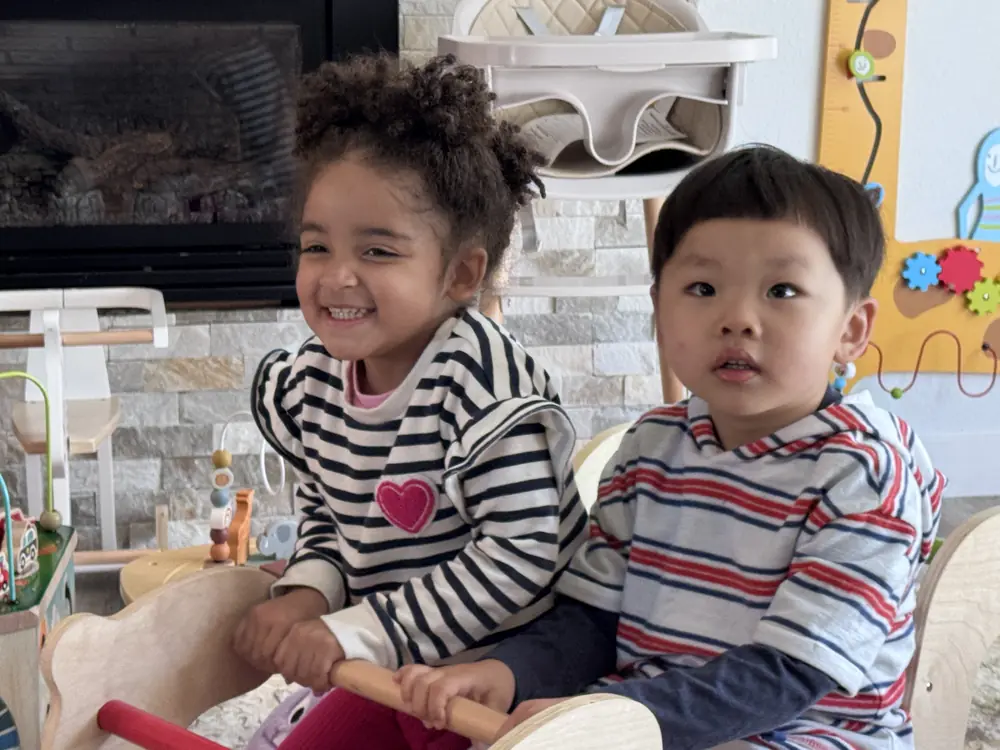
How Kindness Is Learned Beyond Direct Instruction
Young children learn socially by participating in relationships.
Kindness often develops through repeated experiences where children practice caring behavior rather than being told about it.
Observation and Modeling
Children closely observe adults.
When teachers respond with patience, empathy, and respect, children begin absorbing those behaviors as normal ways of relating to others.
This modeling is often more powerful than verbal instruction.
Repetition Builds Social Habits
Kindness grows through repeated small experiences, such as:
- Sharing materials
- Taking turns
- Helping during routines
- Comforting a peer
These moments may seem ordinary, but they shape social habits over time.
Why Kindness Often Develops Indirectly
Kindness is not usually learned through memorization.
It often develops through belonging and emotional safety.
Children Learn Care by Experiencing Care
When children feel respected and supported, they often begin extending that same care to others.
Compassion often grows from experience.
Relationships Support Kindness
Prosocial behavior develops through:
- Trust
- Secure relationships
- Collaborative experiences
- Community routines
Kindness is often relational before instructional.
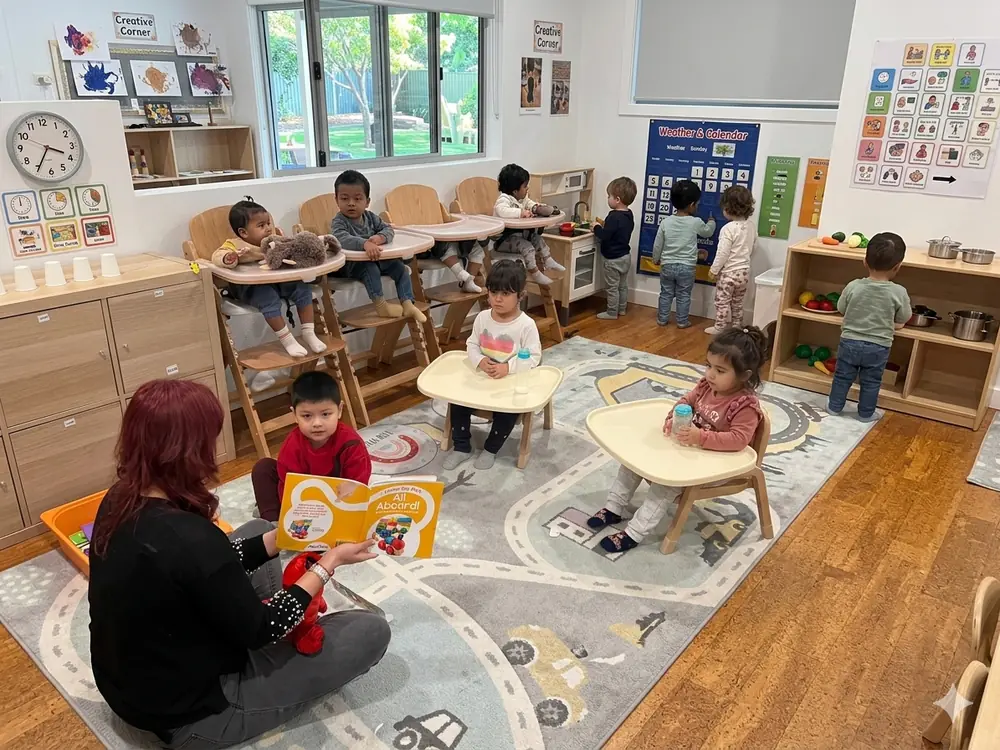
The Classroom as a Social Learning Environment
An early childhood classroom is not only an academic setting.
It is also a social environment where children practice living in a community.
Through group experiences, children learn:
- Cooperation
- Mutual respect
- Awareness of others
- Shared responsibility
These are foundations of kindness.
Group Experiences Build Social Awareness
Children in group care encounter natural opportunities to practice kindness:
- Sharing space
- Negotiating play
- Helping peers
- Solving small problems together
These experiences help kindness emerge naturally.
Daily Routines That Teach Kindness Naturally
Transitions
Simple transitions often teach:
- Patience
- Awareness of others
- Cooperation
Even lining up can become social learning.
Cleanup Time
Cleanup supports:
- Responsibility
- Helping behavior
- Community participation
Children often practice kindness through shared tasks.
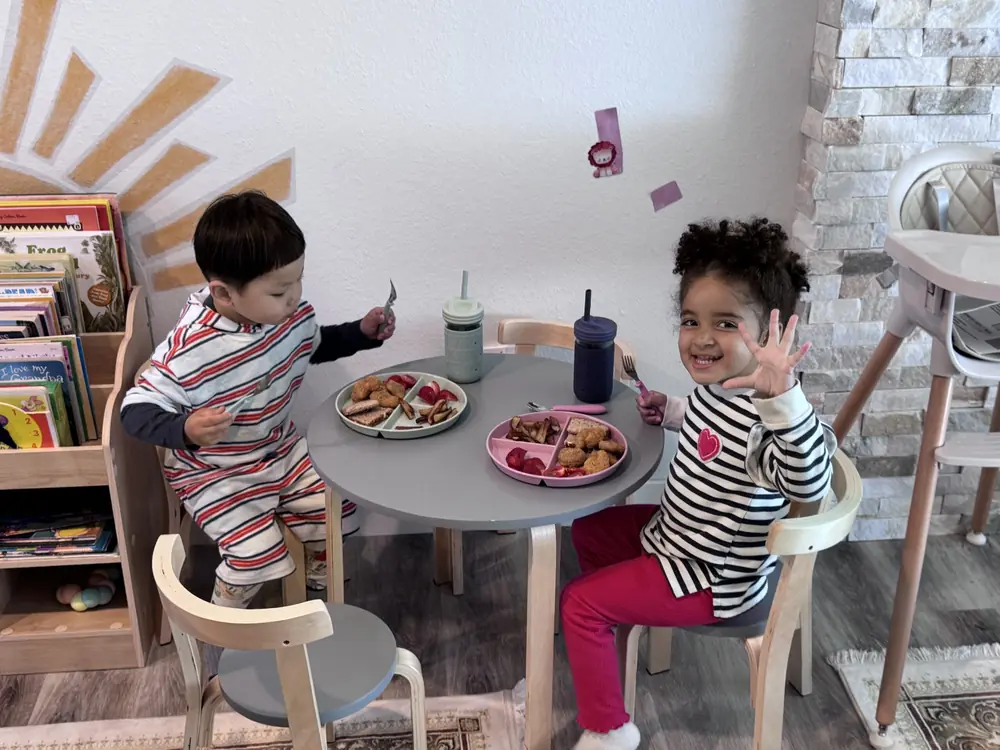
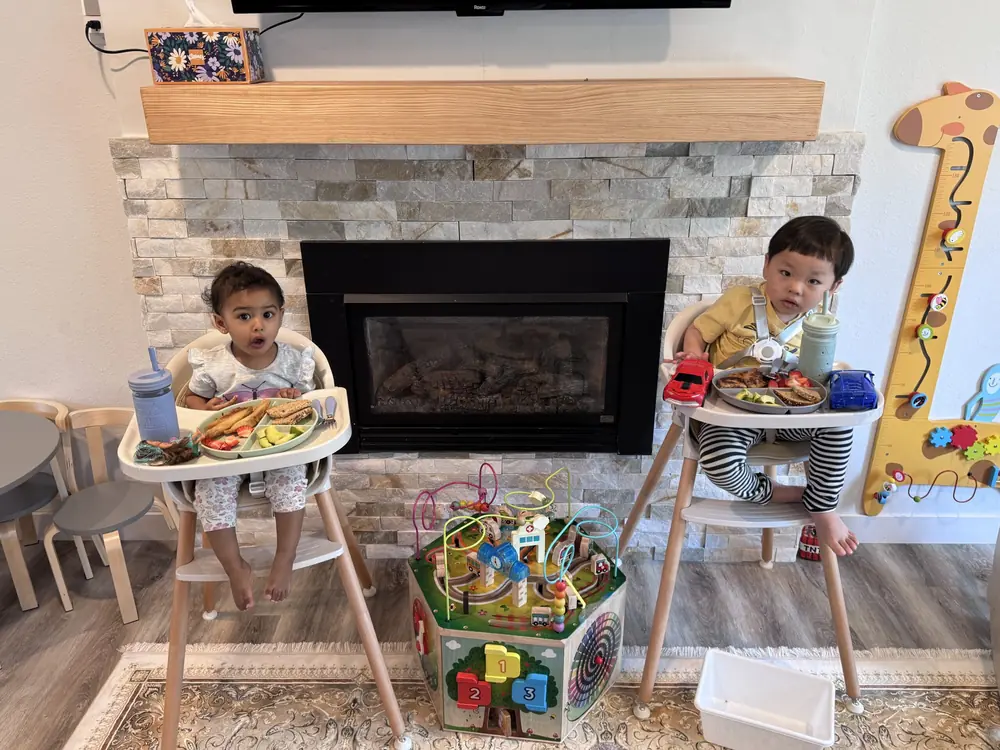
Mealtimes
Shared meals can support:
- Conversation
- Turn-taking
- Consideration for others
Routine moments often carry hidden lessons.
How Teachers Model Unspoken Lessons of Care
Teachers communicate values constantly.
Not only through instruction—
But through response.
Responsive Interactions
Children learn from how adults:
- Handle frustration
- Support problem-solving
- Respond to mistakes
- Repair relationships
These interactions quietly teach empathy.
Emotional Co-Regulation
When adults help children navigate big emotions, they model compassion in action.
Children often learn empathy through being responded to empathetically.
Peer Relationships and Compassion
Peers are powerful teachers.
Many lessons about kindness develop through child-to-child relationships.
Collaborative Play
In cooperative play, children practice:
- Inclusion
- Negotiation
- Perspective-taking
These are core kindness skills.
Helping Behaviors
Young children often begin showing prosocial behavior naturally:
- Helping a friend
- Bringing comfort
- Offering assistance
Supportive classrooms nurture these behaviors.
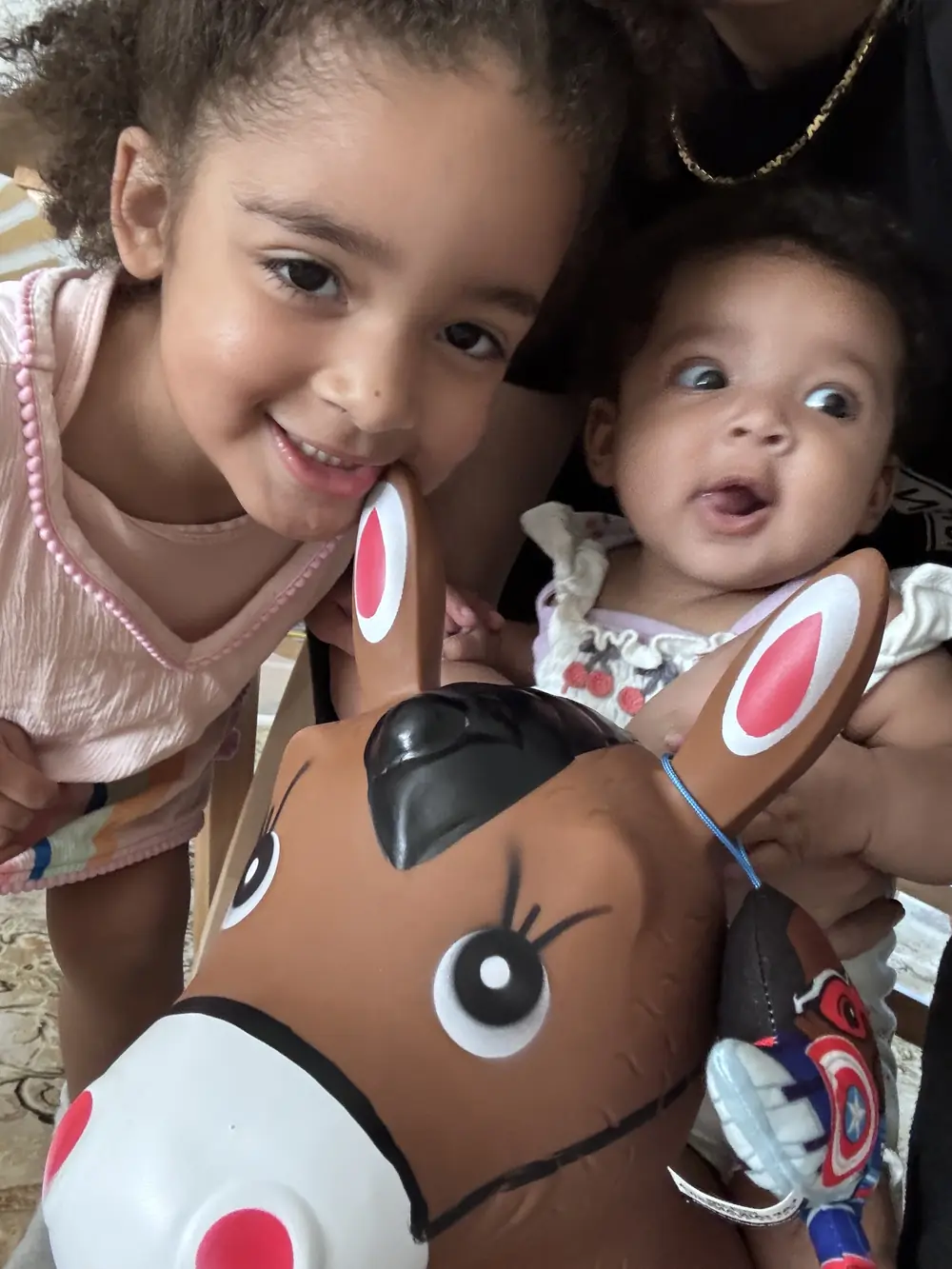
Conflict Resolution as a Hidden Lesson in Empathy
Conflict can become a setting for social growth.
Repair Teaches Kindness
When conflicts are guided respectfully, children may learn:
- Accountability
- Perspective taking
- Reconnection
Repair is often a hidden lesson in compassion.
Problem Solving Over Punishment
Supportive classrooms often use conflict as a teaching opportunity rather than simply correcting behavior.
This can help empathy grow.
Why Environment Matters in Kindness Development
The environment teaches too.
Spaces Can Invite Cooperation
Classroom environments can support kindness through:
- Shared activity areas
- Collaborative play spaces
- Materials designed for cooperation
The environment can shape social behavior.
Emotional Safety Supports Prosocial Growth
Children often show more empathy when they feel secure.
Safety and kindness are deeply connected.
The Role of Group Care in Prosocial Growth
Group care provides daily opportunities to practice community living.
This is one reason many families choose child care programs in Bothell that prioritize social-emotional development alongside early learning.
Children often learn kindness because they experience belonging within a group.
How Families and Classrooms Reinforce Hidden Lessons
Children benefit when kindness is reinforced across settings.
Consistency Matters
When home and school both model:
- Respect
- Cooperation
- Compassionate
children receive stronger support.
Shared Values Shape Identity
Over time, kindness can become more than behavior.
It can become part of how children see themselves.
Conclusion
Some of the most meaningful lessons children learn are never written into a formal curriculum.
They are woven into routines, relationships, and everyday interactions.
That is the hidden curriculum of kindness.
When children experience classrooms built on empathy, respect, cooperation, and care, kindness often develops naturally—not as a rule to memorize, but as a way of being.
At Kido Heaven Early Learning Center, our Daycare Bothell approach helps children learn kindness through relationships, routines, and meaningful daily experiences. Families seeking nurturing child care in Bothell environments often value how these unspoken lessons support long-term emotional growth.
Why KidoHeaven Stands Out
✅ Licensed in Washington State
✅ Aligned with Early Achievers standards
✅ Working Connections subsidy accepted
✅ Daily updates via Brightwheel
✅ Located in Bothell, serving Mill Creek, Lynnwood & nearby areas
✅ Nutritious snacks, safe outdoor space, & positive mealtime routines
📞 Call 206-734-2040 to schedule a tour
🌐 Enroll now
Follow Our Mealtime Moments
Stay updated with more beautiful outdoor meals and daily learning routines on:
Instagram | Facebook | Nextdoor | Yelp | Winnie | YouTube | Upwards
FAQ
1. What is the hidden curriculum in early childhood?
It refers to social and emotional lessons children absorb through routines, relationships, and classroom culture rather than direct teaching.
2. Why is kindness part of the hidden curriculum?
Because children often learn kindness through lived experiences, observation, and participation.
3. How do teachers support kindness without teaching lessons on kindness?
Through modeling empathy, guiding conflict respectfully, and creating cooperative classroom environments.
4. Can group childcare help children develop empathy?
Yes, group settings provide natural opportunities to practice helping, cooperation, and perspective-taking.
5. Why are routines important in teaching kindness?
Repeated daily experiences help children internalize prosocial habits.
Visit Kido Heaven Child Care
A licensed home daycare for infants to pre-K, serving Bothell and Mill Creek. Call or text (206) 734-2040 or book a tour.
Book a Tour