

Children learn about emotions long before they can explain them. Before they develop self-regulation, they borrow regulation from the adults around them. A calm adult response during moments of stress, frustration, or conflict can shape how children understand safety, emotions, and relationships.
When adults respond with steadiness instead of reactivity, children receive more than comfort. They receive a model for managing feelings. This process, often called co-regulation, plays a foundational role in emotional development and is strongly supported by child development research.
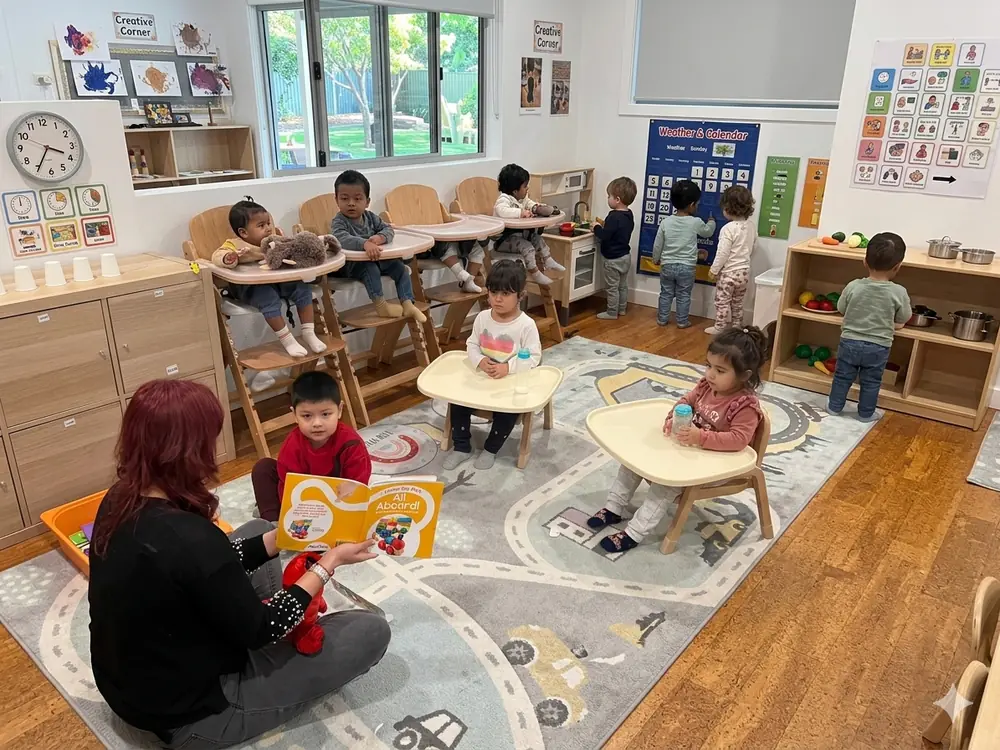
In nurturing environments such as Daycare Bothell and quality child care Bothell programs, calm and responsive interactions help children build emotional security through everyday experiences. These moments often shape a child’s emotional world more deeply than adults realize.
This article explores how calm adult responses influence emotional growth, why co-regulation matters, and how responsive caregiving supports healthy development.
What Is Co-Regulation in Child Development?
Children are not born knowing how to regulate overwhelming emotions. Self-regulation develops gradually through relationships.
Co-regulation happens when a calm adult helps a child manage strong emotions through supportive presence, tone, and guidance.
Examples include:
- Staying calm during a tantrum
- Helping a child breathe when upset
- Naming feelings without judgment
- Offering reassurance during frustration
- Responding with connection before correction
Co-Regulation Comes Before Self-Regulation
A common misconception is that young children should simply “learn to calm down.”
Developmentally, children first experience calm with adults before they can create calm independently.
This is why adult responses matter so much.
Why Adult Responses Shape a Child’s Emotional World
Children absorb emotional patterns through repeated interactions.
When adults consistently respond calmly, children often learn:
- Big feelings can be managed
- Relationships stay safe during distress
- Emotions are not dangerous
- Mistakes do not threaten the connection
These beliefs shape emotional development in profound ways.
Children Read Adult Nervous Systems
Children often respond less to words than to tone, body language, and emotional energy.
An adult saying “calm down” while sounding tense may increase stress.
An adult speaking softly and remaining regulated often helps lower stress.
Calm communicates safety.
How Children Learn Emotional Regulation Through Modeling
Children learn emotional skills by watching adults.
This is where modeling calm matters.
Emotional Regulation Is Caught, Not Just Taught
Children learn from adults who:
- pause before reacting
- solve problems calmly
- Manage frustration respectfully
- repair conflict peacefully
These lived experiences become internal models.
Modeling Calm Teaches More Than Instructions
Saying:
“Use your words.”
has value.
But showing:
“I’m frustrated, so I’m taking a breath before I respond.”
teaches emotional regulation in action.
Modeling often teaches more deeply than verbal instruction.
Why Calm Responses Support Emotional Safety
Emotional development depends heavily on emotional safety.
When children feel emotionally safe, they are more likely to:
- express feelings openly
- recover from stress
- take social risks
- develop resilience
- trust supportive relationships
Calm Responses Reduce Emotional Escalation
A dysregulated adult often escalates a dysregulated child.
A regulated adult often helps de-escalate.
For example:
Instead of:
“Stop crying right now.”
A calm response may be:
“You’re upset. I’m here with you.”
That changes the emotional experience completely.
What Happens When Adults React Instead of Regulate
All adults react sometimes. The goal is not perfection.
But chronic reactive responses may affect emotional development.
Examples include:
- yelling during stress
- shaming emotional expression
- responding unpredictably
- dismissing feelings
- escalating conflict
These patterns may teach children that emotions are unsafe or overwhelming.
Reactivity Can Undermine Regulation Skills
Children often cannot learn regulation in the middle of emotional chaos.
They learn regulation when adults provide calm structure.
That is why adult self-regulation matters in child development.
Practical Ways Calm Responses Help Children Thrive
1. Calm Responses Teach Emotional Boundaries
Children learn:
Feelings are okay.
Unsafe behavior still has limits.
That balance matters.
2. Calm Responses Build Resilience
Children recover more effectively when supported through stress rather than punished for having emotions.
Support builds resilience.
3. Calm Responses Support Problem Solving
When emotions settle, thinking returns.
Children can then practice:
- conflict resolution
- flexibility
- repair
- communication
Regulation supports learning.
4. Calm Responses Strengthen Relationships
Children often feel safer with adults who stay steady in hard moments.
That trust supports development.
Calm Responses in Group Care and Early Learning Settings
High-quality early learning environments often support co-regulation throughout daily routines.
Programs aligned with Washington State childcare expectations and WAC-informed practices often emphasize:
- responsive caregiving
- emotional support
- relationship-based learning
- developmentally appropriate guidance
Group Settings Offer Daily Practice
Children practice regulation during:
- transitions
- sharing conflicts
- disappointments
- waiting
- peer interactions
With calm adult support, these become learning opportunities.
Responsive Teachers Help Create Emotional Stability
When educators respond calmly and consistently, children often feel secure enough to explore, learn, and connect.
This is one reason emotionally responsive care matters so much.
Strategies Adults Can Use to Model Calm
Pause Before Responding
A brief pause often prevents reactive responses.
Regulated adults regulate children.
Lower Your Voice, Don’t Raise It
A softer tone often helps children settle faster than louder correction.
Calm can be contagious.
Name Feelings
Try:
- You seem frustrated.
- That was disappointing.
- You look upset.
Naming emotions often reduces overwhelm.
Connect Before Correcting
Connection first.
Guidance second.
This supports cooperation far more effectively.
Repair After Hard Moments
Adults do not need perfect responses.
Repair matters too.
“I was frustrated and raised my voice. I’m sorry.”
That models accountability and emotional health.
Calm Responses Support the Emotional World Children Carry Forward
Children build internal emotional patterns through repeated relational experiences.
When adults respond calmly, children often carry forward beliefs like:
- I am safe when upset.
- Emotions can be managed.
- Problems can be solved.
- Relationships stay secure during conflict.
These beliefs shape emotional well-being for years.
That is why calm responses are not small moments.
They are developmental moments.
Conclusion
Children do not learn emotional regulation in isolation.
They learn it through relationships.
Through calm adult responses, children begin to understand emotions as manageable, relationships as safe, and challenges as something they can navigate.
Co-regulation and modeling calm are not minor caregiving techniques—they help shape a child’s emotional world.
At Kido Heaven Early Learning Center, we believe emotional development grows through responsive relationships, calm guidance, and supportive learning environments. Through nurturing care, children build the emotional foundations for confidence, resilience, and lifelong well-being.
Why KidoHeaven Stands Out
✅ Licensed in Washington State
✅ Aligned with Early Achievers standards
✅ Working Connections subsidy accepted
✅ Daily updates via Brightwheel
✅ Located in Bothell, serving Mill Creek, Lynnwood & nearby areas
✅ Nutritious snacks, safe outdoor space, & positive mealtime routines
📞 Call 206-734-2040 to schedule a tour
🌐 Enroll now
Follow Our Mealtime Moments
Stay updated with more beautiful outdoor meals and daily learning routines on:
Instagram | Facebook | Nextdoor | Yelp | Winnie | YouTube | Upwards
FAQ
1. Is praise bad for children?
No. Praise can be helpful when balanced and specific. The concern is relying on praise alone instead of a deeper emotional connection and validation.
2. What is the difference between praise and validation?
Praise often evaluates behavior.
Validation recognizes feelings, effort, and internal experience.
Both can have value, but validation often supports deeper emotional development.
3. Does feeling seen improve self-esteem?
Yes. Feeling understood and valued supports secure identity, resilience, and healthy self-worth.
4. Can daycare help children feel seen?
High-quality early learning environments often support this through responsive caregiving, individualized attention, and relationship-based teaching.
5. How can parents help children feel seen every day?
Small practices help:
attentive listening
noticing effort
naming emotions
respecting perspectives
responding with empathy
These moments build emotional security.
Visit Kido Heaven Child Care
A licensed home daycare for infants to pre-K, serving Bothell and Mill Creek. Call or text (206) 734-2040 or book a tour.
Book a Tour