


Emotional bonding is the cornerstone of healthy infant development, especially in daycare settings where children spend significant time away from their parents. Strong emotional bonds foster a sense of security, helping infants feel safe and valued in their environment. This foundation is critical for emotional regulation, social skills, and overall well-being as they grow.In daycare, caregivers play a vital role in building these bonds, acting as trusted figures who provide consistent care and comfort. For parents in Bothell seeking quality childcare, understanding how daycare supports emotional bonding can ease concerns and ensure their infants thrive. By prioritizing infant bonding, daycare providers create a nurturing space that mirrors the warmth of home, setting the stage for healthy development. This article explores evidence-based techniques for fostering emotional bonds with infants in daycare, offering practical guidance for caregivers and parents to support emotional growth.
The Science of Infant Attachment
Building emotional bonds with infants is rooted in attachment theory, a framework that explains how early relationships shape development. Understanding the science behind attachment helps caregivers in daycare settings create meaningful connections with infants.
What Is Secure Attachment?
Secure attachment, as described by psychologist John Bowlby, occurs when infants feel confident that their needs will be met by responsive caregivers. In daycare, this means caregivers consistently respond to an infant’s cries, smiles, or gestures, creating a predictable and safe environment. Securely attached infants are more likely to explore their surroundings, develop confidence, and form healthy relationships later in life. Research from Zero to Three highlights that secure attachment in the first year supports long-term emotional resilience.
Impact on Emotional Development
Emotional bonds directly influence an infant’s ability to regulate emotions and build social skills. When caregivers provide consistent, nurturing responses, infants learn to trust others and manage stress. Studies show that secure attachment correlates with better emotional regulation and fewer behavioral challenges in toddlerhood. In childcare settings, fostering these bonds ensures infants feel safe, paving the way for healthy emotional development.
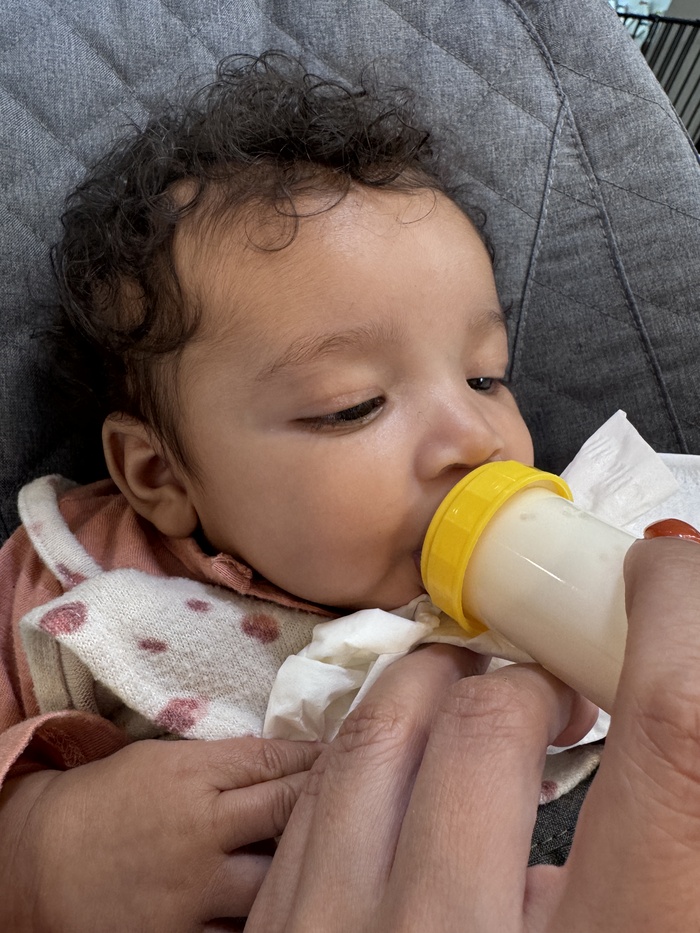
Responsive Caregiving Techniques
Responsive caregiving is the practice of attentively addressing an infant’s needs, fostering trust and emotional security. Below are key techniques caregivers in daycare settings can use to build strong emotional bonds with infants, tailored for Bothell parents seeking quality infant care.
Eye Contact and Facial Expressions
Eye contact is a powerful tool for building emotional connections. When caregivers maintain gentle, consistent eye contact during interactions like feeding or diapering, infants feel seen and understood. Smiling and mirroring an infant’s facial expressions further strengthen this bond, signaling warmth and engagement. For example, responding to an infant’s coo with a smile reinforces their sense of connection, crucial for emotional development in daycare settings.
Soothing Routines for Comfort
Soothing routines, such as gentle rocking, soft singing, or patting, help infants feel calm and secure. These consistent actions signal to infants that their caregiver is a reliable source of comfort. In a busy daycare environment, establishing predictable routines—like a lullaby before naptime—can create a sense of stability, fostering trust and emotional bonding.
Consistent Caregiver Responses
Responding promptly and predictably to an infant’s cues, such as crying or reaching out, builds a foundation of trust. Caregivers should aim to interpret and address these signals with care, whether it’s comforting a distressed infant or engaging with a curious one. Consistency in responses helps infants learn that their needs matter, strengthening childcare relationships and supporting emotional growth.
Creating a Supportive Daycare Environment
A nurturing daycare environment is essential for fostering emotional bonds with infants. By designing spaces and routines that prioritize comfort and consistency, caregivers can support healthy emotional development for infants in Bothell childcare settings.
Designing a Calming Space
A calm, predictable environment helps infants feel secure. Daycare providers can create cozy areas with soft lighting, comfortable bedding, and minimal overstimulation. Assigning consistent caregivers to infants ensures familiarity, which is critical for building trust. For example, a dedicated caregiver who greets an infant each morning with warmth can reinforce a sense of safety, mimicking the comfort of home in a Bothell daycare.
Partnering with Parents for Bonding
Collaboration with parents strengthens emotional bonding. Caregivers can share daily updates about an infant’s mood, routines, and interactions, helping parents reinforce bonding at home. For instance, suggesting a consistent bedtime routine that mirrors daycare practices can create continuity. Engaging parents through workshops or check-ins fosters a team approach, ensuring infants receive cohesive care that supports emotional development.

The Caregiver’s Role in Emotional Growth
Caregivers in daycare settings are pivotal in shaping infants’ emotional development. Their interactions lay the groundwork for trust and security, essential for healthy growth.
Fostering Trust Through Interaction
Consistent, attentive interactions help infants develop confidence in their caregivers. Simple actions like responding to a smile with warmth or comforting a fussy infant build trust over time. In daycare, caregivers who engage with infants during routine tasks—like feeding or changing—create opportunities for meaningful connections, reinforcing emotional security.
Recognizing Infant Emotional Cues
Understanding and responding to an infant’s emotional cues, such as fussiness, cooing, or body language, is critical. Caregivers should observe these signals and adjust their responses accordingly. For example, a restless infant may need gentle rocking, while a curious one might benefit from verbal engagement. Recognizing these cues strengthens childcare relationships and supports emotional growth.
Conclusion: Choosing the Right Daycare for Emotional Growth | Kidoheaven
Fostering emotional bonds with infants in daycare is essential for their long-term development. Through responsive caregiving techniques like eye contact, soothing routines, and consistent responses, caregivers create a nurturing environment where infants feel secure and valued. These bonds support emotional regulation, social skills, and confidence, setting the stage for healthy growth.For parents in Bothell seeking a daycare that prioritizes emotional bonding, Kidoheaven offers a trusted solution. Our dedicated caregivers create a warm, supportive environment to nurture your infant’s emotional development. Visit our daycare in Bothell to learn how we support your child’s growth with care and expertise. Word Count: ~150 words
SEO Keywords: daycare Bothell, infant care, emotional development
Internal Link: daycare in Bothell
📣 Call to Action:
Want to learn more or schedule a tour?
📞 Call us at 206-734-2040
🌐 Visit: www.kidoheaven.com
📍 We are a licensed family home daycare in Bothell, WA
We welcome you to join our growing family, where your child’s safety and development come first.
Follow Our Mealtime Moments
Stay updated with more beautiful outdoor meals and daily learning routines on:
Instagram | Facebook | Nextdoor | Yelp | Winnie | YouTube | Upwards
FAQ
Why is emotional bonding important for infants in daycare?
Emotional bonding creates a sense of security, supporting emotional regulation and social skills. It helps infants feel safe in daycare, fostering healthy development.
How can caregivers build trust with infants?
Caregivers can build trust through consistent eye contact, soothing routines, and prompt responses to infants’ needs, creating a reliable and nurturing environment.
What are responsive caregiving techniques?
Responsive caregiving involves attentive, consistent responses to an infant’s cues, such as crying or smiling, using techniques like eye contact and soothing routines.
How does daycare support toddler attachment?
Daycare supports toddler attachment by providing consistent caregivers, nurturing environments, and routines that mimic home, fostering trust and security.
How can parents reinforce bonding at home?
Parents can reinforce bonding by maintaining consistent routines, engaging in face-to-face interactions, and collaborating with daycare providers for continuity.


