

Early childhood programs play a vital role in nurturing infants and toddlers through education, health services, and engaging activities like sensory play. These programs create safe, stimulating environments that support developmental milestones, from motor skills to social-emotional growth. By fostering cognitive and physical development, they lay a foundation for lifelong learning. This article explores expert strategies for supporting young children, including adaptable activities for preschoolers, health-focused care, and nurturing spaces. Discover how these programs benefit families and promote child development. Read on for practical insights, activity comparisons, and tips to choose the right program for your child.
What Are Early Childhood Programs?
Early childhood programs support children from birth to age 5, blending education, health, and care to foster development. These programs, including daycares and preschools, provide structured environments where infants and toddlers thrive through play-based learning and health-focused services. By addressing cognitive, physical, and emotional needs, they prepare children for future success. High-quality programs employ trained caregivers and adhere to strict safety standards, ensuring a nurturing foundation for young learners.
Why Early Childhood Matters
The first three years of life are critical for brain development, with 90% of brain growth occurring before age 5. Early childhood programs shape cognitive, social, and emotional skills through intentional activities and care. Research shows that quality early education improves academic outcomes and emotional resilience.
Key Developmental Milestones
Infants and toddlers reach milestones at different paces, but programs target key areas like motor skills, language, and social bonds. Below is a comparison of milestones:
| Age Group | Motor Skills | Language Development | Social-Emotional Growth |
|---|---|---|---|
| Infants (0–12 months) | Rolling, grasping | Cooing, babbling | Smiling, bonding |
| Toddlers (1–3 years) | Walking, stacking | First words, sentences | Parallel play, emotions |
Educational Strategies for Young Children
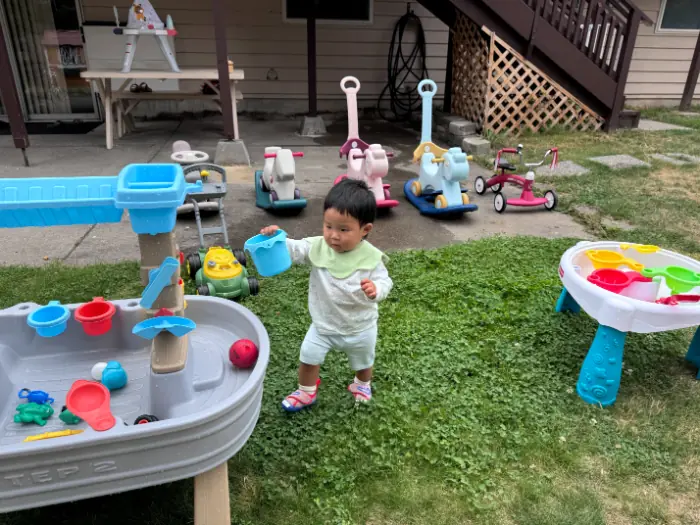
Early childhood programs use play-based learning to support development, focusing on activities that engage young minds.
Sensory Play for Cognitive Growth
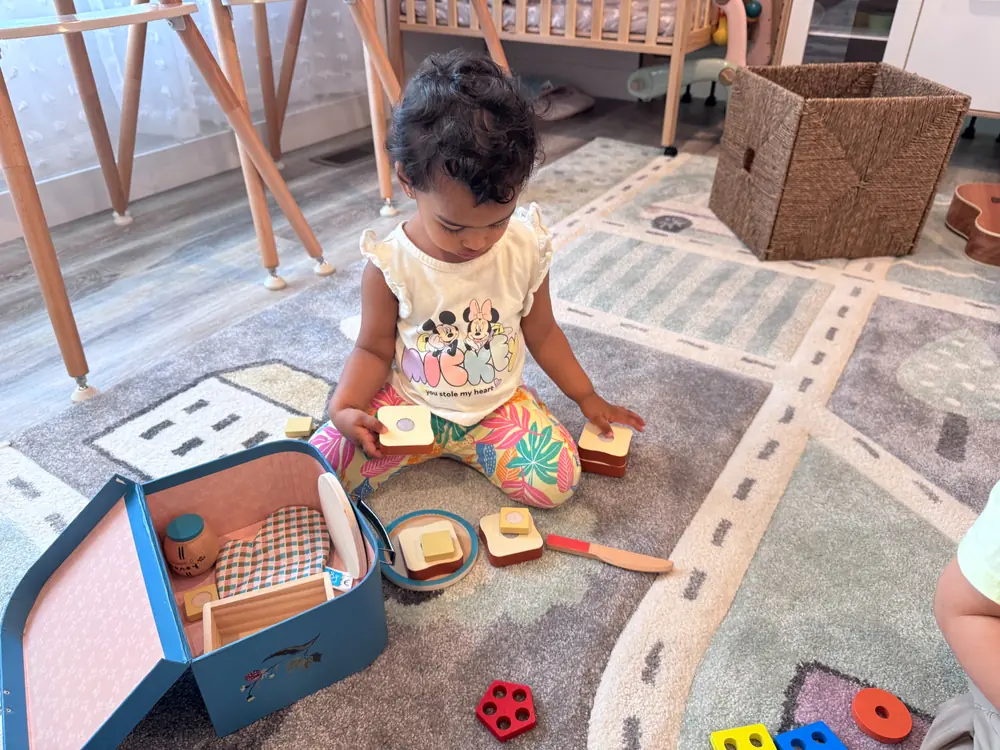
Sensory play, like exploring textures or water, enhances cognitive and motor skills. For infants, soft toys spark curiosity; for toddlers, sandboxes encourage exploration. These activities stimulate neural connections, supporting problem-solving and creativity.
Language and Social Development
Songs, storytelling, and group play build language and social skills. Caregivers model conversations, helping toddlers form words and sentences. Group activities, like circle time, foster cooperation and empathy.
Adapting Activities for Preschoolers
Infant activities, like sensory bins, can evolve for preschoolers by adding sorting or counting tasks. For example, a water play station for toddlers becomes a science experiment for preschoolers, teaching concepts like volume.
Health Services in Early Childhood Programs
Health services ensure infants and toddlers thrive physically and emotionally in safe settings.
Nutrition and Physical Health
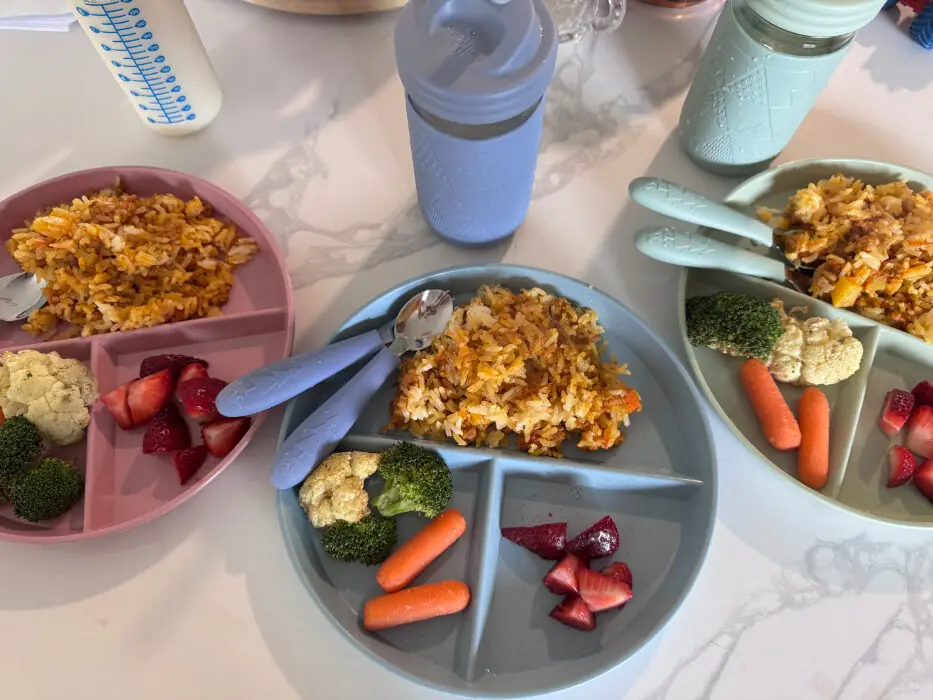
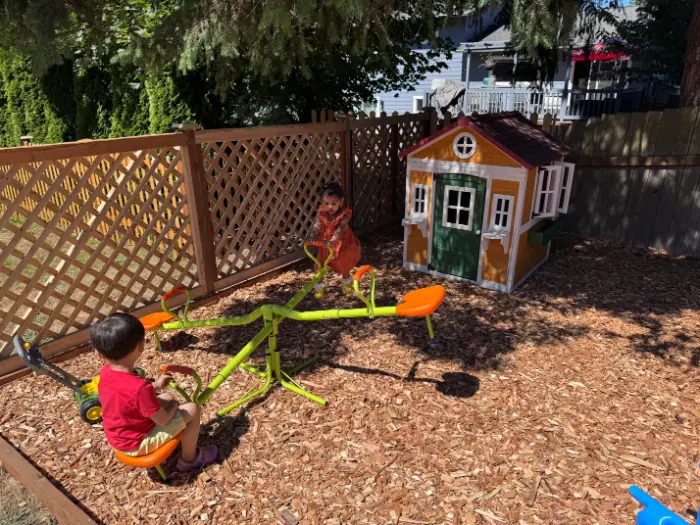
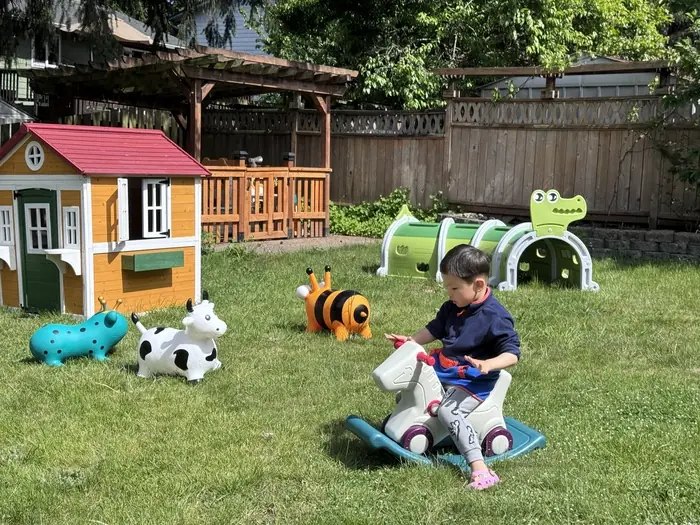
Programs provide balanced meals tailored to dietary needs, including allergy management. Physical activities, like crawling tunnels for infants or outdoor play for toddlers, promote motor development.
Mental and Emotional Well-Being
Responsive caregiving, consistent routines, and positive interactions build emotional security. Caregivers comfort infants during transitions and guide toddlers through emotional challenges, fostering resilience.
Safety Standards
High-quality programs maintain sanitized spaces, secure equipment, and trained staff. Regular safety checks and emergency protocols ensure child safety.
Creating Nurturing Environments
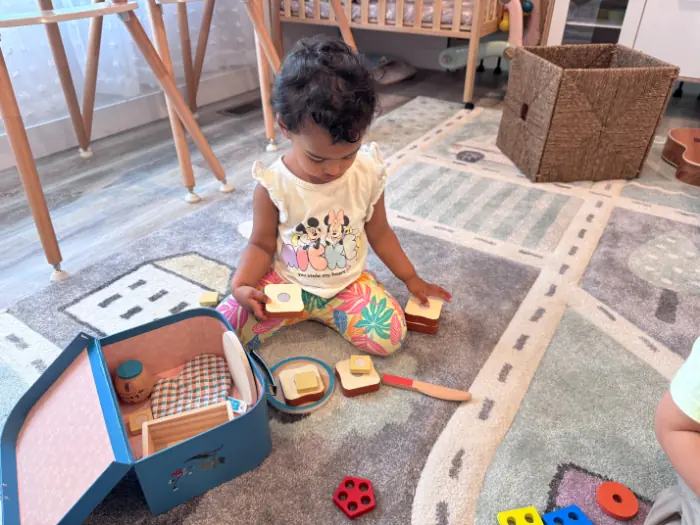
Nurturing environments are the backbone of early childhood programs, offering security and stimulation.
Role of Caregivers
Trained caregivers build trust through responsive, empathetic interactions. They observe developmental needs, tailoring activities to each child’s stage.
Developmentally Appropriate Spaces
Safe, engaging spaces include soft play areas for infants and interactive stations for toddlers. Age-appropriate toys and layouts encourage exploration and learning.
Comparing Activities Across Age Groups
Activities evolve with a child’s development. Below is a comparison:
| Activity | Infants | Toddlers | Preschoolers |
|---|---|---|---|
| Sensory Play | Soft toys, rattles | Sandboxes, water play | Sorting sensory bins |
| Social Play | Peek-a-boo | Parallel play | Role-playing, group games |
This progression ensures activities remain engaging and developmentally relevant.
Benefits for Families
Early childhood programs support families by offering reliable care and community connections.
Supporting Working Parents
Flexible schedules and dependable childcare reduce stress for working parents, allowing focus on careers while ensuring children are nurtured.
Building Community Connections
Programs create networks for parents through events and workshops, fostering a sense of community and shared learning.
Why KidoHeaven Stands Out
✅ Licensed in Washington State
✅ Aligned with Early Achievers standards
✅ Working Connections subsidy accepted
✅ Daily updates via Brightwheel
✅ Located in Bothell, serving Mill Creek, Lynnwood & nearby areas
✅ Nutritious snacks, safe outdoor space, & positive mealtime routines
📞 Call 206-734-2040 to schedule a tour
🌐 Enroll now
Follow Our Mealtime Moments
Stay updated with more beautiful outdoor meals and daily learning routines on:
Instagram | Facebook | Nextdoor | Yelp | Winnie | YouTube | Upwards
FAQ
1. What benefits do early childhood programs offer infants?
A: They support cognitive, motor, and emotional growth through play and care.
2. How do programs ensure toddler safety?
A: Strict safety protocols, trained staff, and sanitized environments prioritize safety.
3. Can infant activities be adapted for preschoolers?
A: Yes, activities like sensory play can include advanced tasks like sorting or counting.
4. What qualifications should caregivers have?
A: Look for training in early childhood education and certifications in safety.
Visit Kido Heaven Child Care
A licensed home daycare for infants to pre-K, serving Bothell and Mill Creek. Call or text (206) 734-2040 or book a tour.
Book a Tour