
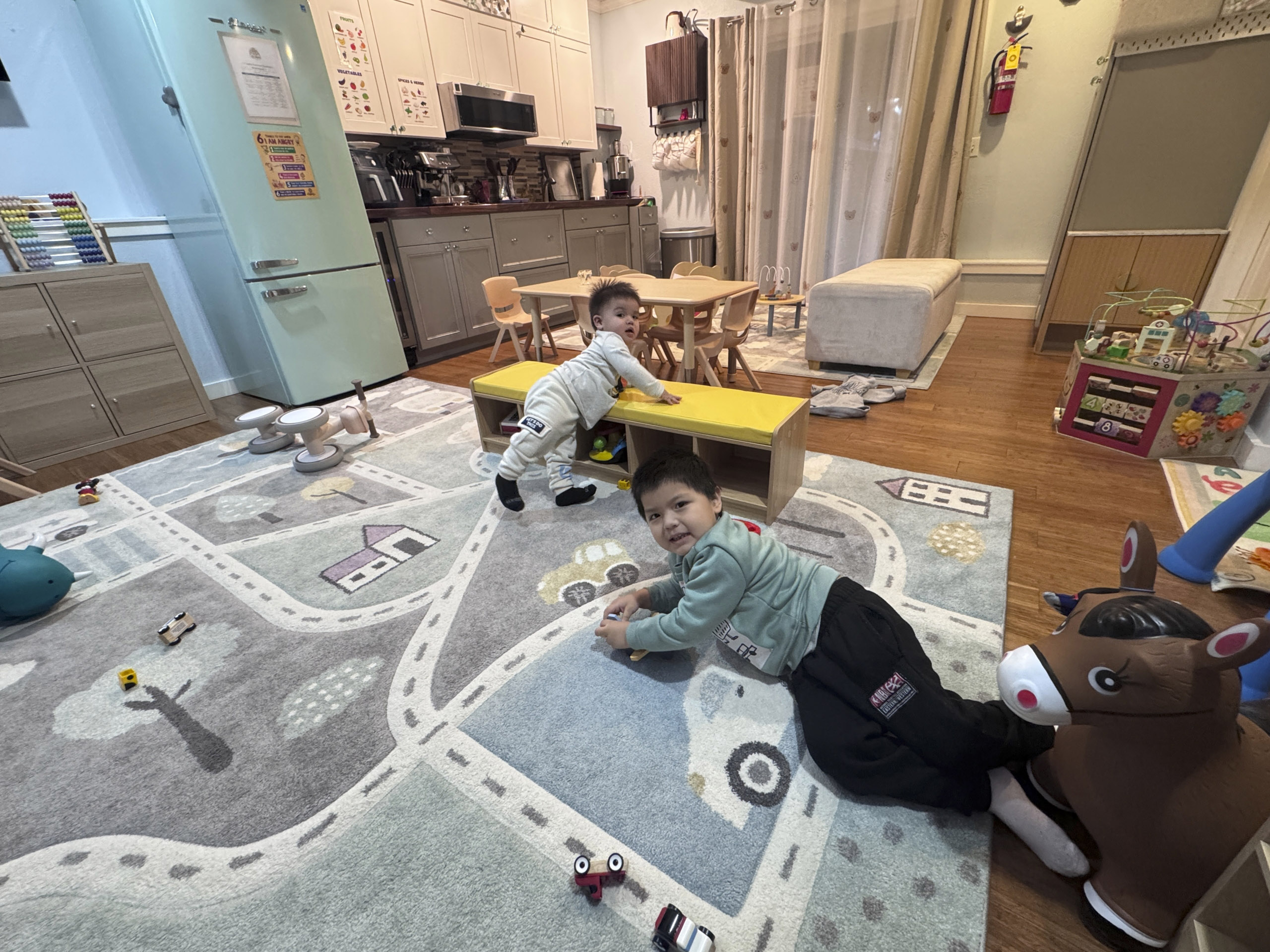


In the formative years of early childhood, maintaining toddler learning engagement and fostering infant learning activities are crucial for holistic development. Childcare providers play a pivotal role in nurturing preschooler engagement through structured yet flexible approaches that spark early childhood curiosity. This article delves into evidence-based strategies to keep young children actively involved in learning, drawing from developmental psychology and best practices in early education. By focusing on interactive, sensory-rich experiences, educators can create environments that support cognitive, social, and emotional growth while complying with regulatory standards like those in Washington State. Early learning isn’t just about rote memorization; it’s about igniting a lifelong love for discovery. According to developmental experts, children under five learn best through play and exploration, which enhances neural connections and builds foundational skills. In childcare settings, where children spend significant time, these strategies ensure that every moment is an opportunity for growth.
Understanding Early Childhood Development Stages
To effectively engage infants, toddlers, and preschoolers, it’s essential to tailor activities to their developmental milestones. This section outlines key stages, emphasizing how childcare learning can be adapted to each.
Infants (0-12 Months)
Infants are in a phase of rapid sensory and motor development. They respond to stimuli like sounds, textures, and faces, building trust and attachment. Infant learning activities should focus on responsive interactions, such as peek-a-boo or gentle rocking, to promote early childhood curiosity. Providers must ensure activities align with safety standards, exposing infants to developmentally appropriate experiences that encourage exploration without overwhelming them.
Toddlers (12-36 Months)
Toddlers exhibit increased mobility and independence, often testing boundaries. Toddler learning engagement thrives through hands-on activities that involve stacking, sorting, or simple puzzles. This stage is ideal for introducing cause-and-effect concepts, like dropping objects to observe reactions, fostering problem-solving skills in a safe childcare environment.
Preschoolers (3-5 Years)
Preschoolers develop language and social skills, engaging in pretend play and group activities. Preschooler engagement can be heightened with storytelling, role-playing, and collaborative projects, which build empathy and creativity. Childcare learning at this age should incorporate choices, allowing children to lead activities to sustain interest.
The Importance of Engagement in Childcare Learning
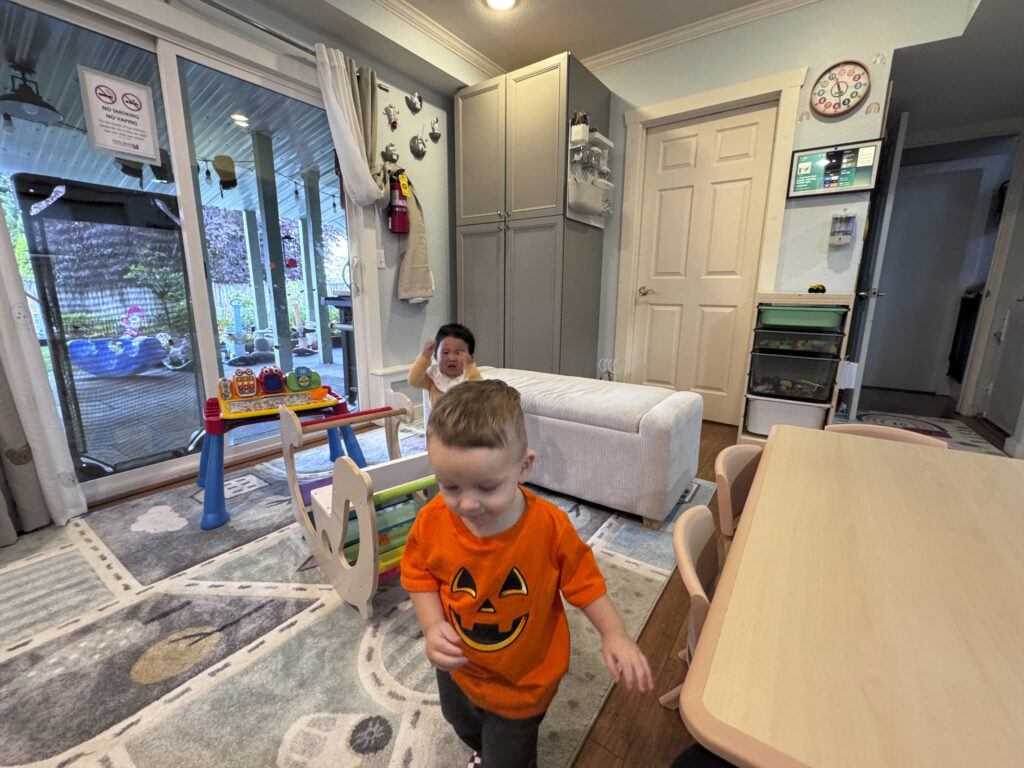
Engagement in early learning directly impacts long-term outcomes, including academic success and emotional resilience. Research shows that actively involved children exhibit better attention spans and higher motivation. In Washington State, foundational quality standards emphasize programs that promote health, safety, and child development, ensuring activities are inclusive and responsive to individual needs.
Disengaged children may miss key learning opportunities, leading to developmental delays. By prioritizing engagement, childcare providers create equitable environments where every child thrives, aligning with principles of experience, expertise, and trustworthiness in education.
Key Strategies for Sustaining Learning Interest
Here are practical, expert-recommended strategies to maintain engagement, supported by developmental research.
Interactive Games and Play-Based Activities
Interactive games are cornerstones of toddler learning engagement. For infants, try mirror play to encourage self-recognition. Toddlers benefit from treasure hunts using household items, promoting exploration. Preschoolers can engage in group games like “Simon Says” to build listening skills.
Incorporate variety: Rotate toys weekly to prevent boredom. Evidence from early childhood studies indicates that play-based learning enhances cognitive flexibility.
Sensory Exploration Techniques
Sensory activities stimulate multiple senses, ideal for infant learning activities. Create sensory bins with rice, water, or fabric for tactile experiences. For toddlers, add scents like vanilla or colors for visual appeal. Preschoolers can explore nature walks, identifying textures in leaves or soil.
Safety is paramount—use non-toxic materials and supervise closely, per Washington State guidelines.
Incorporating Routines and Daily Schedules
Consistent routines provide security, allowing children to anticipate learning moments. Start days with circle time for songs, transitioning to free play. This structure sustains preschooler engagement by balancing predictability with flexibility.
Adapt schedules to individual energy levels, ensuring rest periods to prevent fatigue.
Using Technology and Digital Tools Mindfully
While screen time should be limited, apps with interactive stories can supplement learning. For example, simple educational videos on shapes for toddlers. Always pair with real-world activities to reinforce concepts, adhering to recommendations for minimal digital exposure in early years.
Aligning Activities with Washington State Standards
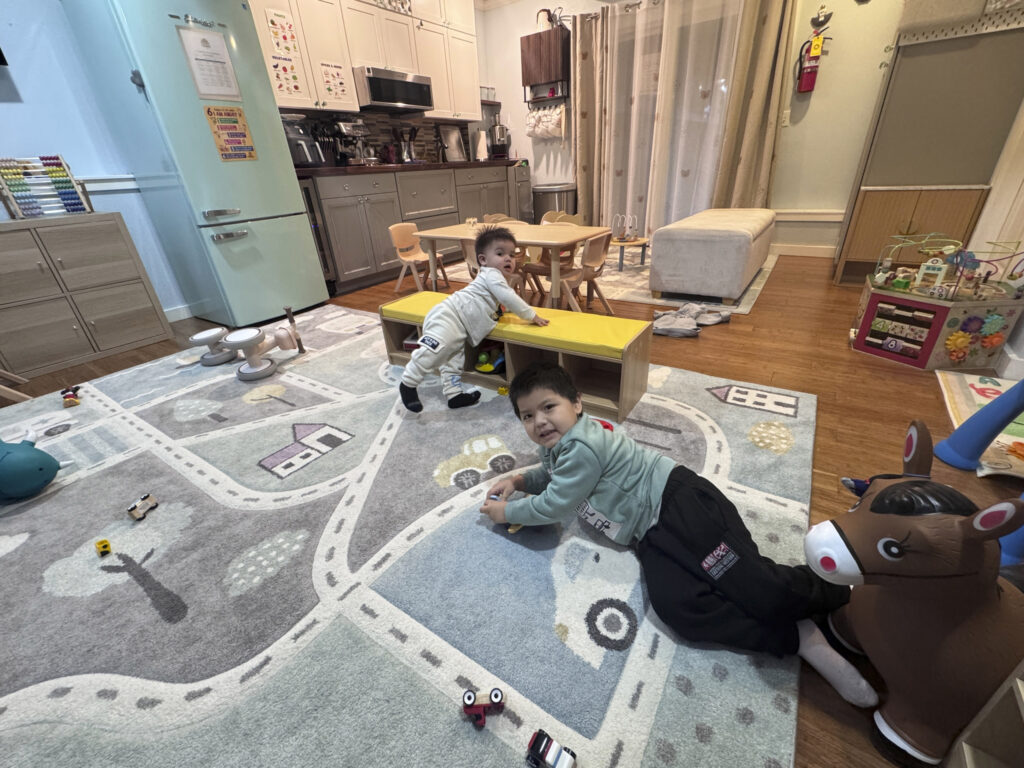
Washington State’s Chapter 110-300 WAC outlines foundational quality standards for early learning programs, requiring a written curriculum philosophy that includes planned daily activities for child development. Providers must expose infants and toddlers to appropriate interactions, promoting health and safety.
Incorporate these by documenting activities that foster social-emotional growth, such as group play, and ensuring environments are hazard-free. Regular assessments align with state requirements, demonstrating compliance and enhancing trustworthiness.
Overcoming Common Challenges in Engagement
Challenges like short attention spans or diverse needs can hinder engagement. Address distractions by minimizing noise and creating cozy nooks. For children with varying abilities, use adaptive tools like textured toys.
Cultural sensitivity is key—incorporate diverse materials to reflect families’ backgrounds, boosting inclusivity.
Measuring and Assessing Engagement Success
Observe indicators like sustained focus or enthusiastic participation. Use simple checklists to track progress, aligning with developmental milestones. Parent feedback provides insights, ensuring strategies evolve.
Regular reflection on activities ensures continuous improvement in childcare learning.
Conclusion and Brand Introduction
Keeping infants and toddlers engaged in learning requires intentional, play-focused strategies that align with developmental needs and state standards. By implementing interactive games, sensory exploration, and structured routines, childcare providers can cultivate a love for learning that lasts a lifetime.
At Kido Heaven, we specialize in high-quality childcare services in Bothell, Washington, where we apply these principles daily. Whether you’re seeking Daycare Bothell or child care Bothell, our expert team creates nurturing environments that prioritize early childhood curiosity and development. Visit us at https://kidoheaven.com/ to learn more about our programs.
Why KidoHeaven Stands Out
✅ Licensed in Washington State
✅ Aligned with Early Achievers standards
✅ Working Connections subsidy accepted
✅ Daily updates via Brightwheel
✅ Located in Bothell, serving Mill Creek, Lynnwood & nearby areas
✅ Nutritious snacks, safe outdoor space, & positive mealtime routines
📞 Call 206-734-2040 to schedule a tour
🌐 Enroll now
Follow Our Mealtime Moments
Stay updated with more beautiful outdoor meals and daily learning routines on:
Instagram | Facebook | Nextdoor | Yelp | Winnie | YouTube | Upwards
FAQ
1. What are the best infant learning activities for home or childcare?
Simple activities like tummy time with colorful toys or reading board books promote sensory development and bonding.
2. How can I boost toddler learning engagement during playtime?
Encourage open-ended play with blocks or art materials, allowing toddlers to lead and explore at their pace.
3. What role does early childhood curiosity play in preschooler engagement?
Curiosity drives exploration; nurture it with questions and hands-on experiments to foster lifelong learning.
4. How do Washington State standards affect childcare learning strategies?
They mandate developmentally appropriate activities that prioritize safety, health, and inclusive education.
5. Why is sensory exploration important for young children?
It stimulates brain development, enhancing cognitive and motor skills through multi-sensory experiences.


