

Starting kindergarten is often viewed as a milestone that children should “adjust” to quickly if they are prepared.
But adjustment is not a single event.
It is a developmental process.
Many parental worries about school transition are shaped by misunderstandings about what healthy adjustment actually looks like. Some expect immediate independence. Others assume academic readiness alone predicts success. Some interpret normal transition stress as a sign that something is wrong.
In reality, kindergarten adjustment is often more nuanced than parents realize.
Children may adjust socially before emotionally.
Emotionally before behaviorally.
Or confidently in one area while still struggling in another.
Understanding these realities helps families support children more effectively.
Why Kindergarten Adjustment Is Often Misunderstood
Many misconceptions come from viewing adjustment as performance rather than adaptation.
Adjustment is not:
- Instant comfort
- Perfect behavior
- Zero anxiety
- Immediate confidence
It often includes:
- Transition stress
- Gradual social adaptation
- Emotional ups and downs
- Learning new routines over time
This is development.
Not failure.
Research emphasized by the National Association for the Education of Young Children consistently supports seeing school adjustment as a developmental transition rather than a pass/fail event.
Myth 1: Adjustment Should Happen Quickly
One of the most common misunderstandings is believing children should settle in within days.
But adjustment often unfolds over weeks or months.
Healthy Adjustment Can Be Gradual
Children may need time to adapt to:
- New expectations
- Larger peer groups
- Separation from family
- Structured routines
Slow adjustment is not necessarily problematic.
It may be entirely typical.
Progress Is Often Nonlinear
Many children:
- Improve, then struggle briefly
- Appear confident at school but emotional at home
- Show mixed adjustment patterns
This does not usually mean regression.
It often reflects growth in process.
Myth 2: Tears Mean a Child Is Not Ready
Parents often interpret distress at drop-off as evidence that something is wrong.
Often it is not.
Separation Emotions Can Be Normal
Tears may reflect:
- Transition stress
- Attachment strength
- Fatigue
- New environment adjustment
Emotions do not automatically signal poor readiness.
Readiness and Comfort Are Not the Same
A child can be ready for kindergarten and still find the transition emotionally hard.
That distinction matters.
Myth 3: Academic Skills Matter Most
Many parents overfocus on letters, numbers, or early academics.
Yet adjustment often depends heavily on non-academic skills.
Social-Emotional Skills Often Matter More
Important adjustment skills include:
- Flexibility
- Following routines
- Self-regulation
- Problem solving
- Cooperative participation
These often support classroom success as much as academics.
School Readiness Is Broader Than Academics
Readiness includes emotional and social capacities, not just academic exposure.
This aligns with whole-child approaches widely supported in early childhood education.
Myth 4: Social Adjustment Happens Naturally
Another misconception is that children will simply “figure out” peer relationships.
Social adaptation often needs support.
Friendship Skills Are Still Developing
Kindergarteners are learning:
- Turn taking
- Conflict repair
- Inclusion
- Perspective taking
These skills continue to develop.
They are not assumed.
Social Challenges Can Be Normal
Difficulties navigating peers do not necessarily indicate poor adjustment.
Often, they reflect developmental learning.
Why Emotional Readiness Is Often Overlooked
Parents may focus on visible skills while overlooking emotional readiness.
Yet emotional security often supports everything else.
Emotional Readiness Includes:
- Managing frustration
- Recovering after disappointment
- Asking for help
- Tolerating transitions
These capacities matter deeply.
Research highlighted by Harvard University Center on the Developing Child continues emphasizing the importance of emotional foundations in learning.
Misreading Regression During Transition
Sometimes children show temporary regression:
- Clinginess
- Fatigue
- Irritability
- Sleep disruptions
Parents may assume something is wrong.
Often, this can be a normal response to major developmental change.
Transition Stress Can Look Like Regression
Sometimes growth looks messy before it looks smooth.
That can be part of adaptation.
The Role of Routine in Successful Adjustment
Predictability often supports school adjustment.
Routines Reduce Cognitive and Emotional Load
Consistent routines help children:
- Feel secure
- Anticipate expectations
- Build confidence
Routine often supports resilience.
Preparation Happens Before Kindergarten
High-quality early learning experiences often help children practice these patterns before school entry.
This is one reason many families value early childhood education in Bothell settings that support routines, independence, and social development before kindergarten.
How Group Care Supports School Readiness
School readiness often develops long before kindergarten begins.
Group care experiences can support:
- Transition skills
- Peer interaction
- Emotional regulation
- Classroom participation
Children often rehearse adjustment before entering school.
Everyday Practice Matters
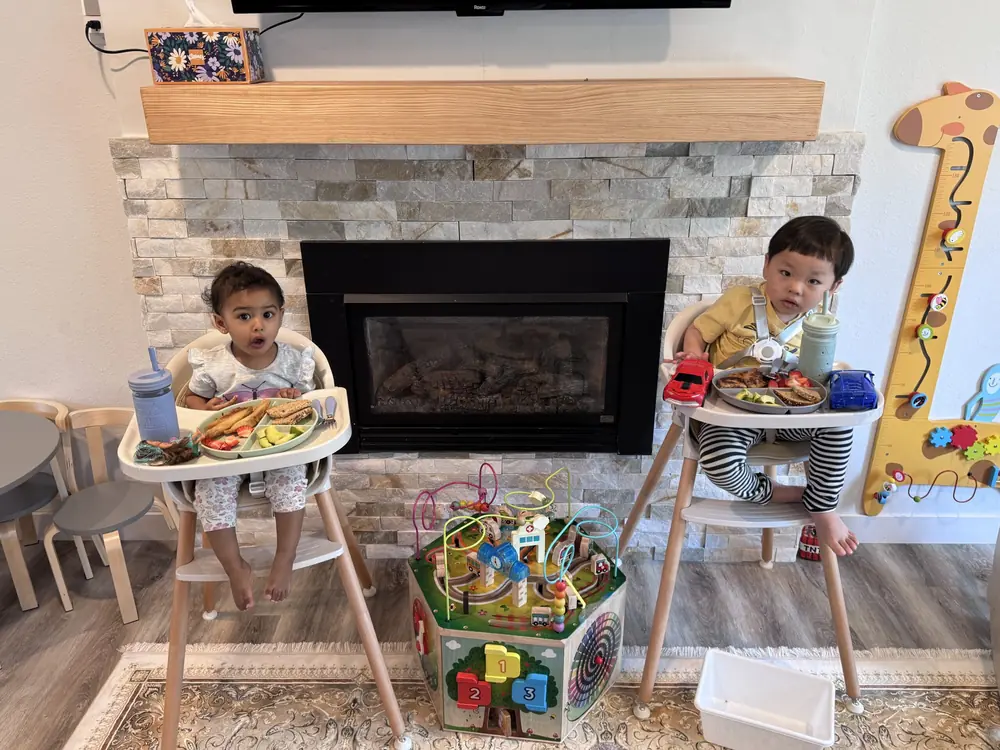
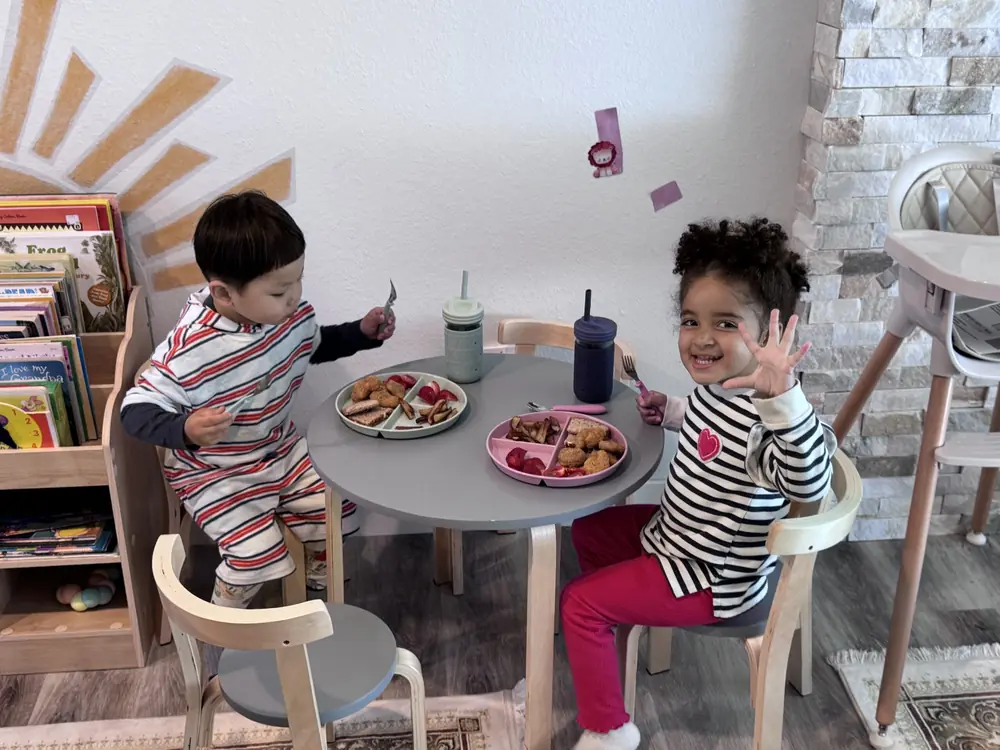
Experiences in Kido Heaven early learning center environments can help children practice many of the social and emotional habits that later support smoother transitions.
These everyday experiences matter.
What Children Actually Need During Transition
Rather than pressure, children often need:
Connection
Emotional security supports confidence.
Consistency
Predictability lowers stress.
Patience
Adjustment often takes time.
Realistic Expectations
Children do not need perfect transitions.
They need supported ones.
How Parents Can Better Support Adjustment
Avoid Overinterpreting Every Hard Day
A difficult day does not define the adjustment process.
Focus on Regulation Over Performance
Support emotional coping, not just school outcomes.
Support Independence Gradually
Confidence often grows through practice.
Partner With Educators
Teachers often provide perspectives that ease unnecessary worry.
Guidance from quality programs aligned with practices informed by Washington State Department of Children, Youth & Families often emphasizes collaboration between families and educators.
What Parents Often Get Most Right
Ironically, many worried parents are already doing what helps:
- Providing security
- Staying responsive
- Seeking understanding
Concern often reflects care.
And care supports adjustment.
Conclusion
Kindergarten adjustment is often misunderstood because adults may expect transitions to look smoother, faster, or more linear than child development allows.
But healthy adjustment is rarely perfect.
It is gradual.
Layered.
And deeply individual.
When parents move beyond common myths and understand what children actually need—security, time, consistency, and support—transition often becomes less about “fixing problems” and more about supporting development.
Families exploring learn more about our daycare programs often value environments that support these foundations early.
At Kido Heaven daycare, we believe school readiness grows through relationships, emotional confidence, and meaningful early experiences. Our programs help children build the social and developmental foundations that support smoother transitions into kindergarten and beyond.
Why KidoHeaven Stands Out
✅ Licensed in Washington State
✅ Aligned with Early Achievers standards
✅ Working Connections subsidy accepted
✅ Daily updates via Brightwheel
✅ Located in Bothell, serving Mill Creek, Lynnwood & nearby areas
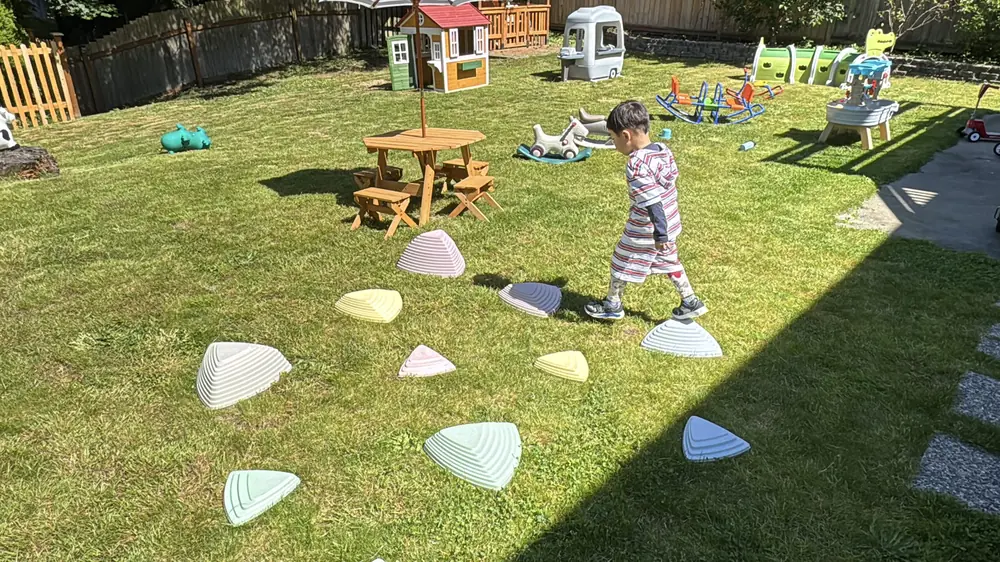
✅ Nutritious snacks, safe outdoor space, & positive mealtime routines
📞 Call 206-734-2040 to schedule a tour
🌐 Enroll now
Follow Our Mealtime Moments
Stay updated with more beautiful outdoor meals and daily learning routines on:
Instagram | Facebook | Nextdoor | Yelp | Winnie | YouTube | Upwards
FAQ
1. How long does kindergarten adjustment usually take?
Adjustment varies. Some children adapt quickly, while others may take weeks or months.
2. Is crying at drop-off a bad sign?
Not necessarily. It can be a normal response to separation and transition.
3. What matters more for adjustment: academics or emotional readiness?
Both matter, but emotional and social readiness are often underestimated.
4. Can preschool or childcare support kindergarten adjustment?
Yes. Early group experiences often help children practice routines and social skills that support school transitions.
5. Is regression during school transition normal?
Temporary regression can sometimes be part of adjustment and does not necessarily signal a serious problem.
Visit Kido Heaven Child Care
A licensed home daycare for infants to pre-K, serving Bothell and Mill Creek. Call or text (206) 734-2040 or book a tour.
Book a Tour