

Music circles are more than just fun daycare group activities—they are powerful tools for building connection, communication, and confidence in early childhood settings. From infants to preschoolers, structured group singing and rhythm experiences strengthen toddlers’ social skills, nurture a sense of preschooler community, and support emotional development. In high-quality, WAC-compliant programs in Bothell, music circles play a key role in creating a safe, inclusive, and engaging early learning environment where children learn to belong.
Why Community Matters in Early Childhood
In high-quality early learning environments, community is not accidental—it is intentionally built. From infancy through preschool, children develop their earliest understanding of belonging, empathy, cooperation, and communication within group settings. Structured music circles and childcare programs are among the most effective tools for nurturing that community foundation.
When children sit together in a circle to sing, move, and explore rhythm, they are doing far more than enjoying a song. They are learning turn-taking, listening, emotional expression, shared attention, and social awareness. In environments aligned with Washington Administrative Code (WAC) standards, group experiences such as music circles must be developmentally appropriate, inclusive, and supportive of each child’s growth.
What Are Music Circles in Childcare?
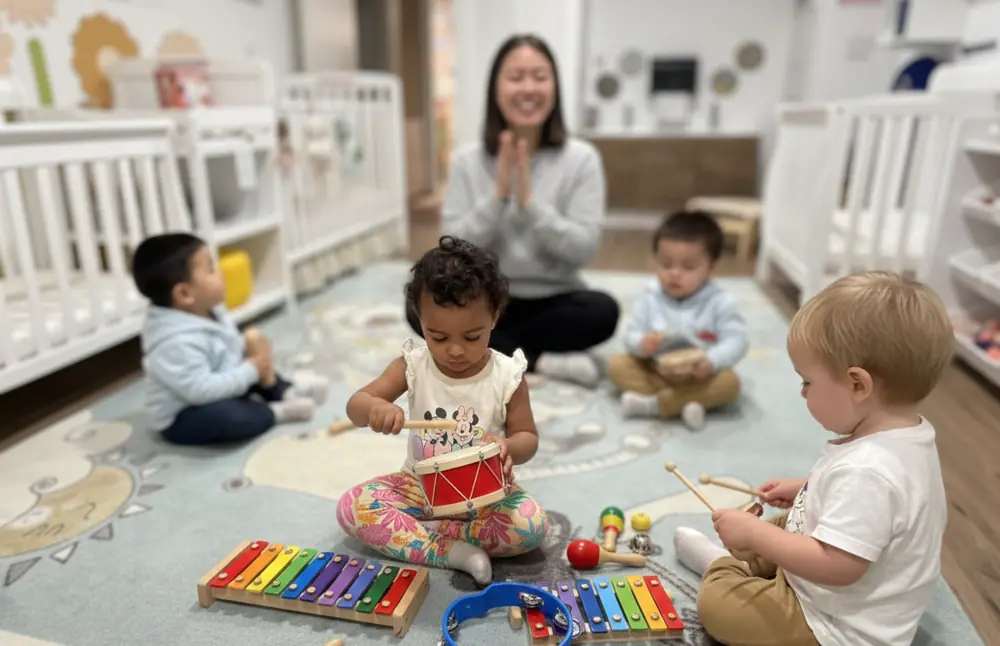
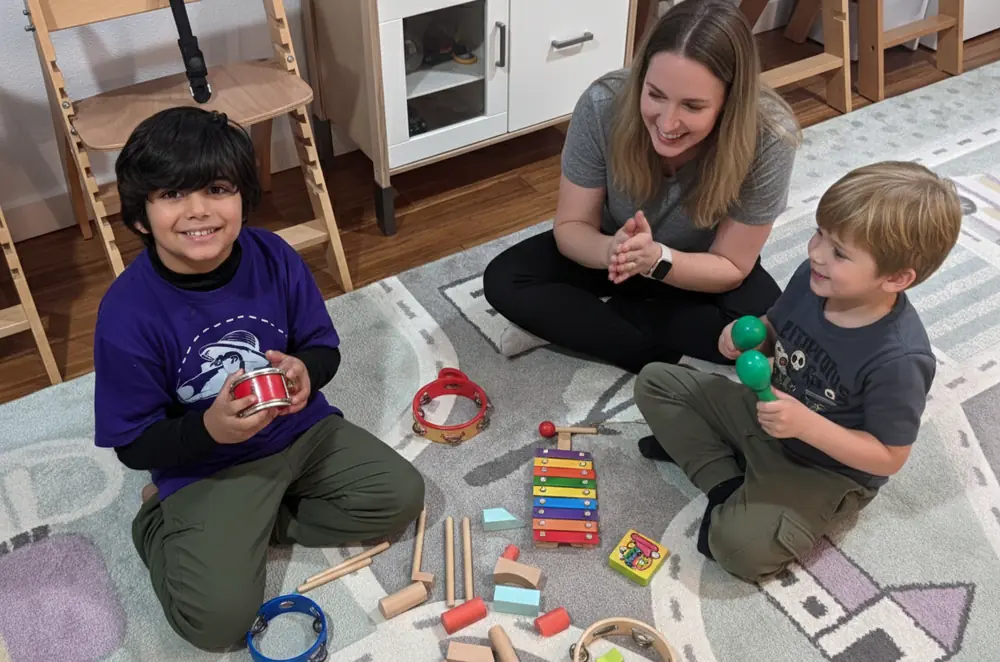
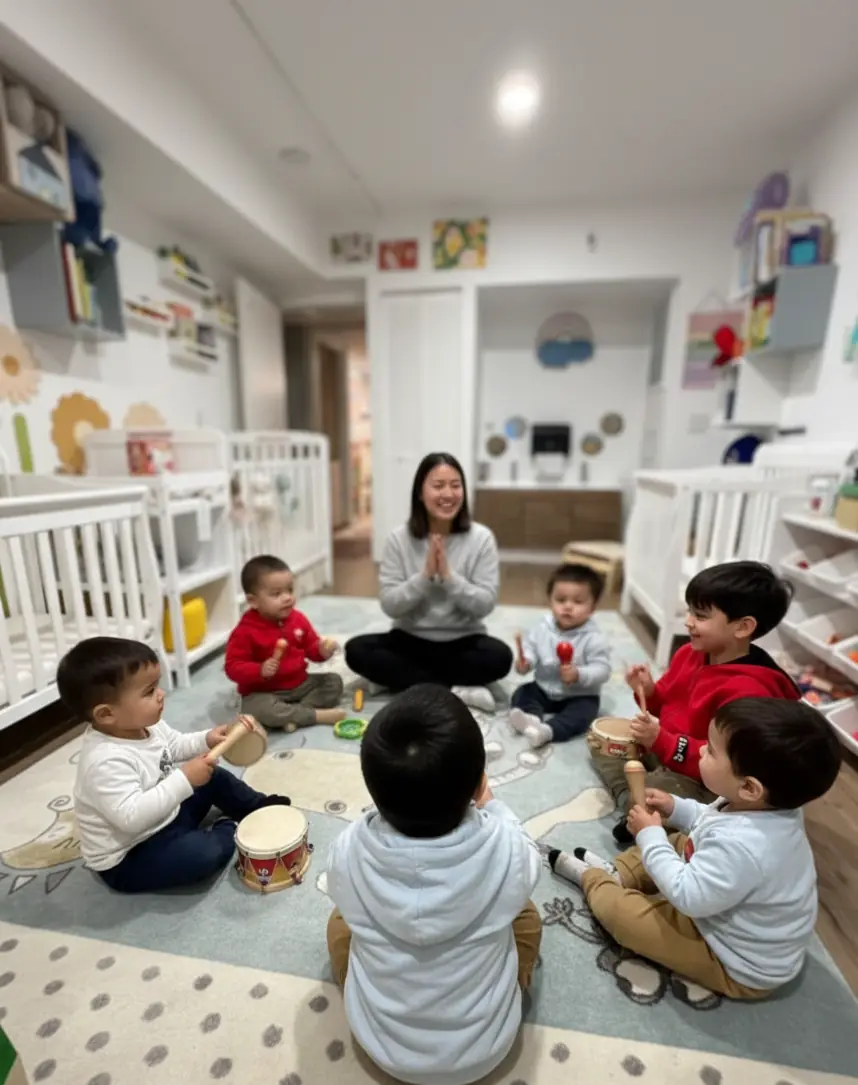
Music circles are structured group experiences where children and caregivers gather—often seated in a circle—to engage in:
- Singing familiar and new songs
- Rhythm and movement activities
- Instrument exploration
- Call-and-response interaction
- Storytelling through music
In a licensed daycare in Bothell, music circles are carefully planned to align with early learning standards, ensuring that activities promote cognitive, social-emotional, and language development.
The circle format itself is intentional. When children can see one another, it enhances:
- Eye contact
- Social referencing
- Peer modeling
- Shared participation
This format transforms music into a powerful vehicle for building preschooler community and strengthening toddler social skills.
The Science Behind Early Childhood Music
Research in early childhood development consistently shows that music stimulates multiple areas of the brain simultaneously. According to the National Association for the Education of Young Children (NAEYC) and research from Harvard’s Center on the Developing Child, rhythmic and musical interaction enhances:
- Neural pathway development
- Language acquisition
- Executive functioning
- Emotional regulation
Music supports pattern recognition and memory, which are foundational for literacy and numeracy. More importantly for group settings, synchronized movement and shared rhythm increase feelings of social bonding. When children clap or sing together, their brains release bonding hormones such as oxytocin, reinforcing trust and connection.
This is why early childhood music is not considered enrichment—it is core developmental work.
How Music Circles Strengthen Toddler Social Skills
Toddlers are in a critical stage of social learning. They are developing:
- Parallel play skills
- Emerging language
- Self-awareness
- Emotional expression
Music circles provide a structured yet playful environment to practice these skills.
Turn-Taking and Patience
When toddlers wait for their turn to shake a tambourine or choose a song, they practice impulse control. Educators scaffold this process by:
- Naming emotions (“You’re waiting for your turn.”)
- Modeling patience
- Using visual cues
Communication Development
Songs with gestures and repetition strengthen expressive and receptive language. Repeated lyrics improve vocabulary retention. Call-and-response songs build conversational rhythm—an early literacy precursor.
Emotional Expression
Music allows toddlers to safely express excitement, calmness, or even frustration. Fast songs encourage energy release, while soft lullabies promote regulation. This balance is essential in any daycare group activity setting.
Building Preschooler Community Through Group Music
Preschoolers move beyond parallel play into cooperative interaction. Music circles at this stage deepen social responsibility and collective identity.
Shared Leadership
Preschoolers can:
- Lead a favorite song
- Choose instruments for peers
- Create simple rhythms
This shared leadership builds confidence and mutual respect.
Collaborative Problem Solving
Group rhythm activities require listening and coordination. If the rhythm becomes chaotic, children must re-synchronize together. This naturally teaches:
- Self-regulation
- Group awareness
- Adaptability
Such activities directly support preschooler community development in structured early learning environments.
Music Circles as Developmentally Appropriate Daycare Group Activities
Under Washington State WAC regulations for licensed childcare providers, group activities must be:
- Age-appropriate
- Inclusive
- Safe
- Supervised
- Designed to support developmental domains
Music circles meet these criteria when implemented intentionally.
For Infants (0–12 Months)
- Gentle singing
- Sensory sound exploration
- Caregiver lap songs
- Soft instrument sounds
Infants build attachment and secure relationships through face-to-face singing interactions.
For Toddlers (1–3 Years)
- Action songs
- Rhythm imitation
- Movement-based music
- Simple percussion instruments
Activities must allow freedom of movement and respect individual readiness levels.
For Preschoolers (3–5 Years)
- Patterned rhythm games
- Thematic songs
- Musical storytelling
- Peer collaboration
When aligned with early childhood education in Bothell standards, music circles become an integral part of a comprehensive learning approach.
Supporting Emotional Regulation and Belonging
One of the most profound benefits of music circles and childcare programs is emotional regulation.
Music provides:
- Predictable routines
- Clear transitions
- Sensory organization
- Group reassurance
Opening and closing songs create emotional anchors in the day. Children begin to associate specific songs with safety and structure. In a safe daycare environment in Bothell, consistent musical routines support children who may experience separation anxiety or transitions.
Music also validates cultural identity. Including songs from diverse backgrounds strengthens inclusivity and fosters belonging for all families.
Inclusion, Cultural Awareness, and Family Engagement
High-quality childcare programs incorporate music from various cultures represented within the community. This approach:
- Honors family backgrounds
- Encourages cultural pride
- Builds empathy among peers
Family engagement may include:
- Inviting parents to share songs
- Celebrating cultural traditions
- Sending music home for continuity
Such practices align with WAC guidance emphasizing family partnership and inclusive curriculum planning.
WAC Compliance and Safe Implementation in Washington State
Childcare providers operating under the Washington Administrative Code must ensure:
- Staff supervision during group activities
- Sanitization of shared instruments
- Developmentally appropriate materials
- Safe storage of small items
- Noise levels that protect children’s hearing
Music circles should never involve overstimulation. Educators must observe:
- Children’s sensory tolerance
- Emotional cues
- Individual participation readiness
In a WAC-compliant daycare center in Bothell, music is structured to promote growth without overwhelming children.
Best Practices for Structuring Music Circles (Infants to Preschoolers)
To maximize impact, music circles should include:
1. Predictable Routine
- Welcome song
- Core activity
- Movement component
- Closing song
2. Multi-Sensory Engagement
- Visual cues
- Movement
- Auditory rhythm
- Tactile instruments
3. Small Group Sizes
Smaller circles promote engagement and reduce overstimulation.
4. Intentional Observation
Educators document:
- Social interaction growth
- Language development
- Emotional regulation progress
These observations contribute to individualized learning planning.
Measuring Outcomes: What Educators and Parents Should Observe
Parents often ask how they can recognize the impact of early childhood music participation. Positive indicators include:
- Increased verbal expression
- Improved listening skills
- Willingness to participate in group settings
- Greater empathy toward peers
- Better transition management
Music circles build foundational skills that transfer to literacy, classroom readiness, and long-term social success.
Families searching for preschool and daycare in Bothell often prioritize environments that intentionally foster these outcomes.
About Kido Heaven in Bothell
At Kido Heaven daycare, music circles are thoughtfully integrated into daily programming to nurture belonging, confidence, and social development from infancy through preschool.
As a licensed daycare in Bothell, the center follows Washington State WAC regulations while creating a warm, engaging environment where children thrive through structured group experiences like music circles.
Families seeking learn more about our daycare programs can explore how intentional early childhood music and community-building practices support lifelong learning and emotional well-being.
Why KidoHeaven Stands Out
✅ Licensed in Washington State
✅ Aligned with Early Achievers standards
✅ Working Connections subsidy accepted
✅ Daily updates via Brightwheel
✅ Located in Bothell, serving Mill Creek, Lynnwood & nearby areas
✅ Nutritious snacks, safe outdoor space, & positive mealtime routines
📞 Call 206-734-2040 to schedule a tour
🌐 Enroll now
Follow Our Mealtime Moments
Stay updated with more beautiful outdoor meals and daily learning routines on:
Instagram | Facebook | Nextdoor | Yelp | Winnie | YouTube | Upwards
FAQ
1. Are music circles suitable for infants?
Yes. Even newborns benefit from gentle singing and rhythmic interaction, which strengthens attachment and auditory development.
2. How often should music circles be offered in childcare?
In high-quality programs, music experiences are integrated daily in short, developmentally appropriate segments.
3. Do music circles help with toddler social skills?
Absolutely. They improve turn-taking, listening, communication, and emotional awareness.
4. Are instruments safe in daycare settings?
When chosen appropriately and supervised according to WAC guidelines, instruments are safe and developmentally beneficial.
5. Can music circles support early literacy?
Yes. Rhythm and repetition strengthen phonemic awareness and memory, which are foundational literacy skills.
Visit Kido Heaven Child Care
A licensed home daycare for infants to pre-K, serving Bothell and Mill Creek. Call or text (206) 734-2040 or book a tour.
Book a Tour