

Proper nutrition is essential for healthy growth and development in infants, toddlers, and preschoolers, especially in childcare settings where children spend significant time. Parents and caregivers often face challenges such as preparing age-appropriate meals, managing picky eating, accommodating allergies, and maintaining safe food practices. This guide provides practical, evidence-based strategies to support healthy diets in daycare and home daycare environments, empowering children to thrive.
Why Nutrition Matters in Childcare
The Role of Nutrition in Early Development
Nutrition in the first years of life is critical for physical growth, brain development, and immune health. Adequate intake of key nutrients like iron, calcium, and healthy fats supports cognitive function, motor skills, and overall well-being. Consistent, balanced meals in childcare settings lay the foundation for lifelong healthy habits (CDC – Infant and Toddler Nutrition).
Unique Challenges in Childcare Settings
Daycare environments often involve feeding multiple children with varied dietary needs, coordinating schedules, and ensuring food safety. Clear communication between caregivers and parents is essential to align home and childcare routines.
Age-Appropriate Nutrition for Infants
Breast Milk and Formula Feeding
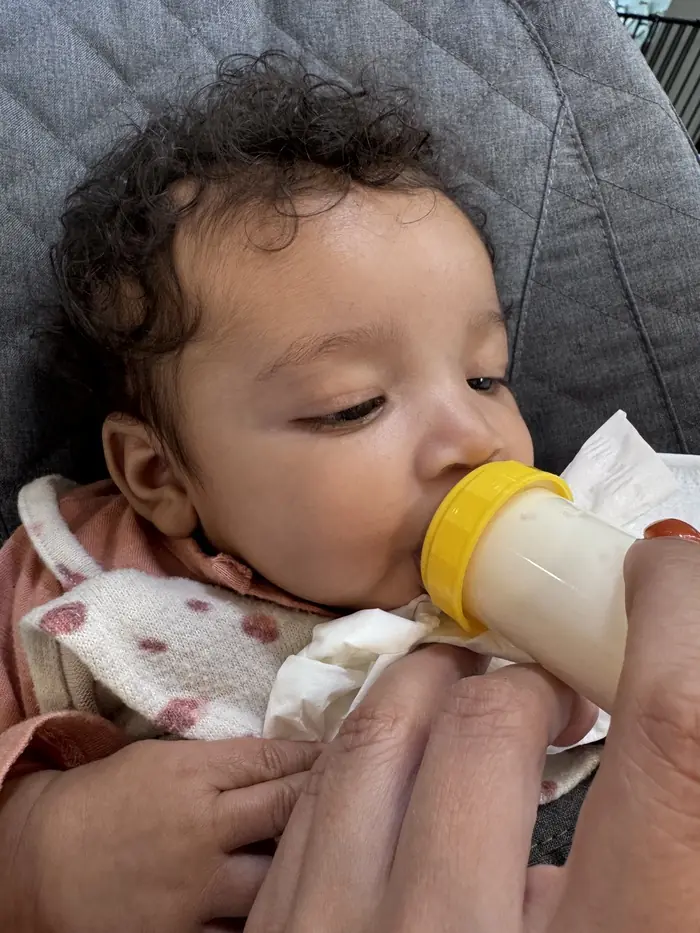
For infants (0–12 months), breast milk or formula is the primary nutrition source. In childcare, caregivers must follow strict guidelines for bottle-feeding:
- Storage: Store breast milk in clean, labeled bottles in a refrigerator (below 40°F) for up to 4 days or freeze for 6–12 months.
- Warming: Gently warm bottles in warm water, never microwaves, to preserve nutrients.
- Hygiene: Sanitize bottles and hands before feeding to prevent contamination.
Parents should provide clear instructions on feeding schedules and amounts to maintain consistency between home and daycare.
Introducing Solids (6–12 Months)
Around 6 months, infants can start solids, beginning with single-ingredient purees like mashed avocado, sweet potato, or iron-fortified rice cereal. Key tips include:
- Introduce one food at a time, waiting 3–5 days to monitor for allergies.
- Offer soft, nutrient-dense foods rich in iron and zinc to support growth.
- Coordinate with parents to align home and daycare feeding milestones.
Sample Infant Feeding Schedule (8–12 Months):
- Morning: Breast milk/formula (6–8 oz).
- Mid-Morning Snack: Pureed fruit (2–3 tbsp).
- Lunch: Pureed vegetable and protein (e.g., chicken, 3–4 tbsp).
- Afternoon: Breast milk/formula (6–8 oz).
- Evening: Iron-fortified cereal mixed with breast milk (2–3 tbsp).
Common Infant Feeding Challenges
Caregivers may encounter issues like reflux, allergies, or resistance to solids. Strategies include:
- Reflux: Feed smaller, more frequent meals and keep infants upright post-feeding.
- Allergies: Monitor for signs like rashes or vomiting and report to parents immediately.
- Transitioning to Solids: Be patient, offering new textures gradually. Caregivers should document feeding progress to share with parents.
Feeding Toddlers in Childcare
Nutritional Needs for Toddlers (1–3 Years)
Toddlers require a balanced diet with protein, carbohydrates, healthy fats, and micronutrients like calcium and iron. Daily needs include:
- Protein: 13–19g (e.g., eggs, beans, lean meats).
- Calcium: 700mg (e.g., yogurt, cheese).
- Iron: 7mg (e.g., fortified cereals, spinach).
Portion sizes should be small (1/4 to 1/2 adult portions) to match toddler appetites.
Creating a Positive Feeding Environment
A supportive environment encourages healthy eating habits:
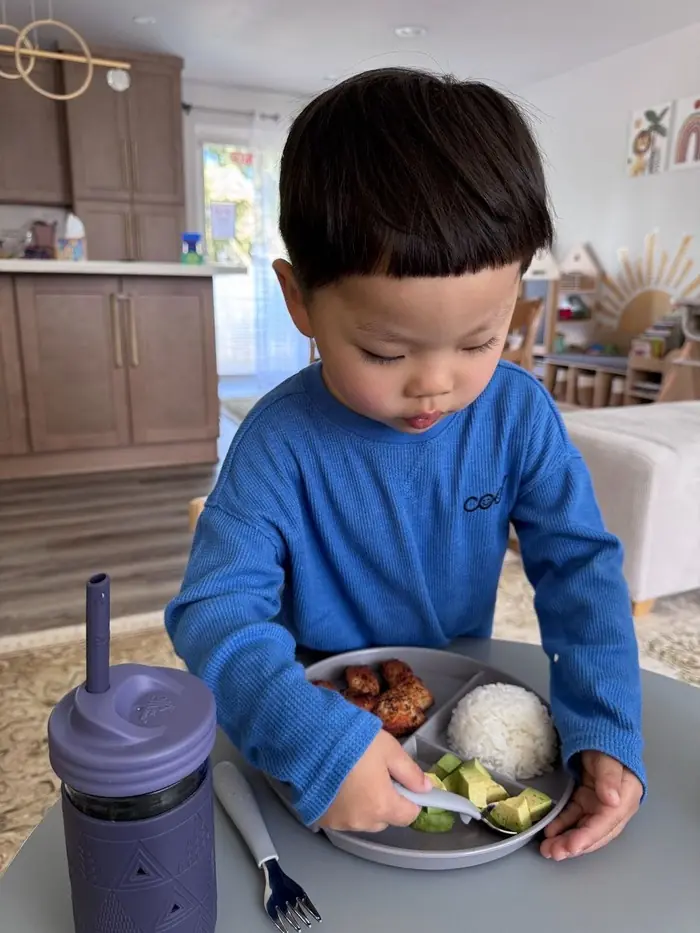
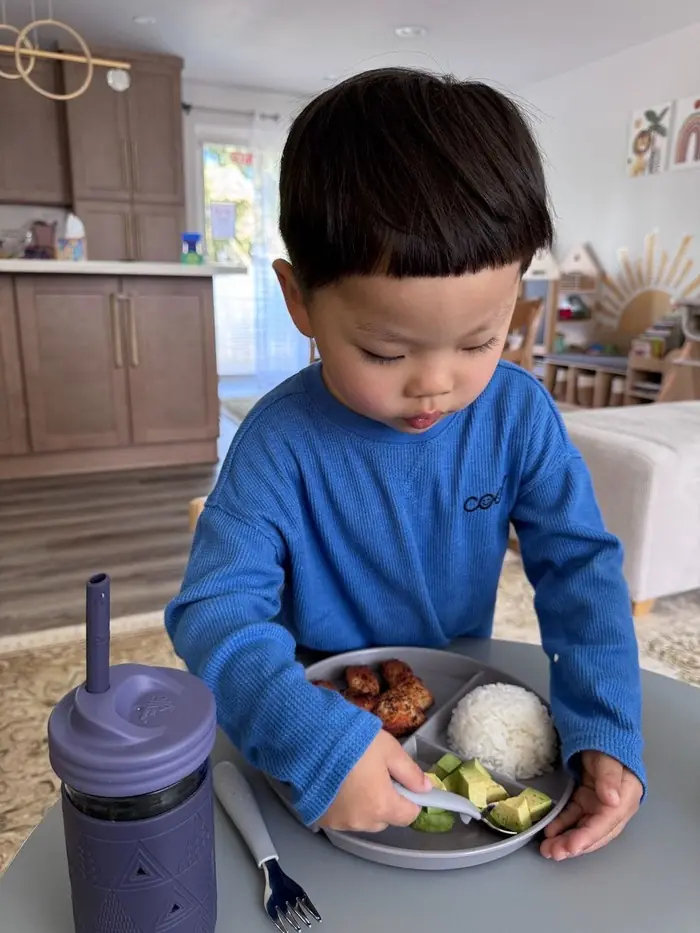
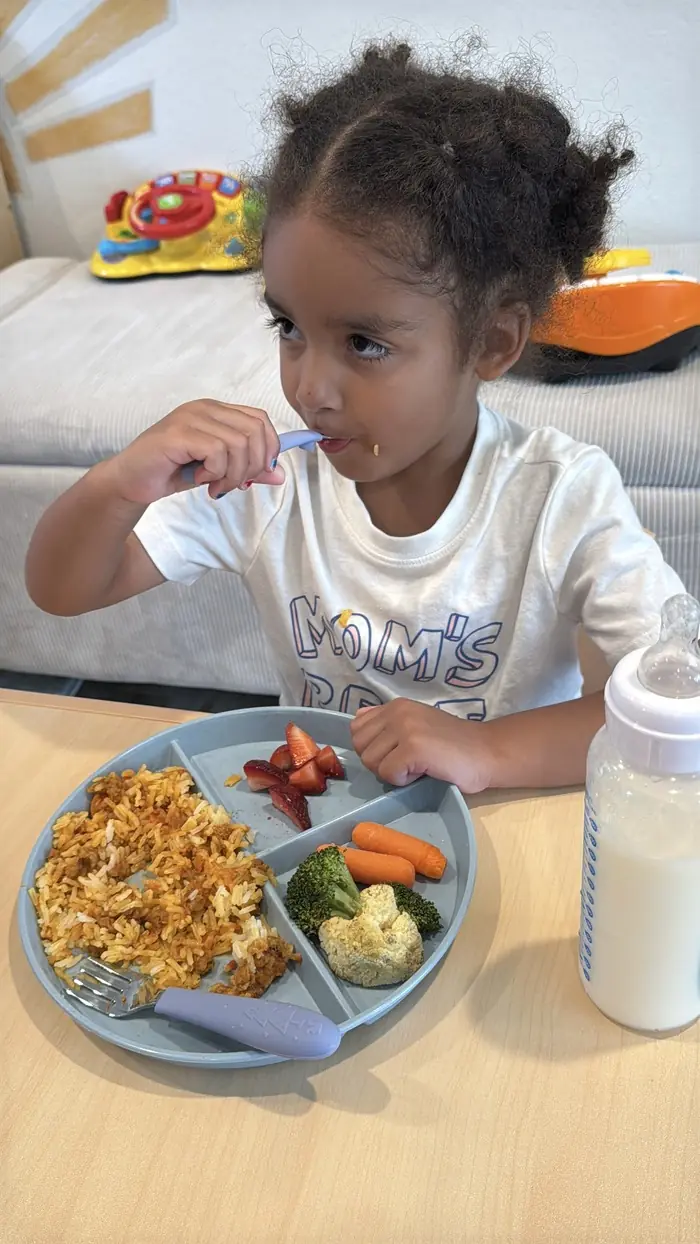
- Encourage Self-Feeding: Provide child-safe utensils to promote independence.
- Model Behavior: Caregivers should eat with children, demonstrating positive food choices.
- Minimize Distractions: Create calm, focused mealtimes to reduce fussiness.
Sample Toddler Meal PlanBreakfast:
- Whole-grain oatmeal (1/4 cup) with mashed banana.
- Milk (4 oz).
Morning Snack: - Sliced apples (1/4 cup) with yogurt dip.
Lunch: - Grilled chicken strips (2 oz), steamed broccoli (1/4 cup), whole-grain bread (1/2 slice).
- Water or milk (4 oz).
Afternoon Snack: - Cheese cubes (1 oz) and whole-grain crackers (3–4 pieces).
Dinner: - Baked salmon (2 oz), mashed sweet potato (1/4 cup), peas (1/4 cup).
- Milk (4 oz).
Safe Food Practices in Daycare Settings
Food Storage and Preparation Guidelines
Safe food handling is critical in childcare. Follow CDC guidelines:
- Refrigerate perishable foods at or below 40°F.
- Label and date all stored breast milk, formula, or prepared meals.
- Use separate cutting boards for raw and cooked foods to avoid cross-contamination.
Preventing Foodborne Illness
To reduce risks:
- Wash hands, surfaces, and utensils thoroughly before food prep.
- Cook foods to safe temperatures (e.g., poultry to 165°F).
- Avoid choking hazards by cutting foods into small, age-appropriate pieces (e.g., grapes halved for toddlers).
Managing Allergies and Dietary Restrictions
Childcare providers must accommodate allergies and cultural/religious dietary needs:
- Maintain a detailed record of each child’s dietary restrictions.
- Communicate with parents to ensure safe meal planning.
- Use separate utensils and prep areas for allergen-free meals to prevent cross-contact.
Managing Picky Eaters
Understanding Picky Eating in Toddlers
Picky eating is common due to developmental stages, sensory sensitivities, or a desire for autonomy. It often peaks between ages 1–3 and is usually temporary.
Strategies for Encouraging Healthy Eating
- Offer Variety: Present small portions of diverse foods to encourage exploration.
- Make It Fun: Use colorful plates or shape foods creatively (e.g., veggie sticks).
- Avoid Pressure: Forcing food can worsen pickiness; offer choices instead.
- Involve Children: Let toddlers help choose or prepare simple snacks to build interest.
When to Seek Professional Help
Persistent picky eating may signal nutritional deficiencies or sensory issues. Consult a pediatrician if a child:
- Refuses entire food groups for weeks.
- Shows signs of weight loss or developmental delays.
- Experiences distress during mealtimes.
Nutrition for Preschoolers: Bridging the Gap
Adapting Toddler Nutrition for Preschoolers
As children transition to preschool (3–5 years), their nutritional needs evolve:
- Increased Energy Needs: Offer slightly larger portions (e.g., 1/2 adult serving).
- Balanced Meals: Include whole grains, lean proteins, and a variety of fruits/vegetables.
- Sample Preschooler Meal: Whole-grain pita with hummus, cucumber slices, grilled chicken, and a fruit salad.
Encouraging Lifelong Healthy Habits
Childcare settings play a key role in shaping eating habits:
- Incorporate nutrition education through fun activities like planting a small garden.
- Encourage trying new foods without pressure, fostering curiosity.
- Partner with parents to reinforce healthy eating at home and daycare.
Discover Kido Heaven’s Commitment to Childcare
ExcellenceAt Kido Heaven, we prioritize your child’s health and happiness in our Bothell, WA daycare. Our nurturing environment includes carefully planned, nutritious meals tailored to infants, toddlers, and preschoolers, ensuring they thrive. From safe food practices to accommodating dietary needs, our team partners with parents to create a seamless childcare experience. Explore our daycare in Bothell and discover how we foster healthy habits for your child’s future.
Why KidoHeaven Stands Out
✅ Licensed in Washington State
✅ Aligned with Early Achievers standards
✅ Working Connections subsidy accepted
✅ Daily updates via Brightwheel
✅ Located in Bothell, serving Mill Creek, Lynnwood & nearby areas
✅ Nutritious snacks, safe outdoor space, & positive mealtime routines
📞 Call 206-734-2040 to schedule a tour
🌐 Enroll now
Follow Our Mealtime Moments
Stay updated with more beautiful outdoor meals and daily learning routines on:
Instagram | Facebook | Nextdoor | Yelp | Winnie | YouTube | Upwards
FAQ
What are the best first foods for infants in daycare?
Single-ingredient purees like mashed avocado, sweet potato, or iron-fortified cereal are ideal, introduced one at a time to monitor allergies.
How can caregivers handle picky eaters in a group setting?
Offer small, varied portions, model healthy eating, and create a calm environment without forcing food.
What should parents pack for a toddler’s daycare lunch?
Pack balanced meals like whole-grain sandwiches, cut veggies, fruit, and a protein source (e.g., cheese or chicken), in child-safe portions.
How do daycares ensure food safety for young children?
Daycares follow strict hygiene, storage, and cooking guidelines, such as refrigerating perishables and cutting foods to prevent choking.
Can daycare meals accommodate food allergies?
Yes, with clear communication, daycares can provide allergen-free meals and use separate prep areas to avoid cross-contact.
Visit Kido Heaven Child Care
A licensed home daycare for infants to pre-K, serving Bothell and Mill Creek. Call or text (206) 734-2040 or book a tour.
Book a Tour