
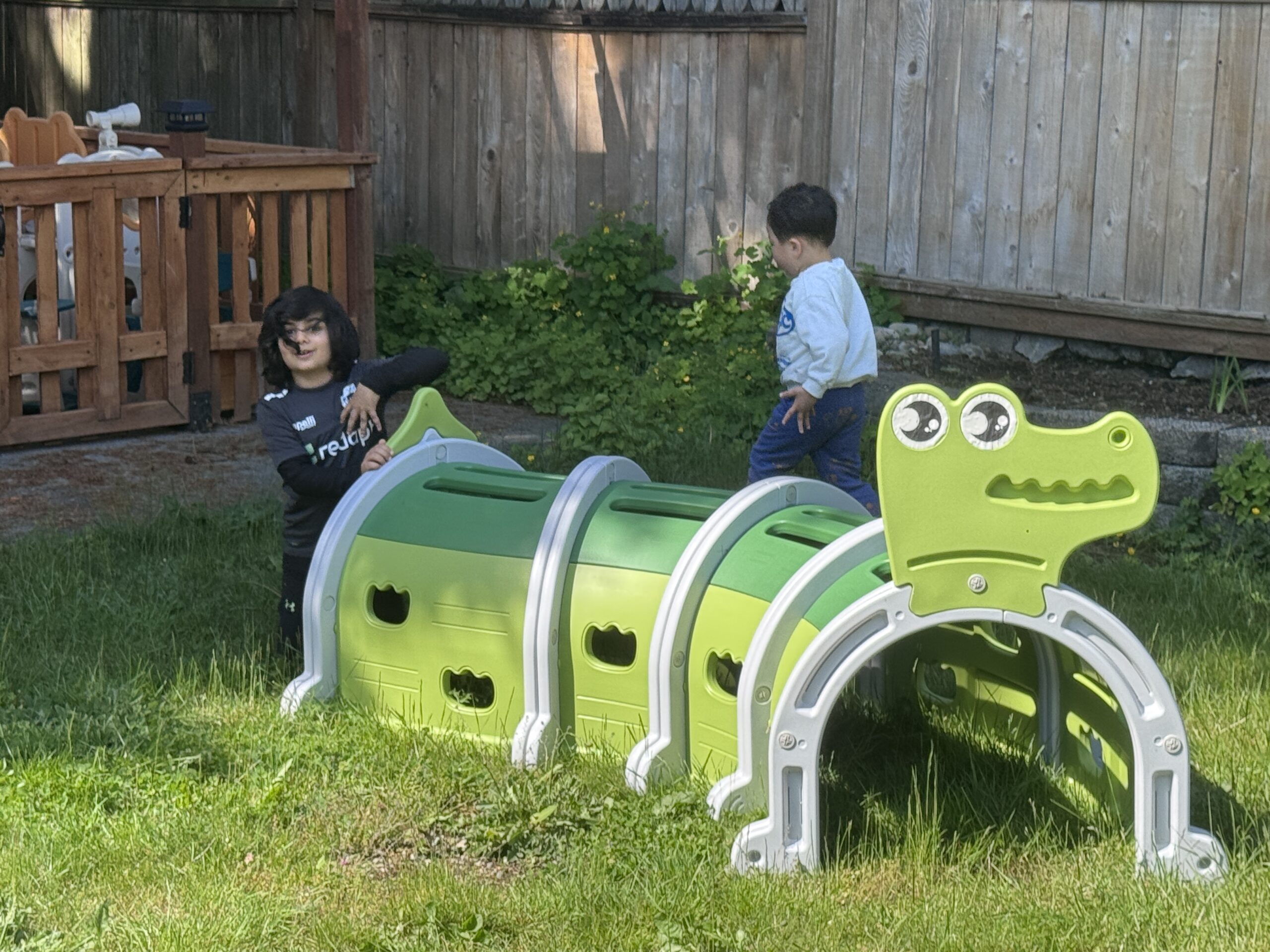


Choosing the right early childhood program is one of the most important decisions parents make. Families want environments that nurture curiosity, creativity, social skills, and emotional development. One of the most research-backed approaches is the play-based and emergent curriculum.
At Kido Heaven Child Care in Bothell, WA, we believe children learn best when they feel safe, respected, and free to explore. Play isn’t just fun—it’s how children develop social, cognitive, emotional, and physical skills. This guide explains what play-based and emergent learning is, why they work, how they look in real classrooms, and how families can support them at home.
🌱 What Is Play-Based and Emergent Curriculum?
Play-Based Learning: Children learn through hands-on experiences, imagination, exploration, and interaction.
Emergent Curriculum: Learning grows from children’s interests, questions, and everyday experiences. Teachers observe and plan intentionally based on children’s curiosity.
Example: If children notice bugs in the playground:
- Read books about insects
- Observe bugs with a magnifying glass
- Draw and paint insects
- Count legs and wings
- Build bug habitats
- Learn new vocabulary
This approach makes learning meaningful because it connects directly to children’s curiosity.
🧠 Why Play Is Essential for Brain Development
Play develops:
- Brain connections
- Emotional regulation
- Language growth
- Memory
- Executive functioning
- Social skills
- Creativity
- Problem-solving
Children practicing real-life scenarios through building, role-play, cooking, or puzzles gain foundational skills for school and life.
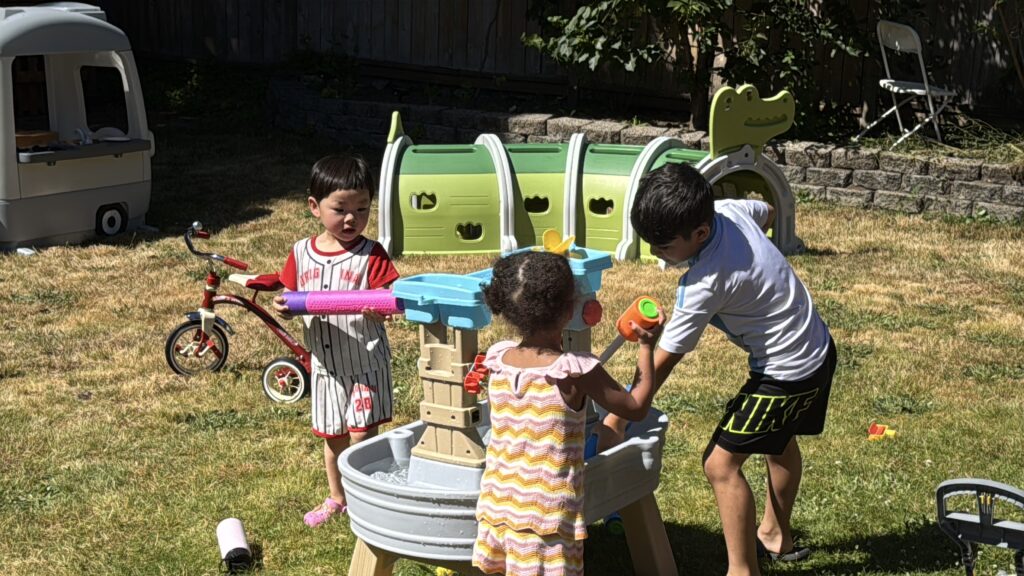
🎯 Core Principles of Emergent Curriculum
- Child-Centered Learning
Children’s voices guide learning. Teachers observe, listen, and notice patterns of interest. - Observation and Reflection
Teachers document:- Interests
- Skills
- Social interactions
- Challenges
These guide daily and weekly planning.
- Intentional Teaching
Even in child-led learning, teachers:- Ask open-ended questions
- Introduce new vocabulary
- Provide meaningful materials
- Model problem-solving and respectful communication.
- Flexibility
Plans change based on children’s engagement and curiosity. - Integrated Learning
Learning connects all domains:- Language
- Math
- Science
- Social-emotional skills
- Physical development
🧩 What Play-Based Learning Looks Like in Real Classrooms
Children might be:
- Building with blocks
- Pretending to run a restaurant
- Painting and drawing
- Exploring sensory materials
- Gardening
- Cooking
- Role-playing families or community helpers
- Reading books
- Singing and dancing
- Sorting and counting objects
Teachers guide learning through conversation, observation, and thoughtful setup of the environment.
❤️ How Play-Based Curriculum Supports Development
Social Development: Cooperation, turn-taking, empathy, and leadership.
Emotional Development: Self-regulation, confidence, resilience, and independence.
Physical Development: Gross and fine motor skills, hand-eye coordination, and balance.
Cognitive Development: Memory, attention, problem-solving, creativity, and curiosity.
Language Development: Vocabulary, storytelling, listening, and communication confidence.
🌟 Benefits of Play-Based and Emergent Learning
Children develop:
- Strong motivation to learn
- Love of exploration
- Emotional security
- Confidence
- Creativity
- Social competence
- Critical thinking
- Independence
Instead of memorizing facts, children learn how to learn.
🏡 Why Emergent Curriculum Works Well in Family Child Care
Family child care settings naturally support play-based learning:
- Small group sizes → individualized attention
- Mixed-age groups → peer learning
- Home-like environment → real-life learning
- Strong relationships → secure learning environment
- Daily routines → learning opportunities
Children feel safe, confident, and free to explore.
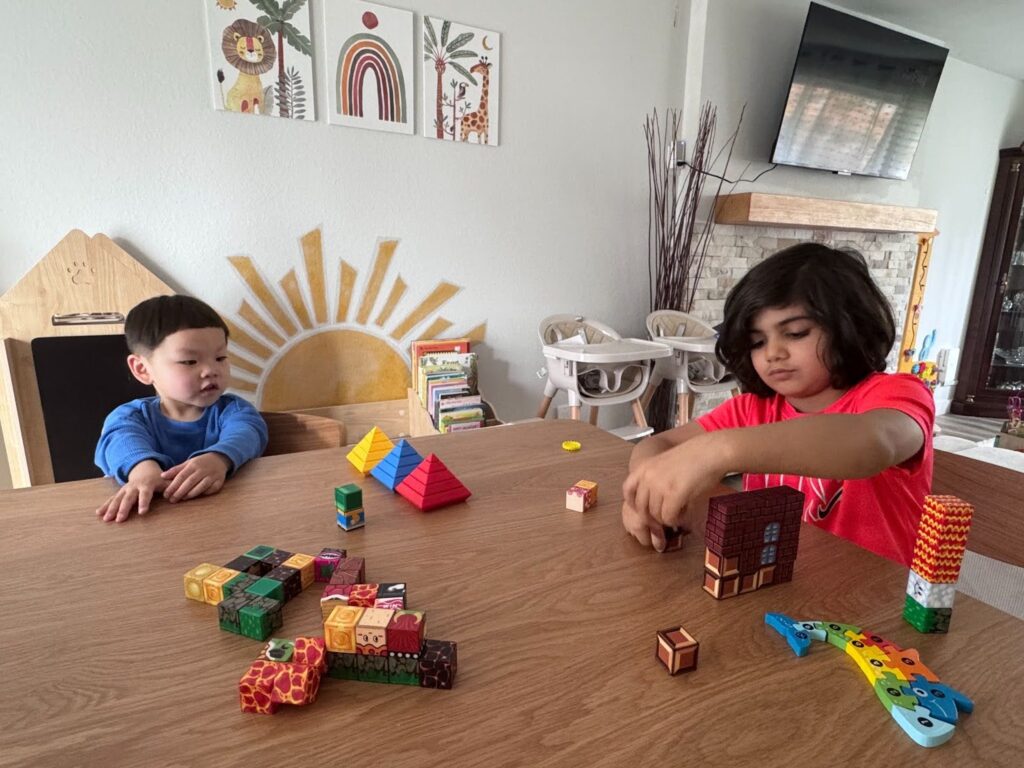
🌼 How Teachers Support Emergent Learning
Teachers:
- Observe and document learning
- Set up engaging environments
- Ask thoughtful questions
- Introduce materials
- Reflect on learning
- Partner with families
- Adjust plans based on children’s interests
👨👩👧 How Parents Can Support Play-Based Learning at Home
Parents can:
- Encourage free play
- Limit screen time
- Read together daily
- Ask open-ended questions
- Provide simple materials
- Spend time outdoors
- Allow mess and creativity
- Follow children’s interests
🔗 Our Link to the Parent Education Philosophy
For parents interested in learning more about early childhood education philosophy, check out our early childhood education approach. This links to the parent-friendly guide on Montessori, Waldorf, and other approaches.
🔍 How to Recognize a Quality Play-Based Program
Look for:
- Children actively engaged
- Flexible schedules
- Rich and natural materials
- Teacher interaction
- Child-led exploration
- Strong communication
- Safe environments
- Minimal worksheets
🧠 Play-Based vs. Academic Pressure
| Play-Based | Academic-Focused |
|---|---|
| Child-led | Teacher-led |
| Exploration | Worksheets |
| Hands-on | Memorization |
| Social growth | Performance |
| Creativity | Standardized |
| Joyful learning | Stress |
🌈 Final Thoughts
Play-based and emergent curriculum honors childhood. Children learn best when they feel safe, curious, respected, and engaged. At Kido Heaven Child Care, we integrate play-based learning every day to support social, emotional, physical, cognitive, and language development in a nurturing home environment. 🏡
Why KidoHeaven Stands Out
✅ Licensed in Washington State
✅ Aligned with Early Achievers standards
✅ Working Connections subsidy accepted
✅ Daily updates via Brightwheel
✅ Located in Bothell, serving Mill Creek, Lynnwood & nearby areas
✅ Nutritious snacks, safe outdoor space, & positive mealtime routines
📞 Call 206-734-2040 to schedule a tour
🌐 Enroll now
Follow Our Mealtime Moments
Stay updated with more beautiful outdoor meals and daily learning routines on:
Instagram | Facebook | Nextdoor | Yelp | Winnie | YouTube | Upwards
FAQ
1. What is the difference between play-based and traditional learning?
Play-based learning lets children explore and learn naturally, while traditional learning often emphasizes worksheets and memorization.
2. How does emergent curriculum adapt to children’s interests?
Teachers observe children and plan activities based on their questions, observations, and daily experiences.
3. Can play-based learning prepare children for kindergarten?
Yes! Children develop social, emotional, cognitive, and language skills that form the foundation for school readiness.
4. How can parents support emergent learning at home?
Encourage curiosity, provide hands-on materials, allow free play, and follow children’s interests.
5. Why is limiting screen time important?
It protects imagination, focus, and healthy brain development.


