
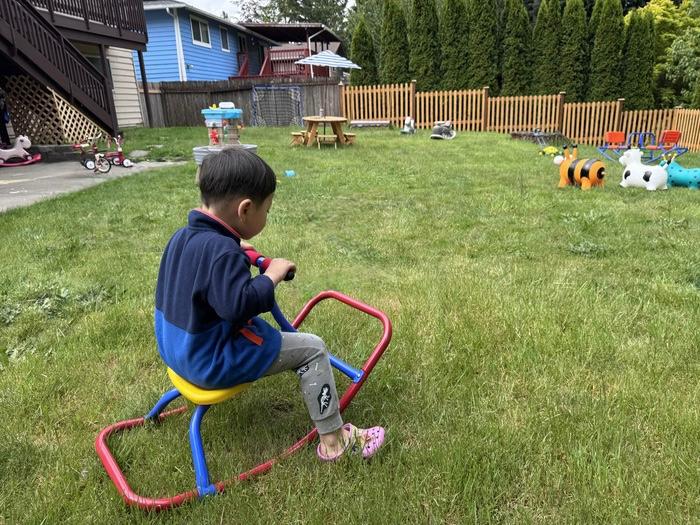


Choosing the right care for your child is one of the most important decisions a parent can make. Whether you’re considering daycare, child care, infant care, or home day care, these environments offer more than just supervision—they provide a foundation for lifelong learning and growth. High-quality daycare programs create nurturing spaces where children can develop socially, cognitively, and emotionally while giving parents peace of mind. This article explores the key reasons your kids will thrive in daycare, backed by research and practical insights, to help you make an informed choice for your family.
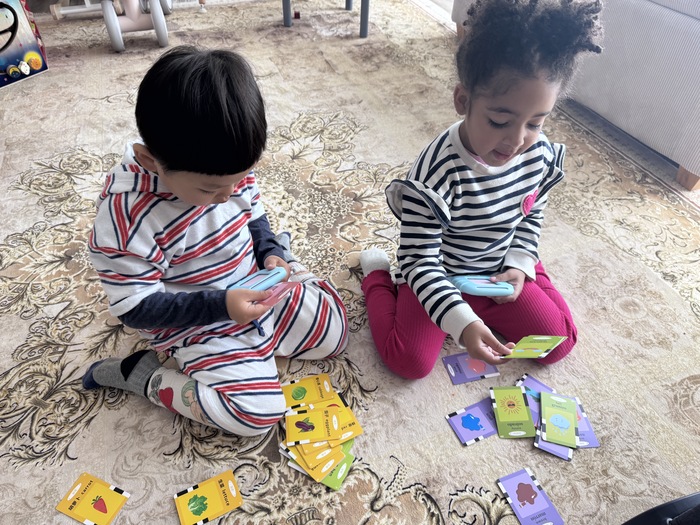
Socialization: Building Friendships and Teamwork
One of the standout benefits of daycare is the opportunity for children to socialize with peers. From infant care to preschool programs, daycare exposes kids to diverse groups, helping them develop critical social skills.
- Learning to Share and Collaborate: In a daycare setting, children engage in group activities like building block towers or playing cooperative games. These interactions teach them how to share, take turns, and work as a team.
- Building Confidence: Interacting with other children and caregivers helps kids gain confidence in expressing themselves, whether through storytelling, singing, or play.
- Exposure to Diversity: Daycare often brings together children from various backgrounds, fostering empathy and cultural awareness from an early age.
Research shows that children in high-quality daycare settings develop stronger social competence, which helps them form lasting friendships and navigate group dynamics effectively.
Cognitive Growth Through Structured Learning
Daycare programs are designed to stimulate young minds through age-appropriate activities that promote cognitive development. Unlike informal care, structured child care environments offer curricula tailored to developmental milestones.
- Early Learning Activities: From puzzles to storytelling, daycare introduces children to problem-solving, language skills, and critical thinking. For example, infant care programs use sensory play to stimulate brain development.
- Executive Function Skills: Daycare helps children develop self-regulation, focus, and adaptability—skills likened to those of an air traffic controller, according to Harvard research. These abilities are crucial for academic success and lifelong learning.
- Language and Literacy: Caregivers often read books, sing songs, and engage in conversations, boosting vocabulary and communication skills. Studies show that children in high-quality daycare score higher on vocabulary tests by grade school.
Emotional Development and Secure Attachments
A common concern among parents is whether daycare can provide the emotional support young children need. High-quality daycare addresses this by fostering secure attachments and emotional resilience.
- Consistent Caregivers: While infants benefit from bonding with one or two primary caregivers, reputable daycare centers ensure consistent staff to build trust. This stability helps children feel safe and valued.
- Emotional Regulation: Through guided activities, children learn to manage emotions, cope with frustration, and express feelings appropriately.
- Supportive Environment: Daycare provides a nurturing space where kids receive attention from trained professionals, complementing parental care.
While some studies suggest that extensive hours in lower-quality daycare may lead to behavioral challenges, high-quality programs with attentive caregivers mitigate these risks and promote emotional health.
Physical Health and Active Play
Daycare environments prioritize physical activity, which is essential for healthy development. From outdoor play to structured games, children stay active and build healthy habits.
- Physical Activities: Daycare programs often include outdoor play, dance, and movement-based games that promote motor skills and coordination.
- Health Standards: Licensed daycare centers adhere to strict health and safety protocols, including immunizations and hygiene practices, ensuring a safe environment.
- Nutrition: Many daycare programs provide balanced meals, teaching children about healthy eating habits early on.
Research indicates that children in daycare often have better overall health outcomes due to regular physical activity and health screenings.
Preparation for School and Beyond
Daycare lays the groundwork for academic success by preparing children for the structure and expectations of school.
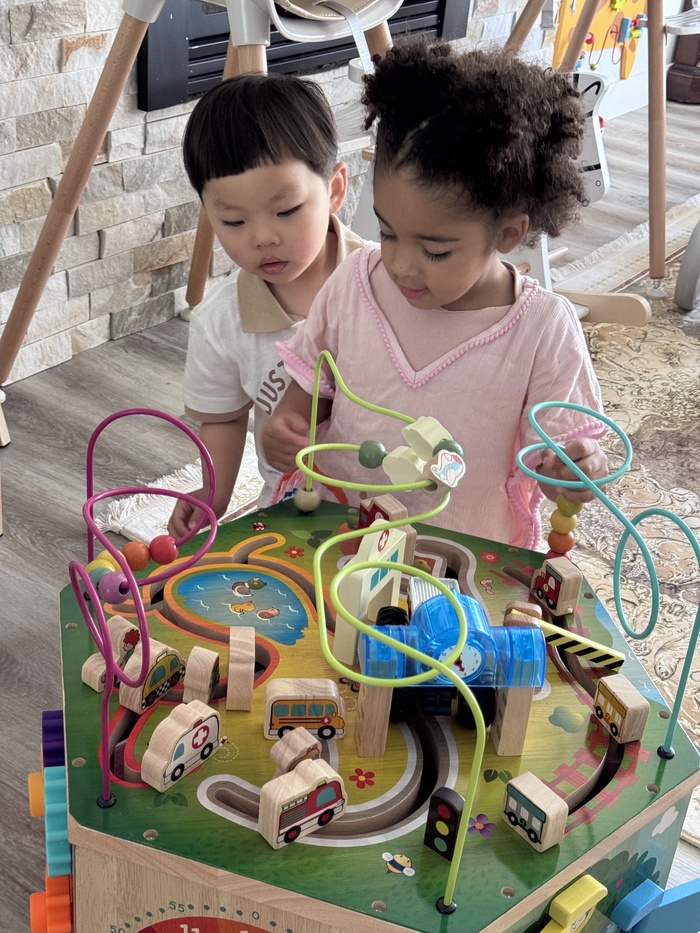
- School Readiness: Programs often include activities like counting games, letter recognition, and group projects that prepare kids for kindergarten. Studies show that children in daycare are less likely to drop out of school and more likely to pursue higher education.
- Structured Routines: Daycare introduces children to schedules, helping them adapt to the routines of formal schooling.
- Social Skills for the Classroom: The ability to follow instructions, share resources, and collaborate with peers gives daycare children a head start in school.
The Benefits of Home Day Care: A Cozy Alternative
For parents seeking a more intimate setting, home day care offers a unique blend of personalized care and socialization.
- Smaller Group Sizes: Home day cares typically have fewer children, allowing for more individualized attention. This is ideal for infants and toddlers who thrive in smaller, family-like environments.
- Flexible Schedules: Unlike traditional daycare centers, home day cares often offer flexible drop-off and pick-up times, accommodating busy parents.
- Home-Like Environment: The familiar setting of a home can feel comforting, especially for younger children transitioning from parental care.
While home day cares may vary in regulation depending on the state, choosing a licensed provider ensures safety and quality.
Support for Working Parents
Daycare isn’t just beneficial for kids—it’s a lifeline for working parents. By providing reliable care, daycare enables parents to balance professional and family responsibilities.
- Work-Life Balance: Structured daycare schedules streamline family routines, reducing stress for parents.
- Community Support: Daycare centers often connect parents with caregivers and other families, creating a support network for parenting challenges.
- Backup Care: Many daycare programs offer solutions for unexpected needs, such as care for sick children, which is a significant advantage over other options like nannies.
Choosing the Right Daycare for Your Child
Selecting the right daycare involves careful consideration to ensure it meets your child’s needs and your family’s values.
- Check Licensing and Safety: Opt for licensed daycare providers with clear health and safety protocols. You can verify licensing requirements through your state’s Child Care Resource and Referral agency.
- Visit Multiple Times: Observe the environment, staff interactions, and activities to ensure a nurturing and stimulating setting.
- Ask About Curriculum: Look for programs with age-appropriate educational activities that align with your child’s developmental stage.
- Consider Your Child’s Needs: For infants, prioritize consistent caregivers. For older kids, focus on socialization and school readiness.
Why Choose KidoHeaven for Your Child’s Daycare Needs?
At KidoHeaven, we understand that every child is unique, and our daycare programs are designed to nurture their individual potential. Our state-of-the-art facilities, licensed caregivers, and carefully crafted curricula create a safe, engaging, and joyful environment for children of all ages. Whether you’re seeking infant care, child care, or home day care in Bothell options, KidoHeaven offers flexible, high-quality solutions tailored to your family’s needs. Visit KidoHeaven.com to learn more about our programs and how we can help your child thrive.
Why KidoHeaven Stands Out
✅ Licensed in Washington State
✅ Aligned with Early Achievers standards
✅ Working Connections subsidy accepted
✅ Daily updates via Brightwheel
✅ Located in Bothell, serving Mill Creek, Lynnwood & nearby areas
✅ Nutritious snacks, safe outdoor space, & positive mealtime routines
📞 Call 206-734-2040 to schedule a tour
🌐 Enroll now
Follow Our Mealtime Moments
Stay updated with more beautiful outdoor meals and daily learning routines on:
Instagram | Facebook | Nextdoor | Yelp | Winnie | YouTube | Upwards
FAQ
1. Is daycare safe for infants?
Yes, high-quality infant care in licensed daycare centers is safe, with trained caregivers, strict safety protocols, and health standards. Always verify licensing and visit the facility to ensure it meets your expectations.
2. How does daycare benefit toddlers compared to staying at home?
Daycare offers toddlers socialization, structured learning, and exposure to diverse activities that promote cognitive and emotional growth, which may complement home-based care.
3. What’s the difference between daycare centers and home day care?
Daycare centers are larger, licensed facilities with structured curricula, while home day care provides a smaller, more flexible, home-like environment. Both can be high-quality, depending on licensing and caregiver qualifications.
4. Will my child fall behind if they don’t attend daycare?
Not necessarily. Children can thrive in various settings, but daycare provides unique opportunities for socialization and early education that prepare kids for school.
5. How can I afford daycare?
Explore subsidized programs like Head Start, contact local Child Care Resource and Referral agencies, or consider flexible options like home day care to manage costs.


