
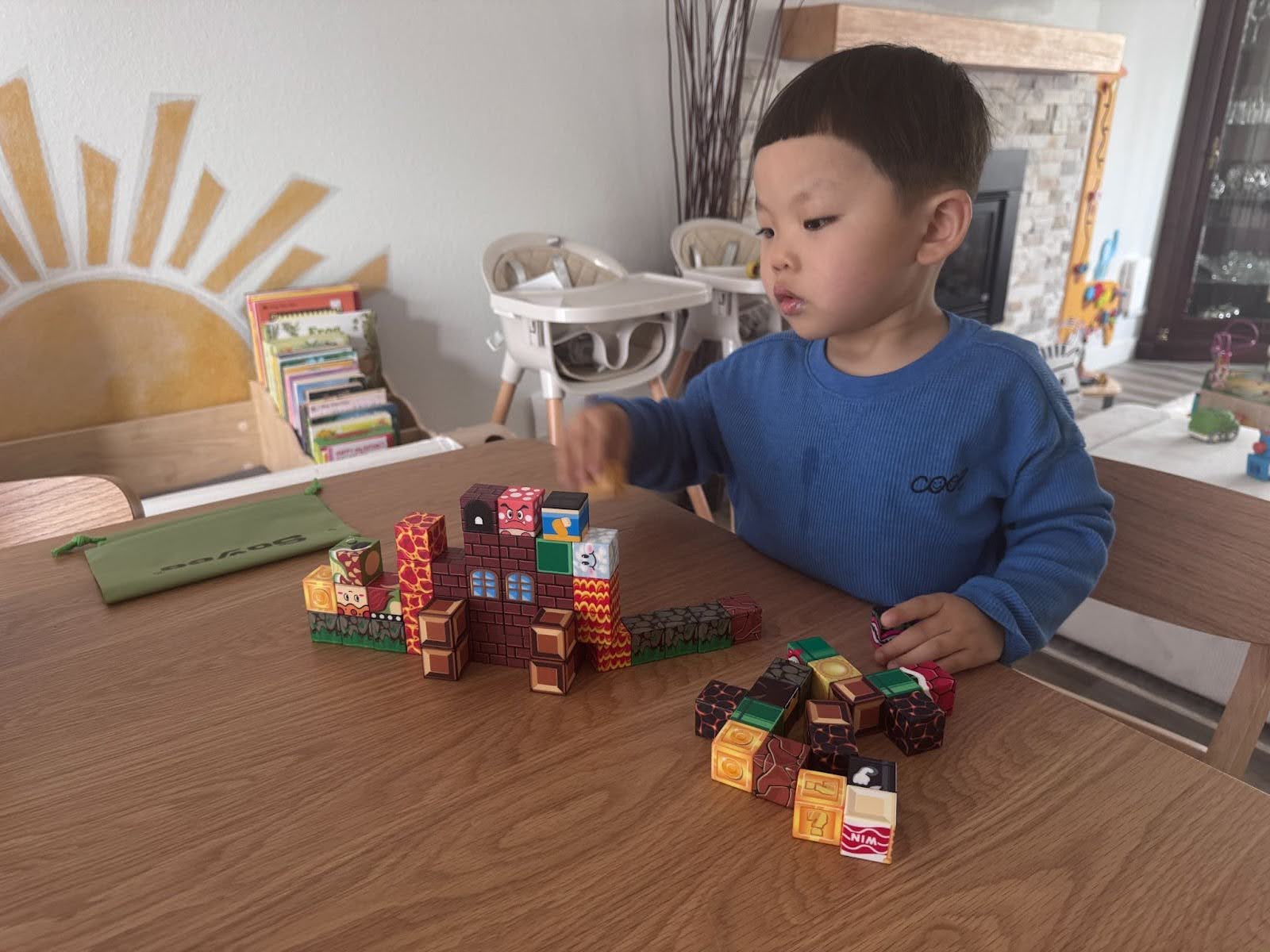


When families search for high-quality early childhood programs, they often encounter terms like play-based learning, child-led curriculum, creativity, and project-based exploration. One of the most respected educational philosophies that brings all of these principles together is the Reggio Emilia Approach.
Originally developed in Italy after World War II, the Reggio Emilia philosophy is now used worldwide in high-quality preschools and early learning environments. It focuses on honoring children’s natural curiosity, creativity, and ability to construct knowledge through exploration, collaboration, and relationships.
At Kido Heaven child care center, we believe learning environments should nurture independence, emotional development, creativity, and meaningful connections. The Reggio Emilia approach closely aligns with our commitment to child-centered, developmentally appropriate education.
This guide explains what the Reggio Emilia approach is, how it works, why it benefits young children, and how families can recognize high-quality implementation in early childhood settings.
🌱 What Is the Reggio Emilia Approach?
The Reggio Emilia Approach is an educational philosophy that views children as:
- Capable
- Curious
- Creative
- Competent
- Full of potential
Rather than seeing children as empty vessels to be filled with information, Reggio educators view children as active participants in their own learning. Children construct knowledge through hands-on experiences, exploration, reflection, and relationships with peers and adults.
Learning is driven by children’s interests rather than rigid lesson plans. Teachers carefully observe what children are curious about and design long-term projects that deepen learning across multiple subject areas.
🧠Core Principles of the Reggio Emilia Philosophy
⭐ Children Are Capable and Confident Learners
Children are naturally motivated to understand the world around them. In Reggio-inspired environments, they are respected as thinkers and decision-makers.
Educators encourage children to:
- Ask questions
- Experiment and explore
- Make mistakes safely
- Solve problems
- Express ideas
- Collaborate with peers
This respectful approach builds confidence, independence, and intrinsic motivation.
🏡 The Environment Is the “Third Teacher”
In Reggio Emilia classrooms, the physical environment plays a central role in learning. Spaces are intentionally designed to be calm, beautiful, organized, and inviting.
Common elements include:
- Natural light and plants
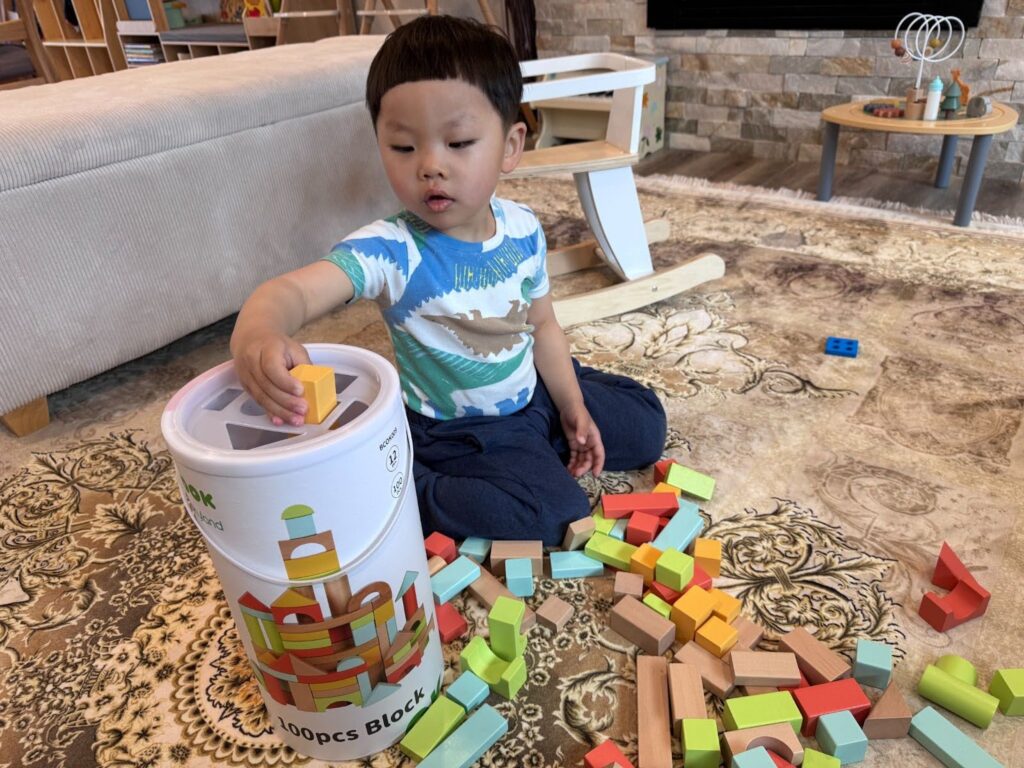
- Open-ended materials and loose parts
- Displays of children’s work
- Accessible shelves
- Cozy areas for conversation and reflection
A thoughtfully prepared environment encourages creativity, independence, and exploration.
🧩 Learning Happens Through Long-Term Projects
Projects emerge from children’s interests and questions. For example:
- A curiosity about insects may lead to an in-depth science investigation
- Nearby construction can inspire exploration of engineering and design
- Water play can evolve into learning about floating, sinking, and measurement
Projects integrate language, math, science, art, social studies, and emotional development. They may last days, weeks, or even months, allowing children to explore topics deeply and meaningfully.
🎭 The Hundred Languages of Children
The Reggio Emilia philosophy recognizes that children express their thinking in many ways, often referred to as the “hundred languages.” These include:
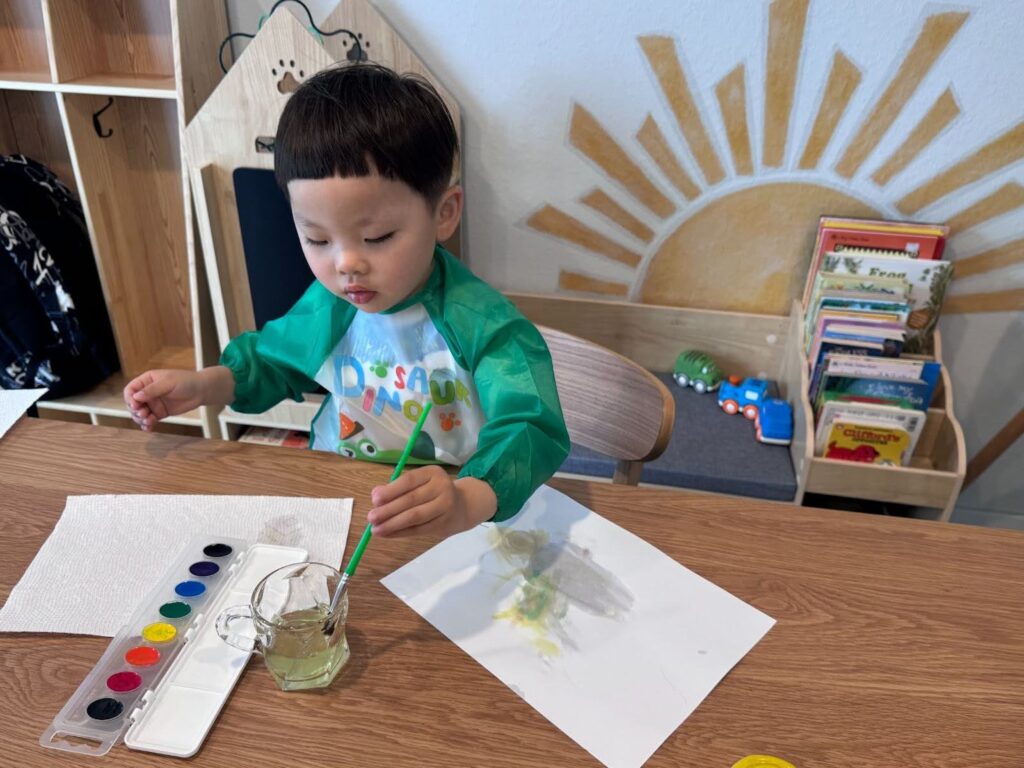
- Drawing and painting
- Music and movement
- Sculpting and building
- Drama and storytelling
- Digital and technological expression
Children are encouraged to communicate ideas creatively and authentically, honoring diverse learning styles.
👩🏫 Teachers as Co-Learners and Researchers
In Reggio-inspired programs, teachers act as collaborators rather than lecturers. They observe, listen, and reflect alongside children.
Teachers:
- Ask open-ended questions
- Provide meaningful materials
- Guide exploration
- Document learning
- Encourage reflection
Documentation helps educators understand children’s thinking and strengthens communication with families.
❤️ How the Reggio Emilia Approach Supports Whole-Child Development
The Reggio Emilia approach strongly aligns with developmentally appropriate practice (DAP) by supporting children’s social, emotional, cognitive, and physical development through meaningful, child-led experiences.
🤝 Social Development
Children learn cooperation, communication, leadership, and conflict resolution through group projects and shared decision-making.
💛 Emotional Development
Children build confidence, emotional awareness, resilience, and self-expression through strong relationships and creative exploration.
🏃 Physical Development
Hands-on learning supports fine and gross motor skills through art, construction, sensory play, and outdoor experiences.
🧠 Cognitive and Language Development
Children strengthen problem-solving, critical thinking, reasoning, vocabulary, storytelling, and communication skills through inquiry-based learning.
👨👩👧 Family Partnerships in Reggio-Inspired Programs
Families are viewed as essential partners in the learning process. Ongoing communication supports collaboration and trust through:
- Daily conversations
- Learning documentation and photos
- Project displays
- Family input and cultural sharing
Families contribute ideas, materials, and experiences that enrich classroom projects and strengthen children’s learning.
🏫 What a Reggio-Inspired Classroom Looks Like
In a high-quality Reggio-inspired environment, you may notice:
- Children working in small collaborative groups
- Long-term projects displayed throughout the classroom
- Art materials always accessible
- Natural materials used instead of plastic toys
- Teachers observing and documenting learning
- Children explaining their thinking
- Calm, respectful, and organized spaces
Learning feels meaningful, unrushed, and deeply engaging.
🌟 Benefits of the Reggio Emilia Approach
Children who experience Reggio-inspired education often develop:
- Creativity and imagination
- Independence and confidence
- Strong communication skills
- Critical thinking and problem-solving abilities
- Collaboration and empathy
- Emotional intelligence
- A lifelong love of learning
These skills prepare children not only for academic success but for life beyond the classroom.
🌈 Reggio-Inspired Learning at Kido Heaven Child Care
At Kido Heaven daycare, we incorporate Reggio-inspired principles by:
- Providing open-ended materials
- Encouraging child-led exploration
- Displaying children’s work
- Creating calm and organized learning environments
- Observing children’s interests
- Partnering closely with families
- Respecting cultural diversity
As a licensed daycare in Bothell, we follow Washington State WAC requirements while creating a safe, inspiring environment that supports early learning and development.
🏠 How Families Can Support Reggio Learning at Home
Families can extend Reggio principles beyond the classroom by:
- Encouraging curiosity and exploration
- Asking open-ended questions
- Allowing children to create freely
- Providing loose parts for imaginative play
- Listening to children’s ideas
- Valuing the learning process over the final product
- Exploring nature together
Everyday experiences become meaningful learning opportunities.
✅ Final Thoughts
The Reggio Emilia approach nurtures curious, confident, and creative learners by honoring each child’s individuality and potential. Through meaningful projects, strong relationships, and thoughtfully designed environments, children develop the skills they need for lifelong success.
If you are looking for early childhood education in Bothell that values creativity, independence, and whole-child development, Kido Heaven in Bothell proudly integrates Reggio-inspired principles into everyday learning.
Why KidoHeaven Stands Out
✅ Licensed in Washington State
✅ Aligned with Early Achievers standards
✅ Working Connections subsidy accepted
✅ Daily updates via Brightwheel
✅ Located in Bothell, serving Mill Creek, Lynnwood & nearby areas
✅ Nutritious snacks, safe outdoor space, & positive mealtime routines
📞 Call 206-734-2040 to schedule a tour
🌐 Enroll now
Follow Our Mealtime Moments
Stay updated with more beautiful outdoor meals and daily learning routines on:
Instagram | Facebook | Nextdoor | Yelp | Winnie | YouTube | Upwards
FAQ
1. Is the Reggio Emilia approach play-based?
Yes. It is a child-led, play-based approach that emphasizes exploration, creativity, and inquiry.
2. Is the Reggio Emilia approach suitable for infants and toddlers?
Yes. Reggio principles can be adapted to support development from infancy through preschool.
3. Is the Reggio Emilia approach aligned with Washington State regulations?
When implemented properly, Reggio-inspired programs can fully align with WAC requirements for early learning environments.
4. How does the Reggio Emilia approach support school readiness?
By building confidence, communication, collaboration, and critical thinking skills, children are well prepared for future academic learning.


