

Transitions are a fundamental part of a child’s daily experience. Whether moving from playtime to mealtime or from home to daycare, these moments of change can significantly impact a child’s emotional state. The science of transitions shows that children are highly sensitive to change, and without proper support, transitions can lead to stress, anxiety, and behavioral challenges.
Understanding the neuropsychological mechanisms behind transitions allows caregivers and parents to create smooth shifts that promote emotional stability and reduce anxiety. In high-quality daycare environments, transitions are carefully structured to align with developmental science and Washington Administrative Code (WAC) standards.
What Are Transitions in Early Childhood?
Transitions refer to any shift from one activity, environment, or emotional state to another. For young children, even small changes can feel significant because their brains are still developing the ability to regulate emotions and adapt to new situations.
Examples include:
- Moving from free play to structured learning
- Transitioning from home to daycare
- Shifting from active play to rest time
These changes require children to adjust both cognitively and emotionally.
The Neuropsychological Science of Transitions
From a brain development perspective, transitions activate the prefrontal cortex—the area responsible for decision-making, attention, and self-regulation. However, in young children, this region is still immature.
At the same time:
- The amygdala (emotional center) reacts quickly to change
- Stress responses can be triggered by uncertainty
- Executive functioning skills are still developing
This imbalance explains why transitions can feel overwhelming. Children rely on external support—routines, cues, and caregiver guidance—to navigate these changes successfully.
Why Transitions Trigger Stress and Anxiety
Several factors make transitions challenging:
Lack of Predictability
When children don’t know what comes next, their sense of control decreases, increasing anxiety.
Emotional Attachment
Leaving a preferred activity or caregiver can create resistance and distress.
Cognitive Load
Switching tasks requires mental effort that young children are still learning to manage.
Sensory Overload
Busy daycare environments can amplify stress during transitions.
Understanding these triggers is essential for designing effective strategies to reduce anxiety.

The Role of Predictability in Smooth Shifts
Predictability is one of the most powerful tools for creating smooth transitions. When children know what to expect:
- Stress levels decrease
- Cooperation increases
- Emotional regulation improves
Consistent routines and clear signals help children mentally prepare for change, transforming transitions from stressful moments into manageable experiences.
Types of Transitions in Daycare Settings
Activity-to-Activity Transitions
These occur frequently throughout the day, such as moving from playtime to group learning. Without structure, these transitions can become chaotic.
Environmental Transitions
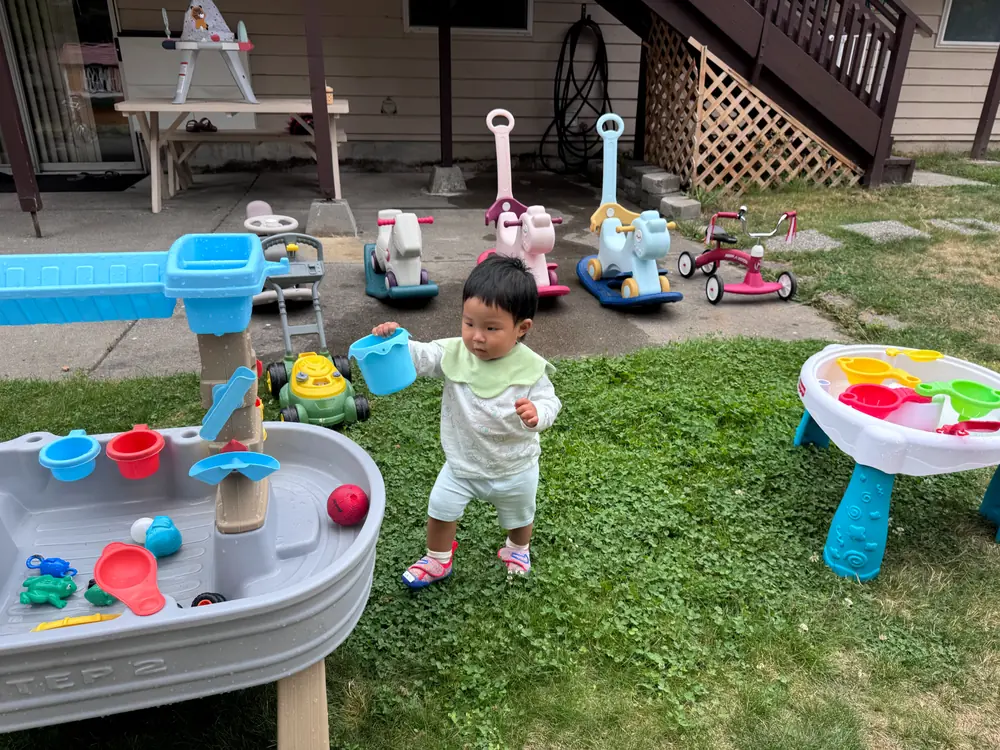
Examples include moving between indoor and outdoor spaces. These shifts often involve sensory changes that can affect behavior.
Social Transitions
Changes in caregivers, group dynamics, or peer interactions can also create emotional stress for children.
Evidence-Based Strategies for Smooth Transitions
Visual and Verbal Cues
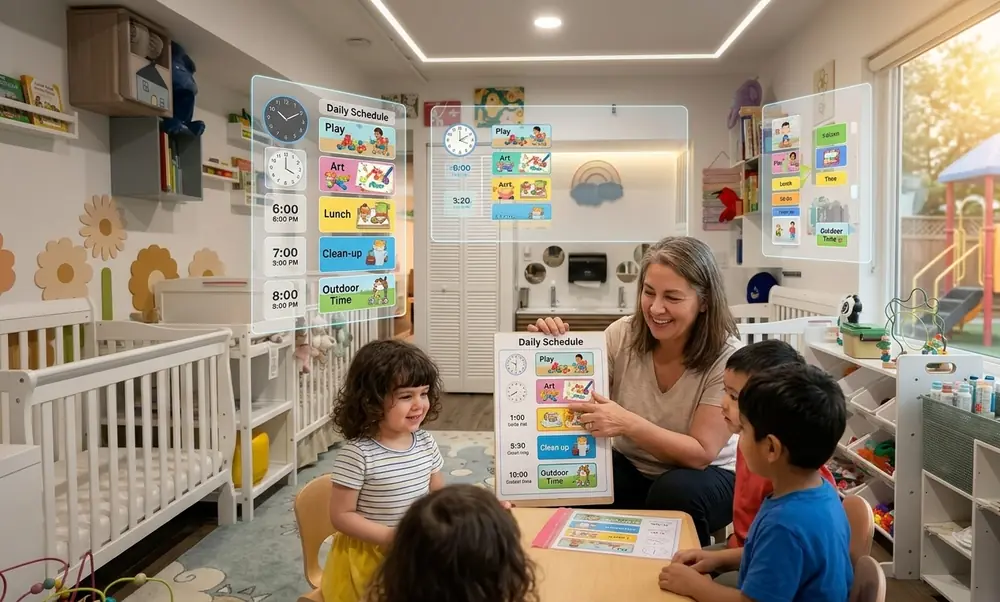
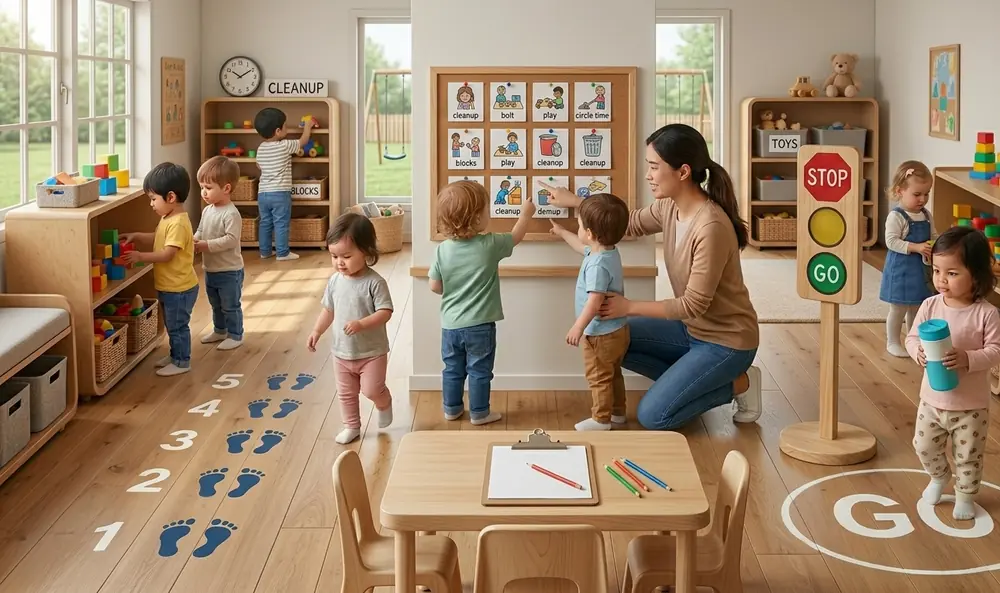
Using consistent cues—such as countdowns, songs, or visual schedules—helps children anticipate change.
Examples:
- “Five more minutes, then cleanup time.”
- Picture schedules showing the next activity
Transition Rituals
Simple rituals create familiarity and comfort. These may include:
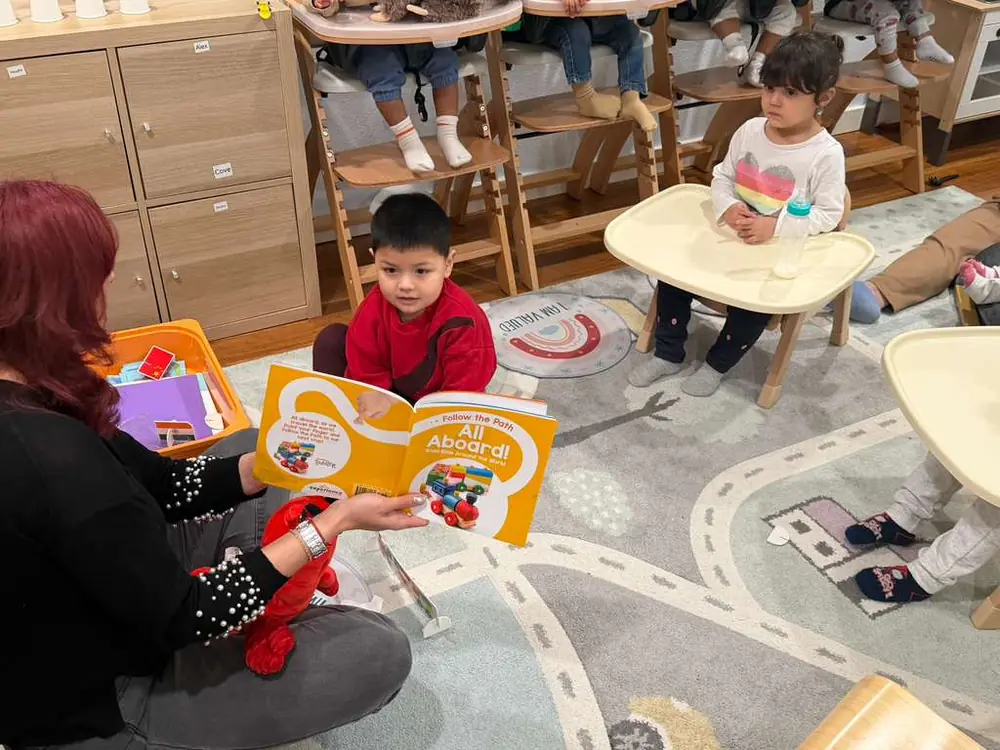
- Singing a cleanup song
- Using a specific phrase before moving activities
- Group countdowns
Rituals act as emotional anchors during change.
Gradual Shifting Techniques
Instead of abrupt changes, gradual transitions allow children to adjust slowly.
For example:
- Phasing out playtime step-by-step
- Allowing children to finish tasks before moving on
Emotional Coaching
Caregivers play a key role in validating emotions:
- Acknowledge feelings (“I know you want to keep playing”)
- Offer reassurance
- Guide behavior calmly
This approach builds emotional intelligence and resilience.
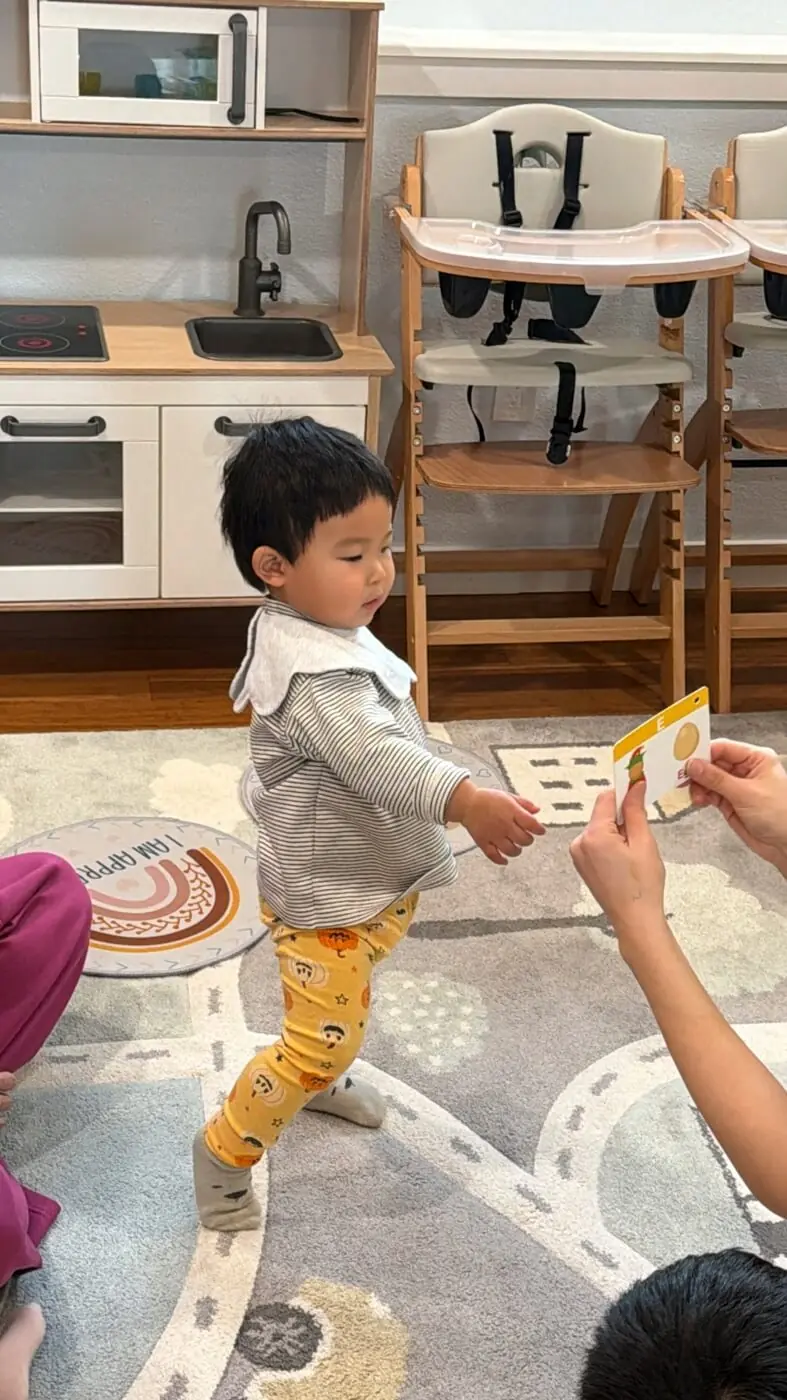
The Role of Caregivers in Managing Transitions
Caregivers are the primary regulators of a child’s experience during transitions. Their consistency, tone, and responsiveness directly influence how children react.
Effective caregivers:
- Maintain structured routines
- Use predictable language
- Provide emotional support
- Model calm behavior
In a safe daycare environment in Bothell, trained professionals implement these strategies to ensure smooth and stress-free transitions.
WAC Guidelines and Transition Management
Washington Administrative Code (WAC) emphasizes:
- Structured daily schedules
- Predictable routines
- Developmentally appropriate practices
These guidelines ensure that childcare providers create environments where transitions are managed safely and effectively. Consistency is not just recommended—it is a regulatory expectation that supports children’s emotional well-being.
Common Transition Challenges and Solutions
Resistance to Change
Solution: Use advance warnings and offer choices.
Tantrums During Transitions
Solution: Provide emotional validation and consistent routines.
Difficulty Leaving Activities
Solution: Introduce gradual transitions and engaging follow-up activities.
Separation Anxiety
Solution: Establish consistent drop-off routines and caregiver reassurance.
How Parents Can Support Transitions at Home
Consistency between home and daycare is essential. Parents can:
- Use similar routines and cues
- Practice transitions during daily activities
- Prepare children in advance for schedule changes
Simple habits—like giving warnings before transitions—can significantly reduce stress.
Choosing a Daycare That Supports Smooth Transitions
Not all daycare environments handle transitions effectively. When selecting a center, look for:
- Structured routines
- Trained caregivers
- Calm and organized environments
- Compliance with WAC standards
A professional child care services in Bothell provider should demonstrate clear transition strategies that prioritize emotional safety.
Conclusion
Transitions are more than just moments of change—they are critical opportunities to support a child’s emotional development. By understanding the science behind transitions, caregivers and parents can create environments that reduce anxiety and promote smooth shifts.
With the right combination of predictability, emotional support, and structured routines, transitions become manageable—and even positive—experiences for children.
At Kido Heaven early learning center, transitions are thoughtfully designed to support each child’s emotional well-being, ensuring a smooth, secure, and nurturing daycare experience.
Why KidoHeaven Stands Out
✅ Licensed in Washington State
✅ Aligned with Early Achievers standards
✅ Working Connections subsidy accepted
✅ Daily updates via Brightwheel
✅ Located in Bothell, serving Mill Creek, Lynnwood & nearby areas
✅ Nutritious snacks, safe outdoor space, & positive mealtime routines
📞 Call 206-734-2040 to schedule a tour
🌐 Enroll now
Follow Our Mealtime Moments
Stay updated with more beautiful outdoor meals and daily learning routines on:
Instagram | Facebook | Nextdoor | Yelp | Winnie | YouTube | Upwards
FAQ
1. Why are transitions difficult for young children?
Because their brains are still developing self-regulation skills, making it harder to adapt to change.
2. How can transitions be made easier in daycare?
Using predictable routines, visual cues, and emotional support helps children adjust smoothly.
3. What is the most effective transition strategy?
Combining advance warnings, consistent routines, and emotional validation is most effective.
4. How long does it take for children to adjust to transitions?
It varies, but consistent routines can significantly speed up adaptation.
5. Can poor transitions affect behavior?
Yes, unmanaged transitions can lead to anxiety, tantrums, and difficulty focusing.
Visit Kido Heaven Child Care
A licensed home daycare for infants to pre-K, serving Bothell and Mill Creek. Call or text (206) 734-2040 or book a tour.
Book a Tour