
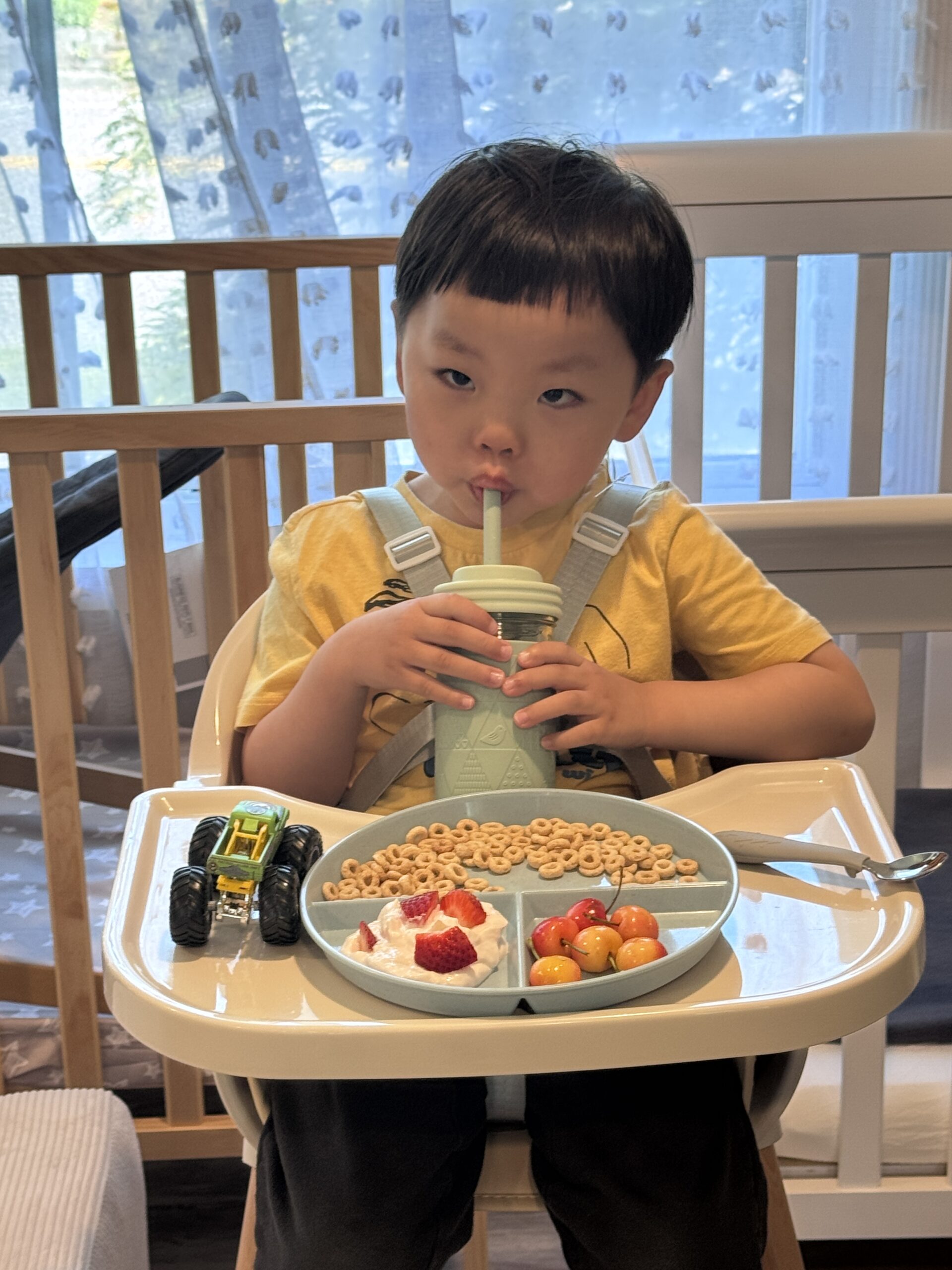


Even before children can say “I’m overwhelmed,” their nervous systems are learning how to return to calm. Research from the Harvard Center on the Developing Child (2023) shows that the ability to self-regulate in the first three years predicts better academic performance, social skills, and mental health at age 10 and beyond.
Teaching simple self-care isn’t about “spoiling” a baby — it’s about co-regulation that gradually becomes self-regulation.
Understanding Self-Regulation in the First 3 Years
The Science Behind Infant and Toddler Self-Soothing
When an infant cries and is gently rocked, skin-to-skin contact releases oxytocin and lowers cortisol. Repeated positive experiences literally wire the prefrontal cortex for future calm (Feldman, 2022 – Zero to Three Journal).
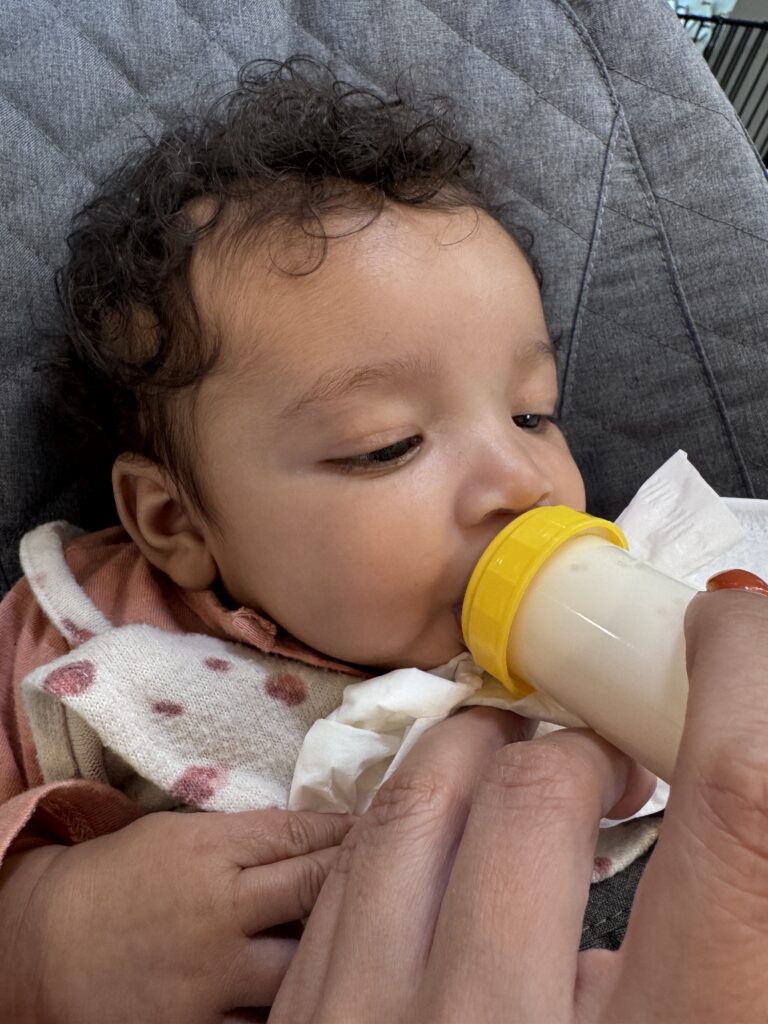
Age-by-Age Self-Care Milestones (0–36 Months)
| Age | Typical Self-Regulation Signs | Emerging Self-Care Skills |
|---|---|---|
| 0–3 months | Startle reflex, brief eye contact | Accepts swaddling, sucking to calm |
| 4–6 months | Social smile, tracks faces | Brings hands to mouth, enjoys gentle rocking |
| 7–12 months | Stranger anxiety peaks | Finds comfort object, begins rhythmic movement |
| 12–24 months | “Terrible twos” begin | Uses simple words (“hug”), deep breaths with help |
| 24–36 months | Can name feelings | Independently chooses calm-down toy/activity |
15 Simple & Effective Self-Care Activities
Activities for Newborns & Young Infants (0–6 Months)
Skin-to-Skin Kangaroo Care
20–30 minutes daily reduces crying by up to 50% (AAP, 2022).
Slow Rocking + White/Pink Noise
Mimics womb environment; use a yoga ball for parents with back pain.
Safe Swaddling with Arms Out (4+ months)
Transition technique recommended by pediatric sleep consultants.
Gentle Bicycle Legs & Tummy Massage
Relieves gas and activates parasympathetic system.
Activities for Older Infants (6–12 Months)
DIY Sensory Bottles (Warm Water + Glitter)
Slow-falling glitter teaches visual tracking and calm focus.
Baby Sign for “More” and “All Done”
Reduces frustration tantrums by 30–40% (Goodwyn et al., 2000).
Mirror Play with Soft Music
Encourages self-recognition and emotional mirroring.
Treasure Basket Exploration
Natural materials (wooden rings, silk scarves) for mindful touch.
Activities for Toddlers (12–36 Months)
Breathing Buddy (Stuffed animal on tummy)
Lie down, watch the animal rise and fall — proven effective in preschool trials.
Calm-Down Glitter Jar
Shake and wait until glitter settles; toddlers learn “my feelings settle too.”
Cozy Corner with Weighted Blanket (≥24 months & ≥25 lbs)
Deep-pressure therapy shown to lower heart rate (Chen et al., 2021).
Toddler Yoga Poses
“Tree,” “Resting Butterfly,” and “Child’s Pose” with songs.
Hand-Over-Hand “Stop & Feel”
Guide child to place hands on chest/belly to feel heartbeat slow.
Scented Playdough (Lavender or Chamomile)
Aromatherapy + fine motor calm in one.
Bubble Breathing
Blow imaginary bubbles slowly — strengthens vagus nerve.
Adaptable Activities for Preschoolers (3–5 Years)
All toddler activities above scale beautifully. Add:
- “I Wish My Worry Was a Bubble” (draw worry, blow it away)
- Guided 5-Finger Gratitude Trace
- Feelings Chart + “I Need” sentence starters
How to Create a Calming Corner at Home or in Childcare
Essential elements (under 10 sq ft):
- Soft rug or crash pad
- Basket of sensory tools (listed above)
- Noise-reducing headphones (toddler size)
- Visual timer (sand or liquid)
- Family photo board for connection
Daily Routines That Build Lifelong Emotional Wellness
| Time of Day | Micro Self-Care Moment |
|---|---|
| Wake-up | 60-second cuddle + deep breath together |
| Diaper/Meal | Sing a slow song, make eye contact |
| Before Nap | 3-book rule + lavender lotion massage |
| After Meltdown | Name emotion → choose one calm tool together |
| Bedtime | Body scan: “Thank you feet, thank you hands” |
Safety Guidelines & Developmental Red Flags
- Never leave sensory bottles unsupervised (choking hazard if broken)
- Weighted blankets only for children over 24 months and weighing >25 lbs
- Consult pediatrician if child cannot self-soothe at all by 12 months or regresses suddenly
About Kido Heaven – Premium Childcare in Bothell
If you’re looking for a loving, professional childcare environment that incorporates these exact self-care and emotional wellness practices every single day, Kido Heaven in Bothell is the perfect choice. With lower-than-required teacher-to-child ratios, a daily curriculum inspired by RIE and Montessori principles, and dedicated calming corners in every classroom, we help children master emotional regulation from infancy onward.Schedule a tour or book a visit today:
Daycare Bothell | Child Care BothellKido Heaven – Where children learn to love their feelings.
Why KidoHeaven Stands Out
✅ Licensed in Washington State
✅ Aligned with Early Achievers standards
✅ Working Connections subsidy accepted
✅ Daily updates via Brightwheel
✅ Located in Bothell, serving Mill Creek, Lynnwood & nearby areas
✅ Nutritious snacks, safe outdoor space, & positive mealtime routines
📞 Call 206-734-2040 to schedule a tour
🌐 Enroll now
Follow Our Mealtime Moments
Stay updated with more beautiful outdoor meals and daily learning routines on:
Instagram | Facebook | Nextdoor | Yelp | Winnie | YouTube | Upwards
FAQ
1. Isn’t teaching self-care too advanced for babies?
No. Co-regulation in infancy becomes self-regulation by toddlerhood. The earlier you start, the stronger the neural pathways.
2. My toddler only wants screens to calm down. Is that okay?
Short-term yes, long-term no. Screens reduce cortisol quickly but prevent learning internal regulation skills (AAP, 2023).
3. How long should a calm-down activity take?
As little as 30–90 seconds for infants; 3–5 minutes for toddlers. The goal is returning to a “green zone,” not perfection.
4. Can daycare teachers use these activities?
Absolutely. Many of these (breathing buddy, glitter jars, cozy corner) are standard in Reggio-Emilia and RIE-inspired centers worldwide.
5. Where can I find high-quality childcare that already teaches emotional wellness?
Look for centers that train staff in conscious discipline and have dedicated calm corners.


