

Confidence in children is not built overnight—it develops gradually through repeated experiences that allow them to feel capable, trusted, and valued. One of the most effective ways to nurture confidence is by giving children small, meaningful responsibilities in their daily environment.
These responsibilities do not need to be complex. Simple actions such as putting away toys, helping organize materials, or assisting in small classroom tasks can significantly influence how children perceive themselves.
In high-quality early learning environments, such as a structured Daycare Bothell, children are encouraged to participate in activities that promote independence and self-awareness. These experiences form the foundation for long-term confidence and self-worth.
The Connection Between Responsibility and Confidence
Responsibility and confidence are closely interconnected. When children successfully complete small tasks, they experience a sense of accomplishment. This reinforces the belief that they are capable individuals.
Each completed task becomes evidence of their abilities. Over time, these repeated experiences strengthen their internal confidence rather than relying on external validation.
Confidence built through responsibility is more stable because it comes from real experiences rather than praise alone.
Understanding Self-Worth in Early Childhood
Self-worth refers to how children perceive their value as individuals. It develops when children feel competent, respected, and included.
Assigning responsibilities communicates trust. When adults trust children with tasks, children interpret this as recognition of their abilities.
In a supportive child care environment, children are given opportunities to contribute meaningfully, which helps them feel important and valued within their community.
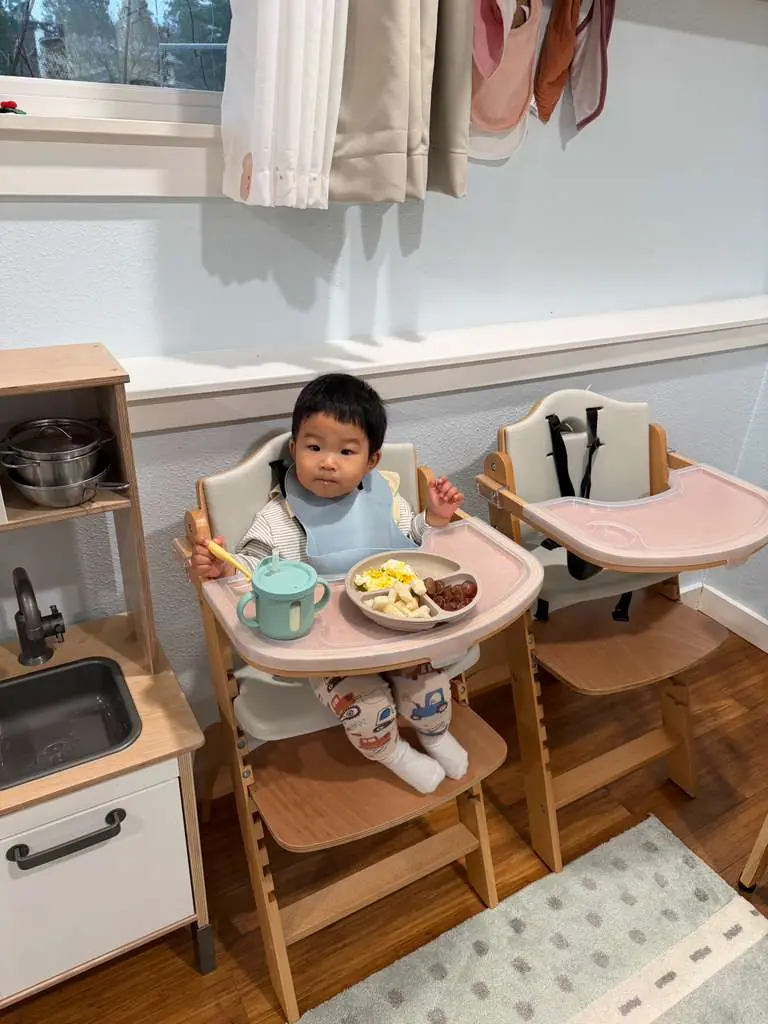
Why Small Responsibilities Matter More Than Big Ones
Small responsibilities are developmentally appropriate and achievable. Large or complex tasks may overwhelm children and reduce motivation.
Small tasks:
- They are easy to understand
- Provide quick success
- Encourage repetition
- Build consistency
Examples include:
- Returning toys to shelves
- Wiping a table
- Organizing personal belongings
These tasks create repeated opportunities for success, which gradually build confidence.
Psychological Foundations of Confidence Building
From a developmental perspective, confidence is built through mastery experiences. When children successfully complete tasks, they develop a belief in their abilities.
According to research from the Harvard Center on the Developing Child, early experiences that involve active participation and skill-building play a critical role in shaping brain development and executive functioning.
Source: https://developingchild.harvard.edu
Responsibility-based activities stimulate:
- Decision-making
- Problem-solving
- Emotional regulation
These cognitive processes contribute directly to confidence and independence.
How Responsibility Encourages Independence
Independence develops when children are given opportunities to act without constant adult intervention.
Small responsibilities allow children to:
- Make choices
- Take initiative
- Learn from outcomes
Instead of relying on adults for every task, children begin to rely on their own abilities. This independence strengthens their confidence and prepares them for future challenges.
The Role of Educators in Assigning Responsibilities
Educators play a crucial role in guiding children toward responsibility.
Effective practices include:
- Assigning age-appropriate tasks
- Providing clear instructions
- Offering gentle guidance rather than control
- Encouraging participation without pressure
Educators act as facilitators, not enforcers. Their role is to create opportunities where children can succeed independently.
Age-Appropriate Responsibilities for Children
Responsibilities should match the child’s developmental stage.
Toddlers:
- Putting toys in bins
- Carrying small items
- Helping with simple cleanup
Preschoolers:
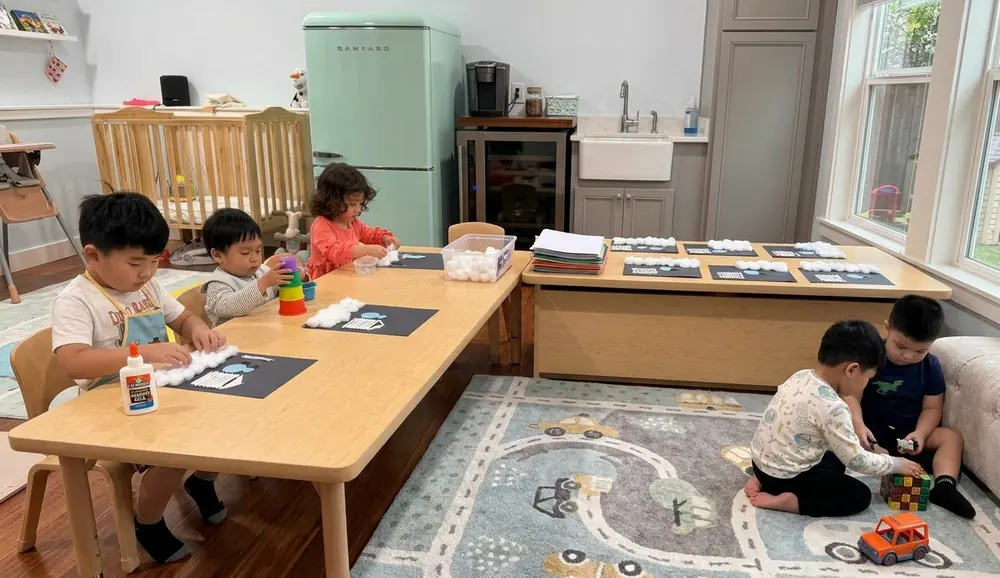
- Organizing materials
- Setting up activities
- Assisting peers
Older Children:
- Managing personal belongings
- Participating in group responsibilities
- Taking part in structured tasks
Matching responsibilities with ability ensures success and prevents frustration.
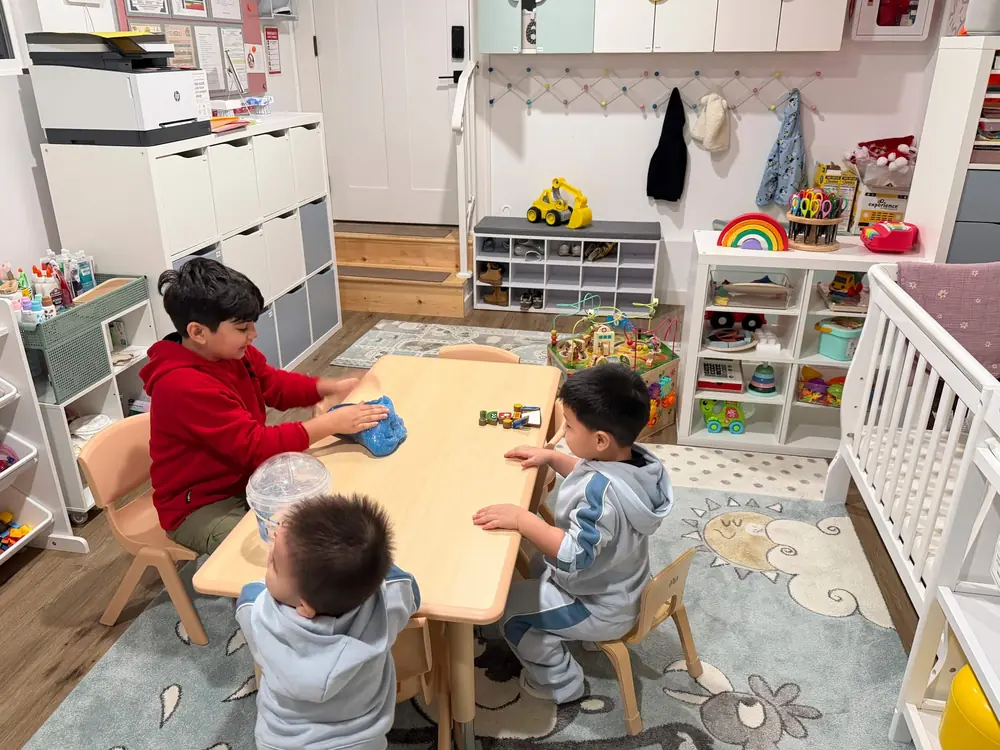
How the Environment Influences Confidence Development
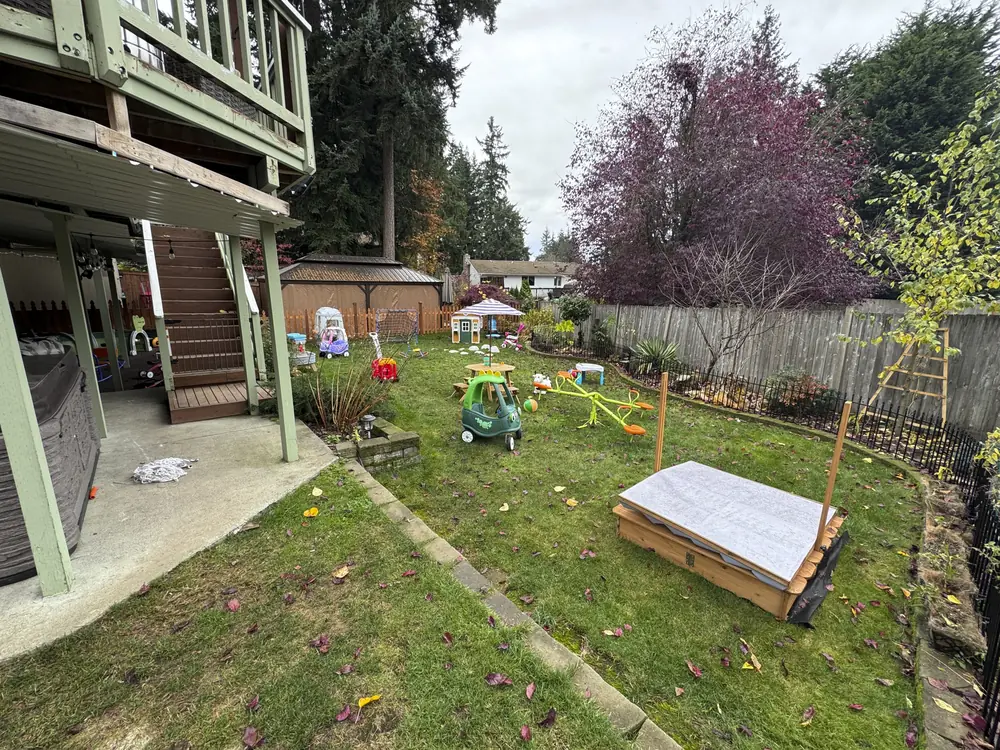
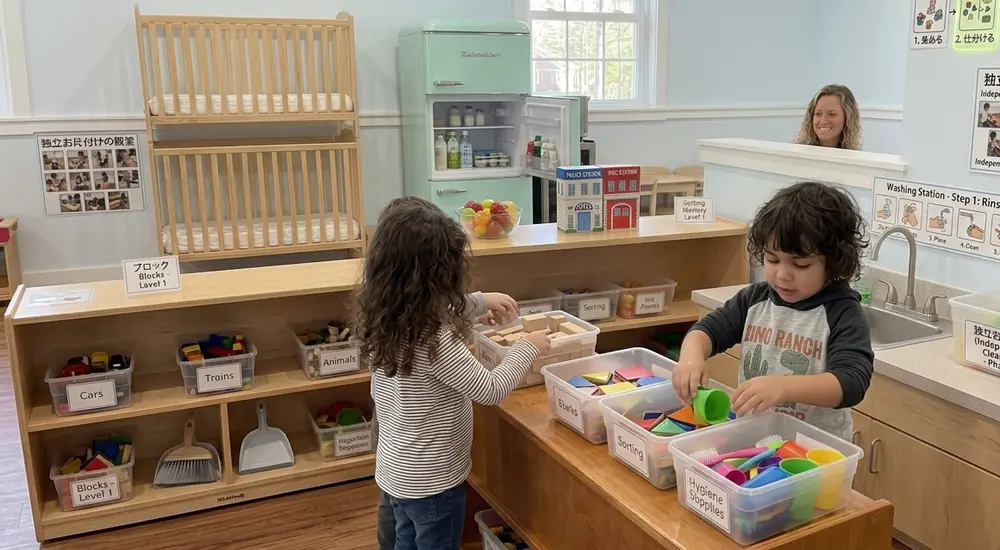
The physical environment plays a key role in supporting responsibility.
An effective environment includes:
- Accessible materials
- Clear organization
- Defined activity areas
- Visual cues and labels
When children can navigate their environment independently, they feel more in control. This sense of control directly contributes to confidence.
Aligning Responsibility Practices with Washington State WAC
Childcare programs must follow Washington Administrative Code (WAC) standards, which emphasize:
- Safe and structured environments
- Developmentally appropriate practices
- Encouragement of independence
- Positive guidance techniques
By integrating small responsibilities into daily routines, childcare providers naturally align with these standards while supporting children’s growth.
Social and Emotional Benefits of Responsibility
Responsibility contributes to both social and emotional development.
Children who take responsibility:
- Develop empathy
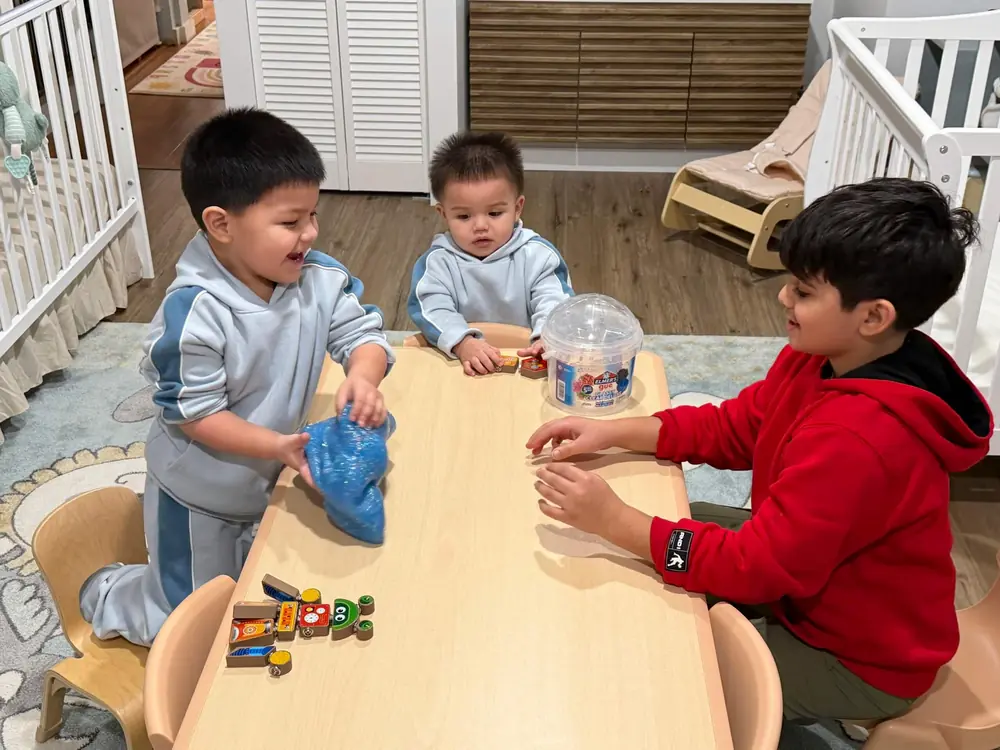
- Understand teamwork
- Build communication skills
- Learn accountability
These skills improve relationships with peers and adults, creating a supportive social environment.
Practical Strategies for Parents and Childcare Providers
To effectively build confidence through responsibility:
- Start with simple, achievable tasks
- Provide consistent routines
- Offer guidance without pressure
- Allow children to make mistakes and learn
- Reinforce effort rather than perfection
Consistency is key to long-term development.
Common Mistakes to Avoid
Avoid practices that may hinder confidence development:
- Assigning overly complex tasks
- Using punishment or pressure
- Over-correcting children
- Focusing only on results instead of effort
Children learn best in environments that are supportive and patient.
Conclusion
Giving children small responsibilities is one of the most effective ways to build lasting confidence and self-worth. Through consistent opportunities to participate, children develop a sense of capability, independence, and pride in their actions.
These experiences go beyond simple tasks—they shape how children see themselves and their role in the world.
At Kido Heaven, we focus on creating structured, supportive environments where children are encouraged to take on meaningful responsibilities at their own pace. By fostering independence and confidence through everyday experiences, we help children build strong foundations for lifelong growth
Why KidoHeaven Stands Out
✅ Licensed in Washington State
✅ Aligned with Early Achievers standards
✅ Working Connections subsidy accepted
✅ Daily updates via Brightwheel
✅ Located in Bothell, serving Mill Creek, Lynnwood & nearby areas
✅ Nutritious snacks, safe outdoor space, & positive mealtime routines
📞 Call 206-734-2040 to schedule a tour
🌐 Enroll now
Follow Our Mealtime Moments
Stay updated with more beautiful outdoor meals and daily learning routines on:
Instagram | Facebook | Nextdoor | Yelp | Winnie | YouTube | Upwards
FAQ
1. How do small responsibilities build confidence?
They provide repeated success experiences that help children believe in their abilities.
2. What types of responsibilities are suitable for young children?
Simple tasks like organizing toys, helping clean up, or assisting in routines.
3. Can responsibility improve self-worth?
Yes, because children feel valued when they are trusted with meaningful tasks.
4. How often should responsibilities be given?
Responsibility should be part of daily routines for consistency and habit-building.
Visit Kido Heaven Child Care
A licensed home daycare for infants to pre-K, serving Bothell and Mill Creek. Call or text (206) 734-2040 or book a tour.
Book a Tour