

The first daycare drop-off can be emotional for everyone involved. Many parents feel guilt, anxiety, sadness, or uncertainty, while children may experience separation anxiety, clinginess, or fear of unfamiliar environments. Even when families carefully prepare for daycare, the emotional adjustment period can still feel overwhelming during the first few weeks.
For children, daycare often represents their first major separation from home and familiar caregivers. For parents, it can feel difficult to trust someone else with daily care, comfort, and emotional support. These emotions are completely normal and are part of a healthy developmental transition.
Understanding what emotional changes to expect can make the process less stressful for both parents and children. With supportive caregivers, consistent routines, and patience, most families gradually adjust and build confidence in their new daycare routine.
Why Starting Daycare Feels Emotional
Starting daycare is one of the biggest emotional milestones in early childhood. Young children naturally form strong emotional attachments to parents and familiar caregivers. A new daycare environment introduces unfamiliar adults, new routines, different expectations, and social interactions that can temporarily feel overwhelming.
Parents also experience emotional stress during this transition. Many worry about whether their child will feel safe, cry throughout the day, or struggle emotionally. Some parents even feel guilty returning to work or leaving their child in someone else’s care.
According to the American Academy of Pediatrics, consistent routines and emotionally responsive caregiving help children feel secure during transitions and support healthy emotional development.
Although the transition may feel difficult initially, emotional adjustment is a normal part of child development. Most children gradually become more comfortable as daycare becomes familiar and predictable.
Common Emotional Reactions Children Experience
Separation Anxiety
Separation anxiety is one of the most common emotional reactions when children start daycare. Some children cry during drop-off, cling to parents, or resist entering the classroom. These reactions are developmentally normal, especially for younger toddlers.
Children often worry that separation is permanent because they do not yet fully understand time and routines. Over time, repeated positive experiences help build trust and emotional security.
Common signs include:
- Crying during drop-off
- Wanting extra physical comfort
- Increased clinginess at home
- Difficulty saying goodbye
- Temporary sleep disruptions
In many cases, children calm down shortly after their parents leave.
Fear of Unfamiliar Environments
A daycare classroom can feel overstimulating at first. There are new people, sounds, activities, and expectations that children must process emotionally.
Some children respond by becoming:
- Quiet or withdrawn
- Hesitant to participate
- Emotionally sensitive
- Easily frustrated or overwhelmed
This adjustment phase is common and usually improves as routines become familiar.
Temporary Emotional Regression
Major changes sometimes cause temporary regression in young children. A previously independent child may suddenly seek more comfort or return to earlier behaviors.
Examples may include:
- More tantrums
- Wanting a pacifier again
- Sleep disruptions
- Potty-training setbacks
- Increased dependence on parents
Regression during transitions is usually temporary and does not necessarily indicate a developmental problem.
Excitement and Curiosity
Not all emotional reactions are negative. Many children quickly become excited about new toys, activities, teachers, and friendships.
Positive signs often include:
- Curiosity about classmates
- Excitement during morning routines
- Increased independence
- Talking positively about daycare
- Engaging in classroom activities
Children adjust at different speeds depending on temperament and personality.

What Parents Commonly Feel During the Transition
Guilt
Many parents feel guilty leaving their child at daycare, even when they know it is the best decision for their family. Parents often worry about whether their child feels abandoned or emotionally overwhelmed.
These feelings are especially common during the first few weeks.
Anxiety and Worry
Parents naturally worry about:
- Whether their child will cry all day
- If caregivers respond emotionally
- Whether their child will make friends
- How their child handles naps or meals
- Whether the environment feels safe and nurturing
Trust gradually develops through communication, consistency, and positive experiences.
Sadness During Drop-Off
It is completely normal for parents to feel emotional after saying goodbye. Some parents cry in the car after the first drop-off or feel emotionally distracted throughout the day.
This emotional response reflects strong attachment and care. Over time, routines typically become easier for both parent and child.
Relief Mixed With Emotion
Some parents also experience relief once childcare routines become established. However, relief can exist alongside guilt or sadness. Emotional transitions are rarely simple, and conflicting emotions are normal.
Why Separation Anxiety Happens
Separation anxiety is a healthy developmental stage that often appears between infancy and early toddlerhood. Children feel safest near trusted caregivers, so temporary distress during separation is expected.
Several factors may increase separation anxiety, including:
- Starting daycare for the first time
- Changes in routine
- New environments
- Lack of previous separation experiences
- Personality and temperament differences
The good news is that supportive routines and emotionally responsive caregiving usually help children adjust successfully over time.
What the First Week of Daycare Usually Looks Like
The first week of daycare is often emotionally intense for the entire family. Children may seem more tired, emotional, or clingy at home because they are processing large amounts of new stimulation throughout the day.
Parents may notice:
- Earlier bedtimes
- Increased need for comfort
- Mood swings
- More emotional sensitivity
- Changes in appetite or sleep
Some children adjust within days, while others need several weeks to feel fully comfortable.
Consistency is important during this period. Predictable schedules and calm drop-off routines help children build emotional security faster.
Emotional Signs of Healthy Adjustment
Parents sometimes assume tears at drop-off mean daycare is failing. However, many children cry briefly and then quickly engage in activities once parents leave.
Positive emotional adjustment signs include:
- Participating in play activities
- Building trust with caregivers
- Eating and sleeping normally
- Talking positively about daycare
- Showing curiosity and engagement
- Recovering more quickly after drop-offs
These signs indicate growing emotional comfort and security.
Signs Your Child May Need Extra Support
Although adjustment challenges are normal, some children may need additional emotional support.
Parents should communicate with caregivers if a child consistently shows:
- Extreme distress for several weeks
- Refusal to participate daily
- Ongoing sleep or eating difficulties
- Severe withdrawal
- Escalating aggressive behavior
- Intense anxiety that interferes with daily functioning
Collaboration between parents and caregivers is essential when emotional concerns continue.

How to Prepare Emotionally Before Daycare Starts
Build Predictable Routines
Children feel safer when routines are consistent. Begin practicing daycare schedules before the official start date whenever possible.
Helpful routines include:
- Consistent wake-up times
- Structured meal times
- Predictable bedtime routines
- Calm morning preparation
Routine helps reduce uncertainty and emotional stress.
Talk Positively About Daycare
Children often absorb emotional signals from adults. Speaking calmly and positively about daycare helps children feel more confident.
Talk about:
- Fun activities
- New friends
- Caring teachers
- Toys and learning opportunities
Avoid discussing daycare negatively in front of children.
Practice Short Separations
Small separation experiences before daycare can help children build confidence gradually.
Examples include:
- Staying with grandparents
- Short babysitter visits
- Parent-independent playgroups
- Brief childcare sessions
These experiences help children understand that parents always return.
Create Simple Goodbye Rituals
Goodbye rituals create emotional predictability and comfort.
Examples include:
- Special hugs
- A consistent goodbye phrase
- High-fives
- Waving at the window
Short, calm goodbyes are often more effective than long emotional departures.
How Caregivers Help Children Feel Secure
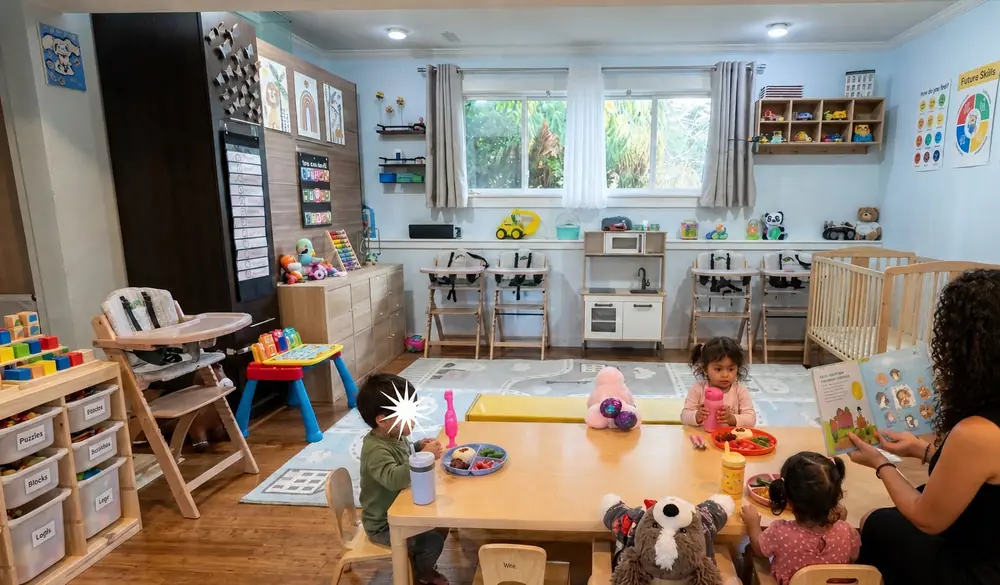
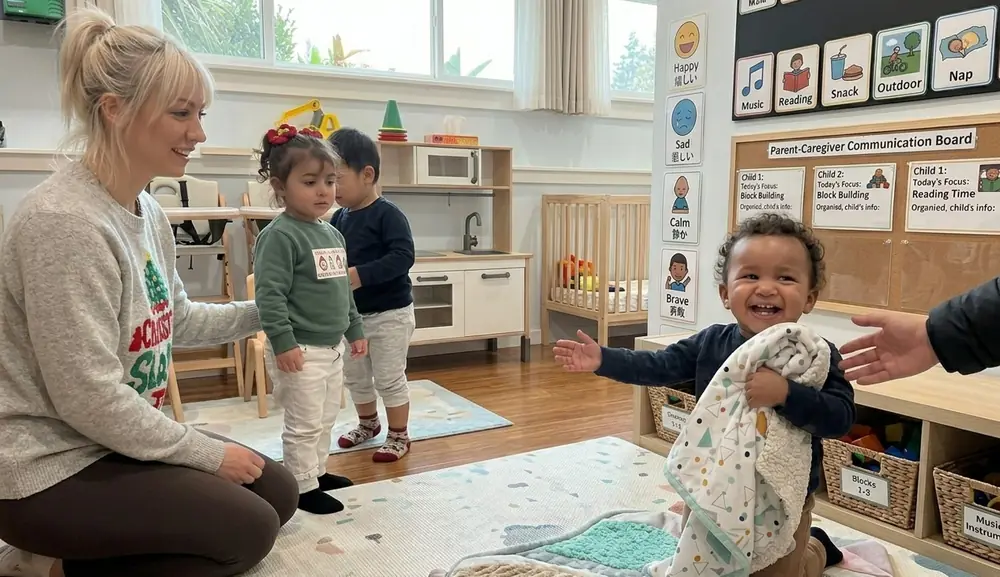
Experienced daycare providers understand that emotional adjustment takes time. Supportive caregivers focus on creating safe, predictable, and nurturing environments.
Emotionally supportive daycare classrooms often include:
- Consistent routines
- Warm communication
- Gentle transitions between activities
- Positive reinforcement
- Responsive emotional care
- Encouragement during difficult moments
In Washington, licensed childcare programs must follow safety and supervision regulations established by the Washington State Department of Children, Youth & Families (DCYF). These standards help support children’s well-being and emotional safety in licensed childcare settings.
Families searching for nurturing Daycare Bothell or trusted child care Bothell services often prioritize emotional support, communication, and a home-like environment during the daycare transition process.
Supporting Emotional Development at Home
Even after daycare begins, parents remain the primary source of emotional security for children.
Parents can support emotional adjustment by:
- Spending quality one-on-one time together
- Listening calmly to emotions
- Maintaining bedtime routines
- Offering physical comfort and reassurance
- Encouraging emotional expression
- Reading books about feelings and separation
Children adjust more successfully when both home and daycare environments feel emotionally supportive and consistent.
The Long-Term Emotional Benefits of Daycare
Although the beginning may feel emotional, quality daycare environments can support long-term emotional and social development.
Potential benefits include:
- Increased independence
- Better social communication
- Improved emotional regulation
- Stronger confidence in group settings
- Exposure to structured routines
- Opportunities for peer interaction
Over time, many children develop resilience and adaptability through positive childcare experiences.
Quick Emotional Preparation Checklist
Before daycare starts, parents can help ease emotional stress by:
- Practicing short separations
- Establishing predictable routines
- Talking positively about daycare
- Preparing calm morning routines
- Creating consistent goodbye rituals
- Communicating openly with caregivers
- Allowing time for gradual adjustment
Small preparation steps can make a significant difference during the transition.
Final Thoughts
Starting daycare is an emotional experience for both parents and children. Feelings such as anxiety, sadness, guilt, excitement, and uncertainty are all normal parts of the transition process. With patience, emotional support, consistent routines, and nurturing caregivers, most children gradually build confidence and emotional security in their daycare environment.
Families looking for a nurturing and supportive childcare environment often prioritize emotional well-being, communication, and individualized care. Kido Heaven Childcare provides a warm, home-like environment focused on supporting children and families through every stage of early childhood development.
Why KidoHeaven Stands Out
✅ Licensed in Washington State
✅ Aligned with Early Achievers standards
✅ Working Connections subsidy accepted
✅ Daily updates via Brightwheel
✅ Located in Bothell, serving Mill Creek, Lynnwood & nearby areas
✅ Nutritious snacks, safe outdoor space, & positive mealtime routines
📞 Call 206-734-2040 to schedule a tour
🌐 Enroll now
Follow Our Mealtime Moments
Stay updated with more beautiful outdoor meals and daily learning routines on:
Instagram | Facebook | Nextdoor | Yelp | Winnie | YouTube | Upwards
FAQ
1. Is it normal for my child to cry at daycare drop-off?
Yes. Crying during drop-off is very common, especially during the first few weeks. Many children calm down shortly after their parents leave and gradually adjust to the routine.
2. How long does daycare separation anxiety last?
Every child is different. Some children adjust within a few days, while others may need several weeks to feel comfortable and emotionally secure.
3. Should I stay longer if my child cries?
Long goodbyes can sometimes increase anxiety. Calm, short, and consistent goodbye routines are usually more effective.
4. Can daycare help emotional development?
Yes. Quality daycare environments can support emotional growth through social interaction, structured routines, communication, and emotionally responsive caregiving.
5. What if my child becomes more clingy after starting daycare?
Temporary clinginess is common during transitions. Children often seek extra reassurance while adjusting emotionally to new experiences and routines.
Visit Kido Heaven Child Care
A licensed home daycare for infants to pre-K, serving Bothell and Mill Creek. Call or text (206) 734-2040 or book a tour.
Book a Tour