
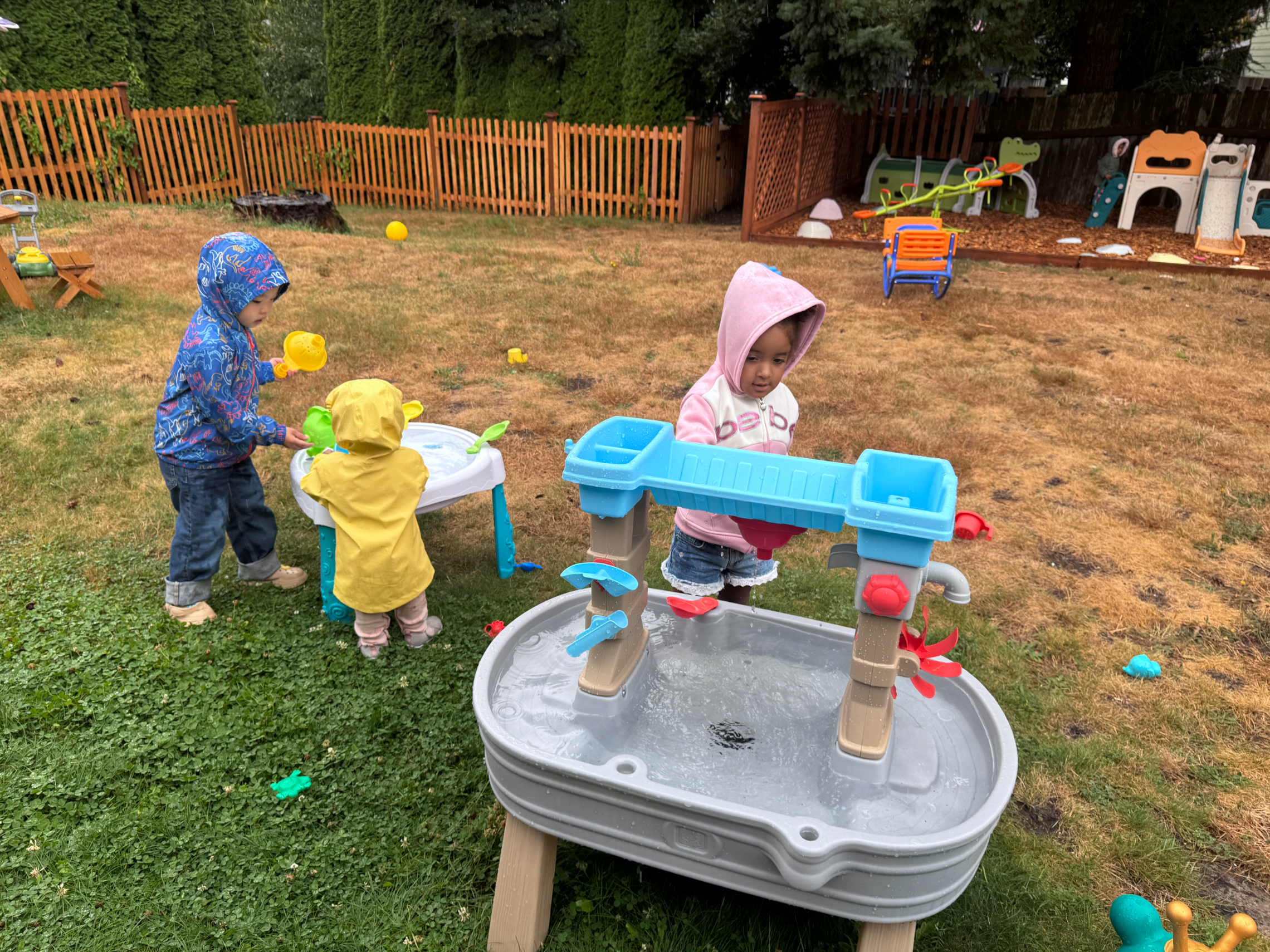


Summer break isn’t just for school-aged kids. A growing body of research shows that high-quality toddler summer programs and preschooler camps offer profound developmental advantages for children as young as 6 months old. Far from being “glorified daycare,” today’s early childhood summer camps are carefully designed by child development experts to support every domain of growth — social, emotional, physical, cognitive, and creative.
Why Summer Camps Matter for Very Young Children
Most parents assume summer camps start at age 5 or 6. However, leading organizations such as the American Academy of Pediatrics (AAP) and the National Association for the Education of Young Children (NAEYC) now recommend structured, play-based summer programs beginning in infancy. These programs prevent the “summer slide,” foster independence, and prepare children for the transition to preschool or kindergarten.
Social & Emotional Development Benefits
Learning to Share, Take Turns and Make Friends
In a safe, small-group setting (often 1:4 or better ratio), even 18-month-olds begin parallel play that evolves into cooperative play. Studies published in Early Childhood Research Quarterly (2023) show children who attend summer programs before age 3 demonstrate 25–30% higher prosocial behavior by kindergarten.
Building Confidence and Emotional Regulation
Daily routines, circle time, and gentle guidance from trained early childhood educators help toddlers label emotions and practice self-calming techniques—skills that dramatically reduce tantrums at home.
Separation Anxiety? How Camps Help
Gradual separation plans and consistent caregivers turn initial tears into joyful “see you later” waves within days for most children.
Physical Development and Motor Skills
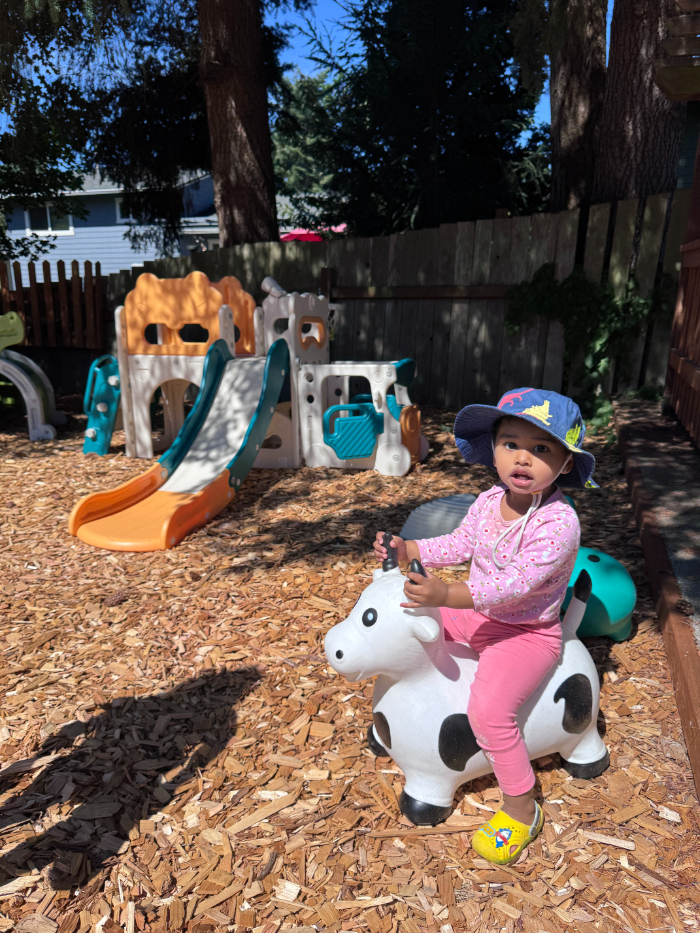
Gross Motor Skills Through Outdoor Play
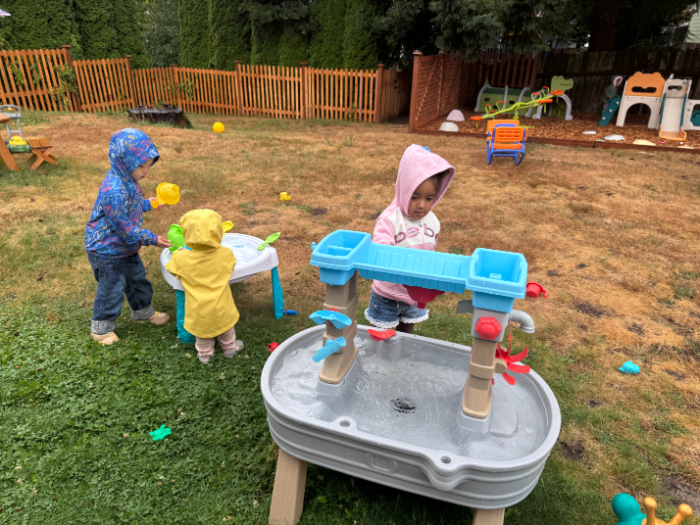
Water play, obstacle courses, riding toys, and sensory paths build balance, coordination and strength. The CDC reports that children who spend at least 60–90 minutes outdoors daily show significantly better gross motor milestones.
Fine Motor Development in Creative Activities
Finger painting, playdough, scooping sand, and threading beads refine the pincer grasp essential for future writing.
Establishing Healthy Habits Early
Daily movement, healthy snacks of whole fruits and vegetables, and proper sunscreen/hat routines set the foundation for lifelong wellness.
Cognitive and Early Learning Advantages
Preventing Summer Learning Loss in Preschoolers
Harvard’s Center on the Developing Child confirms that consistent exposure to literacy-rich environments during summer prevents regression in vocabulary and pre-reading skills.
Language Development Through Songs, Stories and Play
Daily story time, puppet shows, and music & movement classes can increase expressive vocabulary by up to 20% over a single summer (Journal of Applied Developmental Psychology, 2024).
Introduction to STEM in a Play-Based Environment
Simple experiments with water, ramps, magnets, and planting seeds spark natural curiosity without pressure.
Creativity and Imagination Boost
Art, Music, Dance and Dramatic Play
Process-focused art (no “right” outcome) and dress-up corners allow toddlers to explore identity and emotions safely.
How Unstructured Play Sparks Innovation
Loose parts play with blocks, fabrics, and recycled materials is linked to higher executive function scores by age 5 (American Journal of Play, 2023).
Nature-Based Learning and Environmental Awareness
Forest-school-inspired camps introduce sensory walks, bug hunts, and gardening. Children who regularly engage with nature show lower cortisol levels and better attention spans (Environmental Health Perspectives, 2024).
Safety, Supervision and Age-Appropriate Programming
The best programs maintain:
- Staff with ECE degrees or CDA credentials
- CPR/First-Aid certification
- Ratios of 1:3 for infants, 1:5 for toddlers, 1:8 for preschoolers
- Daily health checks and strict illness policies
- Secure, fenced outdoor areas with soft surfaces
What Parents Say: Real Research and Testimonials
A 2024 survey by the American Camp Association found:
- 94% of parents reported their child became more independent
- 89% noticed improved social skills
- 97% would enroll again
How to Choose the Right Summer Camp for Your Infant–Preschooler
Look for:
- NAEYC or state QRIS high rating
- Low staff turnover
- Daily parent communication app
- Inclusive policies for children with special needs
- Clear curriculum framework (e.g., Reggio Emilia, Montessori-inspired, or HighScope)
Discover Quality Childcare in BothellIf you’re a parent in Bothell
looking for a nurturing, play-based environment for your little one, KidoHeaven stands out as a top-rated daycare in Bothell. Specializing in early childhood care for infants (6 weeks+), toddlers, and preschoolers, KidoHeaven offers a home-like setting with expert caregivers focused on sensory play, social skills, literacy, and emotional growth.Located in Bothell and serving nearby communities like Mill Creek, KidoHeaven is licensed and dedicated to creating joyful daily experiences that build strong foundations for your child’s development. It’s the perfect choice for Daycare Bothell and Child Care Bothell needs.Ready to learn more? Visit KidoHeaven today and schedule a tour — spots fill quickly!
Why KidoHeaven Stands Out
✅ Licensed in Washington State
✅ Aligned with Early Achievers standards
✅ Working Connections subsidy accepted
✅ Daily updates via Brightwheel
✅ Located in Bothell, serving Mill Creek, Lynnwood & nearby areas
✅ Nutritious snacks, safe outdoor space, & positive mealtime routines
📞 Call 206-734-2040 to schedule a tour
🌐 Enroll now
Follow Our Mealtime Moments
Stay updated with more beautiful outdoor meals and daily learning routines on:
Instagram | Facebook | Nextdoor | Yelp | Winnie | YouTube | Upwards
FAQ
1. At what age can my child start summer camp?
Many high-quality programs accept infants as young as 6 weeks (with a separate infant nurturing room) up through pre-K.
2. Are summer camps just “daycare in the summer”?
No. While they provide care, accredited early childhood summer camps follow a deliberate curriculum focused on play-based learning and outdoor exploration — far beyond basic supervision.
3. How long are typical summer camp days for toddlers?
Most offer half-day (9 AM–1 PM) and full-day (7 AM–6 PM) options with nap time included.
4. Will my child get sunburned or bitten by bugs?
Reputable camps apply parent-provided sunscreen, use hats, and perform tick checks. Outdoor time is balanced with shaded areas.


