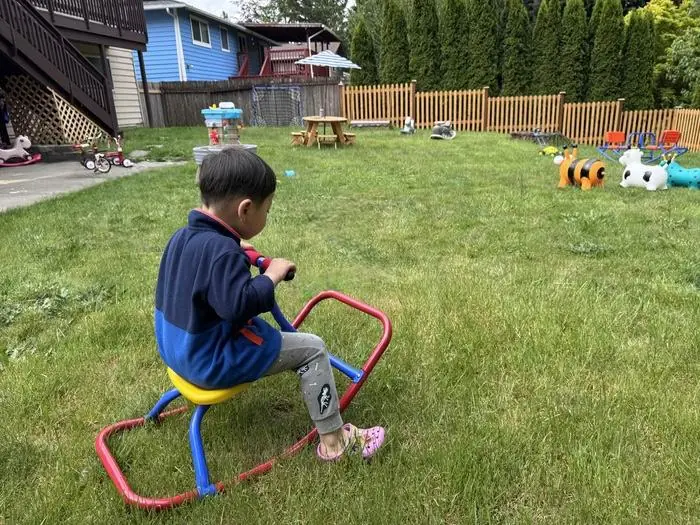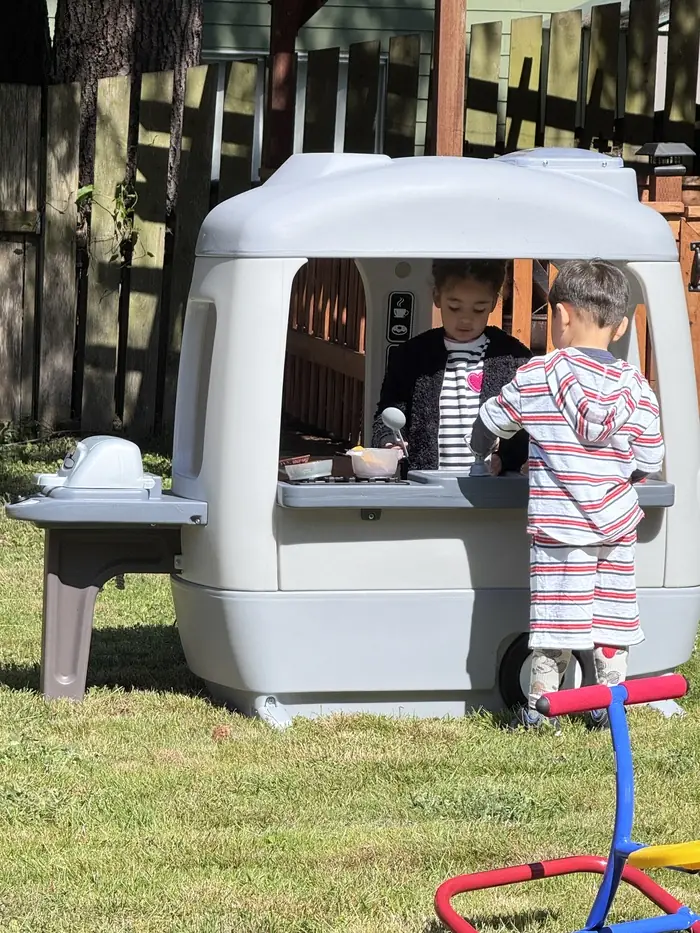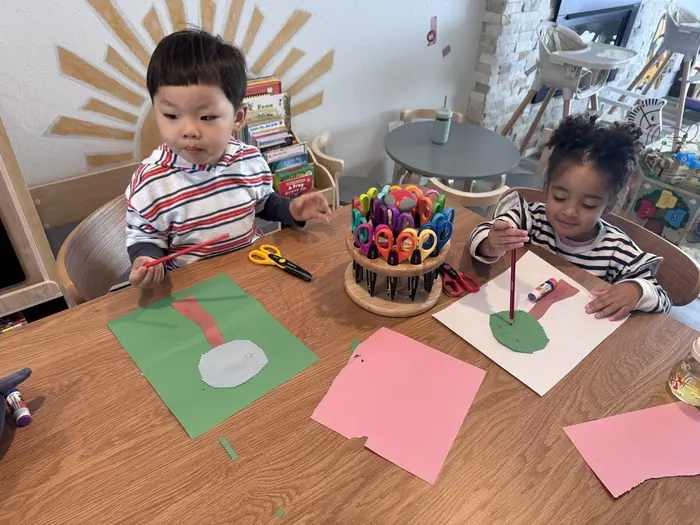


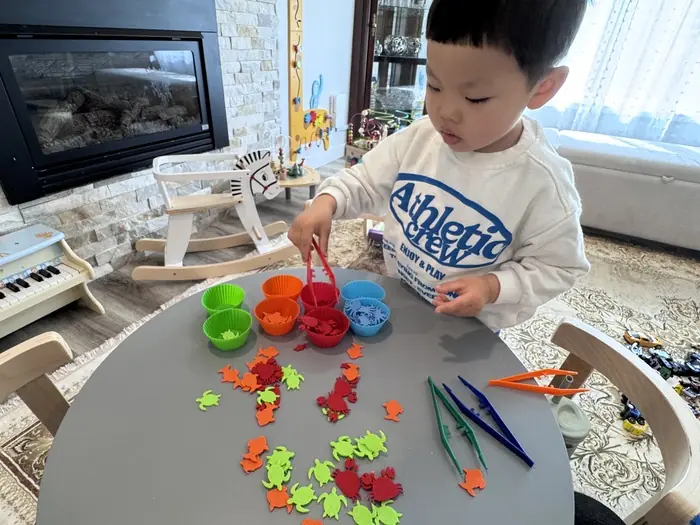
Sensory play is a cornerstone of early childhood development, offering infants a fun and engaging way to explore their world. For parents, daycare providers, and home daycare caregivers, understanding how to use sensory activities effectively can transform infant care. This guide dives into the science, benefits, and practical applications of sensory play, providing safe and creative ideas to support cognitive, physical, and emotional growth in infants. Whether you’re running a daycare or nurturing a child at home, sensory play can elevate your childcare approach.
Why Sensory Play Matters for Infants
Sensory play engages an infant’s senses—touch, sight, sound, smell, and taste—laying the foundation for healthy development. In daycare and home daycare settings, these activities are more than just fun; they’re critical for fostering skills that infants carry into childhood. Let’s explore why sensory play is essential for infant care.
The Science Behind Sensory Stimulation
Sensory play stimulates the brain’s neural pathways, helping infants process and respond to their environment. According to research from pediatric experts, early sensory experiences strengthen neural connections, supporting cognitive functions like memory and problem-solving. For example, when an infant touches a textured toy, their brain processes tactile input, enhancing sensory integration. This is especially vital in the first year, when the brain undergoes rapid growth. By incorporating infant sensory play into daycare routines, caregivers can support brain development in a natural, engaging way.
Key Developmental Benefits
Sensory play offers a range of benefits for infant learning and growth, including:
- Cognitive Development: Exploring textures or sounds helps infants understand cause-and-effect relationships, boosting problem-solving skills.
- Physical Growth: Grasping objects or splashing in water strengthens fine and gross motor skills, essential for milestones like crawling or grasping.
- Emotional Regulation: Sensory activities, like listening to soothing sounds, help infants self-soothe, reducing fussiness in childcare settings.
- Social Skills: Group sensory play in daycare fosters interaction, laying the groundwork for social development.
By integrating sensory stimulation into child care routines, caregivers create opportunities for holistic growth, ensuring infants thrive in both home daycare and professional settings.
Types of Sensory Play for Infants
Sensory play comes in many forms, each targeting different senses to support baby development. Below are the main types of sensory activities suitable for infants in daycare or home environments.
Tactile Sensory Activities
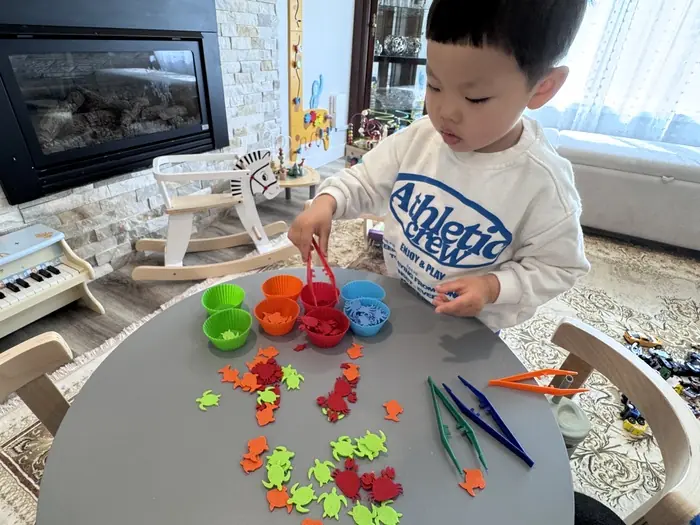
Touch is one of the first senses infants use to explore their world. Tactile activities, such as playing with soft fabrics, squishy toys, or sensory bins filled with safe materials, encourage exploration. For example, a daycare provider might offer a basket of textured balls or crinkle books for infants to touch. These activities enhance fine motor skills and sensory processing, helping infants distinguish between rough, smooth, or bumpy surfaces. Always ensure materials are non-toxic and age-appropriate for infant care.
Visual and Auditory Stimulation
Visual and auditory activities engage infants’ sight and hearing, critical for early childhood activities. Colorful mobiles, high-contrast cards, or mirrors captivate an infant’s attention, improving visual tracking. Auditory stimulation, such as shaking a rattle or playing soft music, supports language development and auditory processing. In a daycare setting, caregivers can hang a mobile above a crib or sing songs during group time, creating a multi-sensory experience that fosters engagement.
Olfactory and Gustatory Exploration
While less common, olfactory (smell) and gustatory (taste) activities can safely introduce infants to new sensory experiences. For example, caregivers can place a lavender sachet near a play area to stimulate smell or offer taste-safe edible paints (made from natural ingredients like yogurt and food coloring) for older infants. These activities spark curiosity and sensory awareness, but caregivers must prioritize safety, avoiding strong scents or allergens in childcare settings.
Safe Sensory Play Ideas for Daycare and Home Settings
Incorporating sensory play into daycare or home daycare doesn’t require expensive tools—just creativity and a focus on safety. Below are practical ideas to engage infants while supporting their development.
Textured Toys and Materials
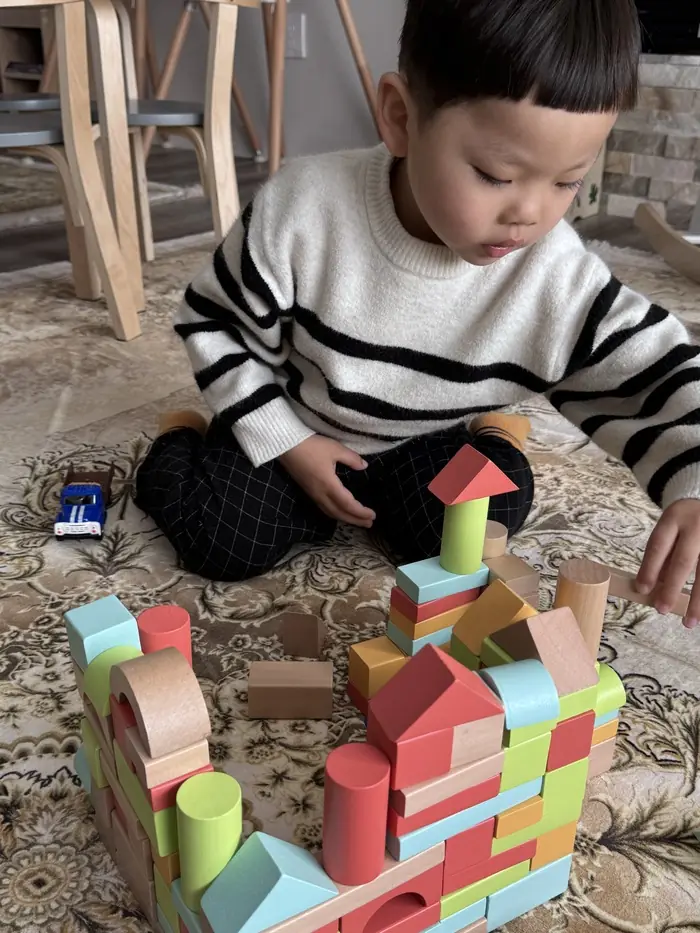
Textured toys, like soft blocks, crinkle books, or foam mats, are perfect for tactile exploration. In a daycare, caregivers can create a sensory basket with items like silk scarves, rubber balls, or wooden rings. Rotate toys regularly to keep infants engaged and ensure all materials are cleaned thoroughly to maintain hygiene in childcare settings. These activities promote fine motor skills and sensory integration.
Water Play for Cognitive Growth
Water play is a simple yet powerful sensory activity for infants. Fill a shallow tray with lukewarm water and add floating toys or cups for splashing. This engages infants’ senses while teaching cause-and-effect (e.g., splashing creates ripples). In home daycare settings, water play can be done during supervised outdoor time, ensuring infants stay safe and warm. This activity supports cognitive growth and motor coordination, making it ideal for infant care.
Sound-Based Activities
Sound-based activities, like shaking rattles, ringing bells, or singing lullabies, stimulate auditory development. Caregivers can create a “sound station” with musical toys or household items like plastic containers filled with rice (securely sealed). These activities encourage infants to focus on sounds, aiding language development and attention spans. In group daycare settings, singing during circle time fosters childcare engagement and social bonding.
Implementing Sensory Play in Childcare
To make sensory play effective, caregivers must create a supportive environment and tailor activities to infants’ needs. Here’s how to integrate sensory play into daycare or home daycare settings.
Creating a Sensory-Friendly Environment
A sensory-friendly space is calm, safe, and inviting. Use soft lighting, minimize background noise, and arrange toys in accessible areas. In a daycare, dedicate a corner for sensory play with mats, cushions, and sensory bins. For home daycare, repurpose a small area with washable rugs and storage for sensory tools. This setup encourages exploration while keeping infants comfortable, aligning with best practices in child care.
Age-Appropriate Activities for Infants
Sensory activities should match an infant’s developmental stage:
- 0–6 Months: Focus on high-contrast visuals (e.g., black-and-white cards) and gentle sounds (e.g., soft rattles). These support early visual and auditory development.
- 6–12 Months: Introduce textured toys, water play, or taste-safe materials. These encourage motor skills and sensory exploration as infants become more mobile.
Caregivers should observe infants’ reactions and adjust activities to suit their needs, ensuring early childhood activities are both fun and developmental.
Safety Considerations for Sensory Play
Safety is paramount in infant care. Always supervise infants during sensory play, checking for choking hazards or allergens. Use non-toxic, age-appropriate materials, and sanitize toys regularly in daycare settings. For water play, ensure shallow containers and constant supervision to prevent accidents. By prioritizing safety, caregivers create a secure environment for sensory stimulation.
How Caregivers Can Track Developmental Progress
Monitoring infants’ progress helps caregivers assess the impact of sensory play and communicate effectively with parents. Here’s how to track development and foster collaboration.
Milestones to Watch For
Sensory play supports key developmental milestones, such as:
- Cognitive: Recognizing patterns or responding to sounds (e.g., turning toward a rattle).
- Physical: Grasping toys, reaching for objects, or coordinating movements during water play.
- Emotional: Self-soothing when exposed to calming sensory stimuli, like soft music.
Caregivers should observe these milestones during daily activities and note progress in a journal or app. This helps tailor sensory play to each infant’s needs, supporting baby development in childcare settings.
Encouraging Parent-Caregiver Collaboration
In daycare settings, sharing sensory play outcomes with parents builds trust and engagement. Provide weekly updates or photos showing infants enjoying sensory activities. Suggest simple activities for parents to try at home, like playing with textured toys. This collaboration reinforces the value of sensory play and strengthens child care partnerships.
Conclusion: Elevate Infant Care with Sensory Play
Sensory play is a powerful tool for supporting infant development, offering benefits that span cognitive, physical, and emotional growth. By incorporating tactile, visual, auditory, and even olfactory activities into daycare Bothell or home daycare routines, caregivers can create enriching experiences that set infants up for success. From textured toys to water play, these activities are simple, safe, and impactful when done thoughtfully.At KidoHeaven, we’re committed to supporting caregivers with tools and resources for nurturing infant development. Whether you’re a parent or a daycare provider, our curated selection of sensory play tools can enhance your childcare approach.
📣 Call to Action:
Want to learn more or schedule a tour?
📞 Call us at 206-734-2040
🌐 Visit: www.kidoheaven.com
📍 We are a licensed family home daycare in Bothell, WA
We welcome you to join our growing family, where your child’s safety and development come first.
Follow Our Mealtime Moments
Stay updated with more beautiful outdoor meals and daily learning routines on:
Instagram | Facebook | Nextdoor | Yelp | Winnie | YouTube | Upwards
FAQ
What is sensory play, and why is it important for infants?
Sensory play involves activities that stimulate an infant’s senses, like touch or sound. It supports cognitive, physical, and emotional development by strengthening neural connections and fostering exploration.
How can I make sensory play safe for my daycare?
Use non-toxic, age-appropriate materials, supervise closely, and sanitize toys regularly. Avoid small items that pose choking risks and check for allergens in sensory materials.
What are some easy sensory activities for home daycare?
Try textured toys, water play in shallow trays, or musical rattles. These activities are simple, safe, and engaging for infants in home daycare settings.
How does sensory play support cognitive development?
Sensory play teaches cause-and-effect (e.g., splashing creates ripples) and enhances problem-solving skills, laying the foundation for cognitive growth in infants.
Can sensory play help with fussy infants?
Yes, calming activities like soft music or tactile toys can help infants self-soothe, reducing fussiness and promoting emotional regulation.
How often should infants engage in sensory play?
Incorporate sensory play daily in short, supervised sessions (10–15 minutes) to keep infants engaged without overwhelming them.
Visit Kido Heaven Child Care
A licensed home daycare for infants to pre-K, serving Bothell and Mill Creek. Call or text (206) 734-2040 or book a tour.
Book a Tour