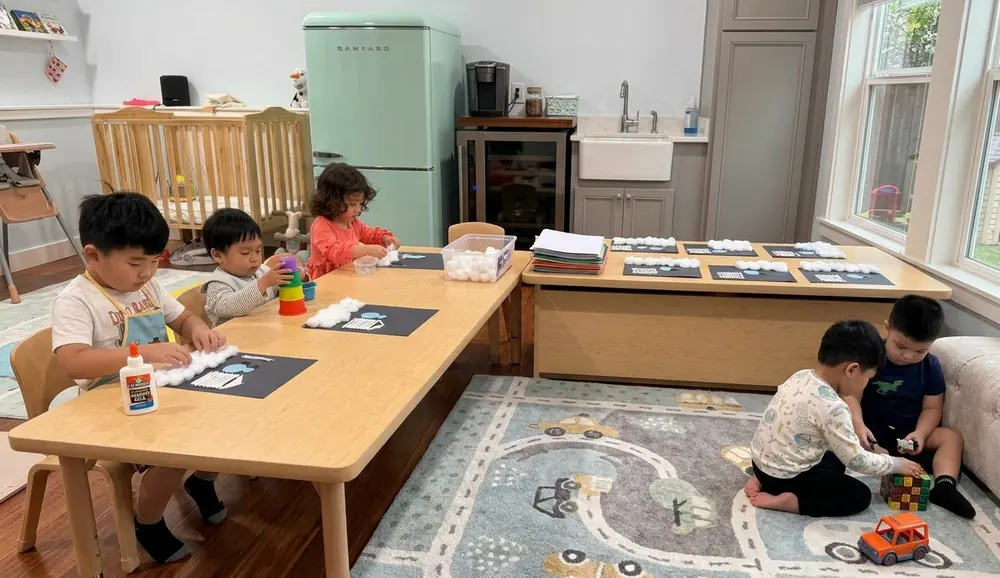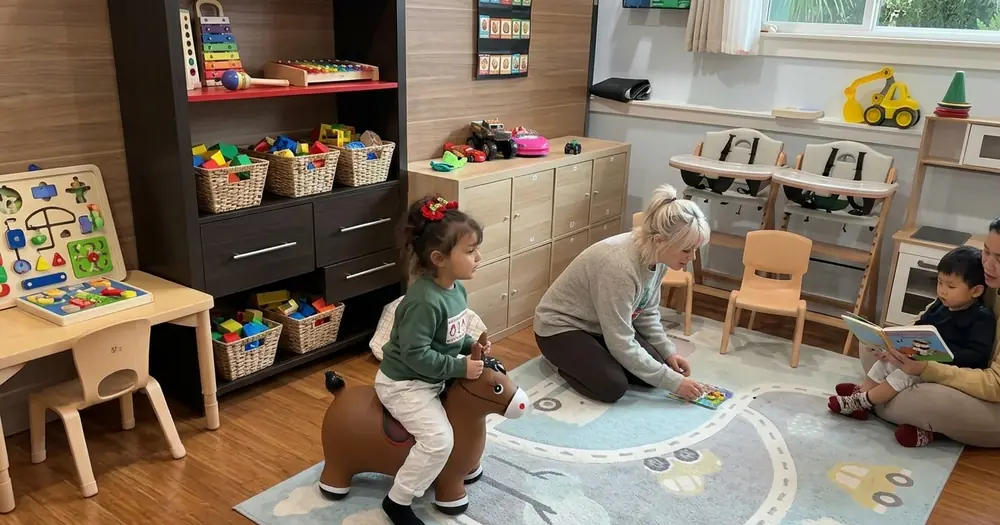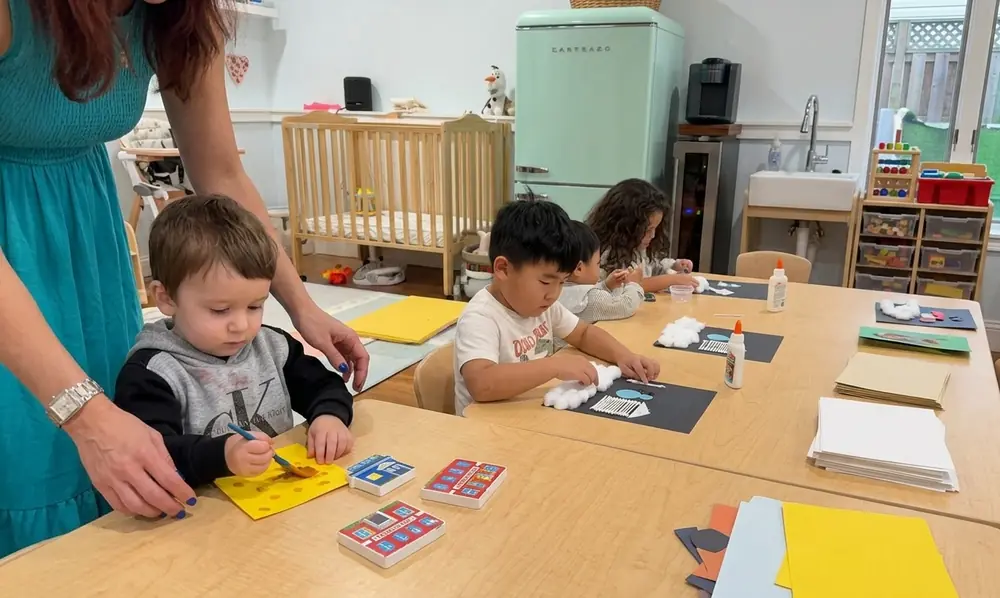


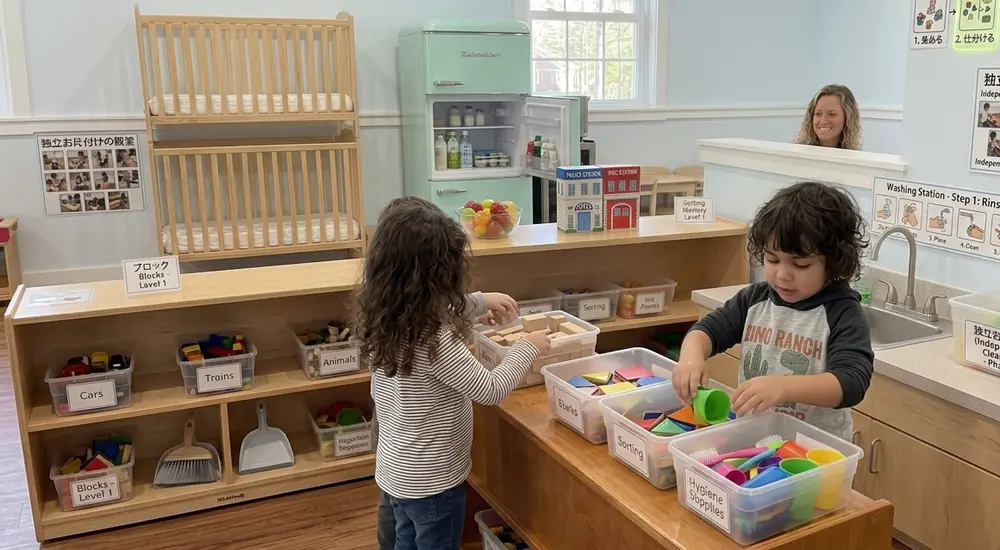
Responsibility is not something children learn through rewards, punishments, or pressure. Instead, it develops naturally when children are given opportunities to make choices, experience consequences, and feel trusted within a supportive environment.
In high-quality early learning settings, responsibility is nurtured through intrinsic motivation, not external control. This approach aligns with modern childcare standards, including the Washington Administrative Code (WAC), which emphasizes emotional development, guidance, and positive behavior support.
This article explores how daycare environments can effectively teach responsibility without relying on reward charts or punishment systems.
What Does Responsibility Mean in Early Childhood?
Responsibility in young children looks very different from adult expectations. It includes small but meaningful behaviors such as:
- Putting toys away after use
- Taking turns during group play
- Following simple routines
- Recognizing how actions affect others
At this stage, responsibility is about awareness and participation, not perfection.
Children develop responsibility gradually when they feel:
- Safe
- Respected
- Capable
This foundation is essential for long-term independence and decision-making.
Why Reward and Punishment Systems Fall Short
Many traditional systems rely on stickers, time-outs, or verbal praise tied to outcomes. While these methods may create short-term compliance, they often weaken long-term responsibility.
Dependence on External Rewards
Children begin to act only when a reward is offered, rather than understanding why behavior matters.
Reduced Internal Motivation
Over time, children may lose their natural desire to help, cooperate, or take initiative.
Fear-Based Behavior
Punishment can lead to avoidance, anxiety, or dishonesty instead of genuine accountability.
Research in early childhood education shows that intrinsic motivation leads to more consistent and meaningful behavior development.
The Science of Intrinsic Motivation
Intrinsic motivation refers to doing something because it feels meaningful—not because of a reward.
In early childhood, this develops when children experience:
- Autonomy (having choices)
- Competence (feeling capable)
- Connection (feeling understood and supported)
When these needs are met, children naturally take responsibility for their actions.
How Daycare Environments Encourage Responsibility Naturally
A well-designed daycare environment plays a critical role in shaping behavior.
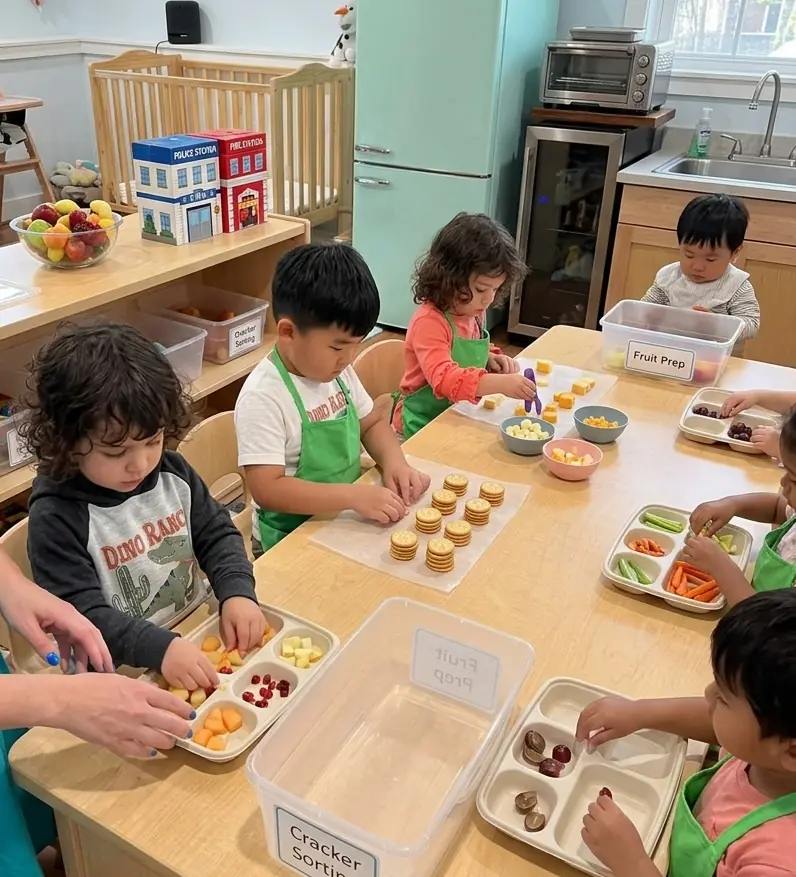
Predictable Routines
Consistent schedules help children understand expectations and participate independently.
Accessible Materials
When toys and tools are within reach, children can clean up and organize without assistance.
Clear Expectations
Simple, consistent guidance helps children know what is expected without confusion.
These elements create an environment where responsibility becomes part of daily life.
The Role of Caregivers in Modeling Responsible Behavior
Children learn more from what adults do than what they say.
Caregivers support responsibility by:
- Demonstrating respectful behavior
- Taking responsibility for their own actions
- Speaking calmly and clearly
- Acknowledging mistakes openly
Modeling teaches children that responsibility is a shared and valued behavior—not a forced requirement.
Using Natural Consequences Instead of Punishment
Natural consequences allow children to understand the real impact of their actions.
Examples:
- A toy left outside may not be available later
- Spilled water needs to be cleaned up
- Interrupting others may delay their turn
These experiences are not punishments—they are learning opportunities.
Natural consequences help children connect actions with outcomes, building real accountability.
Creating a Structured Environment That Supports Responsibility
Structure does not mean strict control. It means clarity and consistency.
Effective structure includes:
- Defined activity areas
- Visual schedules
- Consistent transitions
- Calm and predictable responses
This type of environment reduces confusion and encourages children to take initiative.
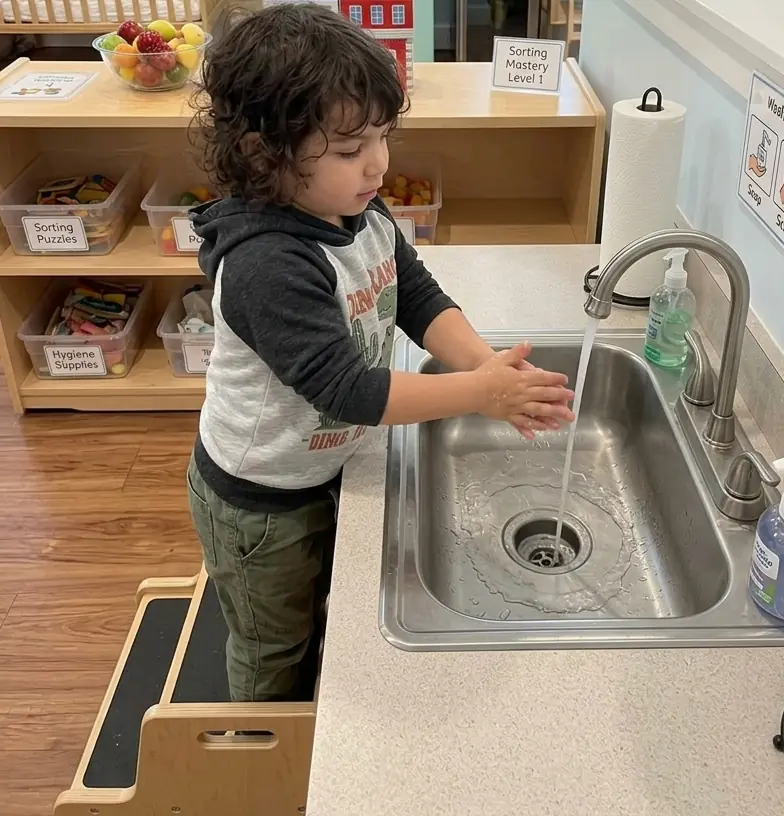
Encouraging Independence Through Daily Routines
Daily routines are one of the most powerful tools for teaching responsibility.
Children can participate in:
- Cleaning up after activities
- Preparing snacks
- Washing hands independently
- Organizing personal belongings
Over time, these repeated actions build confidence and independence.
Building Emotional Awareness and Accountability
Responsibility is closely connected to emotional development.
Children need support in:
- Recognizing their feelings
- Understanding how actions affect others
- Expressing themselves appropriately
When children develop emotional awareness, they are more likely to act responsibly without external pressure.
Aligning with Washington State WAC Childcare Guidelines
Washington Administrative Code (WAC) emphasizes:
- Positive behavior guidance
- Developmentally appropriate practices
- Emotional and social development
- Safe and supportive learning environments
Teaching responsibility without rewards or punishment aligns directly with these principles by focusing on:
- Respectful interactions
- Natural learning processes
- Child-centered development
This approach ensures compliance while promoting long-term growth.
Practical Strategies for Teaching Responsibility Without Rewards
Offer Meaningful Choices
Allow children to choose between options to build autonomy.
Use Encouraging Language
Focus on effort and process rather than outcomes.
Be Consistent
Consistency helps children understand expectations clearly.
Allow Time for Learning
Children need time to practice responsibility without pressure.
Focus on Guidance, Not Control
Support children rather than directing every action.
Common Mistakes to Avoid
- Overusing praise or rewards
- Expecting adult-level responsibility
- Reacting emotionally instead of calmly
- Inconsistency in expectations
- Ignoring the child’s developmental stage
Avoiding these mistakes ensures a more effective and supportive learning environment.
Conclusion
Teaching responsibility in daycare without pressure or rewards is not only possible—it is more effective in the long term. By focusing on intrinsic motivation, natural consequences, and supportive environments, children develop genuine accountability and independence.
Rather than relying on control systems, high-quality childcare programs create conditions where responsibility grows naturally through experience and trust.
At Kido Heaven, we believe that children thrive when they are respected, supported, and empowered. As a trusted daycare Bothell and reliable child care Bothell provider, our approach to early learning focuses on building responsibility through guidance, structure, and meaningful daily experiences—helping every child grow into a confident and capable individual.
Why KidoHeaven Stands Out
✅ Licensed in Washington State
✅ Aligned with Early Achievers standards
✅ Working Connections subsidy accepted
✅ Daily updates via Brightwheel
✅ Located in Bothell, serving Mill Creek, Lynnwood & nearby areas
✅ Nutritious snacks, safe outdoor space, & positive mealtime routines
📞 Call 206-734-2040 to schedule a tour
🌐 Enroll now
Follow Our Mealtime Moments
Stay updated with more beautiful outdoor meals and daily learning routines on:
Instagram | Facebook | Nextdoor | Yelp | Winnie | YouTube | Upwards
FAQ
1. How do children learn responsibility without rewards?
Children learn through experience, guidance, and natural consequences rather than external incentives.
2. Are rewards always harmful?
Occasional encouragement is fine, but reliance on rewards can reduce intrinsic motivation.
3. What age should responsibility be taught?
Responsibility begins in infancy through simple routines and interactions.
4. How can parents support this approach at home?
Parents can provide consistent routines, allow natural consequences, and encourage independence.
5. Is this method effective long-term?
Yes, it leads to stronger independence, better decision-making, and emotional resilience.
Visit Kido Heaven Child Care
A licensed home daycare for infants to pre-K, serving Bothell and Mill Creek. Call or text (206) 734-2040 or book a tour.
Book a Tour