
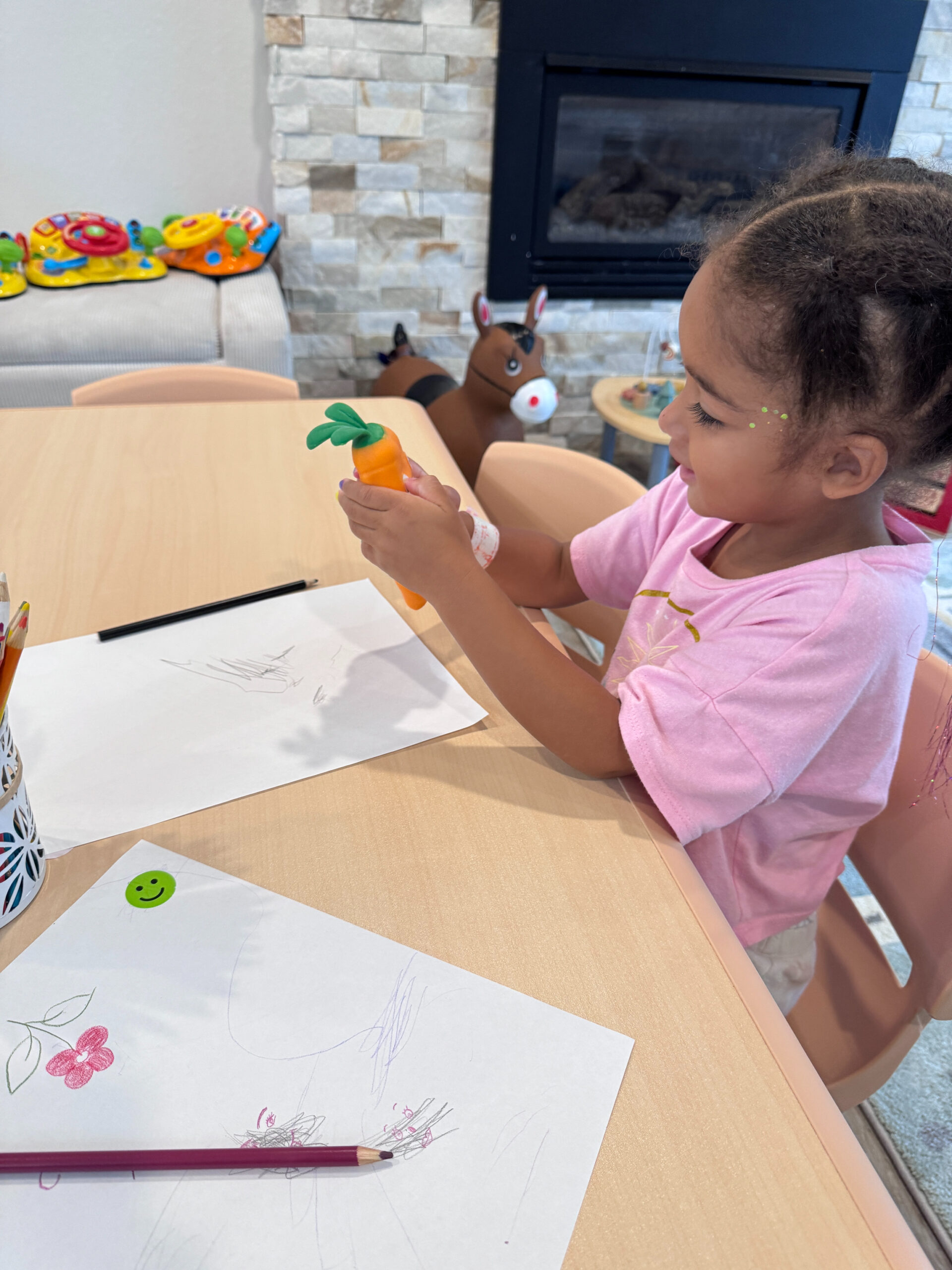


Positive reinforcement childcare harnesses praise and rewards to nurture desired behaviors in infants through preschoolers, fostering secure attachment, cooperation, and self-esteem. Backed by neuroscience and landmark studies, this evidence-based approach outperforms punishment by 70% in reducing disruptions while building lifelong emotional resilience. At Kido Heaven, our daycare with positive reinforcement techniques transforms everyday interactions into opportunities for growth—starting today.
What Is Positive Reinforcement in Childcare
Positive reinforcement childcare involves adding a desirable stimulus—such as praise, a hug, or a small reward—immediately after a child exhibits a wanted behavior. This increases the likelihood of the behavior repeating. Unlike punishment, which focuses on deterring negative actions, positive reinforcement builds on successes to shape early childhood behavior.
In daycare strategies, including our daycare with positive reinforcement techniques, this approach aligns with developmental psychology principles. For infants to preschoolers, it turns routine interactions into learning and growth opportunities. According to the AAP guidelines on positive discipline, consistent positive feedback helps children internalize good habits without fear.
How the Brain Responds to Praise and Rewards
When a child receives praise, dopamine—a neurotransmitter associated with pleasure—surges in the brain’s reward pathway. This reinforces neural connections for the behavior. In toddler behavior management, verbal affirmation like “Great job sharing!” activates the prefrontal cortex, enhancing executive functions such as impulse control.
Neuroimaging studies show that rewards in early childhood create lasting synaptic changes, making positive actions habitual.
Key Studies on Early Childhood Behavior
A landmark meta-analysis in Child Development (2018) reviewed 100+ studies and found positive reinforcement reduces disruptive behaviors by 70% in preschool settings compared to punitive methods. The CDC positive parenting resources cite longitudinal data linking praise-rich environments to lower anxiety in school-age children.
Zero to Three on early behavior emphasizes that infants as young as 6 months respond to enthusiastic tones, laying foundations for emotional intelligence.
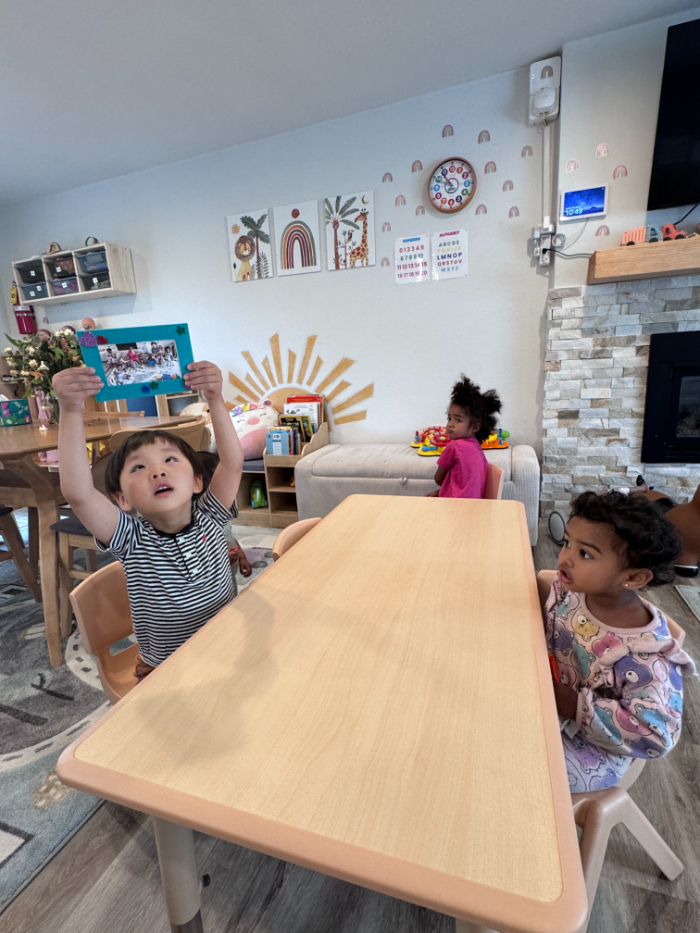
Benefits for Infants (0–12 Months)
Building Secure Attachment Through Praise
Infants thrive on responsive caregiving. Smiling and cooing in response to a baby’s babble reinforces vocalization, supporting language milestones. This fosters secure attachment, reducing separation anxiety in daycare.
Examples in Daily Routines
Feeding: “Yum, you’re eating so well!” with a gentle pat encourages self-feeding attempts.
Sleep: Soft praise upon waking calmly builds routine adherence.
Play: Clapping for tummy time efforts motivates motor skill development.
| Infant Behavior | Positive Reinforcement Example | Outcome |
|---|---|---|
| First smiles | Enthusiastic “What a happy baby!” | Increased social smiling |
| Grasping toys | “You got it!” with eye contact | Enhanced fine motor practice |
| Calming after fussing | Gentle rocking + “Good job settling” | Better self-soothing |
Positive Reinforcement for Toddlers (1–3 Years)
Encouraging Independence and Cooperation
Toddlers test boundaries amid rapid brain development. Positive reinforcement childcare redirects energy positively. For instance, praising “Thank you for putting toys away!” during cleanup teaches responsibility without coercion.
Age-Appropriate Rewards and Praise
Use immediate, specific praise: “I love how you used gentle hands with the puppy!” Tangible rewards like stickers work for milestones but should fade as intrinsic motivation grows.
| Toddler Challenge | Strategy | Example Praise |
|---|---|---|
| Sharing toys | Sticker chart | “Awesome sharing—that made your friend smile!” |
| Potty training | Cheerful dance | “You did it in the potty! High-five!” |
| Mealtime manners | Extra story time | “Sitting nicely—let’s read your favorite book!” |
Strategies for Preschoolers (3–5 Years)
Fostering Social Skills and Self-Esteem
Preschooler encouragement shifts to peer interactions. Group praise like “Our class did a super job listening!” builds community. This enhances self-esteem, correlating with better conflict resolution.
Group Activities and Peer Encouragement
Incorporate buddy systems where children praise each other, supervised by adults. Art projects with “gallery walks” and compliments reinforce creativity.
| Preschool Activity | Reinforcement Type | Benefit |
|---|---|---|
| Circle time | Verbal group praise | Improved attention span |
| Cooperative games | Team stickers | Stronger friendships |
| Helping tasks | Leadership badge | Empathy development |
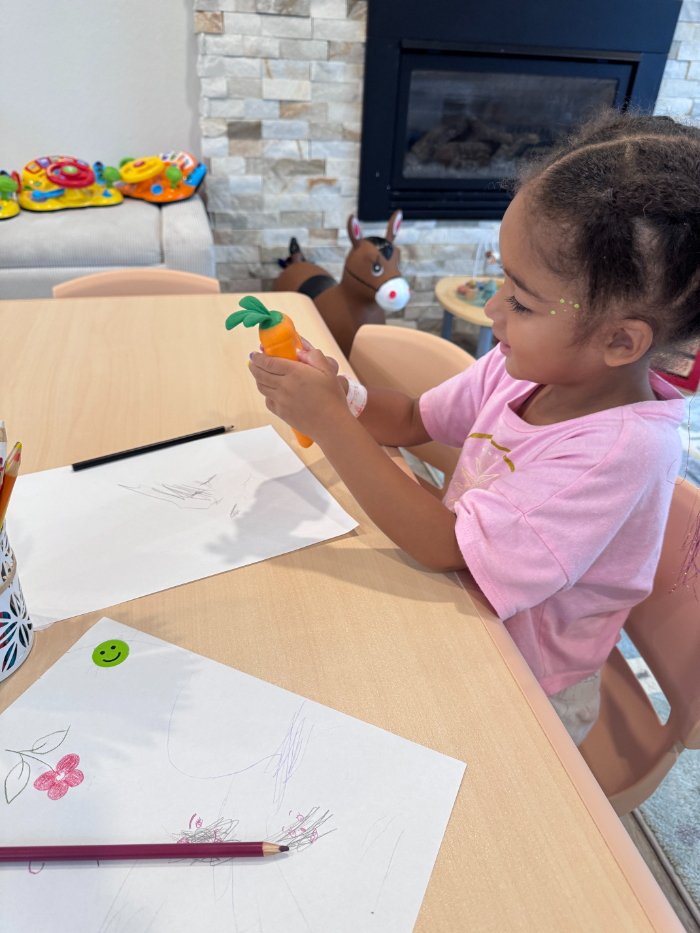
Implementing Daycare Strategies Effectively
Creating a Reward System
Design visual charts with pictures for non-readers. Track behaviors like “kind words” or “clean hands.” Reset weekly to maintain excitement. Integrate into daily schedules for consistency across shifts. Implementing a daycare with positive reinforcement techniques ensures all children experience consistent and motivating guidance.
Training Caregivers and Consistency
All staff must use uniform language: specific, enthusiastic, immediate. Workshops on behavior observation ensure fairness. Document progress in child portfolios for parent sharing.
Common Mistakes to Avoid
- Over-rewarding: Leads to entitlement; phase out tangibles.
- Inconsistent application: Undermines trust.
- Generic praise: “Good job” lacks impact—be descriptive.
Real-Life Examples in Childcare Settings
Case Study: Potty Training Success
In a Bothell daycare, a 2-year-old resisted potty use. Caregivers implemented a “potty party” with songs and a special toy post-success. Within two weeks, accidents dropped 80%, per incident logs.
Case Study: Reducing Tantrums in Group Play
A preschool group faced sharing conflicts. Introducing “turn-taking tickets” with praise for waiting patiently reduced tantrums from daily to bi-weekly, fostering calmer play.
Long-Term Impacts on Child Development
Emotional Regulation and Resilience
Children exposed to positive reinforcement exhibit stronger amygdala-hippocampus connections, aiding stress management. By age 7, they show 25% fewer behavioral issues, per longitudinal tracking.
Academic and Social Outcomes
Harvard’s Grant Study extensions link early praise to higher GPA and social competence in adolescence. Daycare strategies today predict lifelong success.
At Kido Heaven, we specialize in nurturing environments that harness positive reinforcement childcare daily. Explore our Daycare Bothell and child care Bothell programs, where expert strategies turn every moment into a growth opportunity for your little one. Contact us to see the difference!
Why KidoHeaven Stands Out
✅ Licensed in Washington State
✅ Aligned with Early Achievers standards
✅ Working Connections subsidy accepted
✅ Daily updates via Brightwheel
✅ Located in Bothell, serving Mill Creek, Lynnwood & nearby areas
✅ Nutritious snacks, safe outdoor space, & positive mealtime routines
📞 Call 206-734-2040 to schedule a tour
🌐 Enroll now
Follow Our Mealtime Moments
Stay updated with more beautiful outdoor meals and daily learning routines on:
Instagram | Facebook | Nextdoor | Yelp | Winnie | YouTube | Upwards
FAQ
1. What is positive reinforcement in childcare?
It’s adding rewards or praise to encourage desired behaviors, proven effective for toddler behavior and preschooler encouragement.
2. How does it differ from bribery?
Bribery precedes behavior; reinforcement follows it, building internal motivation.
3. Can it work for infants?
Yes—responsive praise supports early milestones without overwhelming.
4. What if a child misbehaves despite reinforcement?
Combine with natural consequences; focus on praising positives to overshadow negatives.
5. Are rewards necessary long-term?
No—transition to verbal praise for sustainable habits.
6. How do daycare strategies incorporate this?
Through consistent systems, caregiver training, and parent communication.


