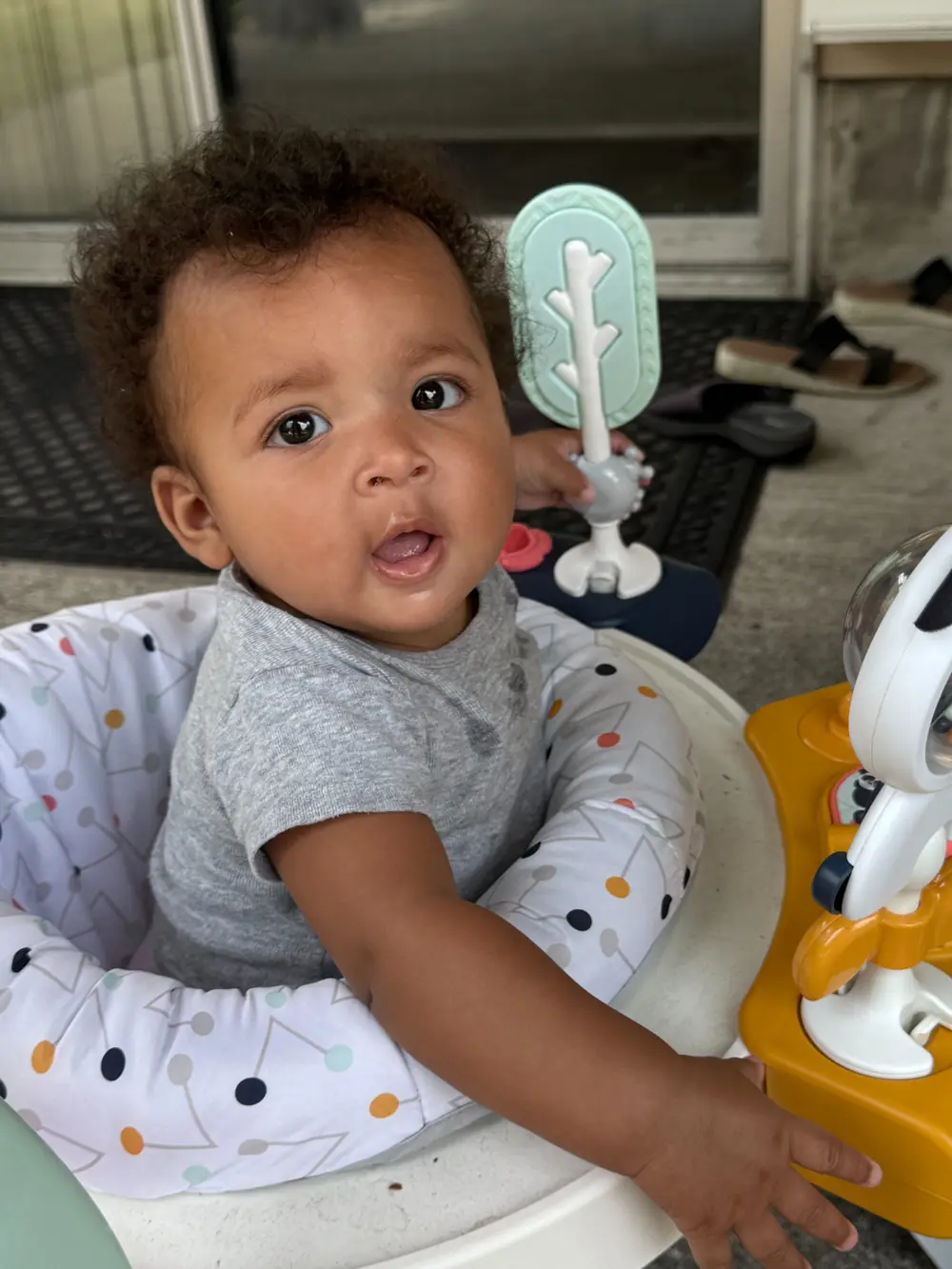


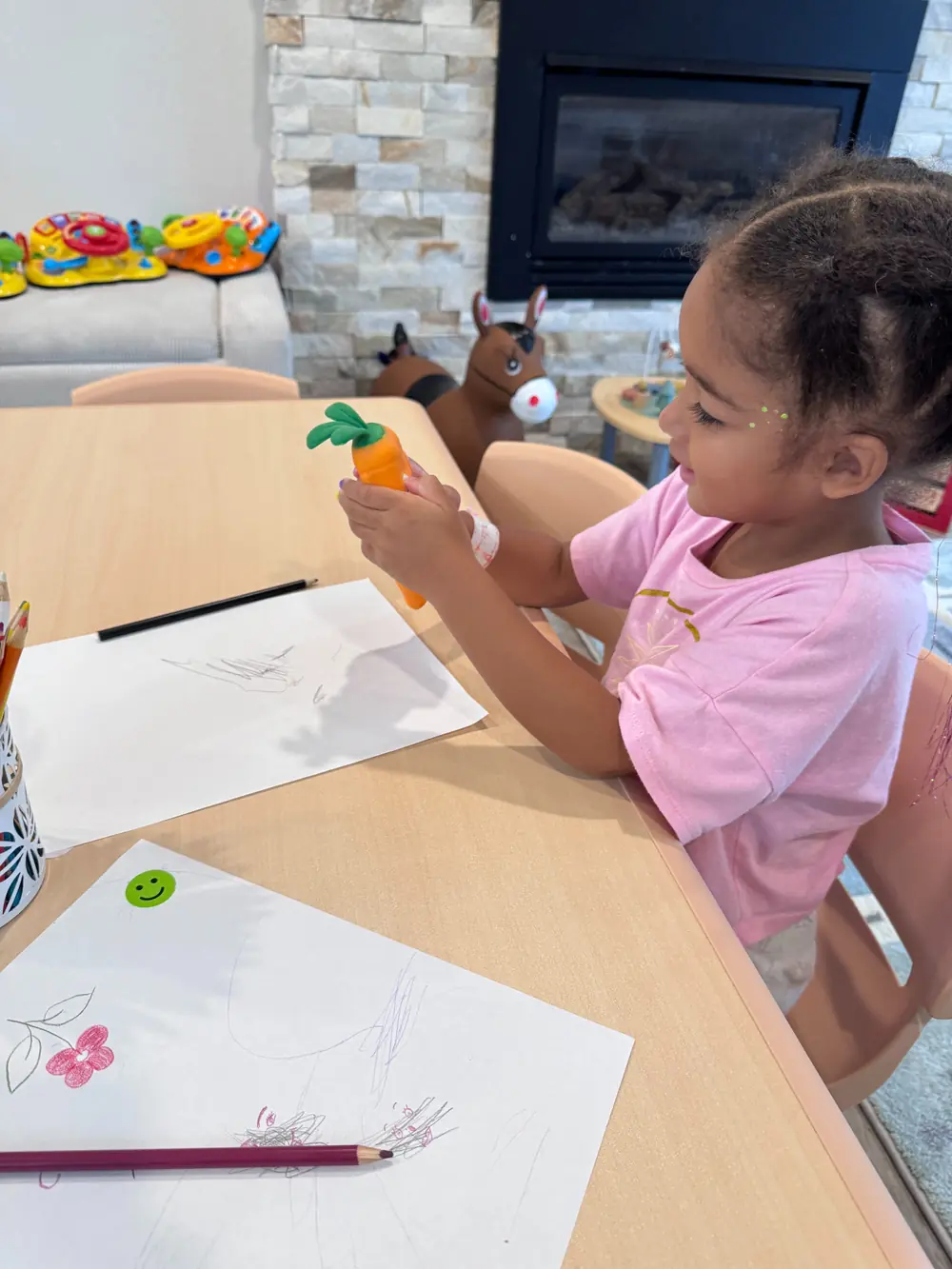
If you are looking for a daycare with positive reinforcement techniques, Kido Heaven Childcare in Bothell provides a supportive environment where toddlers learn through encouragement, praise, and structured guidance instead of punishment. This approach helps children manage tantrums, improve listening skills, and build confidence in a safe and nurturing setting.
Positive reinforcement in childcare has been shown to improve behavior more effectively than traditional discipline methods. At Kido Heaven, we use these strategies daily to help children feel emotionally secure, cooperative, and engaged in learning.
What Is a Daycare with Positive Reinforcement Techniques?
A daycare with positive reinforcement techniques focuses on encouraging good behavior instead of punishing unwanted actions. Caregivers use praise, rewards, and attention to reinforce positive actions immediately after they happen.
This approach helps children understand what behaviors are expected while building confidence and emotional security. Instead of reacting to negative behavior, the focus shifts to strengthening positive habits through consistent and supportive interactions.
What Is Positive Reinforcement in Childcare
In a daycare with positive reinforcement techniques, this method is used daily to guide children’s behavior in a supportive and structured environment.
Positive reinforcement means rewarding a child immediately after a desired behavior to encourage it to happen again. This can include praise, attention, or small rewards.
Unlike punishment, which focuses on stopping bad behavior, this method builds good behavior naturally.
In high-quality programs like Child Care Bothell, this approach is essential for developing emotional intelligence and long-term habits.
In daycare strategies, including our daycare with positive reinforcement techniques, this approach aligns with developmental psychology principles. For infants to preschoolers, it turns routine interactions into learning and growth opportunities. According to the AAP guidelines on positive discipline, consistent positive feedback helps children internalize good habits without fear.
Why Positive Reinforcement Works Better Than Punishment
Research consistently shows that children respond better to encouragement than correction.
- Builds confidence and self-esteem
- Reduces tantrums and aggressive behavior
- Strengthens the parent-child and caregiver-child relationship
- Encourages long-term behavior change
Children who receive consistent positive feedback feel safer and more motivated to cooperate.
Is Daycare with Positive Reinforcement Techniques Better for Toddlers?
Yes—research shows that toddlers respond more effectively to encouragement than punishment. In a daycare with positive reinforcement techniques, children feel safe, understood, and motivated to cooperate.
This leads to fewer tantrums, better listening skills, and stronger emotional development over time.
Key Studies on Early Childhood Behavior
A landmark meta-analysis in Child Development (2018) reviewed 100+ studies and found that positive reinforcement reduces disruptive behaviors by 70% in preschool settings compared to punitive methods. The CDC positive parenting resources cite longitudinal data linking praise-rich environments to lower anxiety in school-age children.
Zero to Three on early behavior emphasizes that infants as young as 6 months respond to enthusiastic tones, laying foundations for emotional intelligence.
7 Proven Positive Reinforcement Techniques That Actually Work
1. Immediate Praise
Timing matters. Always praise the behavior right after it happens.
Example:
“I love how you shared your toy!”
2. Be Specific, Not Generic
Avoid saying just “good job.”
Instead say:
“Great job cleaning up your toys so quickly!”
3. Use Simple Reward Systems
Sticker charts or small rewards can motivate toddlers—especially for routines like potty training or bedtime.
4. Focus on Effort, Not Perfection
Praise effort even if the result isn’t perfect.
This builds resilience and confidence.
5. Model Positive Behavior
Children learn by watching. Show the behavior you want to see.
6. Keep It Consistent
Inconsistent responses confuse children. Consistency builds trust and structure.
7. Gradually Reduce Rewards
Start with rewards, then shift toward verbal praise to build internal motivation.
How This Works in a Real Daycare Environment
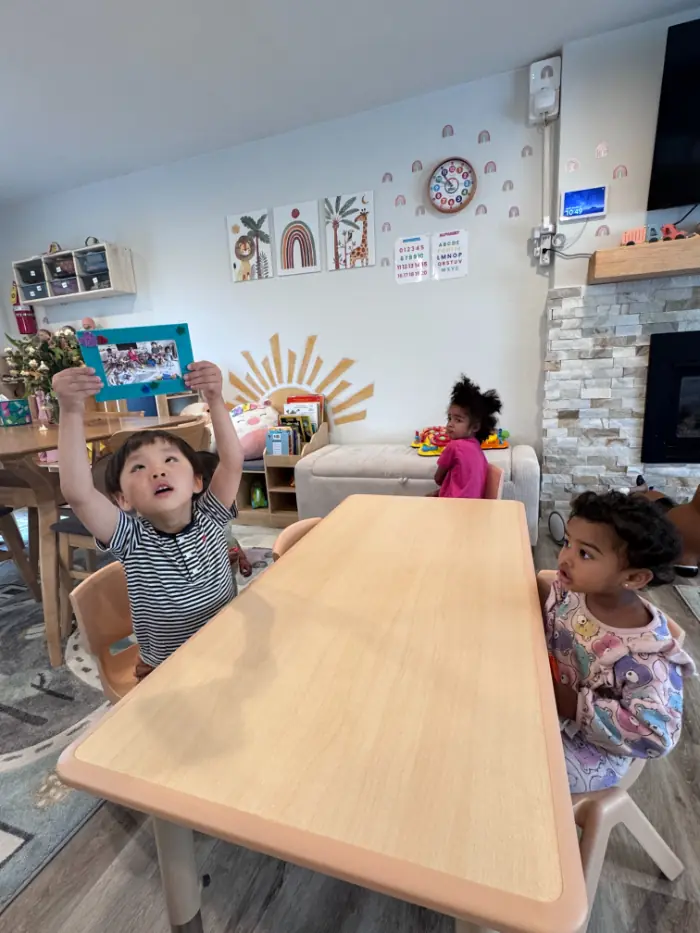
In a daycare with positive reinforcement techniques, these strategies are integrated into every part of the daily routine.
In a structured daycare bothell, positive reinforcement becomes part of daily routines:
- Clean-up time becomes a game with praise
- Sharing is encouraged with immediate recognition
- Calm behavior is rewarded with attention
At Kido Heaven, caregivers are trained to turn everyday moments into learning opportunities using consistent reinforcement strategies.
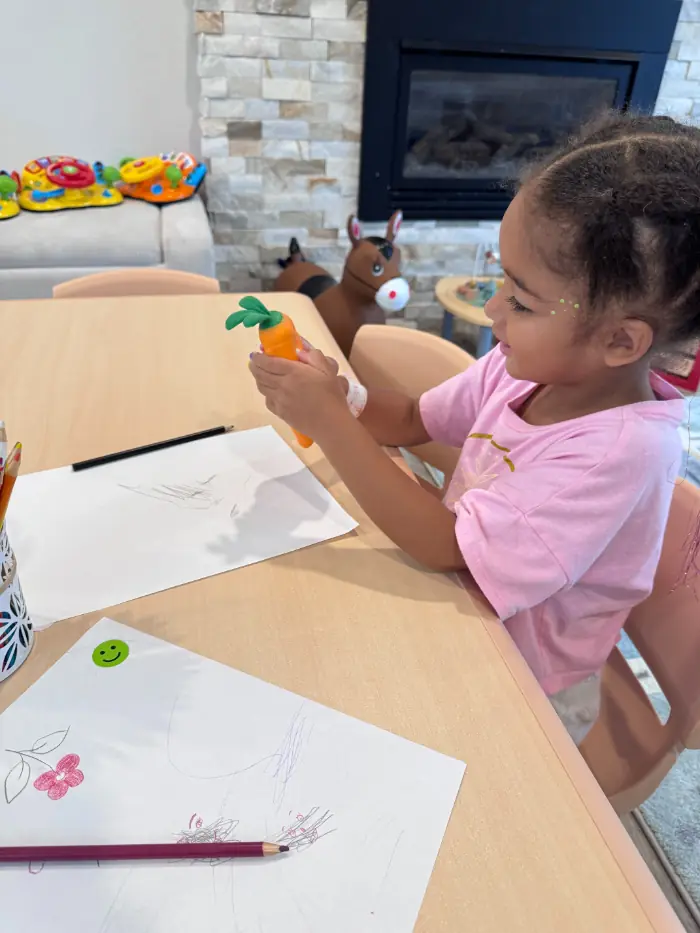
Positive Reinforcement for Different Age Groups
Infants (0–12 Months)
Even babies respond to tone and facial expressions.
- Smiling back when they smile
- Encouraging sounds and babbling
- Gentle praise during feeding and play
Toddlers (1–3 Years)
This stage benefits the most from reinforcement.
- Praise for sharing
- Encouragement during potty training
- Rewarding calm behavior instead of reacting to tantrums
Preschoolers (3–5 Years)
Focus shifts to social skills and independence.
- Group praise
- Encouraging teamwork
- Recognizing helpful behavior
Common Mistakes to Avoid
- ❌ Overusing rewards
- ❌ Being inconsistent
- ❌ Giving vague praise
- ❌ Ignoring positive behavior
Avoiding these mistakes ensures the method stays effective.
Real Results: What Parents Notice
Parents often report:
- Fewer tantrums
- Better listening skills
- Improved social behavior
- More confidence in their child
These results are especially noticeable in structured programs like Child Care Bothell, where consistency is key.
Why Parents Choose Kido Heaven
At Kido Heaven, we focus on more than just supervision—we build emotional strength and positive behavior habits.
Our daycare Bothell program includes:
- Structured daily routines
- Experienced caregivers trained in behavior development
- Safe and nurturing environment
- Focus on emotional and social growth
We believe every child learns best through encouragement, not punishment.
Call to Action
At Kido Heaven, we offer a structured and nurturing daycare with positive reinforcement techniques designed to support toddler behavior and emotional growth.
Families looking for trusted daycare Bothell or reliable child care Bothell services can explore our programs here:
If you’re looking for a supportive and structured daycare Bothell that truly understands child behavior, we’re here to help.
📞 Call now to schedule a tour
🌐 Enroll today and see the difference positive reinforcement can make, per longitudinal tracking.
Academic and Social Outcomes
Harvard’s Grant Study extensions link early praise to higher GPA and social competence in adolescence. Daycare strategies today predict lifelong success.
At Kido Heaven, we specialize in nurturing environments that harness positive reinforcement in childcare daily. Explore our Daycare Bothell and child care Bothell programs, where expert strategies turn every moment into a growth opportunity for your little one. Contact us to see the difference!
Why KidoHeaven Stands Out
✅ Licensed in Washington State
✅ Aligned with Early Achievers standards
✅ Working Connections subsidy accepted
✅ Daily updates via Brightwheel
✅ Located in Bothell, serving Mill Creek, Lynnwood & nearby areas
✅ Nutritious snacks, safe outdoor space, & positive mealtime routines
📞 Call 206-734-2040 to schedule a tour
🌐 Enroll now
Follow Our Mealtime Moments
Stay updated with more beautiful outdoor meals and daily learning routines on:
Instagram | Facebook | Nextdoor | Yelp | Winnie | YouTube | Upwards
FAQ
1. What is positive reinforcement in childcare?
It’s a method of encouraging good behavior using praise or rewards immediately after the behavior occurs.
2. Does positive reinforcement really work for toddlers?
Yes. It is one of the most effective ways to manage toddler behavior without punishment.
3. Can this method replace discipline?
It doesn’t remove discipline—it improves how discipline is applied by focusing on positive behavior.
4. How long does it take to see results?
Many parents notice changes within a few days when applied consistently.
5. Are rewards necessary long-term?
No—transition to verbal praise for sustainable habits.
6. How do daycare strategies incorporate this?
Through consistent systems, caregiver training, and parent communication.
7. What is a daycare with positive reinforcement techniques?
It is a childcare program that focuses on encouraging positive behavior using praise, rewards, and supportive guidance instead of punishment.
Visit Kido Heaven Child Care
A licensed home daycare for infants to pre-K, serving Bothell and Mill Creek. Call or text (206) 734-2040 or book a tour.
Book a Tour