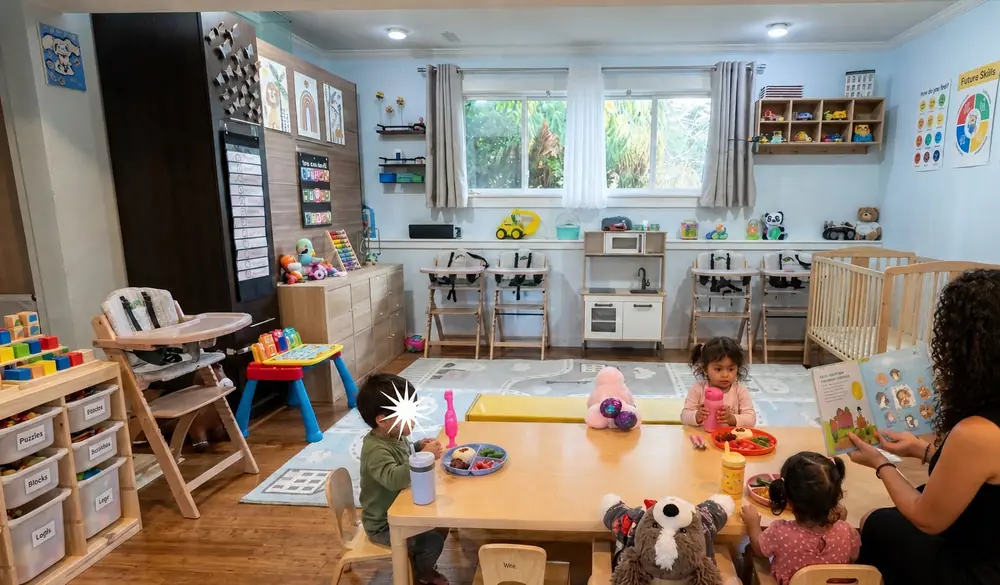


When parents think about daycare, they often focus on supervision, safety, and basic learning. However, a typical day in a high-quality daycare environment delivers far more than what meets the eye.
Behind every activity—whether it’s playtime, snack time, or group interaction—hidden lessons are shaping your child’s cognitive, emotional, and social development. These subtle learning moments are carefully embedded into structured routines, often aligned with professional standards such as Washington State WAC guidelines.
Why Daily Structure Matters in Early Childhood
Children thrive on predictability. A structured daycare routine provides a sense of safety and stability, which is essential for brain development.
Consistent schedules help children:
- Understand expectations
- Reduce anxiety
- Build trust in their environment
According to early childhood education research, structured routines are directly linked to improved emotional regulation and learning readiness.
Morning Routines: Building Emotional Security
The day often begins with arrival routines—greetings, check-ins, and free play. While simple, these moments teach powerful emotional lessons.
Children learn:
- Separation confidence
- Trust in caregivers
- Emotional transitions
A calm and welcoming environment supports attachment security, which is foundational for long-term development.
Circle Time: Language and Confidence Growth
Circle time is more than songs and stories. It’s a structured opportunity for children to develop:
- Listening skills
- Vocabulary expansion
- Public speaking confidence
Through repetition and guided participation, children begin to express themselves more clearly and confidently.
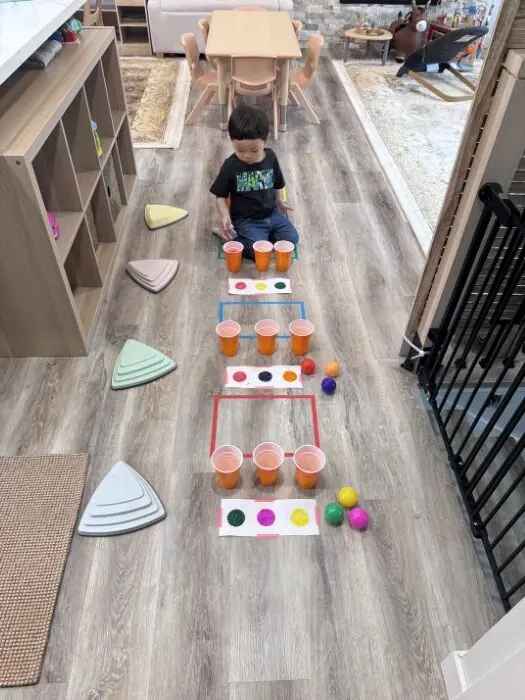
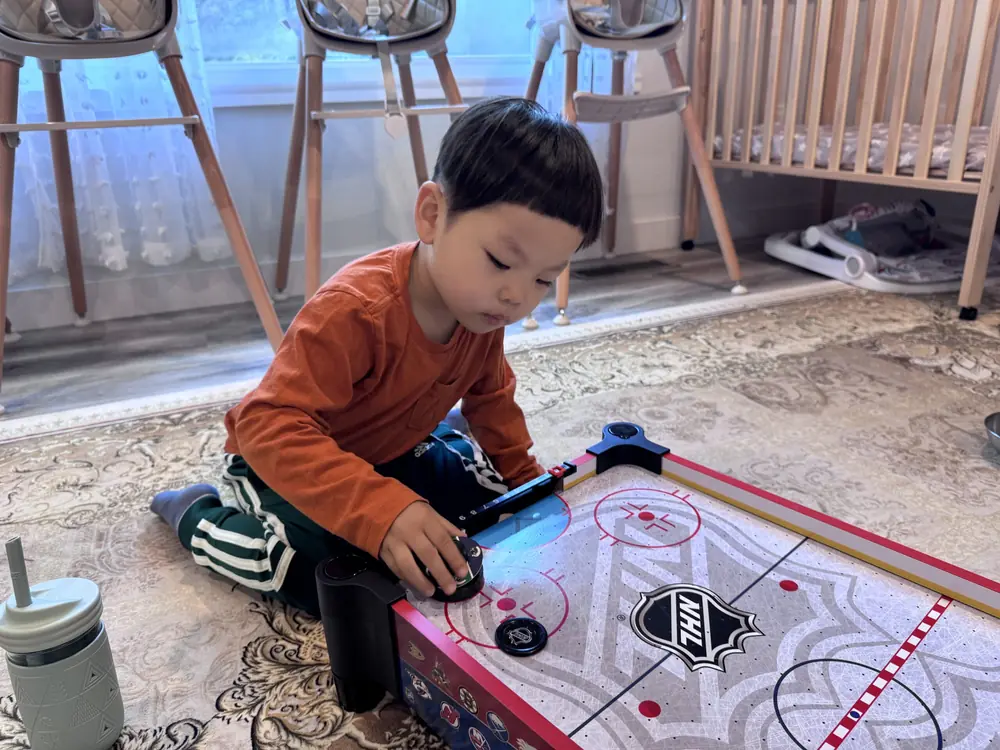
Play-Based Learning: The Hidden Academic Engine
Play is often misunderstood as “just fun,” but in reality, it is one of the most effective forms of early education.
During play, children naturally develop:
- Problem-solving skills
- Creativity
- Early math and logic abilities
This aligns with modern educational frameworks that emphasize experiential learning over memorization.
Social Interaction: Learning Without Teaching
One of the most valuable hidden lessons in daycare is social development.
Through daily interaction, children learn:
- Sharing and cooperation
- Conflict resolution
- Empathy and emotional awareness
These skills cannot be taught through direct instruction alone—they are learned through experience.
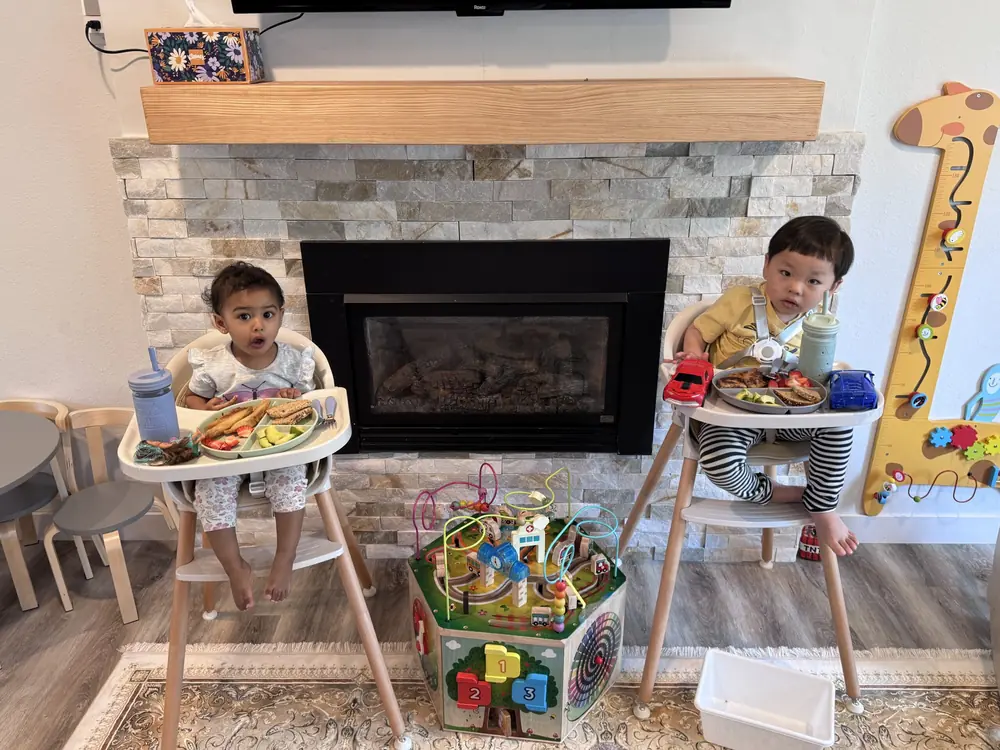
Mealtime: Independence and Life Skills
Snack and lunch times are powerful learning opportunities.
Children practice:
- Self-feeding
- Decision-making
- Social etiquette
Over time, these routines build independence and confidence in everyday tasks.
Quiet Time: Emotional Regulation and Brain Development
Rest periods are not just for physical recovery—they are essential for mental processing.
During quiet time:
- The brain consolidates learning
- Stress levels decrease
- Emotional balance improves
Children learn how to self-soothe and regulate their energy levels.
Guided Activities: Cognitive and Motor Skill Growth
Structured activities such as puzzles, art, and hands-on tasks help develop:
- Fine motor skills
- Focus and attention span
- Logical thinking
These activities are carefully designed to match developmental stages and encourage progress.
Transitions: The Overlooked Skill Builder
Transitions between activities may seem minor, but they teach critical life skills.
Children learn:
- Time awareness
- Adaptability
- Following instructions
These micro-lessons prepare children for structured environments like school.
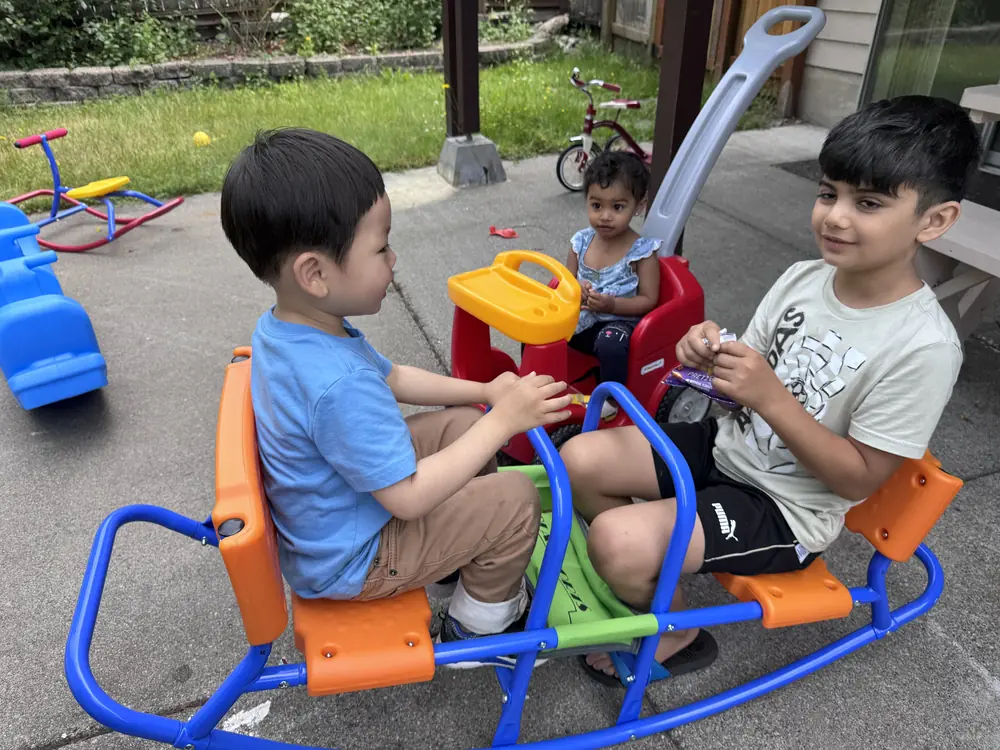
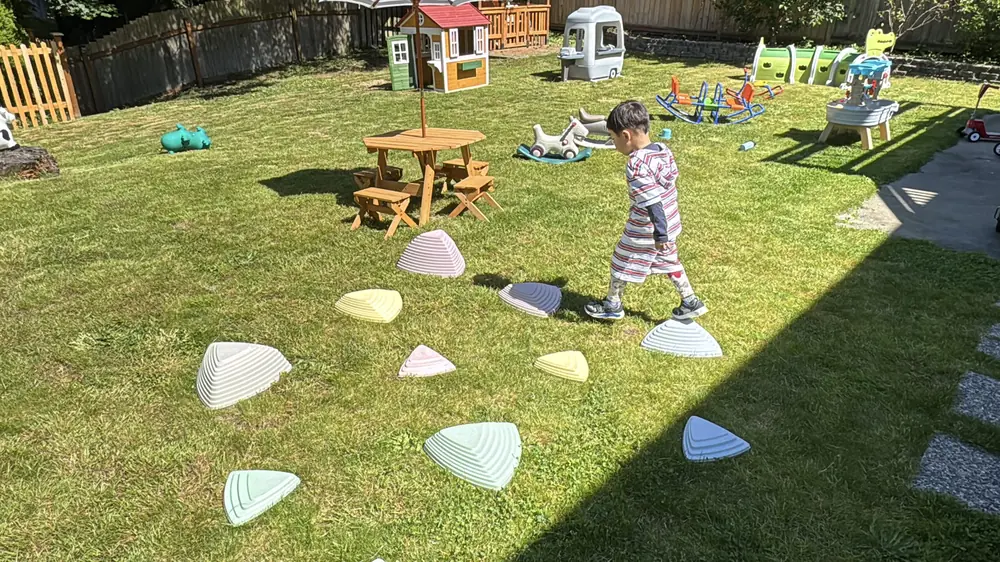
Outdoor Play: Physical and Mental Development
Outdoor time supports both physical health and cognitive function.
Benefits include:
- Gross motor skill development
- Stress reduction
- Improved attention
Nature-based play also encourages curiosity and exploration.
Subtle Learning and WAC Standards
High-quality daycare programs follow structured guidelines such as the Washington Administrative Code (WAC), ensuring:
- Safe environments
- Age-appropriate learning
- Qualified caregivers
These standards ensure that every part of the day contributes to a child’s development—even when it appears unstructured.
Why Parents Often Miss These Lessons
Because these lessons are embedded naturally into daily routines, they are easy to overlook.
Parents may see:
- Play instead of learning
- Routine instead of structure
But in reality, each moment is intentionally designed to support development.
Choosing the Right Daycare Environment
Not all daycare centers provide the same level of quality. When selecting a daycare, look for:
- Structured daily routines
- Qualified and trained staff
- Emphasis on social-emotional learning
A safe daycare environment in Bothell can make a significant difference in your child’s early development.
About Kido Heaven Early Learning Center
At Kido Heaven early learning center, we go beyond traditional childcare by creating a nurturing, structured, and development-focused environment.
Our programs are designed to support:
- Emotional growth
- Independence
- Early learning success
If you’re looking for a trusted childcare center in Bothell, we invite you to
👉 explore our child care programs
We proudly offer:
- A safe daycare environment in Bothell
- Developmentally appropriate curriculum
- Support for both children and families
Learn more about our approach to early childhood education in Bothell and how we help children thrive every day.
Why KidoHeaven Stands Out
✅ Licensed in Washington State
✅ Aligned with Early Achievers standards
✅ Working Connections subsidy accepted
✅ Daily updates via Brightwheel
✅ Located in Bothell, serving Mill Creek, Lynnwood & nearby areas
✅ Nutritious snacks, safe outdoor space, & positive mealtime routines
📞 Call 206-734-2040 to schedule a tour
🌐 Enroll now
Follow Our Mealtime Moments
Stay updated with more beautiful outdoor meals and daily learning routines on:
Instagram | Facebook | Nextdoor | Yelp | Winnie | YouTube | Upwards
FAQ
1. What do children actually learn in daycare?
Children learn social skills, emotional regulation, independence, and early academic concepts through structured daily activities.
2. Is play really important for learning?
Yes. Play-based learning is one of the most effective ways for children to develop cognitive and problem-solving skills.
3. How does daycare support emotional development?
Through consistent routines, caregiver interaction, and peer relationships, children build emotional awareness and confidence.
4. What makes a daycare “high-quality”?
A high-quality daycare follows structured routines, employs trained staff, and aligns with recognized standards like WAC.
5. How can I tell if my child is benefiting from daycare?
Signs include increased independence, better communication skills, and improved social interactions.
Visit Kido Heaven Child Care
A licensed home daycare for infants to pre-K, serving Bothell and Mill Creek. Call or text (206) 734-2040 or book a tour.
Book a Tour