

Big feelings in young children are natural and developmentally appropriate emotional responses that they are not yet able to regulate independently. Instead of trying to immediately fix or stop these emotions, high-quality daycare environments focus on acceptance, safety, and emotional support. Through daily experiences, children learn how to understand and manage their feelings naturally by observing caregivers, engaging in co-regulation, and experiencing structured, calm environments. This approach helps children build long-term emotional intelligence, resilience, and self-awareness rather than suppressing emotions.
What Are Big Feelings in Early Childhood?
“Big feelings” describe intense emotional reactions such as anger, frustration, fear, or excitement that young children express strongly. These reactions are not behavioral problems—they are developmentally appropriate responses.
At early ages, children lack the neurological maturity to regulate emotions independently. Instead of managing feelings internally, they express them outwardly through crying, yelling, or withdrawing.
Why Young Children Feel So Intensely
From a developmental perspective, the emotional center of the brain is highly active in early childhood, while the regulatory systems are still forming.
According to the Harvard Center on the Developing Child, emotional regulation develops gradually through relationships and repeated experiences—not through instruction alone.
Key reasons include:
- Limited vocabulary to describe feelings
- Underdeveloped self-control mechanisms
- High sensitivity to environmental changes
This explains why small triggers can lead to large emotional reactions.
Why “Fixing Emotions” Can Backfire
Adults often try to stop emotional reactions quickly:
- “Don’t cry.”
- “It’s not a big deal.”
- “Calm down.”
While intended to help, these responses can unintentionally teach children to suppress emotions instead of understanding them.
Long-term risks of “fixing”:
- Reduced emotional awareness
- Increased frustration over time
- Dependence on external soothing
Research supported by the American Academy of Pediatrics shows that emotional validation—not suppression—supports healthier development.
How Daycare Teaches Emotional Understanding Naturally
High-quality daycare environments create daily opportunities for emotional learning without forcing it.
Emotional Safety Before Skills
Children regulate emotions only when they feel safe.
In structured programs like Daycare Bothell, caregivers focus on:
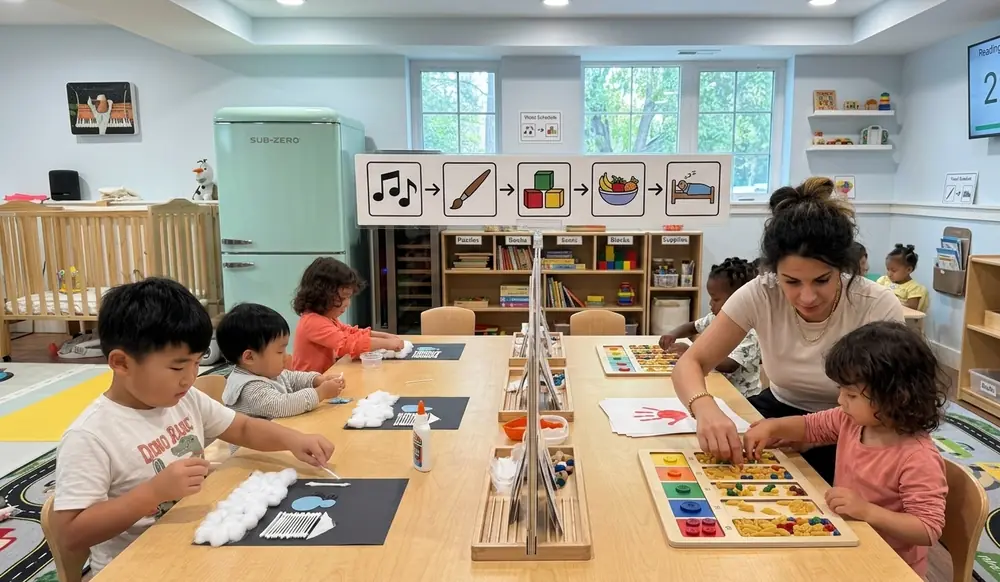
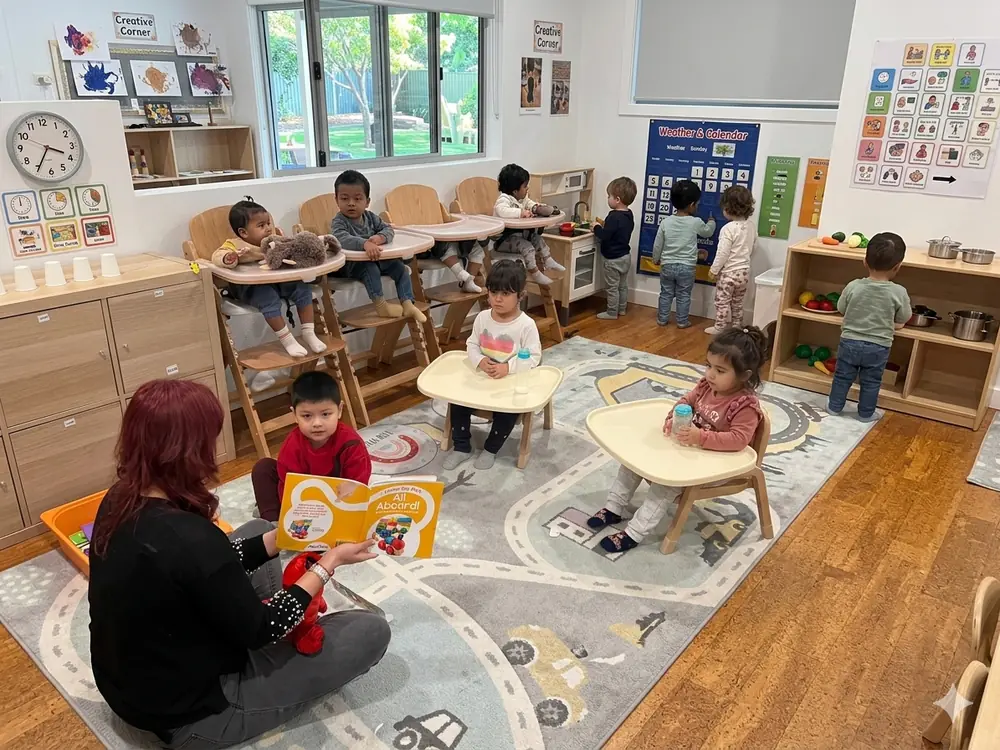
- Predictable routines
- Calm transitions
- Consistent emotional responses
This creates a secure base where children feel safe to experience emotions fully.
Learning Through Observation
Children learn emotional behavior by watching others.
They observe:
- How peers handle frustration
- How caregivers respond calmly
- How emotions naturally rise and fall
This indirect learning builds deeper emotional understanding than direct instruction.
Co-Regulation in Real Moments
Co-regulation means an adult supports the child emotionally without controlling or stopping the feeling.
Caregivers:
- Stay present
- Use a calm voice and body language
- Allow the emotion to exist
Over time, children internalize these responses and develop self-regulation.
Real-Life Daycare Scenarios (What Actually Happens)
Scenario 1: A Child Cries After Separation
Instead of distracting immediately, the caregiver:
- Acknowledges the feeling (“You miss your parent”)
- Stays nearby
- Allows the child to process
Within minutes, the child begins to calm naturally.
Scenario 2: Conflict Over a Toy
Rather than forcing “say sorry,” the caregiver:
- Observes the situation
- Describes emotions (“You both want the same toy”)
- Guides gently without pressure
Children learn problem-solving through experience.
Scenario 3: Overwhelm During Group Activity
A child becomes overstimulated.
The environment provides:
- Quiet space
- Reduced stimulation
- Time without pressure
This prevents escalation and supports natural regulation.
The Science Behind Emotional Development
Emotional development is rooted in repeated relational experiences.
Studies from the CDC (Centers for Disease Control and Prevention) confirm that children develop emotional skills through:
- Responsive caregiving
- Safe environments
- Consistent interactions
This process is known as co-regulation → self-regulation progression.
The Role of Environment in Emotional Regulation
A well-designed childcare environment plays a critical role.
High-quality child care programs in Bothell include:
- Calm-down areas
- Structured routines
- Balanced sensory input
These elements reduce emotional overload and allow children to process feelings naturally.
Natural Learning vs. Direct Instruction
Direct Approach (Less Effective)
- Commands: “Stop crying.”
- Forced behaviors: “Say sorry.”
- Immediate correction
Natural Approach (More Effective)
- Emotional acknowledgment
- Space for processing
- Gentle guidance
Children learn emotional intelligence through experience—not instruction.
WAC-Aligned Emotional Care in Quality Daycares
Programs following Washington Administrative Code (WAC) standards emphasize:
Emotional Respect
Children must be treated with dignity and sensitivity.
Positive Guidance
Behavior is guided—not punished.
Individual Emotional Needs
Each child develops at their own pace.
Safe Environment
Emotional safety is a core requirement—not optional.
These principles ensure ethical and developmentally appropriate care.
Long-Term Benefits of Emotional Acceptance
Children who are allowed to experience emotions fully develop:
- Strong emotional intelligence
- Better stress management
- Improved social relationships
- Higher confidence
Emotional acceptance builds resilience that lasts into adulthood.
How Parents Can Apply This at Home
Consistency between daycare and home strengthens results.
Practical strategies:
1. Pause before reacting
Not every emotion needs fixing.
2. Name the feeling
“You seem upset.”
3. Stay present
Your presence is more powerful than solutions.
4. Avoid punishment for emotions
Guide behavior, not feelings.
5. Model calmness
Children mirror adult emotional responses.
Conclusion
Big feelings in small children are not problems to solve—they are experiences to understand.
Daycare environments provide a unique space where children naturally learn emotional regulation through real interactions, supportive caregivers, and structured routines.
By shifting from “fixing emotions” to supporting emotional experiences, we help children build lifelong emotional intelligence.
About Kido Heaven Early Learning Center
At Kido Heaven Early Learning Center, emotional development is supported through a calm, structured, and child-centered approach that helps children understand their feelings naturally rather than being rushed to “fix” them. Our environment is designed to give children the safety they need to experience big emotions, while caring educators guide them through gentle co-regulation and daily real-life learning moments.
As a trusted provider of Daycare Bothell services, we focus on creating consistent routines and nurturing relationships that help children feel secure and understood. We believe emotional growth happens best when children are given time, space, and supportive guidance instead of pressure.
Our child care Bothell program is built on respect for each child’s individual emotional development. By combining structured environments with responsive caregiving, we help children build confidence, emotional awareness, and long-term resilience that supports them both in early learning and beyond.
Why KidoHeaven Stands Out
✅ Licensed in Washington State
✅ Aligned with Early Achievers standards
✅ Working Connections subsidy accepted
✅ Daily updates via Brightwheel
✅ Located in Bothell, serving Mill Creek, Lynnwood & nearby areas
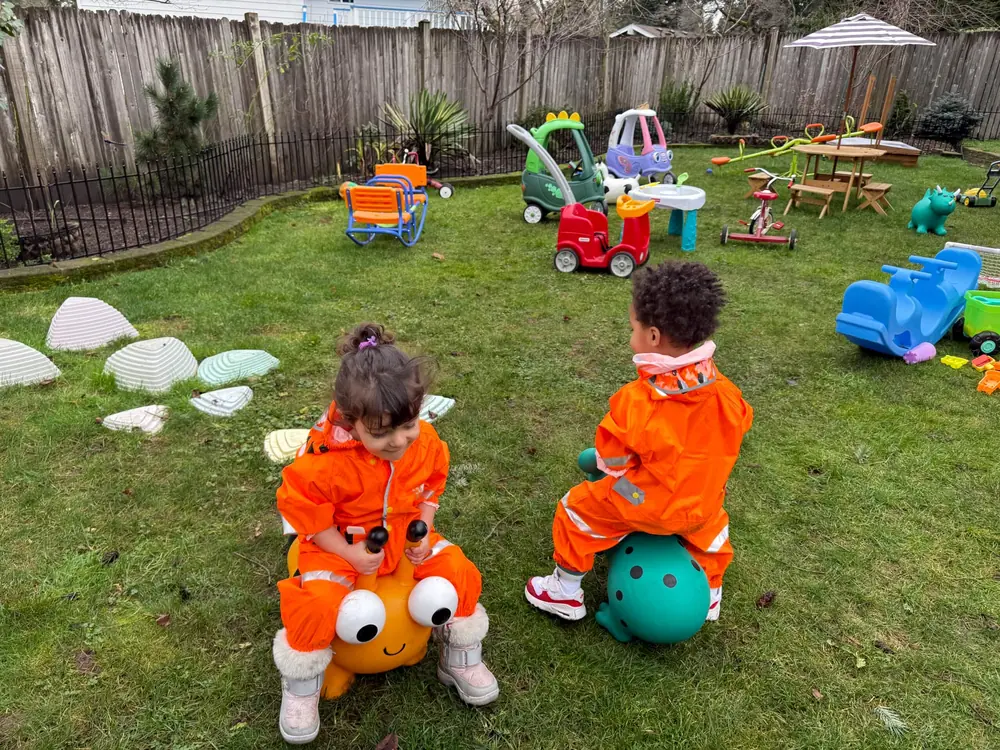
✅ Nutritious snacks, safe outdoor space, & positive mealtime routines
📞 Call 206-734-2040 to schedule a tour
🌐 Enroll now
Follow Our Mealtime Moments
Stay updated with more beautiful outdoor meals and daily learning routines on:
Instagram | Facebook | Nextdoor | Yelp | Winnie | YouTube | Upwards
FAQ
1. Should I stop my child from crying quickly?
No. Crying is a natural release. Support the child, but allow the emotion to exist.
2. How does daycare help with emotional development?
Through daily real-life interactions, structured environments, and responsive caregiving.
3. What is co-regulation in simple terms?
It means helping a child calm down by staying present and supportive rather than controlling them.
4. Are emotional outbursts normal in toddlers?
Yes. They are a natural part of brain development and emotional growth.
5. Can ignoring emotions make children stronger?
No. Ignoring emotions leads to suppression, not strength.
6. What is the best way to respond to tantrums?
Stay calm, acknowledge the feeling, and avoid immediate correction.
7. Do children naturally learn emotional control?
Yes—but only in supportive environments with consistent caregiving.
Visit Kido Heaven Child Care
A licensed home daycare for infants to pre-K, serving Bothell and Mill Creek. Call or text (206) 734-2040 or book a tour.
Book a Tour