



In today’s fast-paced, screen-filled world, many families are looking for an early childhood program that slows down, honors childhood, encourages imagination, and supports emotional well-being. One curriculum approach that continues to attract families worldwide is Waldorf Education.
At Kido Heaven Child Care in Bothell, Washington, we believe children learn best when they feel safe, respected, connected, and inspired. Many Waldorf principles naturally align with high-quality family child care environments and play-based learning.
This guide explores what Waldorf education is, its philosophy, daily practices, benefits, classroom environment, and how families can recognize a high-quality Waldorf-inspired program.
🌱 What Is Waldorf Education?
Waldorf education was founded in 1919 by philosopher and educator Rudolf Steiner. It is based on the belief that children grow in developmental stages and should be taught in ways that match their emotional, physical, and cognitive readiness.
In early childhood (birth to age 7), Waldorf focuses on:
- Imagination and creativity
- Sensory experiences
- Rhythm and routine
- Hands-on learning
- Nature connection
- Social relationships
- Emotional security
Academic instruction, such as reading and writing, is introduced later, once children are developmentally ready.

🧠 Core Principles of Waldorf Education
1. Educating the Whole Child
Waldorf supports:
- Head (thinking and understanding)
- Heart (emotional connection and creativity)
- Hands (physical movement and practical skills)
Children engage in activities that balance all three areas, helping them grow holistically.
2. Learning Through Imitation and Play
Young children learn by observing and imitating adults and peers. Teachers model respectful behavior, meaningful work, kindness, and curiosity.
Free play encourages imagination, storytelling, cooperation, and problem-solving.
3. Rhythm and Predictability
Daily and weekly rhythms create security and calm. Children know what to expect, which supports emotional regulation and confidence.
Examples include:
- Morning circle
- Outdoor play
- Storytime
- Snack preparation
- Creative play
- Rest time
4. Connection to Nature
Nature is central in Waldorf education. Children spend time outdoors daily, observe seasonal changes, care for plants, and explore natural materials.
Nature supports:
- Sensory development
- Emotional grounding
- Physical health
- Environmental respect
5. Limiting Technology and Screens
Waldorf programs avoid screens in early childhood to protect imagination, attention, and healthy brain development.
6. Meaningful Relationships
Teachers often stay with the same group of children for several years, creating strong emotional bonds and stability.
🎨 What Children Do in a Waldorf Classroom
You may see:
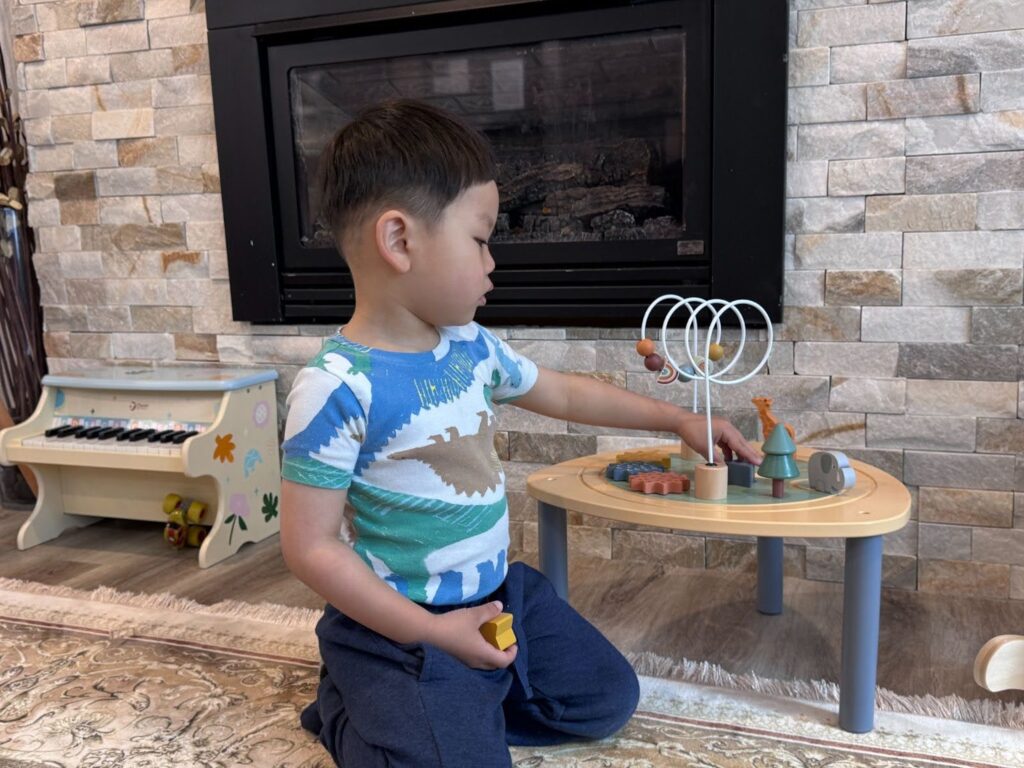
- Wooden toys and natural materials
- Silk scarves, blocks, baskets, stones
- Imaginative play setups
- Storytelling and puppetry
- Baking, gardening, cleaning activities
- Singing and movement
- Art with beeswax crayons and watercolor
- Quiet, calm environments
- Warm lighting and natural colors
❤️ How Waldorf Supports Whole Child Development
Social Development: Cooperation, turn-taking, empathy, and respectful communication
Emotional Development: Predictable rhythms build emotional safety, self-regulation, patience, and trust
Physical Development: Climbing, running, fine motor crafts, baking, and outdoor exploration strengthen motor skills
Cognitive Development: Imagination, storytelling, sequencing, memory, and problem-solving
Language Development: Storytelling, songs, rhymes, and conversations strengthen vocabulary and communication
🌟 Benefits of Waldorf Education
Children develop:
- Creativity and imagination
- Emotional security
- Strong social skills
- Self-confidence
- Love of learning
- Physical coordination
- Sensory integration
- Focus and attention
- Healthy routines
Waldorf supports balanced development, rather than rushing academic milestones.
🏡 Waldorf in Family Child Care Settings
Waldorf fits beautifully in family child care because:
- Home environments naturally support warmth and rhythm
- Mixed-age groups encourage leadership and empathy
- Daily life activities become learning moments
- Small group size builds strong relationships
- Natural materials are easy to integrate
At Kido Heaven, we combine Waldorf principles with play-based, developmentally appropriate learning to create a nurturing and safe environment for children.
🌼 How Parents Can Support Waldorf Principles at Home
Parents can:
- Limit screen time
- Encourage imaginative play
- Establish daily routines
- Spend time outdoors
- Read stories and sing
- Allow children to help with household tasks
- Provide natural toys
- Create calm environments
- Observe and follow the child’s interests
- Connect with Kido Heaven’s early childhood education approach for guidance
🔍 How to Recognize a Quality Waldorf Program
Look for:
- Calm atmosphere
- Natural materials
- Strong routines
- Outdoor time
- Minimal screens
- Warm relationships
- Creative play opportunities
- Respectful communication
🧩 Waldorf vs. Traditional Academic Programs
| Waldorf | Traditional |
|---|---|
| Play-based | Worksheet-based |
| Imagination focused | Early academics |
| Nature centered | Indoor heavy |
| Minimal screens | Technology early |
| Rhythm-based | Rigid schedules |
| Relationship focused | Performance focused |
🌈 Final Thoughts
Waldorf education offers a beautiful foundation for childhood — one that values imagination, emotional well-being, creativity, and connection to nature. Children grow into confident, compassionate, curious learners who enjoy discovering the world.
Families seeking a nurturing early learning environment in Bothell can benefit from programs that integrate Waldorf-inspired principles alongside play-based learning — such as Kido Heaven child care center.
Why KidoHeaven Stands Out
✅ Licensed in Washington State
✅ Aligned with Early Achievers standards
✅ Working Connections subsidy accepted
✅ Daily updates via Brightwheel
✅ Located in Bothell, serving Mill Creek, Lynnwood & nearby areas
✅ Nutritious snacks, safe outdoor space, & positive mealtime routines
📞 Call 206-734-2040 to schedule a tour
🌐 Enroll now
Follow Our Mealtime Moments
Stay updated with more beautiful outdoor meals and daily learning routines on:
Instagram | Facebook | Nextdoor | Yelp | Winnie | YouTube | Upwards
FAQ
1. What age is best for Waldorf education?
Early childhood (birth to 7 years) focuses on imagination, sensory experiences, and rhythm. Academics are introduced later.
2. How is Waldorf different from Montessori?
Waldorf emphasizes imagination, rhythm, and storytelling, while Montessori focuses on independence and hands-on self-correcting materials.
3. Can I practice Waldorf principles at home?
Yes! Limit screens, provide natural toys, encourage imaginative play, and maintain predictable daily routines.
4. Is Waldorf compatible with preschool readiness?
Absolutely. Waldorf prepares children emotionally, socially, and cognitively before formal academics, supporting long-term learning success.


