

Many adults believe frequent praise is one of the best ways to help children feel confident. Phrases like “Good job!” or “You’re so smart!” are often offered with positive intentions. While encouragement has value, child development research increasingly shows that feeling truly seen—being noticed, understood, and emotionally recognized—has a stronger and more lasting effect on self-esteem than constant praise alone.
Children do not build a strong sense of self simply by hearing approval. They develop it through repeated experiences of being understood. When a caregiver notices effort, names emotions, respects perspectives, and responds with genuine attention, children begin to feel worthy beyond performance.
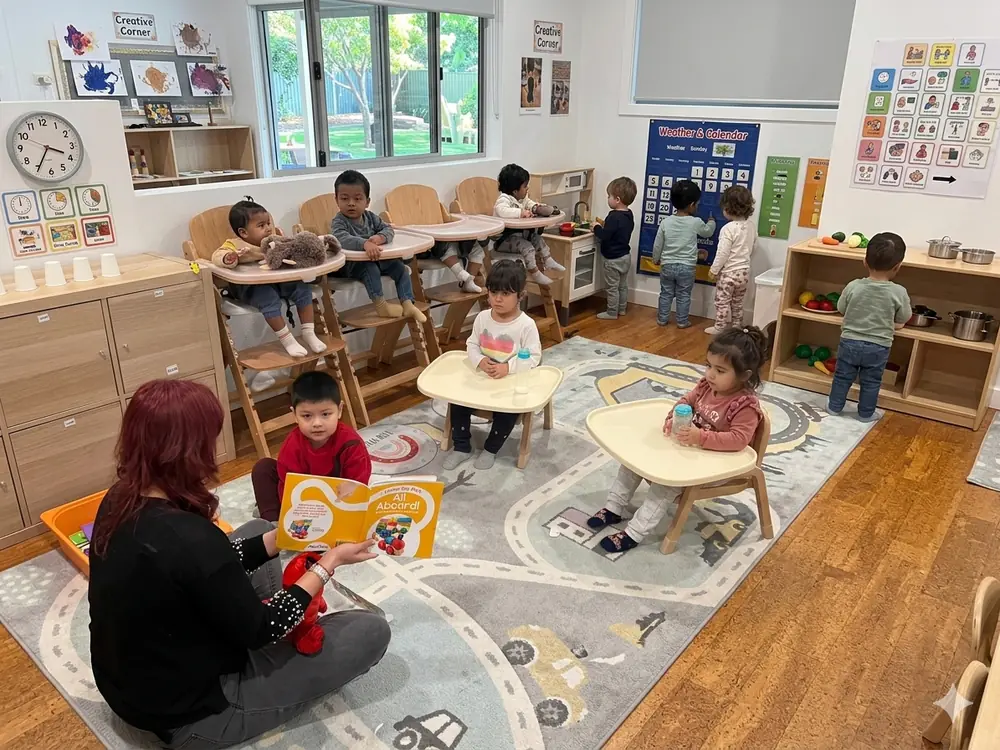
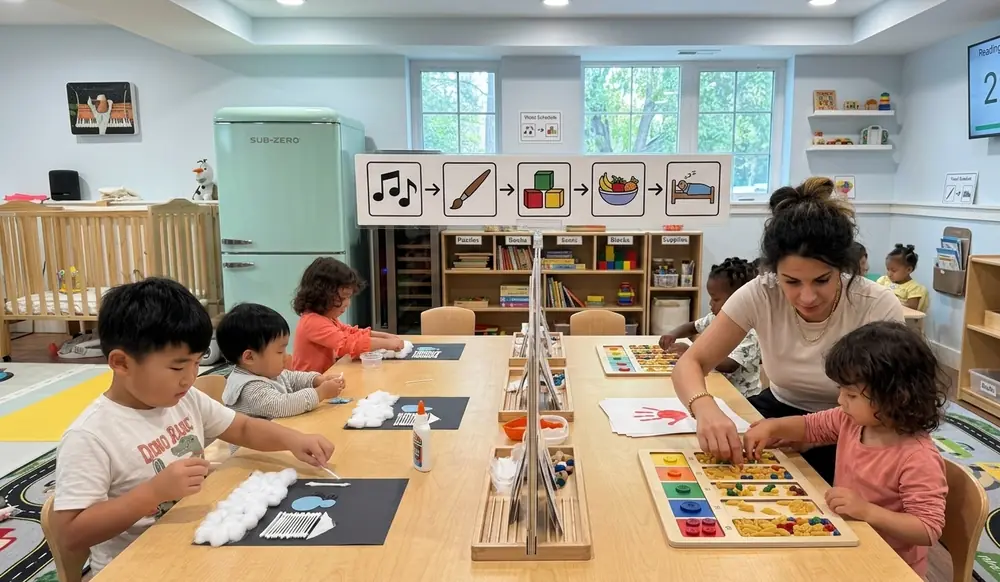
In high-quality early learning environments, emotional visibility often happens naturally through responsive interactions. In programs such as Daycare Bothell and quality child care Bothell settings, these moments support social-emotional growth in ways that go beyond praise-based encouragement.
This article explores why feeling seen matters so much, how it differs from praise, and why authentic connection is foundational to healthy self-esteem.
What Does It Mean for a Child to Feel Seen?
Feeling seen means more than receiving attention. It means a child experiences that their emotions, thoughts, efforts, and individuality are recognized and valued.
A child feels seen when an adult says:
- “You worked hard on that.”
- “You seem frustrated—do you want help?”
- “I noticed you invited your friend to play.”
- “You were proud when you built that tower.”
These responses communicate:
- I notice you.
- I understand your experience.
- What you feel matters.
This differs from generic praise. “Good job” focuses on approval. Feeling seen focuses on connection.
Being Seen vs Being Evaluated
Children quickly learn when adults are constantly evaluating versus truly engaging.
Evaluation-based responses:
- You’re amazing!
- You’re the best helper.
- Great drawing!
Seeing-based responses:
- You used many colors in your drawing.
- You kept trying when the blocks fell.
- You helped because your friend needed support.
The second approach supports identity formation rather than dependence on approval.
Why Praise Alone Has Limits
Praise is not harmful by itself. The issue arises when praise becomes the primary tool for building confidence.
Research in developmental psychology suggests excessive performance-focused praise can unintentionally teach children to:
- Seek external validation
- Fear mistakes
- Tie worth to achievement
- Depend on approval for confidence
Praise Can Become Conditional
When confidence depends on hearing “good job,” self-worth can become fragile.
Children may begin asking:
- Did I do it right?
- Is this good?
- Are you proud of me?
Instead of developing inner confidence, they may rely on outside judgment.
Constant Praise Can Shift Attention Away from Process
When adults praise outcomes constantly, children may focus more on being impressive than on learning, curiosity, or resilience.
Feeling seen keeps attention on process, effort, and emotional experience.
Validation Over Praise: What Research Suggests
Developmental research consistently links emotional validation and responsive caregiving to healthier long-term self-esteem than approval alone.
Validation does not mean agreeing with every emotion or behavior. It means recognizing a child’s internal experience.
Examples:
Instead of:
“Don’t be upset, it’s fine.”
Validation sounds like:
“You’re disappointed the game ended.”
This teaches children:
- Emotions make sense.
- Feelings can be managed.
- They are understood.
Why Validation Supports Emotional Development
Validation helps children develop:
Emotional Awareness
Children learn to recognize what they feel.
Emotional Regulation
Being understood often helps emotions settle.
Internal Security
Children feel accepted even when struggling.
These are deeper foundations for confidence than praise can provide alone.
How Feeling Seen Builds Healthy Self-Esteem
Self-esteem is not believing “I am amazing.”
Healthy self-esteem is believing:
- I matter.
- My thoughts count.
- I can handle challenges.
- I am valued even when imperfect.
Feeling seen supports exactly this.
It Strengthens Identity
When children are observed authentically, they begin forming an internal sense of self.
Not:
“I am good when praised.”
But:
“I know who I am.”
That difference matters enormously.
It Encourages Intrinsic Motivation
Seen children often act from internal motivation rather than reward seeking.
They help because they care.
They persist because effort feels meaningful.
That supports long-term confidence.
Emotional Visibility and Secure Attachment
Feeling seen is closely connected to attachment theory.
Responsive relationships help children develop secure attachment through repeated experiences of being understood.
Secure attachment is associated with:
- Confidence
- Emotional resilience
- Social competence
- Healthy self-worth
Small Moments Matter
Attachment is often built in ordinary interactions:
- A teacher notices hesitation during play.
- A caregiver responds to disappointment calmly.
- An adult listens seriously to a child’s story.
These moments communicate safety.
Safety supports confidence.
Why Constant Praise Can Sometimes Backfire
Surprisingly, too much praise may sometimes undermine confidence.
It Can Create Performance Pressure
Children may feel they must keep impressing adults.
That can increase perfectionism and fear of failure.
Person-Based Praise Can Be Risky
Research often distinguishes between:
Person Praise
- You’re so smart.
- You’re talented.
and
Process Support
- You worked hard.
- You tried a new strategy.
Person praise may make mistakes feel threatening.
Being seen supports growth without pressure.
It Can Reduce Authentic Connection
If every interaction becomes praise, a genuine emotional connection can shrink.
Children need more than applause.
They need a relationship.
How Responsive Caregiving Supports Authentic Connection
Responsive caregiving often creates the strongest conditions for children to feel seen.
Key practices include:
Observation Before Response
Attentive adults watch first.
They notice:
- interests
- emotions
- social cues
- effort
This supports individualized responses.
Emotion Coaching
Adults help children name and understand feelings.
Examples:
- You seem disappointed.
- That was frustrating.
- You look proud of what you made.
This supports emotional literacy.
Reflective Language
Reflecting experiences back to children helps them feel understood.
“You kept trying even when it was hard.”
That is much more powerful than “good job.”
The Role of Group Care in Helping Children Feel Seen
High-quality early learning environments can support feeling seen through daily relationships and individualized attention.
Programs operating under Washington State childcare standards and WAC-informed quality practices often emphasize responsive caregiving, social-emotional support, and child-centered learning.
Individual Recognition Within Group Settings
Strong programs help children feel visible even in groups through:
- responsive teacher interactions
- observation-based curriculum
- relationship-centered care
- individualized support
Children are not treated as a group alone, but as individuals.
Peer Relationships Also Help Children Feel Seen
Being understood by peers matters too.
Through group experiences, children may feel recognized when they:
- contribute ideas
- solve problems together
- help classmates
- express emotions safely
These social experiences support belonging.
Practical Ways Adults Can Help Children Feel Seen
Feeling seen often grows through simple changes in interaction.
1. Notice Before Praising
Instead of:
Good job.
Try:
You kept balancing those blocks until it worked.
Specific noticing often feels more meaningful.
2. Reflect Feelings
Try:
You were disappointed when that happened.
This communicates understanding.
3. Listen Without Fixing Immediately
Sometimes children need presence more than solutions.
Listening can be validating.
4. Focus on Effort and Process
Notice:
- persistence
- creativity
- problem-solving
- kindness
These strengthen identity.
5. Make Space for Child Perspectives
Ask:
- What do you think?
- How did that feel?
- What should we try?
This communicates respect.
Authentic Connection Matters More Than Constant Approval
Children do not thrive simply from being told they are wonderful.
They thrive when they feel known.
An authentic connection communicates:
- You matter.
- You belong.
- You are understood.
That shapes deeper confidence than repeated praise ever can.
Conclusion
Confidence is not built through constant praise alone.
It grows when children feel genuinely seen.
When adults notice effort, honor emotions, listen closely, and respond authentically, children develop something deeper than approval-based confidence—they develop secure self-worth.
That is why validation over praise and authentic connection matter so much in healthy child development.
At Kido Heaven Early Learning Center, we believe children flourish when they feel understood, respected, and valued as individuals. Through nurturing relationships and responsive care, our approach supports the emotional foundations children need for confidence, resilience, and lifelong growth.
Why KidoHeaven Stands Out
✅ Licensed in Washington State
✅ Aligned with Early Achievers standards
✅ Working Connections subsidy accepted
✅ Daily updates via Brightwheel
✅ Located in Bothell, serving Mill Creek, Lynnwood & nearby areas
✅ Nutritious snacks, safe outdoor space, & positive mealtime routines
📞 Call 206-734-2040 to schedule a tour
🌐 Enroll now
Follow Our Mealtime Moments
Stay updated with more beautiful outdoor meals and daily learning routines on:
Instagram | Facebook | Nextdoor | Yelp | Winnie | YouTube | Upwards
FAQ
1. Is praise bad for children?
No. Praise can be helpful when balanced and specific. The concern is relying on praise alone instead of a deeper emotional connection and validation.
2. What is the difference between praise and validation?
Praise often evaluates behavior.
Validation recognizes feelings, effort, and internal experience.
Both can have value, but validation often supports deeper emotional development.
3. Does feeling seen improve self-esteem?
Yes. Feeling understood and valued supports secure identity, resilience, and healthy self-worth.
4. Can daycare help children feel seen?
High-quality early learning environments often support this through responsive caregiving, individualized attention, and relationship-based teaching.
5. How can parents help children feel seen every day?
Small practices help:
attentive listening
noticing effort
naming emotions
respecting perspectives
responding with empathy
These moments build emotional security.
Visit Kido Heaven Child Care
A licensed home daycare for infants to pre-K, serving Bothell and Mill Creek. Call or text (206) 734-2040 or book a tour.
Book a Tour