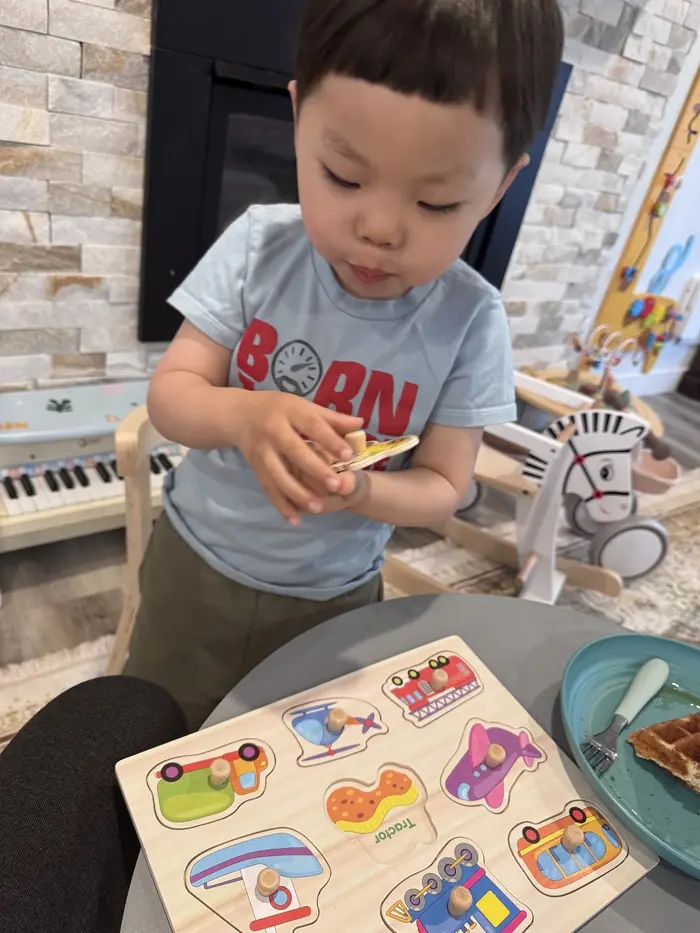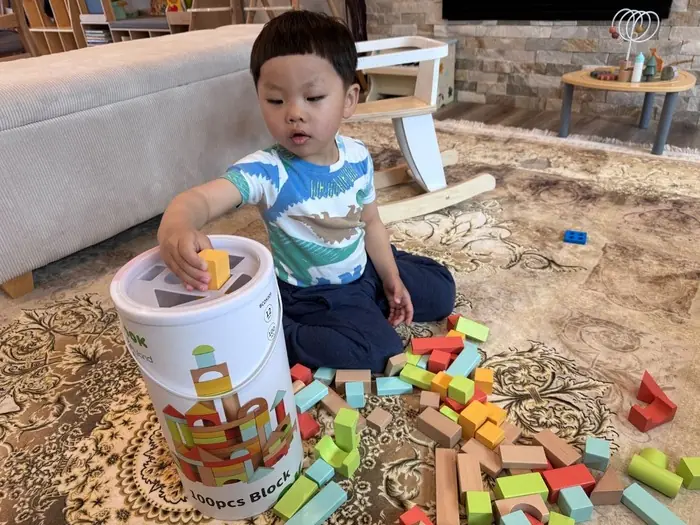


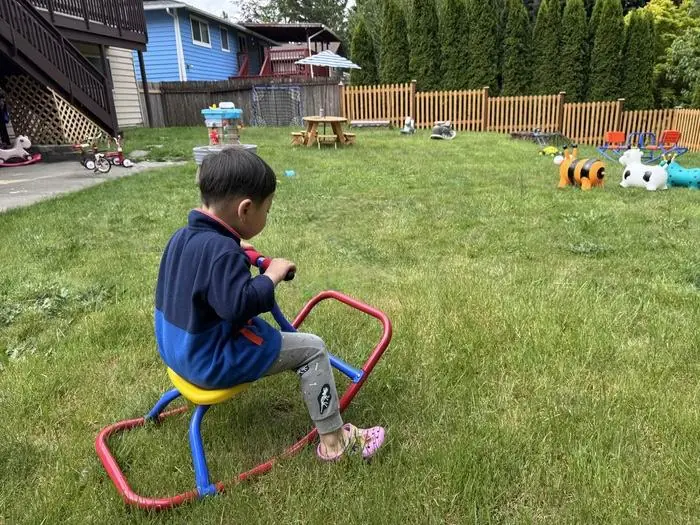
Outdoor play is more than just a break from indoor activities—it’s a cornerstone of healthy child development. For children in daycare, whether in a home daycare or a larger child care center, daily outdoor time fosters physical, cognitive, social, and emotional growth. This article explores the multifaceted benefits of outdoor play, provides practical strategies for integrating it into daily schedules, and offers insights into creating safe and stimulating outdoor environments for infants and toddlers.
The Importance of Outdoor Play for Young Children
In today’s fast-paced, tech-driven world, children spend less time outdoors, leading to more sedentary lifestyles and reduced exposure to nature. For children in daycare, where structured routines dominate, outdoor play offers a unique opportunity to explore, move freely, and connect with their environment. Research shows that regular outdoor time enhances physical health, boosts cognitive development, and supports emotional well-being. For infants and toddlers in child care or home daycare settings, these experiences are critical for laying the foundation for lifelong healthy habits. Outdoor play engages children’s senses, encourages curiosity, and provides a dynamic environment where they can learn through exploration. Unlike indoor settings, outdoor spaces allow for gross motor activities, risk-taking, and interaction with natural elements like grass, water, and sunlight. These experiences are particularly vital for young children, whose brains and bodies are rapidly developing.
Physical Benefits of Outdoor Play
Physical activity is essential for children’s growth, and outdoor play naturally promotes movement in ways that indoor environments often cannot. Here’s how daily outdoor time benefits children in daycare:
- Gross Motor Skill Development: Running, climbing, jumping, and balancing on outdoor equipment help children build strength, coordination, and agility. These activities are crucial for infants and toddlers as they develop foundational motor skills.
- Cardiovascular Health: Active play increases heart rate, supporting cardiovascular fitness and reducing the risk of childhood obesity. Studies indicate that children who engage in regular physical activity are less likely to face weight-related health issues later in life.
- Immune System Boost: Exposure to fresh air and sunlight enhances immune function. Sunlight, in particular, helps the body produce vitamin D, which supports bone development and overall health.
- Sensory Stimulation: Outdoor environments engage children’s senses of touch, sight, and smell, from feeling the texture of leaves to hearing birds chirping. This sensory input is critical for infants’ neurological development.
By incorporating outdoor play into daily routines, daycare providers can ensure children meet recommended physical activity levels—ideally 60 minutes of unstructured play and 30 minutes of structured activity for toddlers, as suggested by pediatric guidelines.
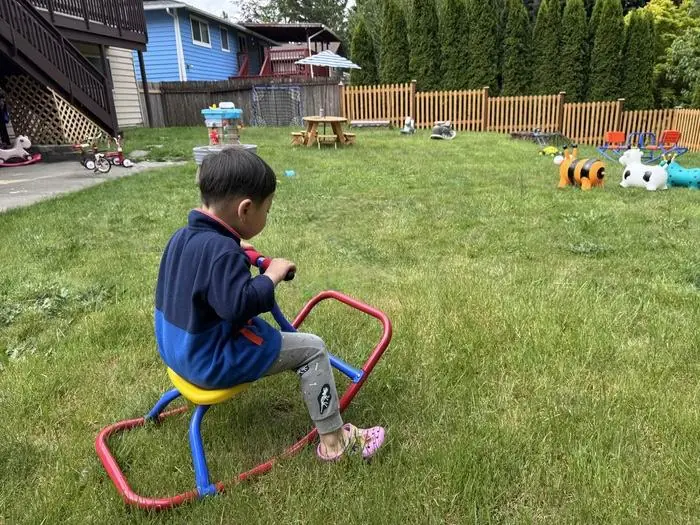
Cognitive and Emotional Growth Through Nature
Outdoor play isn’t just about physical activity; it also nurtures cognitive and emotional development. The natural world provides a rich, ever-changing classroom for young minds.
- Cognitive Development: Exploring outdoor spaces encourages problem-solving and critical thinking. For example, navigating a playground obstacle course or experimenting with sand and water teaches cause-and-effect relationships and spatial awareness.
- Creativity and Imagination: Unstructured outdoor play allows children to invent games, build structures with natural materials, or engage in pretend play, fostering creativity. A simple pile of leaves can become a castle, sparking imaginative storytelling.
- Emotional Well-Being: Time in nature reduces stress and promotes calmness. Studies show that children who play outdoors have lower cortisol levels, indicating reduced stress compared to indoor settings. This is especially important for infants and toddlers, who may feel anxious in new environments like daycare.
- Risk-Taking and Resilience: Outdoor play often involves calculated risks, such as climbing a low structure or balancing on a log. These experiences teach children to assess risks, build confidence, and recover from setbacks, fostering resilience.
By prioritizing outdoor time, daycare providers create opportunities for children to develop holistically, balancing intellectual growth with emotional stability.
Social Skills Development Outdoors
Outdoor play provides a unique setting for children to develop social skills through interaction and collaboration. In a daycare environment, where children are learning to navigate relationships, outdoor spaces encourage:
- Cooperation and Sharing: Group activities like building a sandcastle or playing tag require children to take turns, share resources, and work together, fostering teamwork.
- Empathy and Communication: Outdoor play often leads to spontaneous interactions, where children learn to read emotions, resolve conflicts, and communicate effectively. For example, comforting a friend who falls or negotiating rules for a game builds empathy.
- Independence and Confidence: The freedom of outdoor spaces allows children to make choices, such as deciding which activity to engage in, boosting their sense of autonomy and self-esteem.
For infants, outdoor play might involve simple interactions like watching older children or engaging in parallel play, which lays the groundwork for social development. In home daycare settings, where groups are smaller, outdoor time can be tailored to encourage one-on-one interactions, further enhancing social bonds.
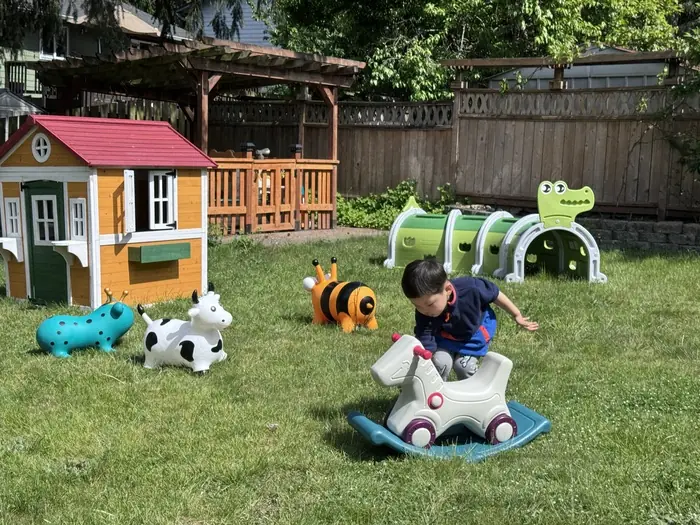
Creating a Safe and Engaging Outdoor Play Area
A well-designed outdoor play area is critical for maximizing the benefits of outdoor play. Whether in a home daycare or a larger child care center, consider these elements:
- Age-Appropriate Equipment: For infants, soft surfaces and low structures encourage safe exploration. Toddlers benefit from short slides, climbing steps, and sensory tables. Ensure equipment meets safety standards and is regularly inspected.
- Natural Elements: Incorporate logs, rocks, plants, or a small garden to stimulate curiosity and connect children with nature. These elements encourage sensory play and environmental awareness.
- Flexible Spaces: Create areas for both high-energy activities (e.g., running or climbing) and quieter play (e.g., digging in sand or reading under a tree). This accommodates different temperaments and developmental stages.
- Safety Measures: Use soft, impact-absorbing surfaces like rubber mats or mulch, and ensure active supervision to prevent injuries. Check weather conditions and dress children appropriately for outdoor play.
Even small outdoor spaces can be transformed with creative planning. For example, a home daycare might use portable equipment or take children to a nearby park to supplement limited space.
Incorporating Outdoor Play into Daily Schedules
Integrating outdoor play into a daycare’s daily routine requires intentional planning to ensure consistency and accessibility. Here are practical strategies:
- Dedicated Time Slots: Schedule at least 40–60 minutes of outdoor play daily, ideally split into two sessions (e.g., morning and afternoon) to accommodate nap times and weather variations.
- Flexible Transitions: Allow children to move between indoor and outdoor spaces with minimal disruption. For example, set up a covered outdoor area for rainy days.
- Age-Specific Activities: Tailor outdoor time to the developmental needs of infants and toddlers. Infants might enjoy tummy time on a blanket, while toddlers can engage in active games like chasing bubbles.
- Parent Communication: Inform parents about the importance of outdoor play and encourage them to send weather-appropriate clothing, such as hats or raincoats, to support daily outdoor time.
By embedding outdoor play into the schedule, daycare providers create a predictable routine that fosters children’s comfort and engagement.
Outdoor Play Ideas for Infants and Toddlers
Here are engaging, age-appropriate outdoor activities to inspire daycare providers:
- Infants (0–18 months):
- Tummy Time on Grass: Place a soft blanket outdoors for infants to explore textures like grass or leaves.
- Sensory Bottles: Fill clear bottles with natural items like pebbles or flowers for infants to observe.
- Nature Observation: Point out birds, clouds, or trees to stimulate visual and auditory senses.
- Toddlers (18 months–3 years):
- Nature Scavenger Hunt: Encourage toddlers to find items like a smooth rock or a red leaf, promoting exploration and vocabulary development.
- Water Play: Set up a shallow basin for splashing or floating toys, enhancing sensory and motor skills.
- Obstacle Course: Create a simple course with cones, hula hoops, or low steps to encourage climbing and balancing.
These activities are low-cost, easy to implement, and adaptable for both home daycare and larger child care settings.
Overcoming Common Barriers to Outdoor Play
Despite its benefits, outdoor play can face challenges. Here’s how daycare providers can address them:
- Limited Space: Use portable equipment or local parks to create outdoor experiences in small or urban settings.
- Weather Concerns: Equip children with appropriate clothing and use covered areas for light rain or extreme heat. Check air quality and adjust outdoor time as needed.
- Safety Worries: Implement active supervision, maintain equipment, and teach children safety rules to minimize risks.
- Time Constraints: Prioritize outdoor play by integrating it into the curriculum, treating it as an essential learning component rather than an optional recess.
By proactively addressing these barriers, daycare providers can ensure outdoor play remains a daily priority.
About KidoHeaven
At KidoHeaven, we believe every child deserves a joyful, nurturing environment to learn, grow, and explore. Our mission is to support daycare providers and parents with resources, ideas, and inspiration to create enriching experiences for infants and toddlers. Whether you run a home daycare Bothell or a child care Bothell center, KidoHeaven offers tools to enhance your programs, from outdoor play ideas to developmental activities that spark curiosity. Visit KidoHeaven.com to discover how we can help you create a heaven for little learners.
Why KidoHeaven Stands Out
✅ Licensed in Washington State
✅ Aligned with Early Achievers standards
✅ Working Connections subsidy accepted
✅ Daily updates via Brightwheel
✅ Located in Bothell, serving Mill Creek, Lynnwood & nearby areas
✅ Nutritious snacks, safe outdoor space, & positive mealtime routines
📞 Call 206-734-2040 to schedule a tour
🌐 Enroll now
Follow Our Mealtime Moments
Stay updated with more beautiful outdoor meals and daily learning routines on:
Instagram | Facebook | Nextdoor | Yelp | Winnie | YouTube | Upwards
FAQ
Q: When should my child start daycare?
Kids as young as 6 months can start daycare, with activities designed just for their age.
How does daycare help my child’s emotions?
Teachers help kids learn to express feelings and feel confident in a caring environment.
Is daycare safe for young kids?
Yes, good daycares like Kidoheaven have trained staff and safe spaces for kids to play and learn.
How do I pick the right daycare in Bothell?
Choose a daycare with kind teachers, fun activities, and a focus on your child’s growth, like Kidoheaven.
Does daycare teach school skills?
Yes, kids learn early reading, math, and problem-solving through fun games and activities.
Visit Kido Heaven Child Care
A licensed home daycare for infants to pre-K, serving Bothell and Mill Creek. Call or text (206) 734-2040 or book a tour.
Book a Tour