

Repetition is one of the most powerful mechanisms in early childhood learning. Far beyond simple practice, repetition plays a critical role in shaping the brain’s architecture, strengthening neural connections, and supporting long-term mastery.
In early childhood environments, children learn not through one-time exposure but through repeated experiences that reinforce understanding and build confidence. When used intentionally, repetition helps children internalize skills, regulate emotions, and develop a strong foundation for lifelong learning.
What Is Repetition in Early Childhood Learning?
Repetition refers to the consistent exposure to similar experiences, patterns, or information over time. In early childhood, repetition is not about memorization—it is about reinforcing neural pathways through experience.
Children naturally seek repetition because it helps them:
- Understand how things work
- Build familiarity with their environment
- Gain confidence in their abilities
This process is essential for both cognitive and emotional development.
The Neuroscience Behind Repetition and Brain Development
During early childhood, the brain forms millions of neural connections every second. These connections are strengthened through repeated activation.
Key neurological principles include:
- Synaptic strengthening: Repeated experiences reinforce neural pathways
- Neuroplasticity: The brain adapts and reorganizes based on repeated input
- Myelination: Practice improves the speed and efficiency of neural communication
Without repetition, many of these connections weaken or disappear. With repetition, they become stronger and more permanent.
How Repetition Strengthens Neural Connections
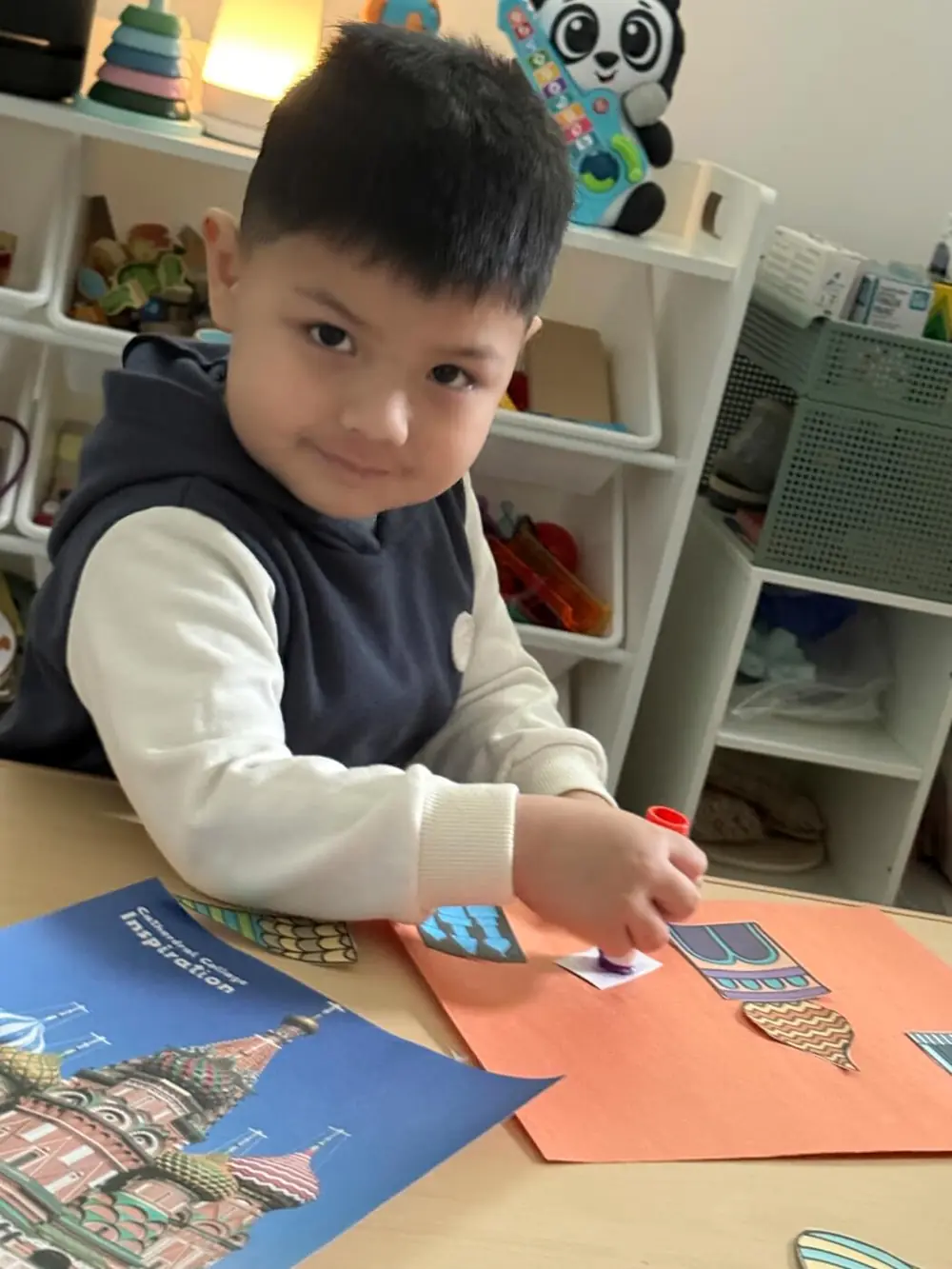
Every time a child repeats an action or experience, the brain processes that information more efficiently.
This leads to:
- Faster learning
- Improved memory retention
- Increased confidence in performing tasks
For example, when a child repeats a simple activity multiple times, the brain gradually reduces the effort required, allowing the child to focus on more complex aspects of learning.
Repetition and Mastery Through Practice
Mastery is not achieved through exposure alone—it requires repetition over time. In early childhood, mastery means:
- Understanding concepts deeply
- Performing tasks independently
- Applying knowledge in new situations
Repetition allows children to move from:
- Exploration
- Familiarity
- Confidence
- Mastery
This progression is essential for building lifelong learning skills.
The Role of Repetition in Emotional and Cognitive Development
Repetition supports more than just learning—it also plays a key role in emotional stability.
Cognitive Benefits
- Strengthens memory
- Improves focus
- Enhances problem-solving skills
Emotional Benefits
- Builds confidence
- Reduces uncertainty
- Supports emotional regulation
When children encounter familiar experiences repeatedly, they feel more secure and capable.
Repetition vs. Routine vs. Transitions (Key Differences)
To avoid confusion—and prevent content overlap—it’s important to distinguish these concepts:
- Repetition: Strengthens learning through repeated exposure
- Routines: Provide structure and predictability throughout the day
- Transitions: Manage movement between activities
👉 Repetition focuses on learning and brain development, not daily structure or activity changes.
How Repetition Reduces Anxiety and Builds Confidence
Repetition creates familiarity, and familiarity reduces fear. When children know what to expect:
- Anxiety decreases
- Participation increases
- Emotional resilience improves
Repeated experiences give children a sense of control, which is essential for emotional well-being.
The Role of Caregivers in Supporting Repetition
Caregivers play a crucial role in ensuring that repetition is meaningful and effective.
They support repetition by:
- Providing consistent learning experiences
- Encouraging practice without pressure
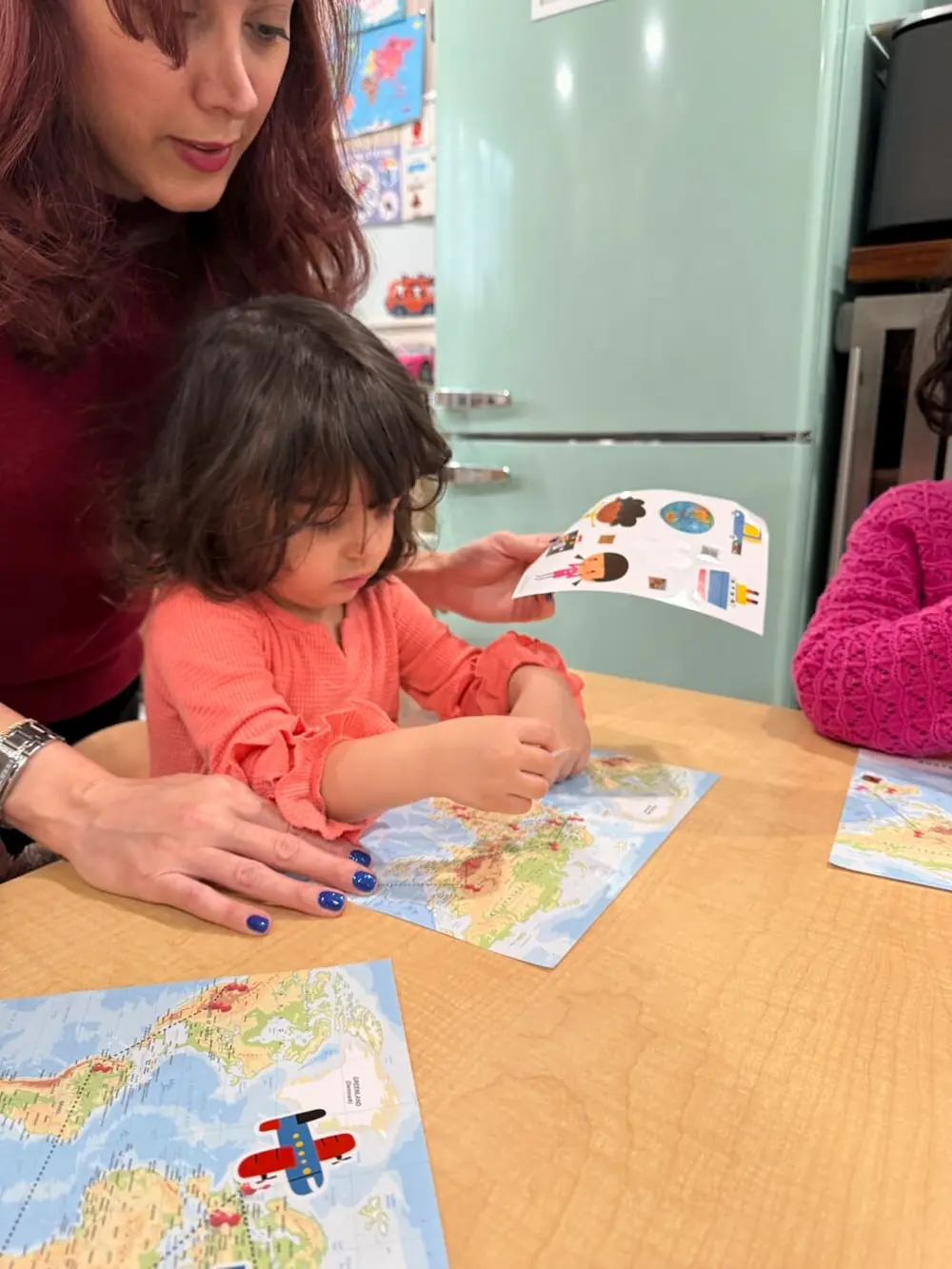
- Allowing children to revisit activities naturally
- Reinforcing learning through positive feedback
In a daycare for infants and toddlers in Bothell, structured repetition is integrated into daily learning to support both brain development and emotional growth.
WAC Guidelines and Consistent Learning Environments
Washington Administrative Code (WAC) emphasizes:
- Developmentally appropriate practices
- Consistent learning environments
- Support for individual learning pace
Repetition aligns with these guidelines by allowing children to learn at their own speed while ensuring consistent exposure to key concepts.
Common Misconceptions About Repetition
“Repetition is boring.”
In reality, children often seek repetition because it builds confidence and understanding.
“Children learn best from new experiences only.”
While novelty is important, learning is reinforced through repetition.
“Too much repetition limits creativity.”
On the contrary, mastery through repetition allows children to explore creativity more freely.
How Parents Can Support Repetition at Home
Parents can reinforce learning by:
- Allowing children to repeat activities
- Maintaining consistent daily habits
- Encouraging practice without forcing it
- Providing a stable and predictable environment
Simple repeated interactions can have a lasting impact on development.
Choosing a Learning Environment That Supports Repetition
A high-quality childcare environment should:
- Encourage repeated learning experiences
- Support individual pacing
- Provide consistent caregiver interaction
- Align with developmental best practices
A trusted childcare center in Bothell will understand the importance of repetition and integrate it naturally into daily learning.
You can also learn more about our daycare programs to see how repetition supports early childhood development in a structured environment.
Conclusion
Repetition is a fundamental building block of early childhood learning. It strengthens neural connections, supports mastery, and fosters emotional confidence.
By providing consistent and repeated experiences, caregivers and parents help children build a strong foundation for future learning. When combined with supportive environments and evidence-based practices, repetition becomes a powerful tool for both cognitive and emotional development.
At Kido Heaven daycare, repetition is thoughtfully integrated into daily learning to help children grow with confidence, stability, and a strong sense of capability.
Why KidoHeaven Stands Out
✅ Licensed in Washington State
✅ Aligned with Early Achievers standards
✅ Working Connections subsidy accepted
✅ Daily updates via Brightwheel
✅ Located in Bothell, serving Mill Creek, Lynnwood & nearby areas
✅ Nutritious snacks, safe outdoor space, & positive mealtime routines
📞 Call 206-734-2040 to schedule a tour
🌐 Enroll now
Follow Our Mealtime Moments
Stay updated with more beautiful outdoor meals and daily learning routines on:
Instagram | Facebook | Nextdoor | Yelp | Winnie | YouTube | Upwards
FAQ
1. Why do children repeat the same activities?
Repetition helps strengthen neural connections and build confidence.
2. How does repetition affect brain development?
It reinforces neural pathways, making learning faster and more efficient.
3. Can too much repetition be harmful?
Not when it is child-led and balanced with new experiences.
4. How is repetition different from routine?
Repetition supports learning, while routines provide daily structure.
5. What role do caregivers play in repetition?
They create consistent opportunities for children to practice and reinforce learning.
Visit Kido Heaven Child Care
A licensed home daycare for infants to pre-K, serving Bothell and Mill Creek. Call or text (206) 734-2040 or book a tour.
Book a Tour