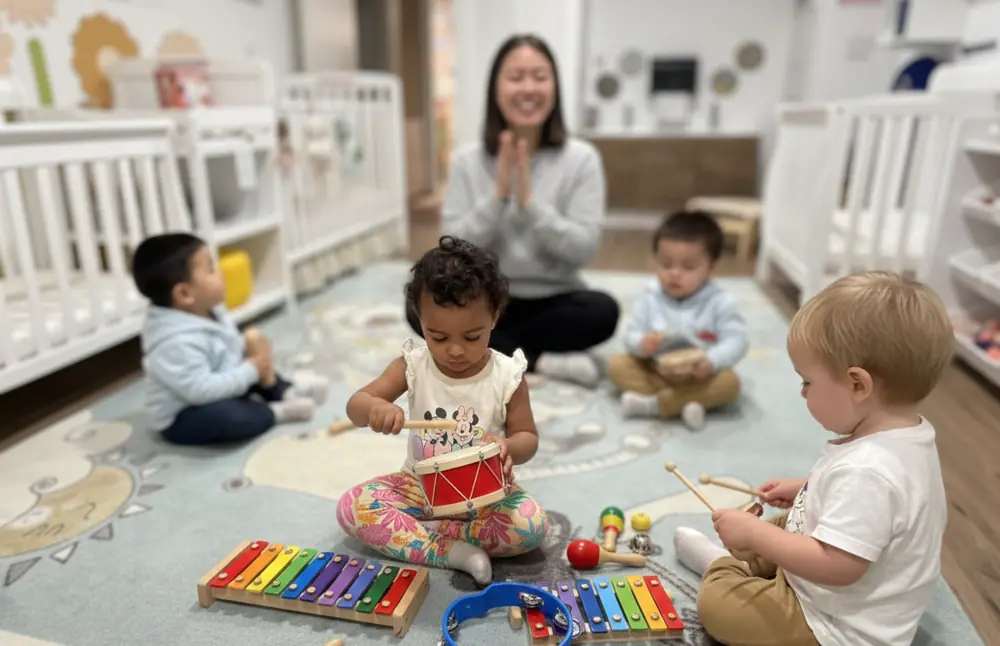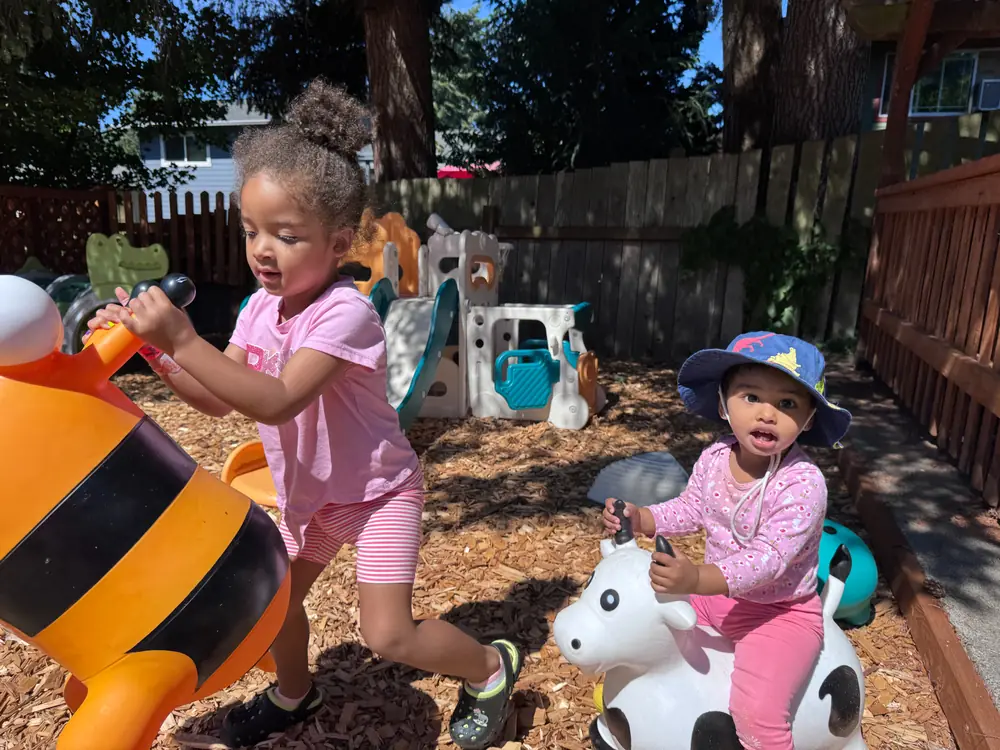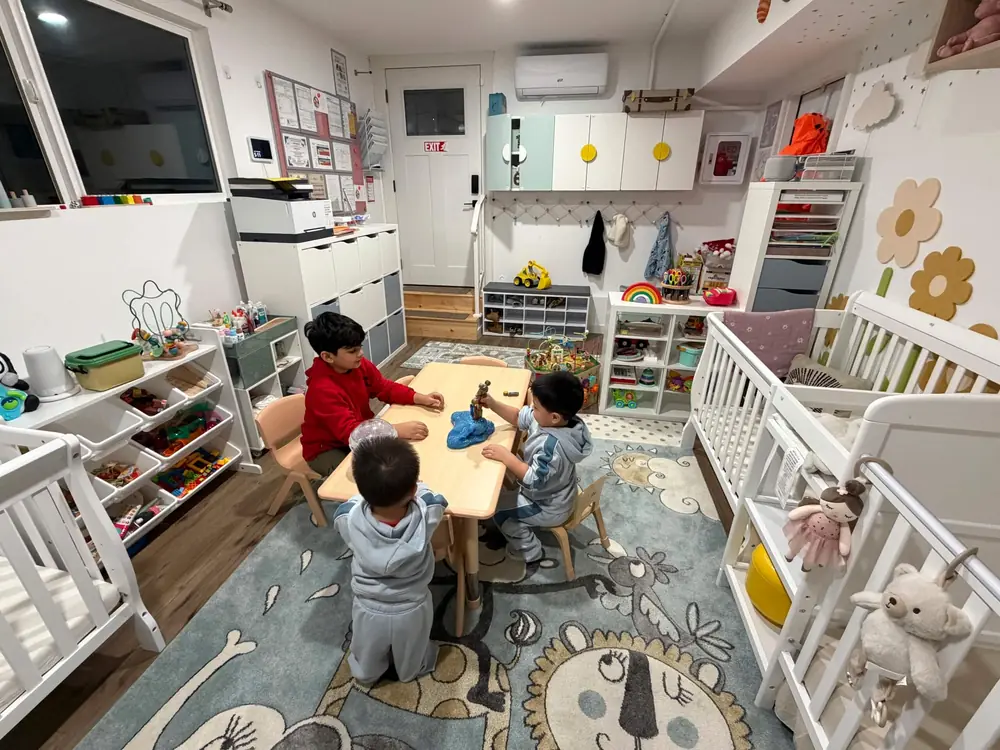


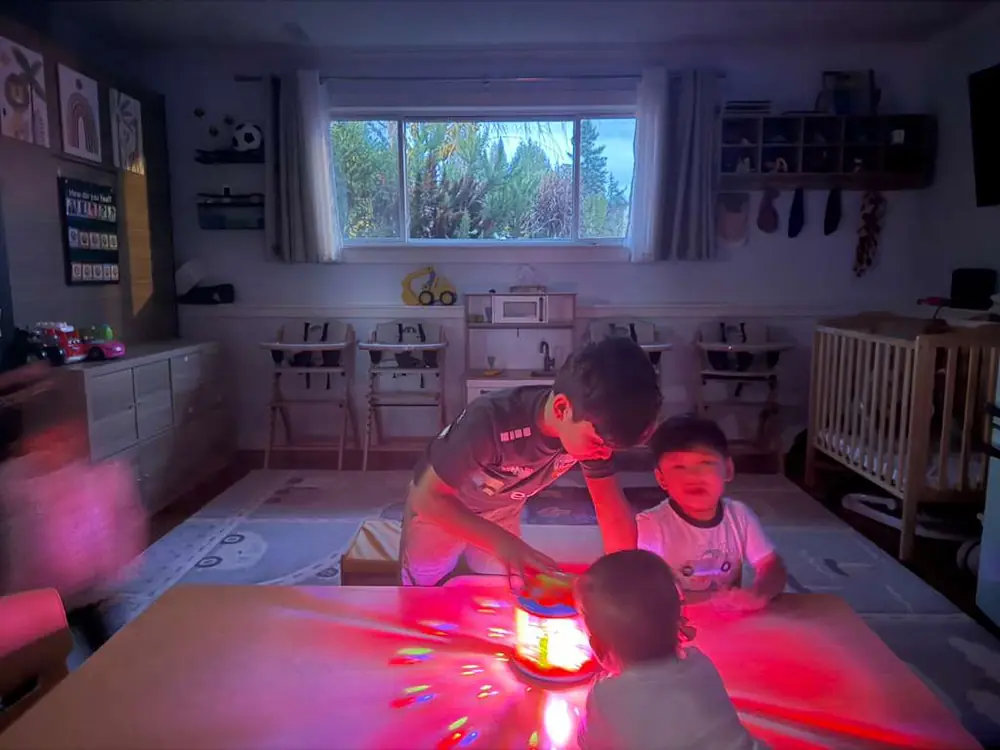
If you are looking for a daycare for children with different developmental stages, Kido Heaven Childcare in Bothell provides a safe and nurturing environment for infants, toddlers, and preschoolers. Our caregivers are experienced in managing mixed-age classrooms and adapt daily activities based on each child’s developmental needs, ensuring every child receives the right level of care, attention, and learning support.
Managing children of different ages in the same daycare classroom can quickly become overwhelming. At Kido Heaven Childcare in Bothell, caregivers successfully support children at different developmental stages by balancing the unique needs of infants, toddlers, and preschoolers throughout the day. Each age group requires different levels of care, stimulation, and independence. With the right approach, a single activity can be adapted to support every child’s developmental level while ensuring safety, engagement, and learning.
How Daycare Supports Children at Different Developmental Stages
A well-structured daycare for children with different developmental stages is designed to meet each child exactly where they are. Instead of using a one-size-fits-all approach, caregivers adjust activities, expectations, and support based on developmental milestones.
Infants need sensory-rich, safe experiences and strong emotional bonding. Toddlers require movement, repetition, and guided independence. Preschoolers, on the other hand, benefit from structured play, problem-solving, and early learning activities.
This flexible approach not only supports individual growth but also encourages peer learning, where younger children observe older ones and older children develop leadership and empathy skills.
Understanding Developmental Milestones
Infants (0–12 Months)
Infants learn primarily through sensory exploration and attachment-based interactions. Their activities should focus on:
- Tummy time and gross motor strengthening
- High-contrast visuals
- Soft textures and safe mouthing materials
- Responsive communication
Guidelines from ZERO TO THREE emphasize that consistent caregiver interaction builds neural pathways critical for future learning.
Toddlers (1–3 Years)
Toddlers demonstrate rapid growth in:
- Language development
- Emotional independence
- Fine and gross motor coordination
Toddler developmental activities should encourage movement, repetition, and choice. They benefit from hands-on exploration and short, structured experiences.
Preschoolers (3–5 Years)
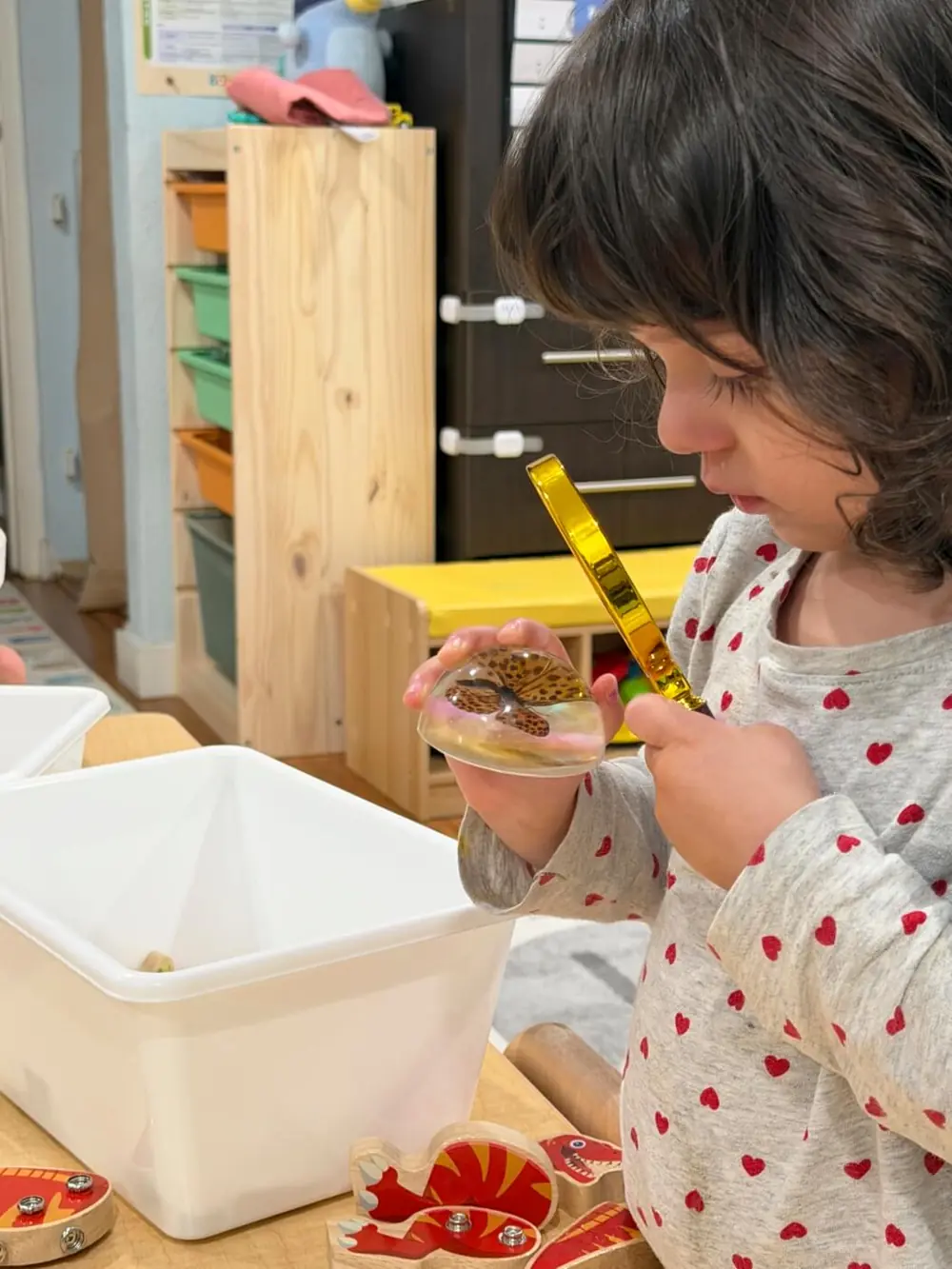
Preschoolers engage in symbolic thinking, structured play, and early literacy. They are ready for:
- Cooperative games
- Problem-solving challenges
- Guided art projects
- Pre-academic skill development
According to the National Association for the Education of Young Children, play-based instruction remains the most developmentally appropriate approach for this stage.
Core Principles of Activity Adaptation
To successfully implement preschooler adaptation and inclusive practices, educators should apply:
1. Scaffolding
Provide graduated support based on the child’s ability.
2. Universal Design for Learning (UDL)
Offer multiple ways to engage with the same activity.
3. Observation-Based Planning
Adapt based on ongoing assessment, not assumptions.
4. Safety First
Ensure materials are age-appropriate and compliant with state licensing regulations.
Is Daycare Suitable for Children at Different Developmental Stages?
Yes—when managed correctly, mixed-age daycare environments can be highly beneficial. Children learn at their own pace while being exposed to a range of developmental behaviors.
Younger children gain stimulation and social exposure, while older children build confidence by helping and interacting with younger peers. The key is proper supervision, age-appropriate materials, and intentional activity design.
Adapting Sensory Play Across Developmental Stages
Sensory play is foundational in early childhood learning, but its complexity must vary.
Infants:
- Sealed sensory bottles
- Fabric swatches
- Water mats
Toddlers:
- Sand bins with large scoops
- Simple water pouring stations
Preschoolers:
- Themed sensory tables
- Measuring tools and descriptive vocabulary prompts
By offering tiered materials within the same setup, providers promote daycare flexibility while maintaining engagement for all ages.
Modifying Arts and Crafts for Mixed-Age Groups
Crafts should never be “one size fits all.”
Infants:
- Edible finger paint
- Large, supervised grip tools
Toddlers:
- Sponge painting
- Sticker collages
Preschoolers:
- Guided cutting activities
- Multi-step art projects
The key is adjusting expectations. For younger children, the goal is sensory experience; for older children, it is skill refinement and creativity.
Gross Motor and Outdoor Activity Adjustments
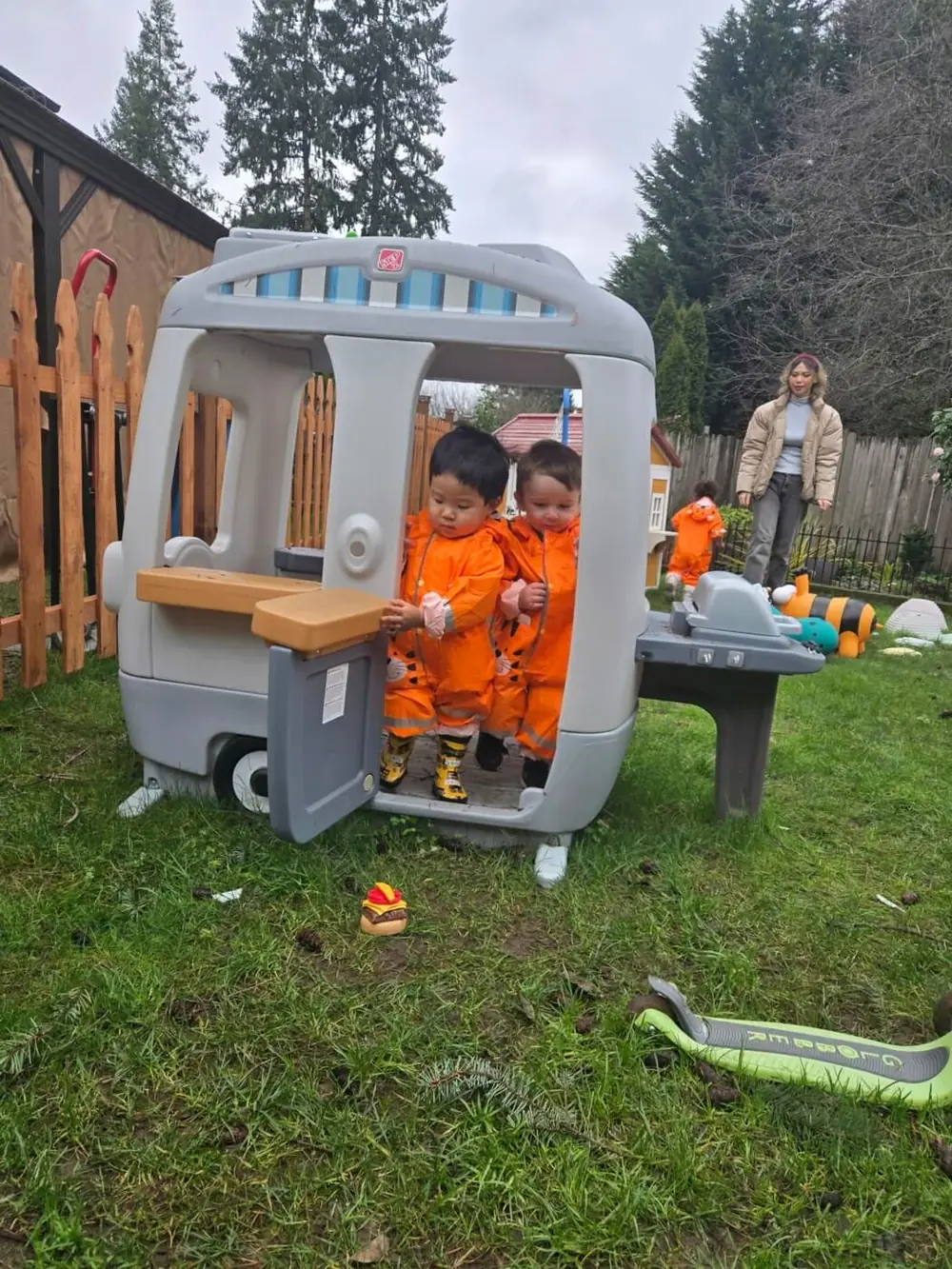
Outdoor time supports physical development and self-regulation.
Infants:
- Soft climbing mats
- Rolling balls
Toddlers:
- Push toys
- Short obstacle paths
Preschoolers:
- Cooperative games
- Balance challenges
High-quality programs follow health and safety recommendations from the Washington State Department of Children, Youth & Families to ensure supervision and safe equipment use.
Language and Social Play Adaptation Strategies
Mixed-age groups naturally foster communication growth.
Storytime Adaptation Example:
- Infants: Board books and song repetition
- Toddlers: Simple Q&A and picture identification
- Preschoolers: Prediction questions and story retelling
This layered approach supports toddler developmental activities while challenging preschoolers cognitively.
Flexible Routines in Mixed-Age Childcare
Routine consistency provides emotional security, but activities within routines must remain adaptable.
Effective mixed-age scheduling includes:
- Staggered activity stations
- Small-group instruction
- Quiet corners for infants
- Leadership roles for preschoolers
Families searching for high-quality daycare Bothell or reliable child care Bothell services often prioritize programs that demonstrate this level of intentional structure and flexibility.
Flexible routines are essential in any daycare for children with different developmental stages, as they allow caregivers to adjust timing, structure, and expectations based on each child’s needs.
Washington State WAC Compliance and Safety Standards
Licensed childcare programs in Washington must comply with the Washington Administrative Code (WAC), specifically WAC 110-300 for early learning centers.
Key requirements include:
- Age-appropriate materials
- Safe sleep practices for infants
- Staff-to-child ratio compliance
- Supervision during mixed-age activities
Adhering to WAC not only ensures legal compliance but also protects developmental integrity and child well-being.
Observation, Assessment, and Continuous Improvement
Ongoing documentation strengthens instructional quality. Strategies include:
- Anecdotal records
- Developmental checklists
- Parent communication logs
- Reflective lesson planning
The Harvard Center on the Developing Child emphasizes that responsive caregiving and reflective practice significantly improve long-term developmental outcomes.
Conclusion: Delivering Developmentally Responsive Childcare
Adapting childcare activities for different developmental stages requires intentional planning, observation, and flexibility. By scaffolding experiences, aligning with developmental milestones, and complying with Washington State WAC standards, mixed-age environments can thrive.
At Kido Heaven, we specialize in providing a structured and flexible daycare for children with different developmental stages, ensuring that every child—from infants to preschoolers—receives personalized care and attention.
Families looking for trusted daycare Bothell or reliable child care Bothell services can explore our programs here:
Through thoughtful adaptation and evidence-based practice, we create spaces where every child grows with confidence, curiosity, and care. 🌿
Why KidoHeaven Stands Out
✅ Licensed in Washington State
✅ Aligned with Early Achievers standards
✅ Working Connections subsidy accepted
✅ Daily updates via Brightwheel
✅ Located in Bothell, serving Mill Creek, Lynnwood & nearby areas
✅ Nutritious snacks, safe outdoor space, & positive mealtime routines
📞 Call 206-734-2040 to schedule a tour
🌐 Enroll now
Follow Our Mealtime Moments
Stay updated with more beautiful outdoor meals and daily learning routines on:
Instagram | Facebook | Nextdoor | Yelp | Winnie | YouTube | Upwards
FAQ
1. How do you adapt one activity for multiple age groups?
Design tiered levels of participation. Adjust tools, expectations, and adult support.
2. Is mixed-age childcare beneficial?
Yes. It promotes peer learning, empathy, and leadership when properly structured.
3. How do you ensure safety in mixed-age settings?
Follow WAC guidelines, supervise closely, and separate materials by choking-hazard risk.
4. Can infants safely participate in group crafts?
Yes, with edible or large materials and direct supervision.
5. How often should activities be modified?
Weekly planning with daily observational adjustments is recommended.
6. What is a daycare for children with different developmental stages?
It is a childcare setting where infants, toddlers, and preschoolers are cared for together, with activities adapted to meet each child’s developmental level safely and effectively.
Visit Kido Heaven Child Care
A licensed home daycare for infants to pre-K, serving Bothell and Mill Creek. Call or text (206) 734-2040 or book a tour.
Book a Tour