Why Tracking Developmental Milestones Matters: A Guide for Parents

Tracking developmental milestones helps parents ensure their child is growing and learning on track. From first smiles to first words, these milestones reveal key insights into your child’s development. Tools like the CDC Milestone Tracker App make it easy to monitor progress and act early if needed. For a deeper understanding of why this matters and how daycare supports your child, read on.

What Are Developmental Milestones?

Developmental milestones are specific skills or behaviors most children achieve by a certain age. These milestones serve as checkpoints for tracking a child’s growth in areas like physical movement, communication, cognitive skills, and social-emotional development. For parents seeking quality daycare in Bothell or child care in Bothell, understanding these milestones helps ensure their child is thriving in a nurturing environment.

Key Areas of Development

Milestones cover four primary domains:

  • Physical: Gross motor skills (e.g., walking, crawling) and fine motor skills (e.g., grasping objects).
  • Cognitive: Problem-solving, memory, and learning abilities.
  • Communication: Speech, language, and nonverbal cues like gestures.
  • Social-Emotional: Interacting with others, expressing emotions, and building relationships.

Examples of Milestones by Age

Here’s a snapshot of typical milestones:

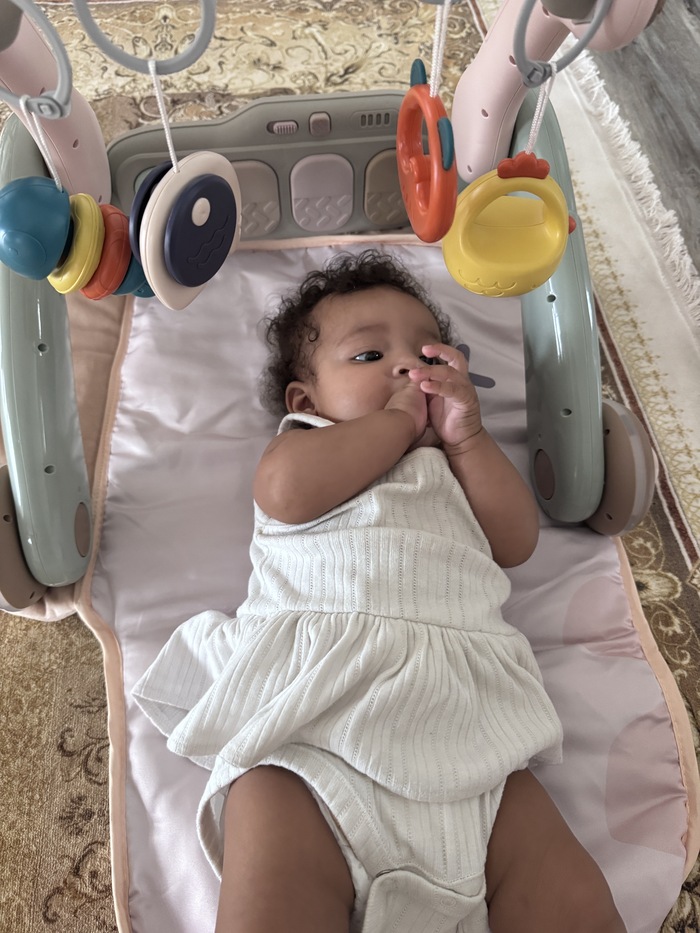
  • 2 Months: Smiling at familiar faces, following objects with eyes.
  • 12 Months: Standing with support, saying simple words like “mama.”
  • 18 Months: Engaging in pretend play, walking independently.
  • 3 Years: Speaking in short sentences, climbing stairs with support.
  • 5 Years: Drawing simple shapes, engaging in cooperative play.

Every child develops at their own pace, but these benchmarks help parents gauge progress. For a full list, check the CDC’s Milestones Checklists.
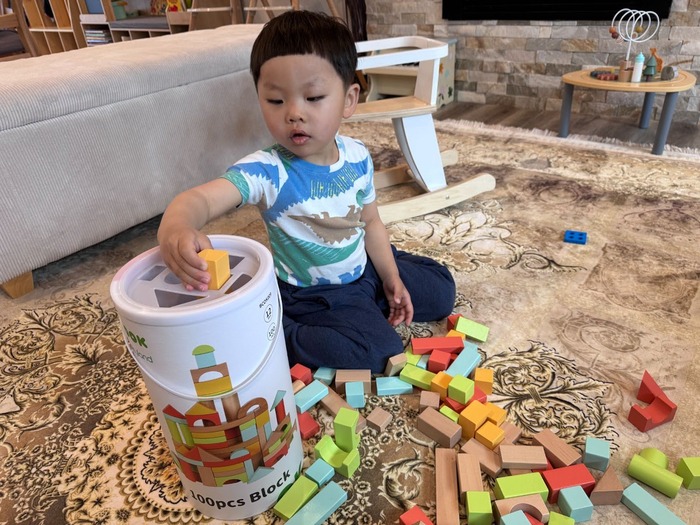
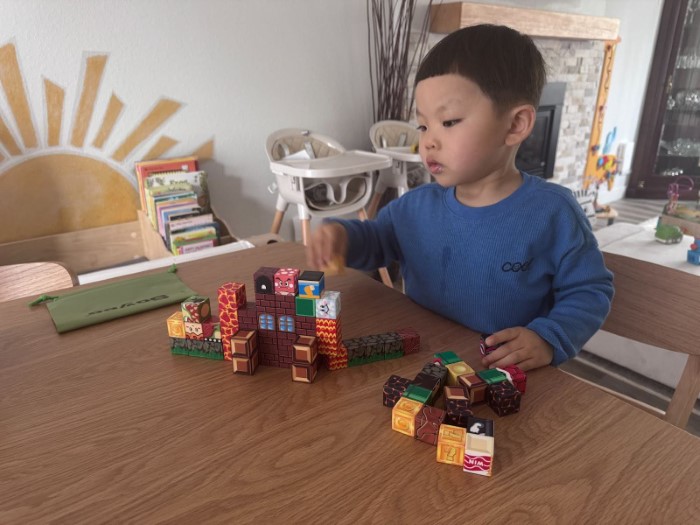
A toddler stacking blocks, representing early developmental milestones in fine motor skills.

Why Tracking Milestones Is Critical for Parents

Monitoring developmental milestones empowers parents to support their child’s growth effectively. Here’s why it matters:

Early Detection of Developmental Delays

Developmental delays affect about 1 in 6 children in the U.S., according to the CDC. Tracking milestones helps identify potential concerns early, such as delays in speech or motor skills. Early detection allows parents to seek professional guidance before small issues become bigger challenges.

Benefits of Early Intervention

Research consistently shows that early intervention improves outcomes for children with developmental delays. Programs tailored to a child’s needs—such as speech therapy or occupational therapy—can enhance skills, boost confidence, and prepare children for school success. The earlier support begins, the better the long-term results.

Strengthening Parent-Caregiver Collaboration

In settings like infant care or home day care, teachers observe children daily and can share valuable insights with parents. Tracking milestones fosters open communication, ensuring families and caregivers work together to support a child’s growth.

Reassurance for Parents

Not every child hits every milestone at the exact same time. Tracking provides peace of mind by showing whether your child is on track or simply developing at their own pace. It also guides parents on when to seek help if concerns arise.

Tools for Tracking Milestones

Parents have access to user-friendly tools to monitor their child’s development. These resources make tracking milestones engaging and accessible.

The CDC Milestone Tracker App

The CDC’s Milestone Tracker App is a free, evidence-based tool designed for children ages 2 months to 5 years. Available in English and Spanish for iOS and Android, it offers:

  • Age-specific milestone checklists.
  • Tips and activities to encourage development.
  • A digital journal to save photos and notes.
  • Reminders for well-child visits and screenings.

Parents can download it from the CDC’s Milestone Tracker page.

Other Helpful Resources

In addition to the app, parents can explore:

  • Printable Checklists: The CDC’s Learn the Signs. Act Early. program offers downloadable milestone charts.
  • Parenting Books: Look for evidence-based guides on child development.
  • Pediatrician Consultations: Regular checkups provide professional insights into your child’s progress.
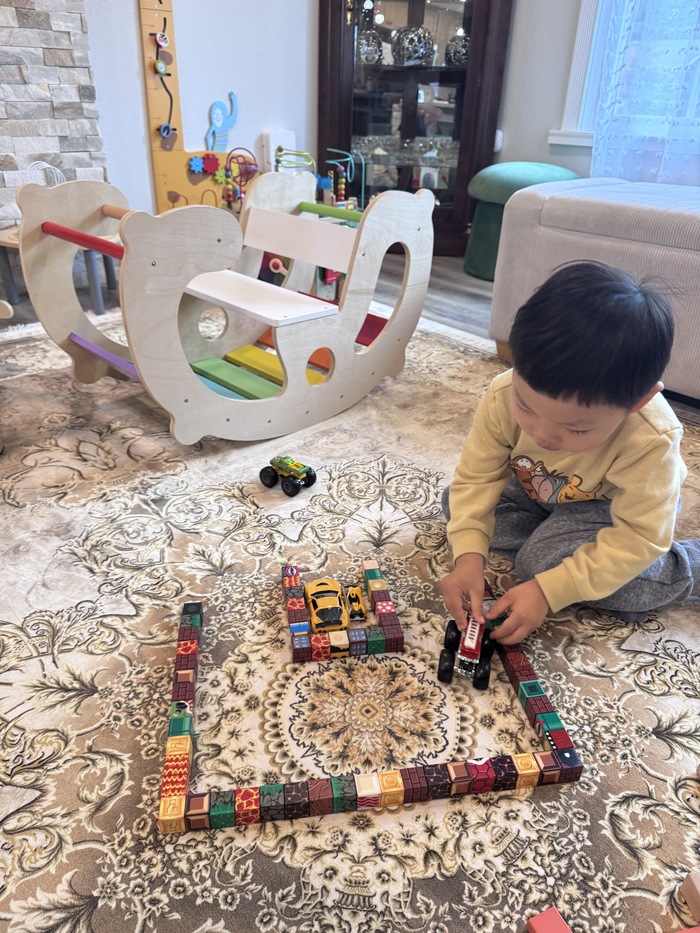
A daycare teacher engaging with children in a group activity to support developmental milestones.

How Daycare Supports Milestone Tracking

High-quality daycare and child care programs play a vital role in monitoring and supporting developmental milestones. Here’s how:

Observation in Everyday Activities

In infant care and preschool settings, trained caregivers observe children during play, meals, and group activities. These observations help identify whether a child is meeting milestones, such as sharing toys or following simple instructions.

Partnering with Parents

Caregivers share regular updates with parents through conferences, progress reports, or informal chats. This collaboration ensures everyone is aligned on a child’s needs and progress.

Connecting to Early Intervention Services

If a caregiver notices a potential delay, they can guide parents to resources like local early intervention programs or the CDC’s tools. This proactive approach ensures children get the support they need promptly.

Practical Tips for Parents

Parents can take an active role in tracking and supporting their child’s development with these practical strategies:

Use the Milestone Tracker App

Download the CDC Milestone Tracker App and check off milestones as your child achieves them. Set reminders for regular updates and share results with your pediatrician.

Engage in Purposeful Play

Activities like reading, singing, or building with blocks promote cognitive, motor, and social skills. For example:

  • Infants: Use rattles to encourage grasping.
  • Toddlers: Play pretend to boost imagination.
  • Preschoolers: Draw shapes to develop fine motor skills.

Communicate with Caregivers and Doctors

Share observations with your child’s home day care provider or pediatrician. Regular communication ensures everyone is informed and can address concerns quickly.

Trust Your Instincts

You know your child best. If something feels off—such as delayed speech or difficulty socializing—don’t hesitate to consult a professional. Early action can make a big difference.

About Kido Heaven Child Care

At Kido Heaven Child Care in Bothell, we are passionate about nurturing every child’s growth in a warm, supportive environment. Our experienced team integrates milestone tracking into daily activities, ensuring your child thrives in daycare in Bothell and child care in Bothell. We partner with families to celebrate each milestone and provide resources for early intervention when needed. Learn more about our programs at kidoheaven.com and contact us to discover how we can support your child’s unique journey.

Why KidoHeaven Stands Out

✅ Licensed in Washington State
✅ Aligned with Early Achievers standards
✅ Working Connections subsidy accepted
✅ Daily updates via Brightwheel
✅ Located in Bothell, serving Mill Creek, Lynnwood & nearby areas
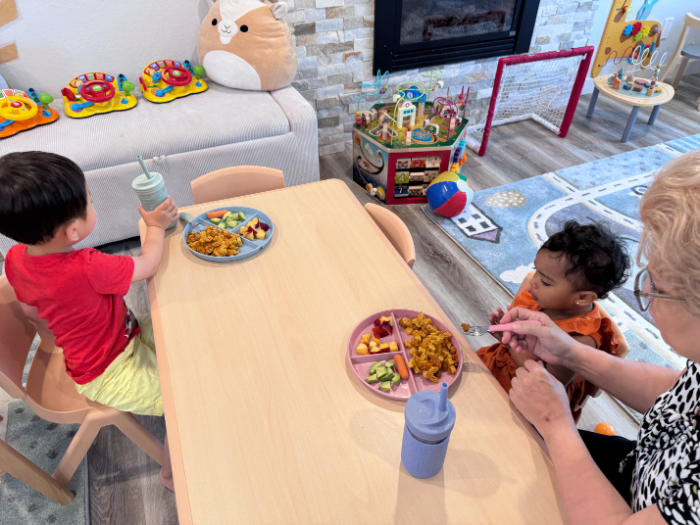
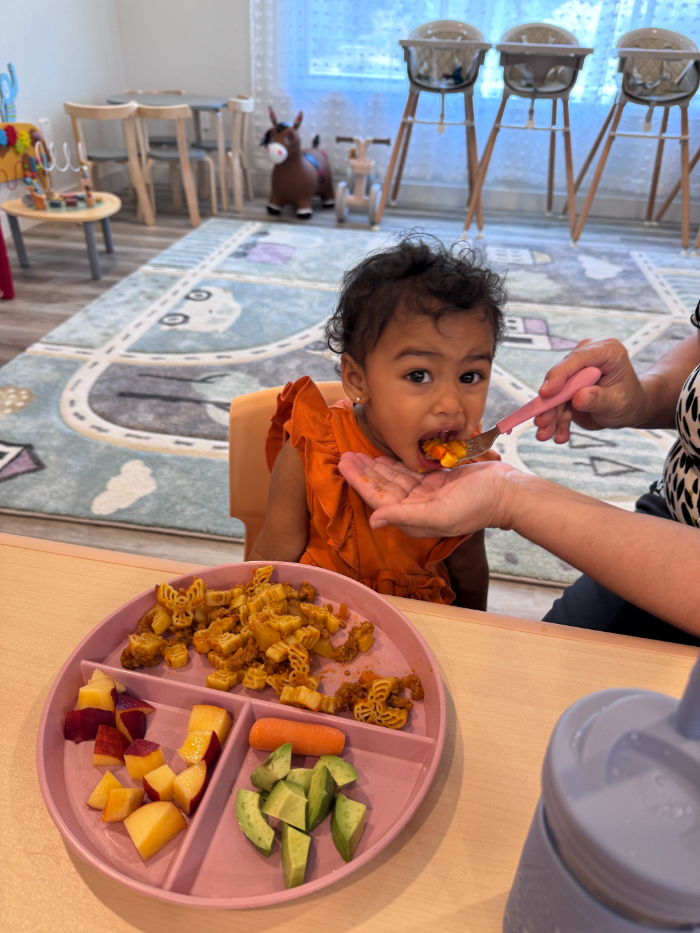
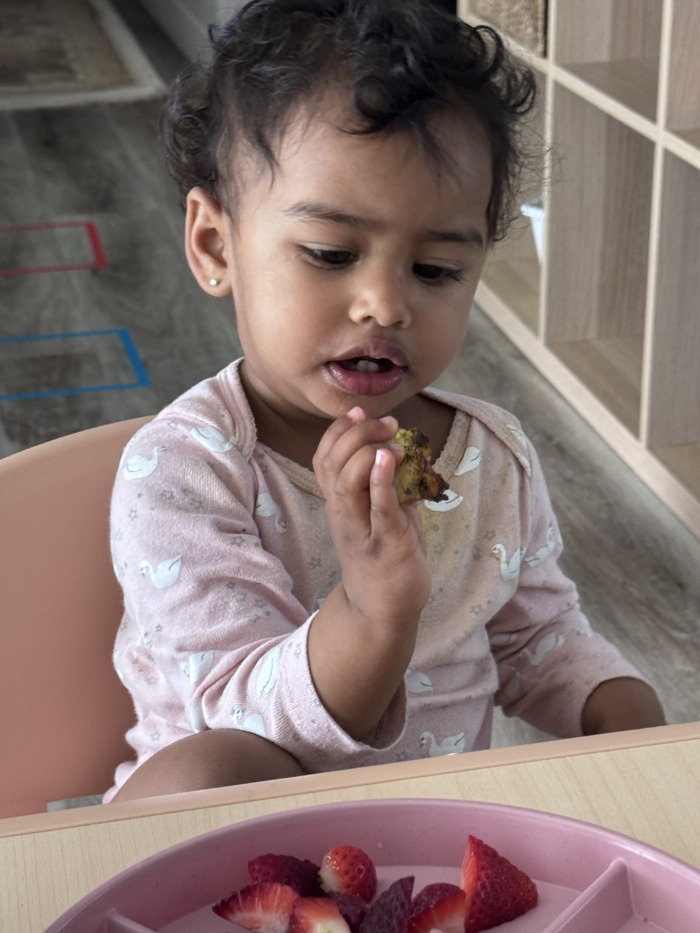
✅ Nutritious snacks, safe outdoor space, & positive mealtime routines

📞 Call 206-734-2040 to schedule a tour
🌐 Enroll now

Follow Our Mealtime Moments

Stay updated with more beautiful outdoor meals and daily learning routines on:

Instagram | Facebook | Nextdoor | Yelp | Winnie | YouTube | Upwards

FAQ

1. What should I do if my child misses a milestone?

Don’t panic—children develop at different rates. Consult your pediatrician or use the CDC Milestone Tracker App to assess progress. They can recommend next steps, such as a developmental screening.

2. How often should I track my child’s milestones?

Check milestones every few months, especially during well-child visits (e.g., at 6, 12, 18, and 24 months). The CDC app sends reminders to keep you on track.

3. Can daycare help with developmental delays?

Yes, quality daycare programs observe children closely and can identify areas where extra support is needed. They also provide structured activities to promote growth.

4. Is the CDC Milestone Tracker App free?

Yes, the app is free for iOS and Android and available in English and Spanish. Download it from the CDC’s website.

5. When should I seek early intervention services?

If your child consistently misses milestones or you have concerns, talk to your pediatrician. They can refer you to local early intervention programs for evaluation.

Fostering Diversity: Incorporating Multicultural Education in Childcare

Incorporating multicultural education in daycare and child care settings helps children embrace diversity from a young age. By addressing multicultural issues in child care, providers can foster empathy, respect, and global awareness in infants to preschoolers.

These practices build empathy, respect, and global awareness, creating a welcoming environment for all. At Kido Heaven, our daycare and child care in Bothell programs prioritize cultural sensitivity to nurture young minds. Read on to learn practical strategies for creating a diverse childcare environment.

Introduction to Multicultural Education in Childcare

In today’s diverse world, multicultural childcare is essential for fostering inclusivity and cultural sensitivity in young children. By introducing early childhood diversity through songs, family traditions, and inclusive activities, daycare and child care providers can create environments where every child feels valued. At Kido Heaven, our daycare and child care programs in Bothell emphasize cultural sensitivity to help children develop empathy and respect for others. This article explores practical strategies for incorporating multicultural education into childcare settings, ensuring infants to preschoolers grow up with an appreciation for diversity.

Understanding Multicultural Issues in Child Care

Early childhood is a critical time for addressing multicultural issues in child care. By recognizing and celebrating diversity, caregivers create inclusive environments that benefit all children.

Benefits for Social and Emotional Development

Exposing children to diverse cultures in daycare settings enhances their social and emotional growth. According to the National Association for the Education of Young Children (NAEYC), children in diverse environments develop stronger communication skills, empathy, and collaboration. Engaging in toddler cultural activities or preschooler inclusion projects helps children understand different perspectives, reducing prejudice and fostering kindness.

Building Cultural Awareness Early

Early childhood is a critical time for shaping attitudes. By introducing infant care and toddler programs that celebrate diversity, childcare providers lay the foundation for lifelong cultural awareness. Children who learn about different cultures early are more likely to become inclusive adults, contributing to a more equitable society.

Benefits for Children and Caregivers

Multicultural childcare enhances cognitive development by exposing children to different languages, music, and traditions. For caregivers, practicing cultural sensitivity builds trust with families, improves communication, and strengthens community connections. Families are more likely to feel comfortable and engaged when their values and traditions are acknowledged and respected.

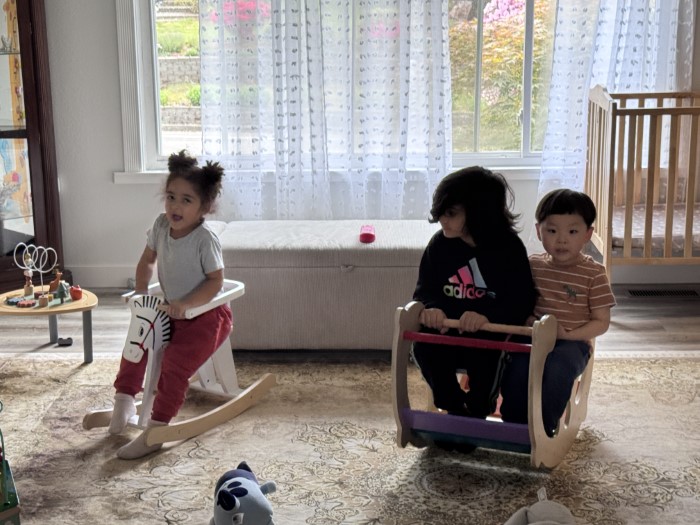
A diverse group of children in a daycare classroom engaging in a cultural art activity.

Practical Ways to Incorporate Multicultural Education

Using Songs to Introduce Cultural Diversity

Songs are a powerful tool for introducing cultural diversity in child care settings. Simple lullabies or folk songs from various cultures, such as African call-and-response chants or Spanish nursery rhymes, engage young children while teaching them about different languages and rhythms. For example, singing “Itsy Bitsy Spider” alongside a Japanese folk song like “Tulips” (Tulippu ascended Source) introduces children to new sounds and traditions. Music also supports language development and emotional bonding.

Incorporating Family Traditions in Activities

Inviting families to share their cultural traditions creates meaningful connections in the classroom. For instance, a parent might teach a traditional recipe, like Mexican tamales or Indian samosas, during a cooking activity. Another idea is a “family culture board” where children display photos or drawings of their family’s traditions. These activities foster pride in their heritage and curiosity about others.

Storytelling and Books for Cultural Learning

Storytelling is an effective way to teach cultural sensitivity. Books like The Name Jar by Yangsook Choi or All Are Welcome by Alexandra Penfold introduce children to diverse cultures and experiences. Reading sessions can spark discussions about similarities and differences, encouraging empathy. Choose authentic, culturally accurate books to avoid stereotypes and promote understanding.

Celebrating Multicultural Holidays and Events

Celebrating holidays like Diwali, Lunar New Year, or Kwanzaa in daycare settings introduces children to global traditions. Age-appropriate activities, such as making paper lanterns for the Lunar New Year or rangoli art for Diwali, engage children creatively. Ensure celebrations are authentic by consulting with families or cultural experts to avoid misrepresentation.

Age-Specific Strategies for Multicultural Learning

Infants: Sensory-Based Cultural Exposure

For infant care, multicultural education focuses on sensory experiences. Playing multilingual lullabies, such as French Frère Jacques or Spanish Cielito Lindo, introduces infants to diverse sounds. Textured fabrics or toys inspired by global cultures, like African patterned cloths, stimulate curiosity and comfort. These subtle introductions lay the groundwork for cultural awareness.

Toddlers: Interactive Cultural Activities

Toddler cultural activities should be interactive and play-based. Dancing to global music, such as Brazilian samba or Indian bhangra, encourages movement and cultural appreciation. Simple art projects, like creating flags from different countries, engage toddlers’ creativity while introducing new symbols and colors.

Preschoolers: Inclusive Group Projects

Preschooler inclusion thrives in collaborative projects. For example, children can create a “world map” by marking their families’ countries of origin with stickers or drawings. Group activities like designing a multicultural quilt with fabric squares from various cultures foster teamwork and respect. These projects teach children to value diversity while working together.

Creating an Inclusive Childcare Environment

Training Staff in Cultural Sensitivity

Cultural sensitivity starts with well-trained staff. Childcare providers should participate in workshops on cultural competence, such as those offered by NAEYC or local community organizations. Training helps staff recognize unconscious biases and create inclusive classrooms where every child feels seen and heard.

Engaging Families in Multicultural Education

Strong family partnerships are essential for effective multicultural childcare. Caregivers can learn about each family’s background through intake conversations, surveys, or informal daily communication. Asking about preferred languages, traditions, and caregiving practices helps personalize care and avoid assumptions.

Hosting family-focused events, such as culture nights or shared activities, builds trust and strengthens relationships between families and childcare staff. When families feel heard and respected, children benefit from a more consistent and supportive learning environment.

Designing Culturally Responsive Spaces

A culturally responsive classroom reflects diversity in its decor and materials. Display multilingual posters, global artwork, or toys representing different cultures, such as dolls with diverse skin tones or international musical instruments. Ensure the space is welcoming to all families, with accessible signage and translated materials where possible.

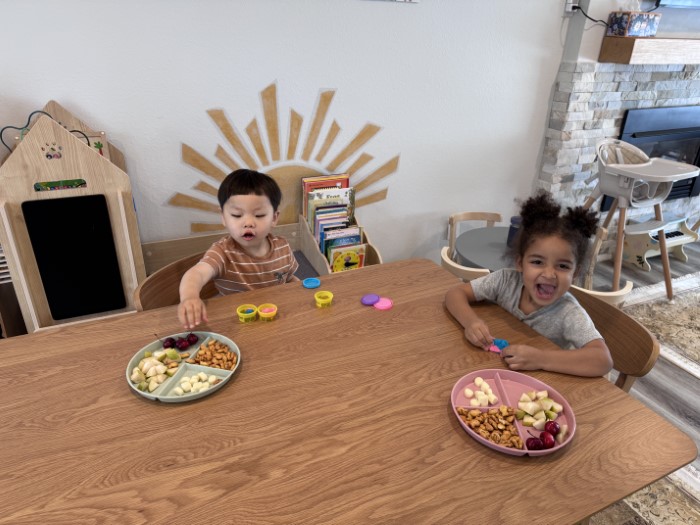
Toddlers to global music in a colorful childcare setting.

Challenges and Solutions in Multicultural Childcare

Addressing Bias and Stereotypes

Addressing multicultural issues in child care requires staff training, family engagement, and culturally responsive materials. Unconscious biases can undermine these efforts—for example, assuming all Asian families celebrate the same holidays can perpetuate stereotypes. To prevent this, caregivers should participate in training, ask open-ended questions, and listen to each family’s unique experiences. Open discussions during staff meetings can further help identify and correct biases, ensuring every child feels included and respected.

Overcoming Resource Limitations

Limited budgets can make it challenging to access diverse materials. Partner with local cultural organizations or libraries for free or low-cost resources, such as books or guest speakers. Online platforms like Epic! or Teaching Tolerance offer affordable multicultural lesson plans and activities for daycare settings.

Conclusion: Building a Foundation for Inclusivity

Incorporating multicultural education in daycare and child care settings creates a foundation for inclusivity that lasts a lifetime. By using songs, family traditions, storytelling, and inclusive activities, childcare providers can foster cultural sensitivity and empathy in young children. These efforts help infants, toddlers, and preschoolers grow into compassionate, globally aware individuals. At Kido Heaven, our daycare and child care programs in Bothell integrate multicultural childcare to create welcoming environments for all. Visit Kido Heaven to learn more about our approach to fostering early childhood diversity.

Why KidoHeaven Stands Out

✅ Licensed in Washington State
✅ Aligned with Early Achievers standards
✅ Working Connections subsidy accepted
✅ Daily updates via Brightwheel
✅ Located in Bothell, serving Mill Creek, Lynnwood & nearby areas
✅ Nutritious snacks, safe outdoor space, & positive mealtime routines

📞 Call 206-734-2040 to schedule a tour
🌐 Enroll now

Follow Our Mealtime Moments

Stay updated with more beautiful outdoor meals and daily learning routines on:

Instagram | Facebook | Nextdoor | Yelp | Winnie | YouTube | Upwards

FAQ

1. What is multicultural education in childcare?

Multicultural education in childcare involves teaching children about diverse cultures through activities, stories, and traditions to foster inclusivity and respect.

2. How can I introduce cultural diversity in infant care?

Use sensory-based activities like multilingual lullabies or culturally inspired toys to gently introduce infants to diverse sounds and textures.

3. What are age-appropriate toddler cultural activities?

Toddlers enjoy dancing to global music, creating simple cultural crafts, or playing with toys representing different traditions.

4. How do I ensure cultural sensitivity in my daycare?

Train staff in cultural competence, engage families, and use authentic materials to create an inclusive environment.

5. Why is early childhood diversity important for preschoolers?

It builds empathy, reduces prejudice, and prepares children for a diverse world through collaborative and inclusive activities.


Promoting Healthy Child Behavior: Expert Tips for Parents

Fostering healthy behaviors like sharing and self-soothing in toddlers and preschoolers is crucial for their emotional and social growth. Through structured environments like daycare and child care, parents and caregivers can nurture positive behaviors that set the foundation for lifelong success. This article explores expert childcare behavior strategies to promote early childhood growth. For in-depth tips to support toddler behavior and preschooler development, read on.

Introduction to Healthy Behavioral Development

Healthy behavioral development in early childhood lays the groundwork for emotional resilience, social skills, and academic success. For toddlers and preschoolers, behaviors like sharing, self-soothing, and cooperation are critical milestones. Parents and caregivers play a pivotal role in nurturing these positive behaviors through consistent guidance and supportive environments.

Why Behavioral Development Matters

Early childhood is a critical period when children develop foundational skills for interacting with others and managing emotions. Positive behaviors fostered during this stage—such as empathy and self-regulation—contribute to strong relationships and mental well-being. Research shows that children with healthy behavioral development are better equipped to handle challenges in school and beyond.

The Role of Parents and Caregivers

Parents, alongside providers in daycare and child care settings, share the responsibility of guiding young children. By modeling positive behaviors and providing structured routines, caregivers help children build confidence and emotional intelligence, essential for early childhood growth.

Understanding Toddler and Preschooler Behavior

To promote healthy behaviors, it’s essential to understand the developmental stages of toddlers and preschoolers. Each age group has unique needs and capabilities that influence their behavior.

Developmental Milestones in Toddlers (1–3 Years)

Toddlers begin to explore independence, often expressing emotions through actions rather than words. Key milestones include:

  • Developing basic emotional regulation, like calming down with guidance.
  • Engaging in parallel play, where they play alongside peers.
  • Responding to simple instructions, a foundation for positive behaviors.

Caregivers in infant care or home day care settings can support these milestones by offering consistent routines and gentle encouragement.

Behavioral Traits in Preschoolers (3–5 Years)

Preschoolers show more advanced social skills, such as taking turns and expressing empathy. They begin to understand group dynamics, making daycare environments ideal for fostering cooperation. Key traits include:

  • Increased verbal communication to express needs.
  • Ability to follow rules with clear guidance.
  • Growing curiosity and problem-solving skills.

Factors Influencing Behavior

Behavior is shaped by genetics, environment, and social interactions. Consistent routines in daycare Bothell settings, for example, provide stability that helps children feel secure, reducing negative behaviors like tantrums.

Toddlers creating art together in a home day care to boost preschooler development.

Key Behaviors to Foster in Early Childhood

Focusing on specific behaviors like sharing, self-soothing, and social skills sets the stage for healthy development. These skills are adaptable for both toddlers and preschoolers.

Teaching Sharing and Cooperation

Sharing is a foundational social skill. To encourage it:

  • Model Behavior: Demonstrate sharing during playtime or meals.
  • Use Group Activities: In child care Bothell programs, group games like passing a ball teach turn-taking.
  • Praise Efforts: Acknowledge when a child shares, reinforcing positive behaviors.

Promoting Self-Soothing Techniques

Self-soothing helps children manage emotions independently. Effective strategies include:

  • Deep Breathing: Teach toddlers to take slow breaths when upset.
  • Comfort Objects: A favorite toy or blanket can provide security.
  • Guided Calming: Caregivers can use soft voices to guide children through emotional moments.

Building Social Skills for Preschoolers

Preschoolers thrive in environments that encourage communication and empathy. Try:

  • Role-Playing: Act out scenarios like resolving conflicts to build empathy.
  • Storytelling: Use books to discuss feelings and social norms.
  • Group Projects: Collaborative tasks in daycare settings foster teamwork.

Strategies for Promoting Positive Behaviors

Caregivers can use evidence-based strategies to nurture healthy behaviors, tailored to toddler and preschooler development.

Positive Reinforcement Techniques

Positive reinforcement encourages desired behaviors through rewards. Examples include:

  • Verbal praise like “Great job sharing your toy!”
  • Small rewards, such as stickers for completing tasks.
  • Consistent acknowledgment to build confidence.

Setting Clear Boundaries and Expectations

Children thrive with clear rules. In home day care or daycare settings:

  • Use simple, age-appropriate instructions (e.g., “We share toys with friends”).
  • Maintain consistent consequences for breaking rules.
  • Involve children in setting expectations to foster ownership.

Modeling Healthy Behaviors

Caregivers are role models. Demonstrate:

  • Patience during stressful moments.
  • Kindness in interactions with others.
  • Problem-solving skills during conflicts.

Engaging Activities for Behavioral Growth

Interactive activities promote emotional and social skills:

  • Puppet Shows: Use puppets to teach empathy and sharing.
  • Music and Movement: Songs with actions encourage cooperation.
  • Art Projects: Collaborative crafts build teamwork and creativity.
Preschooler self-soothing with a toy in a Bothell child care setting for toddler behavior growth.

The Role of Daycare and Child Care in Behavioral Growth

Structured environments like daycare and child care play a significant role in fostering positive behaviors, offering opportunities for socialization and emotional growth.

How Daycare Supports Social Development

Daycare programs provide peer interactions that teach children to navigate social dynamics. Group activities, such as circle time, help toddlers and preschoolers practice sharing and listening.

Benefits of Home Day Care for Individual Attention

Home day care settings offer personalized care, ideal for infant care and toddler behavior. Smaller groups allow caregivers to tailor activities to each child’s needs, fostering self-soothing and emotional regulation.

Choosing the Right Childcare Environment

When selecting a daycare or child care program, look for:

  • Qualified staff trained in early childhood growth.
  • Structured routines that balance play and learning.
  • A nurturing environment that prioritizes positive behaviors.

Addressing Common Behavioral Challenges

Behavioral challenges are a normal part of development. Addressing them effectively builds resilience.

Managing Tantrums and Emotional Outbursts

Tantrums often stem from frustration or unmet needs. Strategies include:

  • Redirection: Shift focus to a new activity.
  • Calm Communication: Use a soothing tone to acknowledge feelings.
  • Time-In: Sit with the child to help them process emotions.

Overcoming Shyness or Aggression

For shy children, encourage gradual social engagement through small group activities. For aggression:

  • Teach alternative ways to express frustration, like using words.
  • Model calm responses to conflicts.
  • Reinforce positive interactions with praise.

Supporting Transitions and Routine Changes

Transitions, like starting daycare, can be challenging. Help children adapt by:

  • Preparing them in advance with stories or visits.
  • Maintaining consistent routines at home and in child care.
  • Offering comfort during changes, such as a familiar toy.

Long-Term Benefits of Healthy Behavioral Development

Investing in early behavioral development yields lifelong benefits, from academic success to emotional well-being.

Academic and Social Success

Children with strong social skills are better prepared for school. Sharing and cooperation foster collaboration, while self-soothing aids focus and resilience.

Emotional Resilience and Well-Being

Healthy behaviors build emotional intelligence, helping children manage stress and form strong relationships. Studies show early emotional regulation reduces anxiety in later years.

Building Strong Parent-Child Bonds

Consistent caregiving strengthens trust. Engaging in activities like reading or playtime fosters communication and connection.

Conclusion: Partnering with Kidoheaven for Child Development

Fostering healthy behaviors in toddlers and preschoolers is a rewarding journey that sets the stage for lifelong success. By focusing on sharing, self-soothing, and social skills, parents and caregivers can support early childhood growth. At Kidoheaven, we understand the importance of nurturing positive behaviors. Our daycare and child care programs in Bothell provide structured, caring environments tailored to toddler behavior and preschooler development. Explore our services to discover how we can partner with you to support your child’s growth.

Why KidoHeaven Stands Out

✅ Licensed in Washington State
✅ Aligned with Early Achievers standards
✅ Working Connections subsidy accepted
✅ Daily updates via Brightwheel
✅ Located in Bothell, serving Mill Creek, Lynnwood & nearby areas
✅ Nutritious snacks, safe outdoor space, & positive mealtime routines

📞 Call 206-734-2040 to schedule a tour
🌐 Enroll now

Follow Our Mealtime Moments

Stay updated with more beautiful outdoor meals and daily learning routines on:

Instagram | Facebook | Nextdoor | Yelp | Winnie | YouTube | Upwards

FAQ

1. How can I teach my toddler to share?

Model sharing during play, praise efforts, and use group activities to practice turn-taking.

2. What are effective self-soothing techniques for preschoolers?

Teach deep breathing, offer comfort objects, and guide them through calming exercises.

3. How does daycare influence toddler behavior?

Daycare provides structured socialization, teaching cooperation and emotional regulation through peer interactions.

4. What should I look for in a child care program?

Choose programs with qualified staff, consistent routines, and a focus on positive behaviors.

5. How can I manage my child’s tantrums at home?

Use redirection, calm communication, and time-ins to help children process emotions.

6. Are there activities to boost social skills in preschoolers?

Role-playing, storytelling, and group projects encourage communication and empathy.

7. How does early behavioral development impact school success?

Positive behaviors like sharing and self-regulation prepare children for academic and social challenges.


Effective Coaching and Support for Childcare Staff Excellence

Quality childcare hinges on a well-supported workforce. Coaching and supporting childcare staff in daycare, child care, infant care, and home daycare settings enhances professional growth, reduces burnout, and improves outcomes for children. From personalized mentoring to stress management techniques, these strategies empower caregivers to thrive. For expert tips on fostering a skilled and motivated childcare team, read on!

Why Coaching Childcare Staff Matters

Coaching childcare staff is the backbone of high-quality daycare, child care, infant care, and home daycare programs. Well-trained and supported caregivers create nurturing environments that foster child development and ensure operational success. Coaching equips staff with the skills, confidence, and resilience needed to excel in the demanding childcare field.

Impact on Child Development

Skilled childcare staff directly influence children’s emotional, social, and cognitive growth. Through caregiver coaching, staff learn to implement age-appropriate activities, manage classroom dynamics, and respond to individual needs, especially in infant care and preschool settings. For example, a caregiver trained in responsive caregiving can better support an infant’s early language development or a preschooler’s social skills, leading to measurable developmental milestones.

Benefits for Staff Retention and Morale

The childcare workforce faces high turnover due to stress and limited growth opportunities. Coaching addresses these challenges by fostering a sense of purpose and professional fulfillment. Regular mentoring and support improve job satisfaction, reduce burnout, and encourage long-term commitment. A supported staff member is more likely to stay, reducing recruitment costs and maintaining consistency in care.

Daycare staff supporting a toddler’s emotional development during a play activity in Bothell child care.

Key Elements of Effective Childcare Staff Coaching

Effective coaching goes beyond basic training, focusing on personalized growth and skill-building. Here are the core components of successful childcare staff coaching programs.

Personalized Mentoring Programs

Tailored mentoring is critical for addressing individual caregiver needs. Coaches can work one-on-one to set goals, such as improving classroom management or mastering infant care techniques. For example, a mentor might guide a new caregiver through handling separation anxiety in toddlers, using role-playing and feedback sessions to build confidence. Regular check-ins ensure progress and adaptability.

Building Communication and Collaboration Skills

Effective communication is essential in child care settings, where staff interact with children, parents, and colleagues. Coaching should include training on active listening, clear instruction, and conflict resolution. Team-building exercises, like group problem-solving activities, foster collaboration, ensuring staff work cohesively to maintain a positive daycare environment.

Incorporating Early Childhood Professional Development

Ongoing professional development keeps childcare staff updated on best practices. Workshops on topics like trauma-informed care or inclusive education empower caregivers to meet diverse needs. Certifications in early childhood education (ECE) provide formal recognition of expertise, boosting credibility and career growth. Programs serving infants to preschoolers benefit from staff who stay current with developmental research.

Stress Management Strategies for Childcare Staff

Childcare work is rewarding but stressful, with long hours and emotional demands. Effective stress management strategies are essential to maintain staff well-being and performance.

Recognizing Burnout and Stress Triggers

Burnout in childcare staff often stems from high workloads, emotional exhaustion, or lack of support. Common signs include irritability, fatigue, or disengagement. In home daycare settings, isolation can amplify stress. Managers should regularly check in with staff to identify triggers early, using surveys or open discussions to gauge well-being.

Practical Stress Relief Techniques

Caregivers can adopt practical techniques to manage stress:

  • Mindfulness Practices: Short meditation or breathing exercises during breaks can reduce anxiety.
  • Time Management: Prioritizing tasks, like lesson planning or parent communication, prevents overwhelm.
  • Peer Support Groups: Regular meetings allow staff to share challenges and solutions, fostering camaraderie.
    For example, a 10-minute mindfulness session before a shift can help caregivers stay calm and focused.

Creating a Supportive Work Environment

A positive workplace culture is key to reducing stress. Leaders can implement:

  • Flexible Scheduling: Allow staff to balance work and personal life.
  • Wellness Resources: Provide access to counseling or stress management workshops.
  • Recognition Programs: Acknowledge staff achievements to boost morale.
    In daycare settings, fostering open communication and celebrating small wins, like a successful parent event, creates a supportive atmosphere.
Caregiver providing support to childcare staff while engaging preschoolers in a nurturing daycare environment.

Tools and Resources for Professional Growth

Equipping childcare staff with the right tools and resources supports long-term growth and program quality.

Training Platforms and Certifications

Online platforms like Coursera or ChildCare Education Institute offer courses on early childhood professional development. Certifications, such as the Child Development Associate (CDA) credential, validate expertise in infant care and preschool education. Local workshops in areas like daycare Bothell provide hands-on learning opportunities tailored to community needs.

Peer Mentorship and Community Support

Peer mentorship fosters collaboration and knowledge-sharing. Experienced caregivers can guide newer staff, sharing tips on managing challenging behaviors or engaging parents. Community networks, such as childcare associations in child care Bothell, connect staff with local resources and support groups, reducing isolation and encouraging professional growth.

Leveraging Technology for Staff Development

Technology streamlines training and operations. Apps like Procare or Brightwheel simplify scheduling and parent communication, freeing up time for professional development. Online training portals allow staff to complete modules at their own pace, covering topics from safety protocols to creative curriculum design.

Measuring the Success of Coaching Programs

To ensure coaching programs deliver results, childcare providers must track their impact and refine strategies.

Key Performance Indicators (KPIs)

Measure coaching success through:

  • Staff Retention Rates: Higher retention indicates effective support.
  • Parent Satisfaction: Surveys can reflect improved care quality.
  • Child Progress: Developmental milestones show the impact of skilled caregivers.
    For example, a daycare with a robust coaching program might see a 20% reduction in turnover within a year.

Feedback and Continuous Improvement

Gather feedback through staff surveys, parent reviews, and classroom observations. Use this data to adjust coaching strategies, such as adding more stress management training or focusing on specific skills like infant care. Regular program evaluations ensure coaching remains relevant and effective.

Conclusion and Brand Introduction

Coaching and supporting childcare staff is essential for delivering high-quality daycare, child care, and infant care. By prioritizing personalized mentoring, stress management, and professional development, providers can empower their workforce to excel, ensuring positive outcomes for children and families.

At Kido Heaven, we understand the importance of a skilled and supported childcare team. Serving families in daycare Bothell and child care Bothell, we foster a nurturing environment through expert staff training and support.

Why KidoHeaven Stands Out

✅ Licensed in Washington State
✅ Aligned with Early Achievers standards
✅ Working Connections subsidy accepted
✅ Daily updates via Brightwheel
✅ Located in Bothell, serving Mill Creek, Lynnwood & nearby areas
✅ Nutritious snacks, safe outdoor space, & positive mealtime routines

📞 Call 206-734-2040 to schedule a tour
🌐 Enroll now

Follow Our Mealtime Moments

Stay updated with more beautiful outdoor meals and daily learning routines on:

Instagram | Facebook | Nextdoor | Yelp | Winnie | YouTube | Upwards

FAQ

1. What is the role of coaching in childcare staff training?

Coaching enhances caregivers’ skills, confidence, and resilience, improving care quality and staff retention in daycare and child care settings.

2. How can childcare staff manage stress effectively?

Techniques like mindfulness, time management, and peer support groups help caregivers reduce stress and prevent burnout.

3. What qualifications should childcare coaches have?

Coaches should have experience in early childhood education and certifications like CDA or ECE training to provide credible guidance.

4. How does mentoring improve daycare quality?

Mentoring equips staff with skills to create nurturing environments, leading to better child outcomes and parent satisfaction.

5. Are there specific tools for childcare staff development?

Yes, platforms like ChildCare Education Institute and apps like Brightwheel support training and operational efficiency.


Cultural Sensitivity in Infant & Toddler Care: A Guide

Cultural sensitivity in daycare and home daycare settings helps infants and toddlers embrace diversity from an early age. By incorporating bilingual lullabies and family traditions, caregivers can create inclusive environments that foster respect and curiosity. This guide explores actionable ways to promote cultural sensitivity in childcare, ensuring every child feels valued. For expert strategies, read on.

Why Cultural Sensitivity Matters in Early Childhood Care

Cultural sensitivity in infant care and toddler activities lays the groundwork for a more inclusive society. Early exposure to diverse cultures helps children develop empathy and adaptability, critical skills in a globalized world.

Building a Foundation for Lifelong Respect

Introducing infants to diverse sounds, like bilingual lullabies, or toddlers to multicultural stories fosters curiosity and respect. Research from the National Association for the Education of Young Children (NAEYC) shows that children as young as six months can recognize cultural cues, making early childcare a critical period for shaping attitudes.

Benefits for Children and Caregivers

Multicultural care enhances cognitive development by exposing children to varied languages and traditions. For caregivers, embracing cultural sensitivity childcare builds trust with families and strengthens community ties, especially in diverse areas like Bothell.

Understanding Cultural Diversity in Infant and Toddler Care

Cultural diversity in childcare goes beyond acknowledging differences—it’s about actively celebrating them. This section defines cultural sensitivity and its role in daycare settings.

Defining Cultural Sensitivity in Childcare

Cultural sensitivity means respecting and integrating the values, languages, and traditions of each child’s family into daily care. For example, a daycare might use multicultural books or songs to reflect the backgrounds of its children.

Recognizing Diverse Family Backgrounds

Every family brings unique traditions, from dietary preferences to holiday celebrations. Caregivers in child care Bothell settings should learn about these differences through open communication to ensure inclusivity.

 Daycare room with multicultural books and diverse decorations.

Practical Ways to Incorporate Cultural Sensitivity

Caregivers can weave cultural diversity into daily routines through music, traditions, and activities, creating a welcoming environment for infants and toddlers.

Using Bilingual Lullabies and Songs

Bilingual lullabies, like “Duérmete Mi Niño” (Spanish) or “Lǎo Shǔ Ài Dà Mǐ” (Mandarin), introduce infants to new languages and cultures. Singing these in daycare soothes children while promoting early linguistic diversity. Caregivers can source lullabies from parents or online resources like Smithsonian Folkways.

Integrating Family Traditions

Involve families by inviting them to share traditions, such as storytelling or simple rituals like a Japanese tea ceremony demonstration. For example, a daycare might host a “Family Culture Day” where parents share a song or craft, fostering inclusion.

Creating Inclusive Activities for Toddlers

Toddlers thrive on hands-on activities. Try multicultural art projects, like making Diwali lanterns or African kente cloth patterns, to engage them. These activities teach cultural appreciation while developing fine motor skills.

Adapting Cultural Sensitivity for Preschoolers

As children grow, cultural activities can evolve to match their developmental stage, ensuring continued engagement with diversity.

Transitioning to Preschooler Activities

Preschoolers can handle more complex tasks, like creating a “culture map” where they draw symbols of their family’s heritage. These activities build on toddler cultural activities while encouraging creativity.

Encouraging Peer-to-Peer Cultural Sharing

Organize show-and-tell sessions where preschoolers share a cultural item, like a traditional toy or recipe. This promotes inclusion and helps children articulate their identities in a supportive daycare environment.

Cultural Sensitivity in Infant & Toddler Care

Best Practices for Caregivers and Daycare Providers

Caregivers play a pivotal role in modeling cultural sensitivity. These best practices ensure daycare and home daycare settings are inclusive.

Training Staff for Cultural Competence

Offer regular workshops on cultural sensitivity childcare, focusing on topics like unconscious bias or diverse parenting styles. Resources like Zero to Three provide free training materials for early childhood diversity.

Communicating with Families

Build trust by asking parents about their cultural preferences during intake meetings. For example, inquire about preferred lullabies or dietary needs to personalize care.

Creating an Inclusive Environment

Decorate daycare spaces with multicultural books, flags, or posters reflecting diverse cultures. Ensure toys and activities, like dolls of various skin tones, represent all children.

Challenges and Solutions in Multicultural Care

Implementing multicultural care can present challenges, but proactive solutions ensure success.

Overcoming Language Barriers

Use visual aids, like picture schedules, or translation apps to communicate with non-English-speaking families. Pairing children with bilingual peers can also ease interactions.

Addressing Cultural Misunderstandings

Misunderstandings, like differing views on discipline, can arise. Address them by fostering open dialogue with families and training staff to approach conflicts with empathy.

Conclusion

Cultural sensitivity in infant and toddler care creates inclusive environments where every child thrives. By using bilingual lullabies, family traditions, and inclusive activities, caregivers can foster respect and curiosity. Kidoheaven.com, a trusted provider of daycare and home daycare in Bothell, is committed to multicultural care that celebrates diversity. Visit https://kidoheaven.com/ to explore our inclusive childcare programs.

About Kidoheaven

At Kidoheaven, we provide exceptional daycare and child care in Bothell, specializing in inclusive environments for infants, toddlers, and preschoolers. Our trained caregivers create sensory-friendly spaces, implement individualized care plans, and partner with families to support children with special needs. Discover how we foster growth and inclusion at kidoheaven.com.

Why KidoHeaven Stands Out

✅ Licensed in Washington State
✅ Aligned with Early Achievers standards
✅ Working Connections subsidy accepted
✅ Daily updates via Brightwheel
✅ Located in Bothell, serving Mill Creek, Lynnwood & nearby areas
✅ Nutritious snacks, safe outdoor space, & positive mealtime routines

📞 Call 206-734-2040 to schedule a tour
🌐 Enroll now

Follow Our Mealtime Moments

Stay updated with more beautiful outdoor meals and daily learning routines on:

Instagram | Facebook | Nextdoor | Yelp | Winnie | YouTube | Upwards

FAQ

1. How can I introduce bilingual lullabies in daycare?

Start with simple songs from parents’ cultures and use recordings for accurate pronunciation. Practice during nap times to soothe infants.

2. What are age-appropriate multicultural activities for toddlers?

Try crafts like making Chinese paper lanterns or tasting culturally diverse snacks, supervised for safety.

3. How do I train staff for cultural sensitivity in child care?

Use online courses from NAEYC or local workshops to teach cultural competence and bias awareness.

4. How can parents contribute to cultural inclusion in daycare?

Parents can share stories, songs, or traditions during family events, enriching the daycare’s cultural landscape.

5. Why is early childhood diversity important?

It fosters empathy, reduces prejudice, and prepares children for a diverse world, starting in infancy.


Essential Caregiver Training for Infant & Toddler Programs

Training caregivers for infant and toddler programs is vital for creating safe, nurturing environments in daycare and child care settings. This article explores essential skills like soothing techniques, safety protocols, and developmental support, alongside professional growth resources for early childhood staff. Whether in a daycare or home daycare, well-trained caregivers foster healthy development and build parent trust. Read on to discover expert techniques and resources for caregiver training.

Foundations of Caregiver Training for Infants and Toddlers

Why Caregiver Training Matters

Caregivers in infant and toddler programs play a pivotal role in shaping young children’s early experiences. Proper training ensures they provide safe, nurturing, and developmentally appropriate care in daycare and home daycare settings. Well-trained staff enhance child development, reduce risks, and build trust with parents, making training a cornerstone of quality child care.

The Unique Needs of Infants and Toddlers

Infants (0–12 months) and toddlers (1–3 years) have distinct developmental needs. Infants require constant attention, gentle handling, and sensory stimulation, while toddlers need support for emerging independence, language, and social skills. Training equips caregivers with specialized skills to meet these needs effectively.

Overview of Training Goals

The primary goals of caregiver training include ensuring child safety, mastering soothing and caregiving techniques, supporting developmental milestones, and fostering professional growth. These skills create a foundation for excellence in early childhood staff performance, particularly in daycare Bothell and child care Bothell settings.

Core Skills for Infant Caregiver Training

Soothing Techniques for Infants

Soothing is a critical skill for infant caregivers. Techniques like swaddling, gentle rocking, and using white noise help calm fussy babies and promote emotional security. For example, swaddling mimics the womb’s comfort, while rhythmic patting soothes during feedings. Caregivers should practice these methods to respond effectively to infant cues.

Feeding and Nutrition Best Practices

Safe feeding practices are essential in infant care. Caregivers must master proper bottle-feeding techniques, such as holding infants at a 45-degree angle to prevent ear infections. When introducing solids (around 6 months), they should follow pediatric guidelines, like starting with single-grain cereals, and accommodate dietary restrictions, ensuring safety in daycare settings.

Sleep Schedules and Safe Sleep Practices

Consistent sleep routines support infant health. Caregivers should follow safe sleep guidelines from the American Academy of Pediatrics (AAP), such as placing infants on their backs in a crib free of blankets or toys. Training emphasizes monitoring sleep patterns and creating calm environments to promote restful sleep.

 Safe daycare space with secured furniture and toys for infants and toddlers.

Essential Toddler Childcare Skills

Managing Toddler Behavior

Toddlers are known for testing boundaries, making behavior management a key skill. Positive discipline techniques, like redirection and offering choices (e.g., “Do you want the red cup or blue cup?”), encourage cooperation. Caregivers should remain patient and consistent to foster self-regulation in toddler childcare programs.

Language and Social Development

Toddlers develop language and social skills rapidly. Caregivers can support this through activities like reading board books, singing songs, and facilitating peer play. For example, group activities like circle time in daycare settings encourage turn-taking and communication, laying the foundation for social confidence.

Encouraging Play-Based Learning

Play is a toddler’s primary learning tool. Structured activities, like building with blocks, and unstructured play, like exploring sensory bins, promote cognitive and motor development. Caregivers should design play-based activities that align with toddler interests, fostering creativity and problem-solving in child care environments.

Safety Protocols for Daycare and Home Daycare Settings

Childproofing Environments

A safe environment is non-negotiable in daycare and home daycare settings. Caregivers must ensure spaces are childproofed with secured furniture, covered outlets, and age-appropriate toys. Regular safety checks, like inspecting for small objects that pose choking hazards, are critical to infant and toddler safety.

Emergency Preparedness

Caregivers should be trained in first aid, CPR, and emergency evacuation procedures. For example, knowing how to respond to choking or allergic reactions can save lives. Daycare programs should conduct regular drills and maintain updated emergency contact lists to ensure preparedness.

Health and Hygiene Standards

Maintaining hygiene prevents illness in daycare settings. Caregivers must follow strict handwashing protocols, sanitize toys and surfaces daily, and use proper diapering techniques. Training should include recognizing signs of illness, like fever or rashes, to protect the health of infants and toddlers.

 Toddler engaging in play-based learning with blocks at a Bothell child care center.

Supporting Developmental Milestones in Early Childhood

Tracking Infant Milestones

Infants reach milestones like rolling over (3–6 months), sitting up (6–9 months), and babbling (6–12 months). Caregivers can support these through tummy time, sensory toys, and verbal engagement. Tracking progress helps identify delays early, ensuring timely interventions in daycare programs.

Toddler Milestones and Activities

Toddlers achieve milestones like walking (12–18 months), speaking in short sentences (2–3 years), and self-feeding. Caregivers can encourage these through activities like obstacle courses for motor skills or simple puzzles for cognitive growth. Tailored activities in child care settings promote development.

Individualized Care Plans

Every child develops at their own pace. Caregivers should create individualized care plans based on observations and parent input. For example, a toddler struggling with speech may benefit from extra storytime. Training emphasizes flexibility to meet diverse needs in early childhood programs.

Professional Development for Early Childhood Staff

Ongoing Training and Certifications

Certifications like the Child Development Associate (CDA) credential enhance caregiver expertise. Training programs covering infant care, toddler behavior, and safety protocols are widely available online and through organizations like the National Association for the Education of Young Children (NAEYC). Continuous learning ensures high-quality care.

Staying Updated on Best Practices

Caregivers should stay informed through resources like early childhood journals, webinars, and conferences. For example, attending workshops on play-based learning or trauma-informed care keeps skills current. Subscribing to reputable sources ensures caregivers remain leaders in their field.

Building a Career in Child Care

Caregiving offers diverse career paths, from entry-level roles to daycare directors. Training programs can lead to advanced roles like preschool lead teacher or curriculum coordinator. Professional development fosters confidence and opens opportunities in daycare and home daycare settings.

Building Trust and Communication with Parents

Transparent Reporting

Daily reports on feeding, sleeping, and activities build parent trust. Caregivers should maintain detailed logs and share updates via apps or in-person discussions. Transparency reassures parents that their child is thriving in daycare or child care programs.

Involving Parents in Care Plans

Collaborating with parents ensures consistent care. Caregivers should ask about home routines, like bedtime habits, and incorporate them into daycare schedules. Regular meetings or surveys can align caregiving with family preferences, strengthening partnerships.

Handling Parental Concerns

Addressing concerns professionally maintains trust. Caregivers should listen actively, provide clear explanations, and offer solutions. For example, if a parent worries about a toddler’s eating habits, suggesting a feeding schedule can demonstrate expertise and care.

Conclusion: Boost Your Caregiving with Kidoheaven.com

Training caregivers for infant and toddler programs ensures safe, nurturing, and enriching care. Skilled caregivers master soothing techniques, safety protocols, and developmental support to help children thrive. In Bothell, Kidoheaven provides top-notch daycare Bothell and child care Bothell services, plus resources for caregiver professional development. Visit us to elevate your daycare or child care experience.

About Kidoheaven

At Kidoheaven, we provide exceptional daycare and child care in Bothell, specializing in inclusive environments for infants, toddlers, and preschoolers. Our trained caregivers create sensory-friendly spaces, implement individualized care plans, and partner with families to support children with special needs. Discover how we foster growth and inclusion at kidoheaven.com.

Why KidoHeaven Stands Out

✅ Licensed in Washington State
✅ Aligned with Early Achievers standards
✅ Working Connections subsidy accepted
✅ Daily updates via Brightwheel
✅ Located in Bothell, serving Mill Creek, Lynnwood & nearby areas
✅ Nutritious snacks, safe outdoor space, & positive mealtime routines

📞 Call 206-734-2040 to schedule a tour
🌐 Enroll now

Follow Our Mealtime Moments

Stay updated with more beautiful outdoor meals and daily learning routines on:

Instagram | Facebook | Nextdoor | Yelp | Winnie | YouTube | Upwards

FAQ

1. What qualifications are needed for infant and toddler caregivers?

Caregivers typically need a high school diploma, background checks, and training in CPR, first aid, and child development. Certifications like the CDA are highly valued in daycare settings.

2. How can caregivers ensure safety in a daycare setting?

Safety is ensured through childproofing, regular safety checks, and training in emergency procedures like CPR and evacuation drills.

3. What are the best soothing techniques for infants?

Swaddling, gentle rocking, and white noise are effective for calming infants, creating a sense of security in child care environments.

4. How can caregivers support toddler development?

Play-based learning, social activities like group games, and milestone tracking support toddler growth in cognitive, motor, and social skills.

5. Where can caregivers find professional development resources?

Online platforms like Coursera, NAEYC, and local workshops offer courses on infant care, toddler behavior, and caregiver professional development.


Inclusive Care for Infants and Toddlers with Special Needs

Providing inclusive daycare and child care for infants and toddlers with special needs requires tailored strategies to support their unique developmental needs. From sensory-friendly environments to individualized care plans, caregivers can create nurturing spaces that promote growth. Early intervention and adaptive caregiving are key to ensuring these young children thrive. For expert strategies to implement inclusive care, read on.

Understanding Inclusive Childcare

What Is Inclusive Childcare?

Inclusive childcare ensures that infants and toddlers with special needs are fully integrated into daycare or home daycare settings alongside their peers. It involves adapting environments, routines, and activities to meet diverse developmental, physical, or sensory needs, fostering equal opportunities for growth.

Why Inclusion Matters for Young Children

Research shows that inclusive environments benefit children with special needs by promoting social skills, emotional regulation, and cognitive development. A 2023 study from the American Academy of Pediatrics found that early inclusion improves long-term developmental outcomes by up to 30%. Inclusive settings also help typically developing children learn empathy and collaboration.

Common Special Needs in Infants and Toddlers

Developmental Delays

Developmental delays, such as delayed speech or motor skills, are common in early childhood. These may require caregivers to adjust activities, like using repetitive play to reinforce skills, to support progress in a childcare setting.

Sensory Processing Disorders

Sensory processing disorders affect how children respond to stimuli like light, sound, or touch. For example, a toddler might be overwhelmed by loud noises in a daycare. Caregivers can use calming techniques to manage sensory sensitivities.

Physical Disabilities

Physical disabilities, such as cerebral palsy, may limit mobility or require adaptive equipment. Caregivers must ensure safe, accessible spaces and use tools like supportive seating to accommodate these needs.

Daycare bothell staff collaborating with parent on individualized care plan for toddler.

Strategies for Adaptive Caregiving

Creating a Flexible Routine

Routines provide stability, but flexibility is key for children with special needs. For instance, allowing extra time for transitions or incorporating rest breaks can reduce stress for toddlers with developmental challenges.

Communication Techniques

Non-verbal children may benefit from visual aids, like picture schedules, or basic sign language. Caregivers can use simple gestures to communicate daily tasks, ensuring all children feel understood.

Safety and Accessibility

Daycare environments should be free of hazards and equipped with ramps, wide doorways, or adaptive furniture. Regular safety checks ensure that spaces remain inclusive for children with physical or sensory needs.

Sensory-Friendly Tools and Environments

Selecting Sensory-Friendly Toys

Toys like textured balls, soft blocks, or calming light projectors engage children with sensory needs without overwhelming them. For example, a weighted blanket can soothe a toddler prone to sensory overload.

Designing Sensory-Friendly Spaces

Create low-stimulation areas with dim lighting, soft textures, and minimal noise. A quiet corner with cushions and noise-canceling headphones can help children self-regulate in a busy daycare.

Managing Sensory Overload

When a child shows signs of sensory overload, such as covering ears or withdrawing, caregivers can guide them to a sensory-friendly space or use calming techniques like deep-pressure hugs.

Individualized Care Plans

Collaborating with Parents and Specialists

Caregivers should work closely with parents and specialists, such as occupational therapists, to develop individualized care plans. Regular meetings ensure plans reflect the child’s evolving needs.

Monitoring Progress and Adjusting Plans

Track developmental milestones, like improved motor skills, and adjust care plans as needed. For example, a toddler who masters a new skill may need updated activities to stay challenged.

Calm, sensory-friendly childcare bothell environment designed for infants and toddlers.

Early Intervention Techniques

What Is Early Intervention?

Early intervention involves targeted therapies to support developmental progress in infants and toddlers. Programs often include speech therapy, physical therapy, or play-based activities to address delays early.

Implementing Early Intervention in Childcare

Caregivers can integrate early intervention by incorporating play-based therapies, such as stacking blocks to improve motor skills, into daily routines. These activities blend seamlessly into daycare schedules.

Partnering with Early Intervention Programs

Many communities, including Bothell, offer early intervention programs. Caregivers can connect with local resources to provide additional support, ensuring children receive consistent care.

Extending Inclusion to Preschoolers

Transitioning to Preschool Inclusion

Strategies for infants and toddlers, like sensory-friendly tools, can be adapted for preschoolers. For example, using visual schedules helps older children navigate group activities.

Social Inclusion in Group Settings

Encourage peer interactions through cooperative games or buddy systems. Pairing a child with special needs with a peer for a shared task fosters social bonds and inclusion.

Parental Involvement in Inclusive Care

Building Trust with Parents

Open communication builds trust. Caregivers should provide daily updates on a child’s progress and be receptive to parental feedback, ensuring a collaborative approach.

Empowering Parents with Resources

Offer parents access to resources like local support groups or workshops on special needs care. For example, Bothell’s community centers often host parenting seminars for families of children with disabilities.

About Kidoheaven

At Kidoheaven, we provide exceptional daycare and child care in Bothell, specializing in inclusive environments for infants, toddlers, and preschoolers. Our trained caregivers create sensory-friendly spaces, implement individualized care plans, and partner with families to support children with special needs. Discover how we foster growth and inclusion at kidoheaven.com.

Why KidoHeaven Stands Out

✅ Licensed in Washington State
✅ Aligned with Early Achievers standards
✅ Working Connections subsidy accepted
✅ Daily updates via Brightwheel
✅ Located in Bothell, serving Mill Creek, Lynnwood & nearby areas
✅ Nutritious snacks, safe outdoor space, & positive mealtime routines

📞 Call 206-734-2040 to schedule a tour
🌐 Enroll now

Follow Our Mealtime Moments

Stay updated with more beautiful outdoor meals and daily learning routines on:

Instagram | Facebook | Nextdoor | Yelp | Winnie | YouTube | Upwards

FAQ

What is inclusive childcare?

Inclusive childcare integrates children with special needs into daycare settings with tailored support, ensuring equal opportunities for growth.

How can daycare staff support sensory-sensitive children?

Staff can use sensory-friendly toys, create quiet spaces, and employ calming techniques to manage sensory sensitivities.

What are the benefits of early intervention in childcare?

Early intervention improves developmental outcomes, such as speech or motor skills, by addressing delays early.

How do individualized care plans work?

Care plans are customized based on a child’s needs, developed with input from parents and specialists, and adjusted regularly.

Can inclusive childcare benefit typically developing children?

Yes, it fosters empathy, social skills, and collaboration among all children.

How can parents choose an inclusive daycare?

Look for trained staff, accessible facilities, and a commitment to individualized care plans.

What training should caregivers have for special needs care?

Caregivers should have training in early childhood education, special needs care, and first aid, with ongoing professional development.


Health Screenings for Infants & Toddlers in Daycare

Health screenings for infants and toddlers in daycare are vital for early detection of health and developmental issues, ensuring childcare wellness. These screenings, including physical, developmental, vision, hearing, and immunization checks, promote healthy growth and address concerns early. Collaborating with health professionals and daycare providers supports infant care and toddler development checks. Read more for key screening details and tips for parents.

Why Screenings Matter

Health screenings in daycare settings are crucial for ensuring the well-being of infants and toddlers. These routine checks help identify potential health or developmental issues early, allowing for timely interventions that support long-term health. In group environments like daycare, where children are exposed to more germs and social interactions, screenings play a key role in maintaining childcare wellness.

Benefits of Early Monitoring

Early health monitoring through infant health screenings and toddler development checks can catch issues before they become serious. For example, identifying a developmental delay at 18 months allows for early intervention, which can improve outcomes by up to 70%, according to the CDC. Screenings also ensure children meet growth milestones, providing peace of mind for parents and caregivers. Regular checks foster a proactive approach to daycare health, reducing the risk of untreated conditions.

Common Daycare Health Issues

Daycare settings, including home daycare, can expose children to common health concerns like ear infections, respiratory illnesses, and allergies. Developmental delays or behavioral challenges may also emerge in group environments. For instance, about 1 in 6 children in the U.S. has a developmental issue, per the American Academy of Pediatrics (AAP). Proactive screenings help address these risks, ensuring a healthy environment for infant care and preschooler health.

Caregiver assessing a toddler’s milestones with toys.

Types of Screenings

Health screenings for infants and toddlers in daycare cover physical, developmental, sensory, and immunization assessments. Each type ensures children thrive in childcare settings.

Physical Health Checks

Physical screenings monitor growth metrics like height, weight, and head circumference. These checks, often monthly for infants, ensure children meet age-appropriate milestones. For example, a pediatrician may track an infant’s weight gain to confirm healthy nutrition. In daycare Bothell or similar settings, providers coordinate with parents to schedule these routine exams, ensuring consistent infant care.

Developmental Screenings

Developmental screenings, such as the Ages and Stages Questionnaire (ASQ), assess milestones like speech, motor skills, and social interaction. Conducted at key ages (e.g., 9, 18, and 24 months), these checks identify delays early. For instance, a toddler struggling with language may benefit from speech therapy. Daycare staff trained in toddler development checks can flag concerns during play-based observations, supporting early health monitoring.

Vision and Hearing Tests

Vision and hearing screenings are critical for infant health screenings. Tests like otoacoustic emissions for hearing or red reflex exams for vision can detect issues as early as 6 months. About 2–3% of children have hearing loss, per the CDC, which can affect speech development if untreated. Daycare providers ensure these tests are part of routine childcare wellness protocols, especially for toddlers transitioning to preschooler health checks.

Immunization Tracking

Immunizations protect children from diseases like measles and whooping cough, which can spread in daycare settings. Providers track vaccination schedules, ensuring compliance with AAP guidelines (e.g., DTaP vaccine by 18 months). In child care Bothell, for example, daycare staff maintain records to confirm all children are up-to-date, reducing health risks in group environments.

Working with Health Professionals

Collaboration with health professionals ensures screenings are effective and tailored to each child’s needs. Parents and daycare providers play a key role in this partnership.

Choosing Providers

Select board-certified pediatricians or specialists with experience in infant care and toddler development checks. Verify credentials through organizations like the AAP or local health boards. For daycare health, choose providers familiar with group childcare settings to address common concerns like infectious diseases.

Communication Tips

Open communication between parents, daycare staff, and doctors is essential. Parents should share screening results with daycare providers to ensure consistent care. For example, if a hearing test reveals an issue, inform the daycare to monitor the child’s interactions. Regular meetings or updates via health logs strengthen childcare wellness efforts.

Preschooler Screening Adjustments

As children transition to preschooler health checks, screenings focus on advanced skills like speech clarity and social behavior. For example, a 4-year-old may undergo a speech articulation test. Daycare providers adapt screenings to include school-readiness assessments, ensuring children are prepared for kindergarten while maintaining early health monitoring.

Clean daycare room with children playing safely.

Childcare Wellness Practices

Creating a healthy daycare environment and tracking health data are critical for effective screenings and overall well-being.

Safe Daycare Environment

A clean, safe daycare reduces health risks. Regular handwashing, sanitized toys, and proper ventilation lower the spread of infections. For example, daycares in Bothell often follow strict hygiene protocols to prevent outbreaks of illnesses like RSV. Staff training in first aid and health observation enhances daycare health standards.

Tracking Health Data

Accurate documentation is key to childcare wellness. Daycare providers use digital tools or health logs to record screening results, vaccinations, and health incidents. For instance, a home daycare may track a toddler’s growth chart to share with parents. Consistent records ensure early detection of issues and compliance with health regulations.

Parental Role

Parents are vital advocates for their child’s health in daycare settings, ensuring screenings meet their needs.

Questions for Providers

Ask daycare providers key questions to verify health protocols:

  • How often are infant health screenings conducted?
  • What developmental checks are used for toddlers?
  • How are immunization records verified?

These questions ensure providers prioritize daycare health and align with your expectations in child care Bothell or similar areas.

Advocating for Your Child

Stay informed about screening schedules and results. If a concern arises, like a missed milestone, request additional assessments or specialist referrals. For example, if a toddler shows delayed motor skills, advocate for a physical therapy evaluation. Engaged parents strengthen childcare wellness by ensuring their child’s needs are met.

Conclusion: Kidoheaven’s Role

Health screenings for infants, toddlers, and preschoolers in daycare are critical for early health monitoring and childcare wellness. By prioritizing physical, developmental, and sensory checks, parents and providers ensure children thrive in a safe environment. Collaborating with health professionals and staying proactive as parents strengthens these efforts. For trusted daycare Bothell that prioritize health and development, explore Kidoheaven. Visit Kidoheaven to learn how we support daycare health and wellness for your child.

Why KidoHeaven Stands Out

✅ Licensed in Washington State
✅ Aligned with Early Achievers standards
✅ Working Connections subsidy accepted
✅ Daily updates via Brightwheel
✅ Located in Bothell, serving Mill Creek, Lynnwood & nearby areas
✅ Nutritious snacks, safe outdoor space, & positive mealtime routines

📞 Call 206-734-2040 to schedule a tour
🌐 Enroll now

Follow Our Mealtime Moments

Stay updated with more beautiful outdoor meals and daily learning routines on:

Instagram | Facebook | Nextdoor | Yelp | Winnie | YouTube | Upwards

FAQ

1. What is positive guidance for young children?

Positive guidance teaches kids what to do instead of just stopping bad behavior, helping them build empathy and self-control.

2. How can parents use these strategies at home?

Start with one strategy, like redirection, during playtime or bedtime (e.g., “Let’s use this toy instead!”).

3. Are these strategies effective for all preschool ages?

Yes, they work for ages 2–5, with simpler methods like redirection for younger kids.

4. How do these strategies help in preschool settings?

They create calmer classrooms, reduce conflicts, and build trust between kids and adults.


Engaging Parents in Infant and Toddler Childcare

Effective parent engagement in daycare Kidoheaven fosters trust and supports child development. Strategies like daily updates, parent-child activities, and open communication create strong childcare partnerships. By sharing milestones, offering family support, and addressing concerns, providers can build lasting relationships with parents of infants and preschoolers. These efforts ensure families feel valued and informed, enhancing their childcare experience. Whether through apps, workshops, or events, engaging parents is key to a nurturing environment. For a deeper dive into practical strategies for building trust and collaboration in infant care and preschooler parent communication, read on to learn more about creating meaningful family support systems.

Why Parent Engagement Matters

Engaging parents in childcare is more than a courtesy—it’s a cornerstone of quality childcare. When parents feel connected to their child’s daycare, they’re more likely to trust providers, participate actively, and support their child’s growth. This is especially critical in daycare Bothell settings, where local families seek personalized, trustworthy care. By fostering childcare partnerships, providers create a collaborative environment that benefits children, parents, and staff alike.

The Impact on Child Development

Parent engagement directly supports a child’s emotional, social, and cognitive development. According to the National Association for the Education of Young Children (NAEYC), children thrive when parents and caregivers work together to reinforce learning and routines. For infants, consistent communication about infant nutrition and sleep schedules builds security. For preschoolers, shared updates on social skills or learning milestones reinforce progress. Engaged parents can extend classroom activities at home, creating a seamless developmental experience.

Benefits for Childcare Providers

For providers, parent engagement improves trust and retention. When parents feel informed through preschooler parent communication, they’re more likely to recommend the daycare to others, especially in tight-knit communities like Bothell. Engaged parents also provide valuable feedback, helping providers tailor services to meet family needs. Strong relationships reduce misunderstandings and create a supportive network, enhancing the overall childcare experience.

 Parent and toddler participating in a daycare art activity

Strategies for Engaging Parents

To build meaningful childcare partnerships, providers must implement practical, consistent strategies. Below are three proven methods to engage parents effectively.

Daily Communication Tools

Regular updates keep parents connected to their child’s day. Tools like childcare apps (e.g., Brightwheel or HiMama), daily journals, or newsletters provide real-time insights into meals, naps, and activities. For example, a quick photo of a toddler painting or a note about an infant’s feeding schedule reassures parents. These tools foster preschooler parent communication by making updates accessible and consistent, especially for busy families in childcare Bothell settings.

Parent-Child Activities

Involving parents in activities strengthens bonds between families and the daycare. Events like storytime sessions, art workshops, or family picnics allow parents to participate in their child’s learning. For instance, a “Parent and Tot Art Day” encourages creativity and connection. These activities also create opportunities for providers to showcase their expertise, reinforcing trust in childcare partnerships.

Family Support Programs

Offering workshops or support groups empowers parents and deepens engagement. Topics like infant nutrition, sleep training, or preschooler social skills equip parents with tools to support their child’s growth. For example, a monthly parenting class in daycare Bothell can address local families’ needs, fostering a sense of community and family support. These programs position providers as trusted partners in child development.

Building Trust Through Transparency

Transparency is the foundation of trust in childcare. Parents need to feel confident that their child is safe, nurtured, and thriving. Open communication and consistent updates are key to achieving this.

Open Communication Channels

Regular check-ins, whether through parent-teacher conferences or informal chats, keep parents informed. Providers should encourage questions and offer multiple channels (e.g., email, apps, or in-person meetings) for preschooler parent communication. For example, a weekly email summarizing a child’s activities or a quick chat at pickup builds rapport. Transparency reduces anxiety and fosters collaboration.

Sharing Developmental Milestones

Parents of infants and preschoolers crave updates on their child’s progress. For infants, share details about infant care routines like feeding, sleep, or motor skills. For preschoolers, highlight milestones like letter recognition or social interactions. Clear, jargon-free reports (e.g., “Your child stacked blocks today!”) make parents feel involved and valued, strengthening childcare partnerships.

Infant care provider discussing milestones with a parent

Tailoring Engagement for Infants vs. Preschoolers

Parent engagement strategies vary by age group due to differing developmental needs. Tailoring approaches ensures relevance and effectiveness.

Engaging Parents of Infants

Infants (0–2 years) require intensive care, and parents often worry about infant nutrition, sleep, and emotional bonding. In home daycare settings, providers can share detailed logs of feeding schedules, diaper changes, and nap times. Regular photos or videos of an infant smiling or reaching milestones reassure parents. Hosting “Baby and Me” events, like sensory play sessions, also encourages bonding and engagement.

Engaging Parents of Preschoolers

Preschoolers (2–5 years) are developing social and cognitive skills, so parents value updates on learning and behavior. Providers can share examples of a child’s artwork, group activities, or progress in counting or sharing. Events like “Preschooler Show-and-Tell” invite parents to celebrate milestones. Consistent preschooler parent communication through apps or notes keeps parents informed and engaged.

Overcoming Common Challenges

Engaging parents isn’t without hurdles. Addressing common challenges ensures lasting partnerships.

Time Constraints for Parents

Busy parents may struggle to attend events or read updates. Providers can offer flexible solutions, like virtual check-ins or concise app notifications. For example, a 5-minute video call can replace an in-person meeting for working parents in childcare Bothell. Scheduling events on weekends or providing recorded workshops also accommodates diverse schedules.

Addressing Parental Concerns

Parents may raise concerns about behavior, developmental delays, or safety. Providers should listen empathetically, validate concerns, and offer solutions. For instance, if a parent worries about a toddler’s tantrums, share strategies used in the daycare and suggest home-based approaches. Transparent, proactive communication builds trust and resolves issues effectively.

Conclusion: Partnering with Kidoheaven

Engaging parents in childcare is essential for fostering trust, supporting child development, and creating lasting partnerships. By using daily communication tools, hosting parent-child activities, and offering family support programs, providers can build strong bonds with families. Tailoring strategies for infants and preschoolers, maintaining transparency, and addressing challenges ensure parents feel valued and informed.At Kidoheaven, we prioritize open communication and family involvement to create a nurturing environment for your child. Our commitment to childcare partnerships ensures your infant or preschooler thrives in a supportive, collaborative setting. Visit us to learn how we can support your family’s childcare journey in daycare Bothell.

Why KidoHeaven Stands Out

✅ Licensed in Washington State
✅ Aligned with Early Achievers standards
✅ Working Connections subsidy accepted
✅ Daily updates via Brightwheel
✅ Located in Bothell, serving Mill Creek, Lynnwood & nearby areas
✅ Nutritious snacks, safe outdoor space, & positive mealtime routines

📞 Call 206-734-2040 to schedule a tour
🌐 Enroll now

Follow Our Mealtime Moments

Stay updated with more beautiful outdoor meals and daily learning routines on:

Instagram | Facebook | Nextdoor | Yelp | Winnie | YouTube | Upwards

FAQ

1. How can daycare providers keep parents informed?

Providers can use apps, daily journals, or newsletters to share updates on activities, meals, and milestones, ensuring consistent preschooler parent communication.

2. Why is parent involvement important in childcare?

Involvement supports child development, builds trust, and strengthens childcare partnerships, creating a cohesive environment for infants and preschoolers.

3. What are the benefits of parent-child activities in daycare?

Activities like art days or storytime foster bonding, encourage learning, and build community, especially in local settings like daycare Bothell.

4. How does transparency improve trust in childcare?

Sharing milestones, addressing concerns, and maintaining open communication reassures parents, enhancing trust in infant care and preschool programs.

5. How can providers engage busy parents?

Flexible options like digital updates, virtual meetings, or weekend events accommodate busy schedules, ensuring active family support.

6. What should parents expect from infant care updates?

Parents should receive detailed logs on infant nutrition, sleep, and developmental milestones, often through apps or daily reports in home daycare settings.


Calm, Clear, and Connected: Proven Strategies for Guiding Young Children’s Behavior

Importance of Positive Guidance

Guiding young children’s behavior isn’t just about managing a classroom—it’s about shaping the social, emotional, and problem-solving skills that will last a lifetime. In early childhood settings, children are still learning how to express their feelings, work through conflicts, and make positive choices. That means we, as caregivers and educators, need practical, respectful strategies to help them grow.
At Kido Heaven Child Care, we believe in positive guidance—tools and techniques that teach children what to do instead of simply telling them what not to do.

Overview of Strategies

Inspired by a professional resource from the Eastern Connecticut State University’s Center for Early Childhood Education Segment 5: Responding to Behavior Problems and Resolving Conflicts, this blog post shares five simple, highly effective strategies. You’ll find real-life examples from child care settings and tips for parents to use these approaches at home.

Why Positive Guidance Works

Understanding Children’s Behavior

When children act out—grabbing toys, refusing to share, hitting, or shouting—it’s not because they’re “bad.” Most of the time, they:

  • Lack self-control (their brains are still developing)
  • Don’t know better options for handling frustration
  • Are testing boundaries to learn what’s acceptable
  • Are expressing unmet needs (tiredness, hunger, overstimulation)

Benefits of Positive Guidance

If we respond with anger or punishment alone, children might stop the behavior temporarily—but they won’t learn how to behave better next time. Positive guidance teaches replacement behaviors—what to do instead—while also strengthening trust between the child and the adult.

children playing together with toys, practicing positive behavior in a classroom
daycare bothell

The 5 Key Strategies for Guiding Behavior

Strategy 1: Redirection – Guiding Toward Better Choices

What It Is: Redirection is simply moving a child from an unwanted behavior toward a more appropriate one—without making it a big confrontation.

Example in Action: If a child snatches a Lego from a friend, you might say: “You don’t need to take Samantha’s Lego. There’s another Lego right here you can use.”

Why It Works: Instead of focusing on “stop doing that,” you’re showing them what to do. This avoids embarrassment, reduces conflict, and teaches them positive alternatives.

Tips for Parents & Educators

  • Offer two clear options: “You can draw here or build blocks over there.”
  • Keep your tone calm and friendly—it’s guidance, not punishment.
  • Redirect early, before behavior escalates.

Strategy 2: Simple and Positive Reminders

What It Is:When redirection isn’t enough—especially for more serious behaviors like hitting—give a short, positive reminder of the rule, plus the reason it matters.

Example in: ActionChild takes another’s backpack: “I can’t let you take Jacob’s backpack. That’s one of our rules. Taking people’s things upsets them—see how Jacob looks sad?”

Why It Works: Children need to understand not just what the rule is, but why it matters. This builds empathy and internal motivation to follow the rule.

Tips for Parents & Educators

  • Use eye contact and kneel to their level.
  • Avoid long lectures—keep it 1–2 sentences.
  • Link the rule to real consequences (“Throwing toys can break them, then no one can play with them”).

Strategy 3: Firm Reminders with Choice-Giving

What It Is: For repeated or unsafe behaviors, use a firm (but not angry) voice to remind the child of the rule, then give them a clear choice between a positive action and a natural consequence.

Example in Action: “You can play gently on the slide with others, or you can choose another area. It’s your choice.”

Why It Works: It puts responsibility back in the child’s hands. They learn that choices have outcomes, and you’re still respectful in your approach.

Tips for Parents & Educators

  • Use sparingly—save it for moments when safety or repeated behavior is at stake.
  • Always follow through on the consequence if the child chooses not to comply.
  • Stay calm and neutral—firm doesn’t mean frustrated.

Strategy 4: Conflict Resolution

What It Is: Instead of stepping in and “fixing” the problem, guide children through solving it themselves. This teaches negotiation, empathy, and problem-solving.

Steps to Follow

  • Keep both children together (unless they’re unsafe).
  • Let each explain their side (“What happened?”).
  • Restate the problem so both understand.
  • Invite them to suggest solutions.
  • Agree on one and try it out.

Example in Action: Two kids both want to put away the same toy. The teacher restates: “You both want to put the toy away. It can only be done once. What can we do?” They might agree to carry it together or take turns with cleanup.

Why It WorksKids learn that conflicts are normal, and they can be solved without fighting or an adult “saving” them.

Tips for Parents & Educators

  • Be patient—this takes time.
  • Offer suggestions only if they’re stuck.
  • Praise the process, not just the outcome.

Strategy 5: Modeling Positive Behavior

What It Is: Children learn more from what we do than what we say. If we want kindness, patience, or turn-taking—we have to model it ourselves.

Example in Action: During a cooking activity, the teacher says: “I’ll take 10 stirs, then it’s your turn.” Children count along and learn patience, turn-taking, and counting—just by watching and participating.

Why It Works: Modeling is one of the most powerful teaching tools. It shows children exactly what the desired behavior looks and feels like.

Tips for Parents & Educators

  • Narrate your own behavior: “I’m waiting my turn in line.”
  • Show emotions in healthy ways: “I’m feeling frustrated, so I’m taking a deep breath.”
  • Model cooperation—work together on shared tasks.
Preschool children eating together, practicing positive social behaviors in a classroom

How These Strategies Change Classrooms and Homes

In Classrooms and Child Care

At Kido Heaven Child Care, we’ve seen remarkable changes when these approaches are used consistently:

  • Calmer group times – Less interruption, more cooperation.
  • Fewer power struggles – Kids feel heard and respected.
  • Stronger relationships – Trust grows between children and adults.
  • Better self-control – Children start using strategies themselves.

At Home

Parents often tell us these strategies work at home too—especially for sibling conflicts and transitions like bedtime.

How You Can Start Using These Strategies Today

Here’s how to put these ideas into action right away:

  • Pick one strategy to focus on this week—start with redirection.
  • Practice it daily, even in small moments.
  • Reflect on what worked and adjust.
  • Share the approach with all caregivers so children get consistent guidance.
  • Celebrate progress, not perfection—learning new behaviors takes time.

Additional Resources

If you want to dive deeper into these strategies, I highly recommend watching the full video from Eastern Connecticut State University:
📌 Segment 5: Responding to Behavior Problems and Resolving Conflicts

Conclusion

Guiding young children’s behavior isn’t about control—it’s about connection, teaching, and helping them build the tools they’ll need for life. These five strategies—redirection, simple reminders, firm reminders with choices, conflict resolution, and modeling—are simple, powerful, and respectful. Whether you’re in a classroom, child care center, or at home, they can make every day smoother and more joyful.
At Kido Heaven Child Care in Bothell, WA, we use these techniques every day because we know they work—and we’ve seen how they help children grow into kind, confident, and capable people.

Why KidoHeaven Stands Out

✅ Licensed in Washington State
✅ Aligned with Early Achievers standards
✅ Working Connections subsidy accepted
✅ Daily updates via Brightwheel
✅ Located in Bothell, serving Mill Creek, Lynnwood & nearby areas
✅ Nutritious snacks, safe outdoor space, & positive mealtime routines

📞 Call 206-734-2040 to schedule a tour
🌐 Enroll now

Follow Our Mealtime Moments

Stay updated with more beautiful outdoor meals and daily learning routines on:

Instagram | Facebook | Nextdoor | Yelp | Winnie | YouTube | Upwards

FAQ

1. What is positive guidance for young children?

Positive guidance teaches kids what to do instead of just stopping bad behavior, helping them build empathy and self-control.

2. How can parents use these strategies at home?

Start with one strategy, like redirection, during playtime or bedtime (e.g., “Let’s use this toy instead!”).

3. Are these strategies effective for all preschool ages?

Yes, they work for ages 2–5, with simpler methods like redirection for younger kids.

4. How do these strategies help in preschool settings?

They create calmer classrooms, reduce conflicts, and build trust between kids and adults.