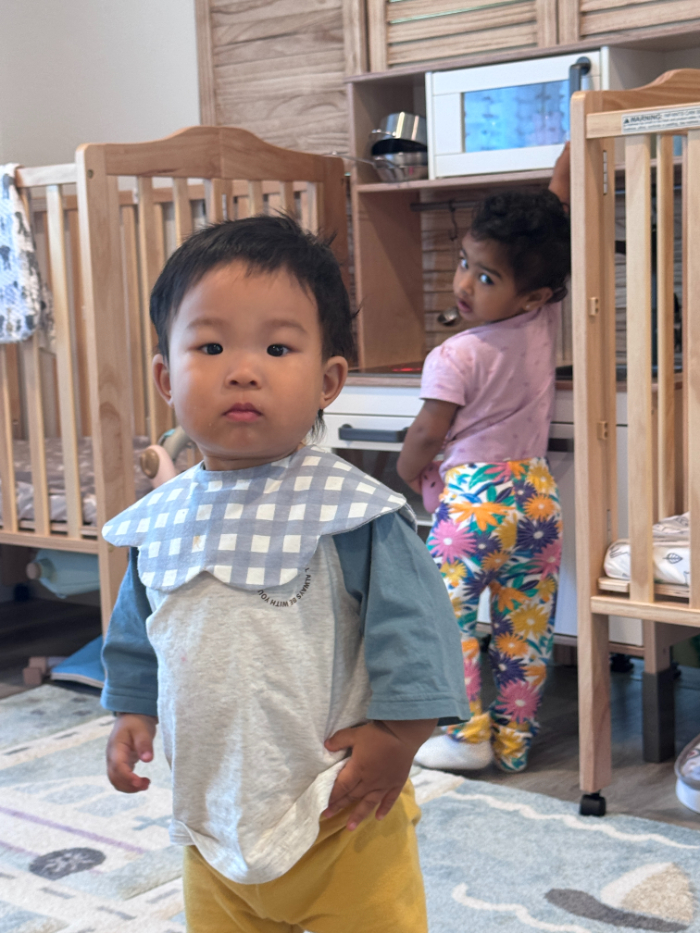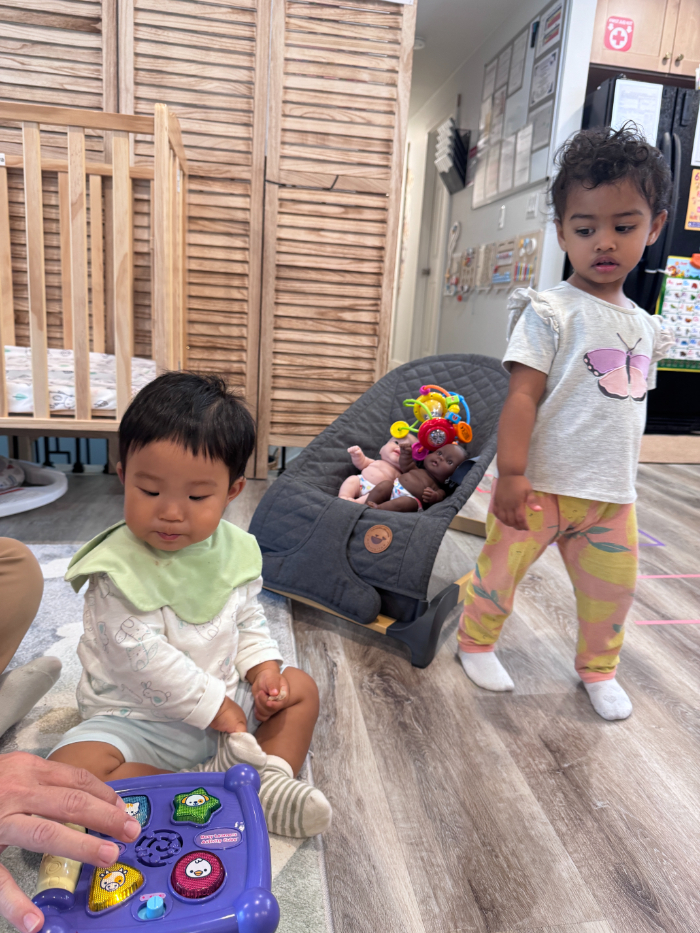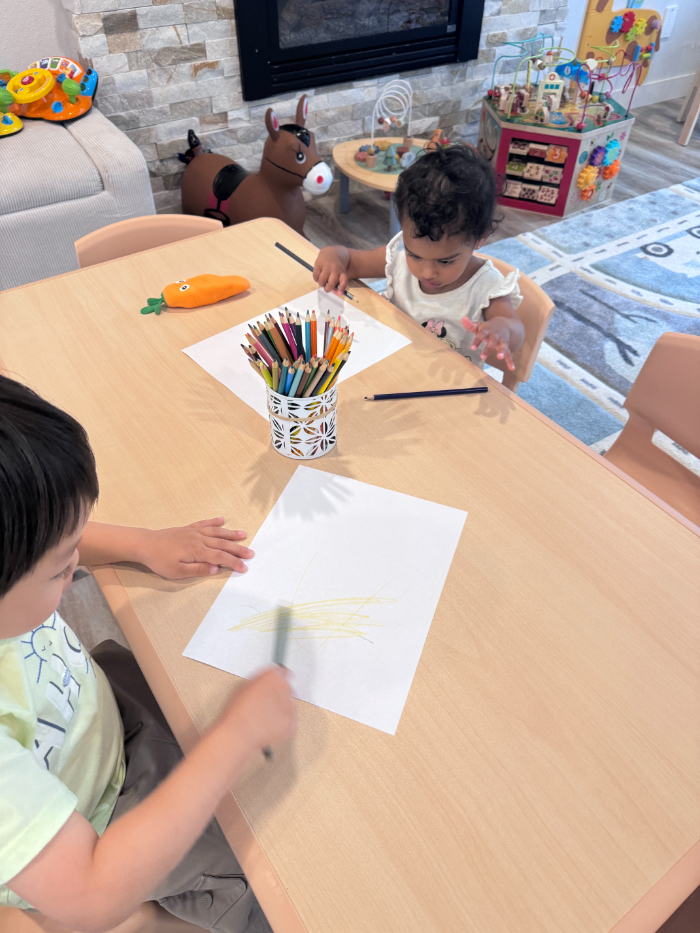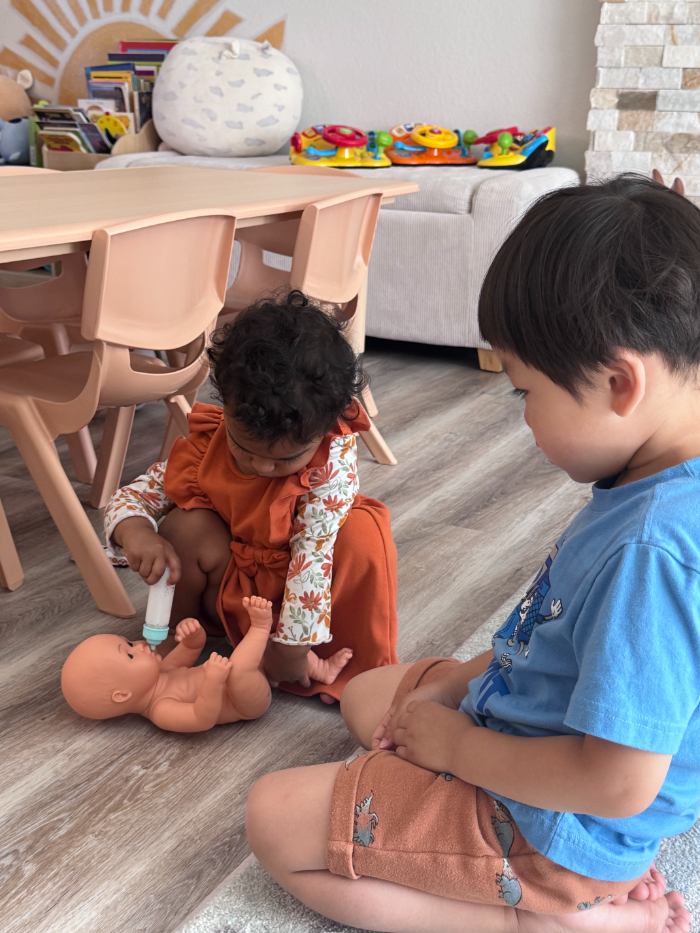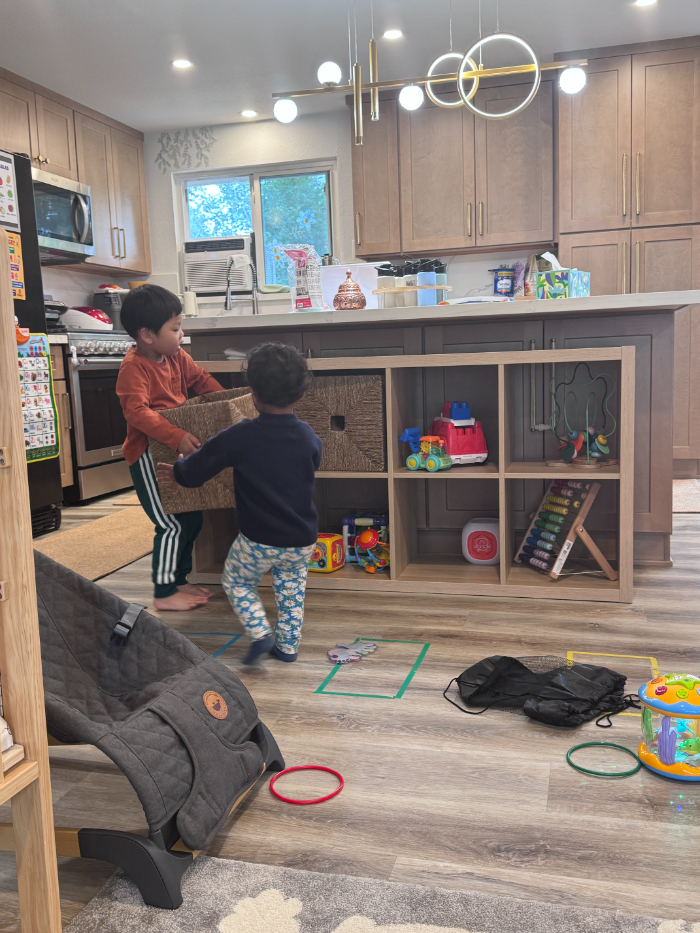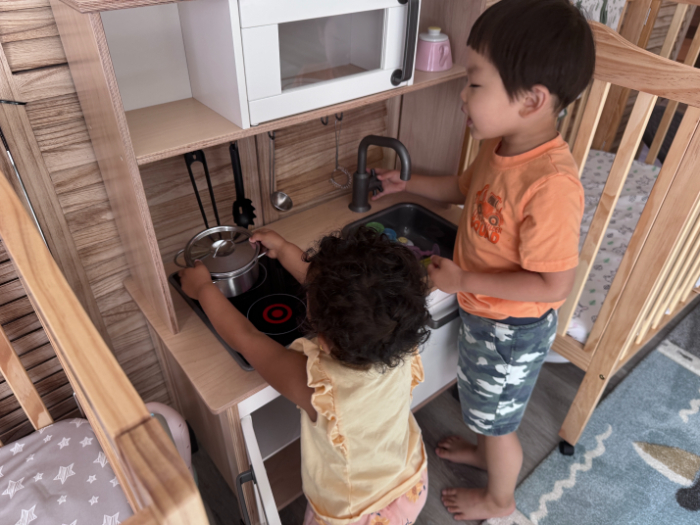
Simple Self-Care Activities for Infants and Toddlers (That Actually Work)

kidoheaven

Even before children can say “I’m overwhelmed,” their nervous systems are learning how to return to calm. Research from the Harvard Center on the Developing Child (2023) shows that the ability to self-regulate in the first three years predicts better academic performance, social skills, and mental health at age 10 and beyond.
Teaching simple self-care isn’t about “spoiling” a baby — it’s about co-regulation that gradually becomes self-regulation.

Understanding Self-Regulation in the First 3 Years

The Science Behind Infant and Toddler Self-Soothing

When an infant cries and is gently rocked, skin-to-skin contact releases oxytocin and lowers cortisol. Repeated positive experiences literally wire the prefrontal cortex for future calm (Feldman, 2022 – Zero to Three Journal).
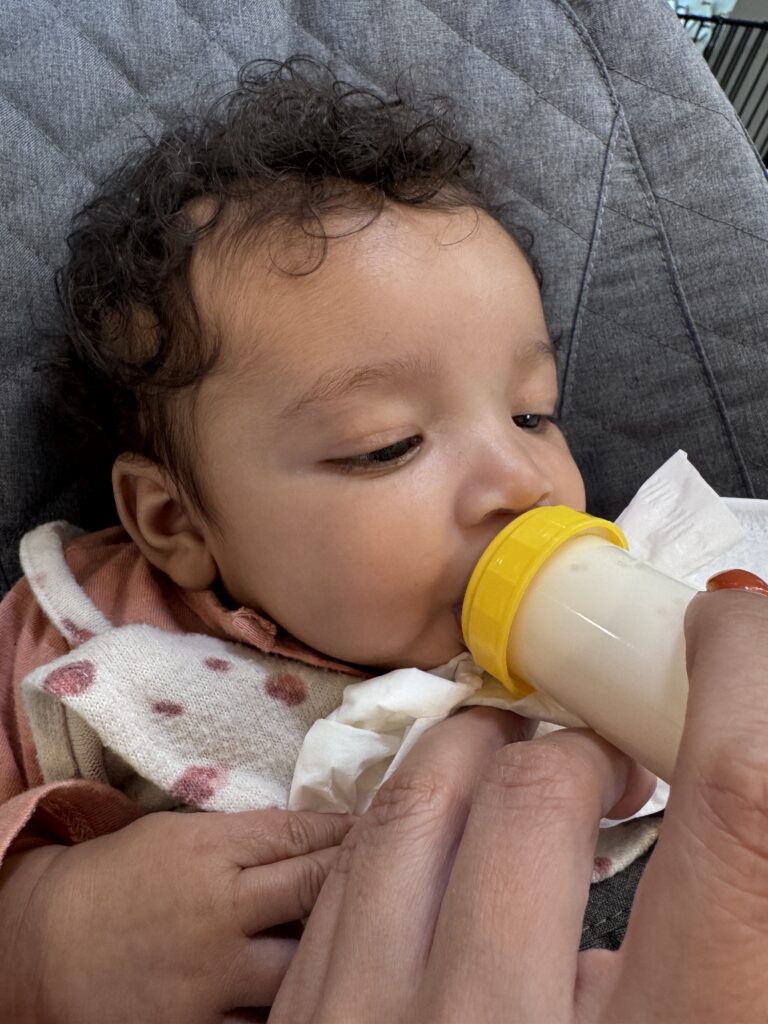
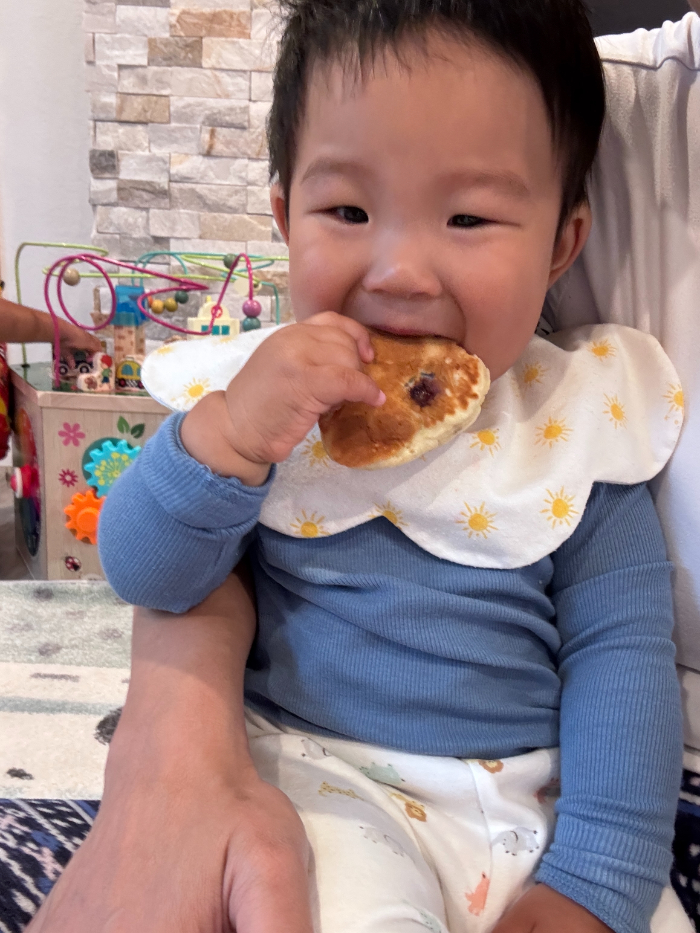
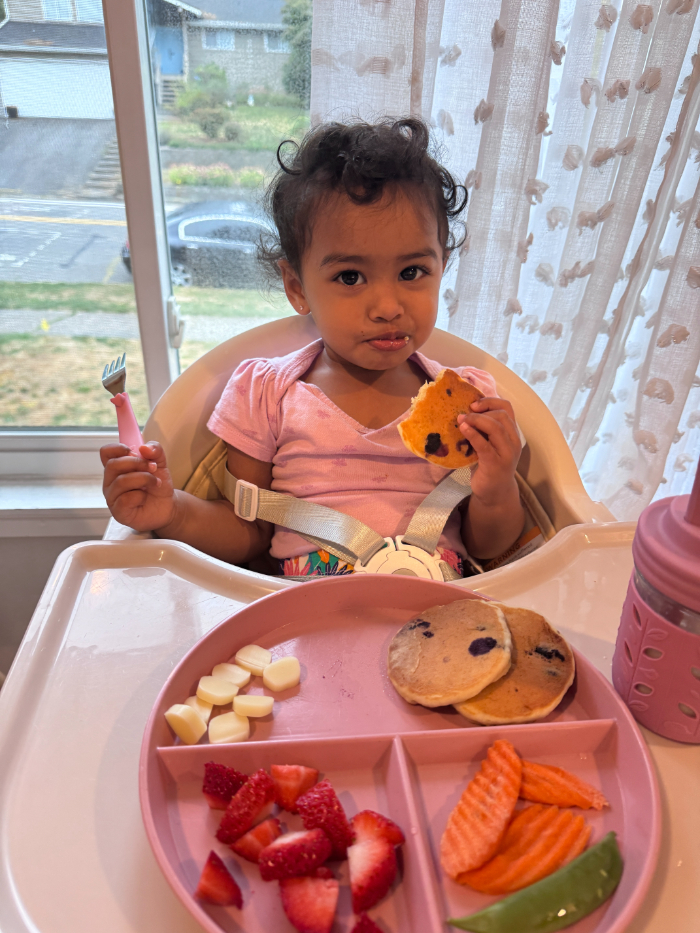
mealtime as natural self-care activity for babies

Age-by-Age Self-Care Milestones (0–36 Months)

AgeTypical Self-Regulation SignsEmerging Self-Care Skills
0–3 monthsStartle reflex, brief eye contactAccepts swaddling, sucking to calm
4–6 monthsSocial smile, tracks facesBrings hands to mouth, enjoys gentle rocking
7–12 monthsStranger anxiety peaksFinds comfort object, begins rhythmic movement
12–24 months“Terrible twos” beginUses simple words (“hug”), deep breaths with help
24–36 monthsCan name feelingsIndependently chooses calm-down toy/activity

15 Simple & Effective Self-Care Activities

Activities for Newborns & Young Infants (0–6 Months)

Skin-to-Skin Kangaroo Care
20–30 minutes daily reduces crying by up to 50% (AAP, 2022).

Slow Rocking + White/Pink Noise
Mimics womb environment; use a yoga ball for parents with back pain.

Safe Swaddling with Arms Out (4+ months)
Transition technique recommended by pediatric sleep consultants.

Gentle Bicycle Legs & Tummy Massage
Relieves gas and activates parasympathetic system.

Activities for Older Infants (6–12 Months)

DIY Sensory Bottles (Warm Water + Glitter)
Slow-falling glitter teaches visual tracking and calm focus.

Baby Sign for “More” and “All Done”
Reduces frustration tantrums by 30–40% (Goodwyn et al., 2000).

Mirror Play with Soft Music
Encourages self-recognition and emotional mirroring.

Treasure Basket Exploration
Natural materials (wooden rings, silk scarves) for mindful touch.

Activities for Toddlers (12–36 Months)

Breathing Buddy (Stuffed animal on tummy)
Lie down, watch the animal rise and fall — proven effective in preschool trials.

Calm-Down Glitter Jar
Shake and wait until glitter settles; toddlers learn “my feelings settle too.”

Cozy Corner with Weighted Blanket (≥24 months & ≥25 lbs)
Deep-pressure therapy shown to lower heart rate (Chen et al., 2021).

Toddler Yoga Poses
“Tree,” “Resting Butterfly,” and “Child’s Pose” with songs.

Hand-Over-Hand “Stop & Feel”
Guide child to place hands on chest/belly to feel heartbeat slow.

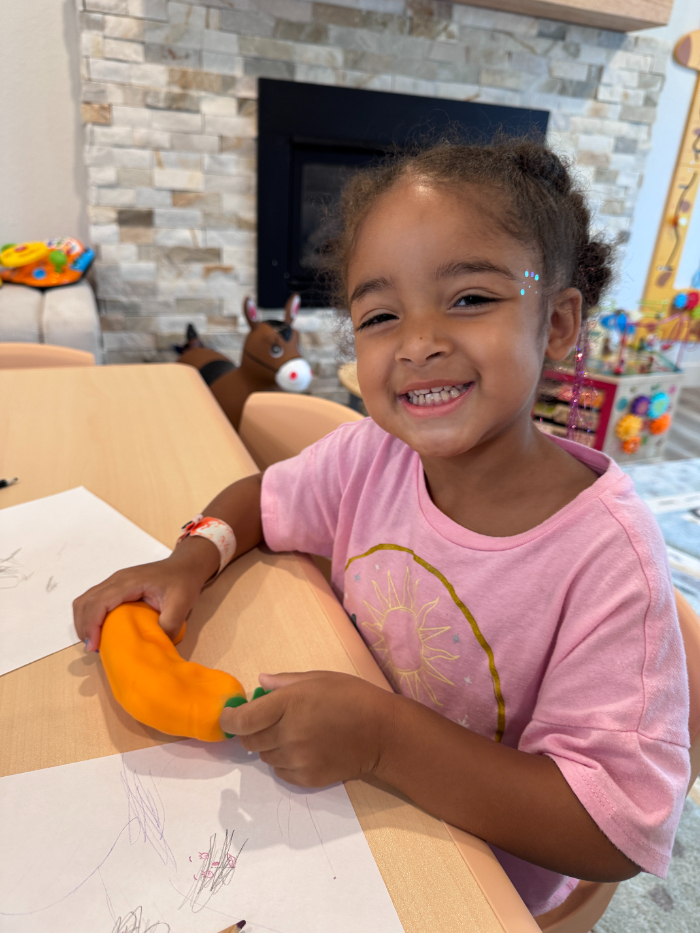
Scented Playdough (Lavender or Chamomile)
Aromatherapy + fine motor calm in one.

Bubble Breathing
Blow imaginary bubbles slowly — strengthens vagus nerve.

Adaptable Activities for Preschoolers (3–5 Years)

All toddler activities above scale beautifully. Add:

  • “I Wish My Worry Was a Bubble” (draw worry, blow it away)
  • Guided 5-Finger Gratitude Trace
  • Feelings Chart + “I Need” sentence starters
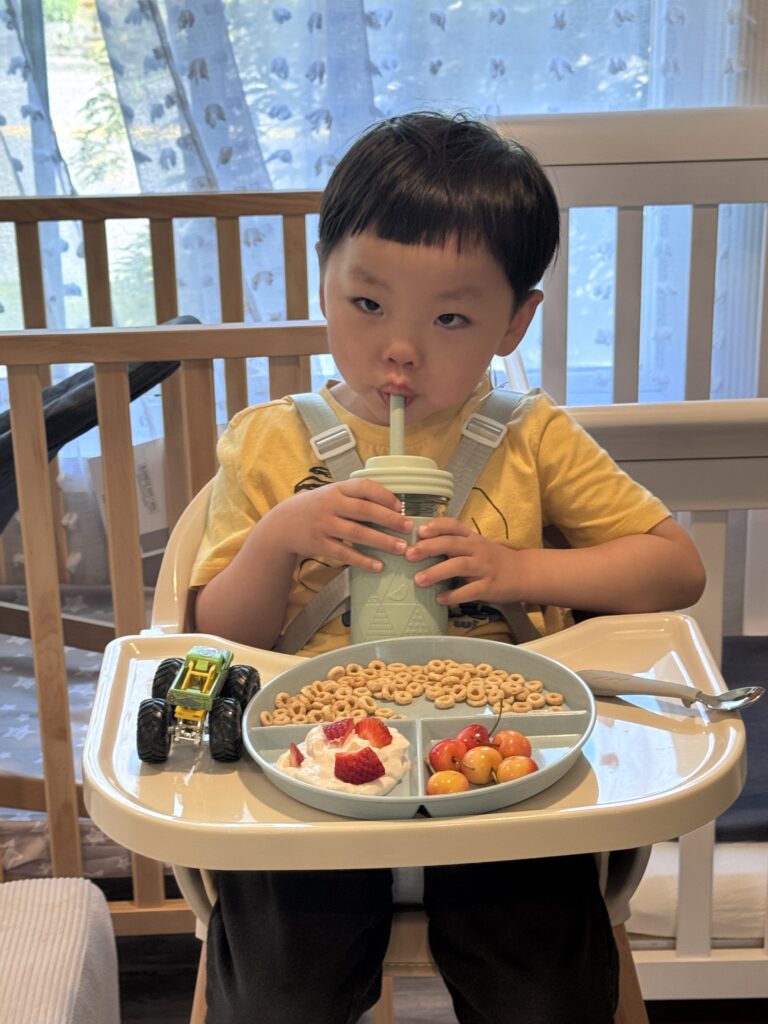
promoting calm and independence during meals

How to Create a Calming Corner at Home or in Childcare

Essential elements (under 10 sq ft):

  • Soft rug or crash pad
  • Basket of sensory tools (listed above)
  • Noise-reducing headphones (toddler size)
  • Visual timer (sand or liquid)
  • Family photo board for connection

Daily Routines That Build Lifelong Emotional Wellness

Time of DayMicro Self-Care Moment
Wake-up60-second cuddle + deep breath together
Diaper/MealSing a slow song, make eye contact
Before Nap3-book rule + lavender lotion massage
After MeltdownName emotion → choose one calm tool together
BedtimeBody scan: “Thank you feet, thank you hands”

Safety Guidelines & Developmental Red Flags

  • Never leave sensory bottles unsupervised (choking hazard if broken)
  • Weighted blankets only for children over 24 months and weighing >25 lbs
  • Consult pediatrician if child cannot self-soothe at all by 12 months or regresses suddenly

About Kido Heaven – Premium Childcare in Bothell

If you’re looking for a loving, professional childcare environment that incorporates these exact self-care and emotional wellness practices every single day, Kido Heaven in Bothell is the perfect choice. With lower-than-required teacher-to-child ratios, a daily curriculum inspired by RIE and Montessori principles, and dedicated calming corners in every classroom, we help children master emotional regulation from infancy onward.Schedule a tour or book a visit today:
Daycare Bothell | Child Care BothellKido Heaven – Where children learn to love their feelings.

Why KidoHeaven Stands Out

✅ Licensed in Washington State
✅ Aligned with Early Achievers standards
✅ Working Connections subsidy accepted
✅ Daily updates via Brightwheel
✅ Located in Bothell, serving Mill Creek, Lynnwood & nearby areas
✅ Nutritious snacks, safe outdoor space, & positive mealtime routines

📞 Call 206-734-2040 to schedule a tour
🌐 Enroll now

Follow Our Mealtime Moments

Stay updated with more beautiful outdoor meals and daily learning routines on:

Instagram | Facebook | Nextdoor | Yelp | Winnie | YouTube | Upwards

FAQ

1. Isn’t teaching self-care too advanced for babies?

No. Co-regulation in infancy becomes self-regulation by toddlerhood. The earlier you start, the stronger the neural pathways.

2. My toddler only wants screens to calm down. Is that okay?

Short-term yes, long-term no. Screens reduce cortisol quickly but prevent learning internal regulation skills (AAP, 2023).

3. How long should a calm-down activity take?

As little as 30–90 seconds for infants; 3–5 minutes for toddlers. The goal is returning to a “green zone,” not perfection.

4. Can daycare teachers use these activities?

Absolutely. Many of these (breathing buddy, glitter jars, cozy corner) are standard in Reggio-Emilia and RIE-inspired centers worldwide.

5. Where can I find high-quality childcare that already teaches emotional wellness?

Look for centers that train staff in conscious discipline and have dedicated calm corners.


Why Daycare Classrooms Share Similar Designs

kidoheaven

Daycare classrooms across the world often feature strikingly similar layouts: low shelves lining the walls, cozy reading nooks tucked in corners, open play areas with soft mats, and strategically placed changing stations. This uniformity isn’t a coincidence or a lack of creativity—it’s the result of decades of research, regulatory guidelines, and evidence-based practices aimed at fostering safety, functionality, and optimal child development.

In early childhood education, the environment acts as the “third teacher,” guiding how children explore, learn, and interact. Understanding why these designs converge can empower parents, educators, and center directors to make informed choices that enhance the childcare experience.

At its core, daycare classroom design balances the need for predictability with opportunities for discovery. Standards from organizations like the National Association for the Education of Young Children (NAEYC) emphasize environments that promote physical health, emotional security, and cognitive growth.

By adhering to these principles, classrooms become havens where young minds thrive without unnecessary risks. In this article, we’ll dive deep into the reasons behind these shared designs, explore age-tailored optimizations, and share actionable tips to refine spaces for infants, toddlers, and preschoolers. Whether you’re envisioning a new center or tweaking an existing one, these insights will help create a space that’s both compliant and captivating.

The Role of Safety Standards in Shaping Uniform Designs

Safety is the bedrock of any daycare classroom, dictating layouts that prioritize hazard prevention and easy supervision. Regulatory bodies, including state licensing agencies and federal guidelines like the Head Start Program Performance Standards (HSPPS), mandate minimum square footage—typically 35-50 square feet per child—to ensure ample room for movement without overcrowding.

This requirement alone explains why classrooms rarely feature cluttered corners or high-traffic bottlenecks; instead, they incorporate wide pathways (at least 18-24 inches) for quick caregiver access.

Key safety features, such as anchored furniture to prevent tipping, rounded edges on tables, and non-slip flooring, are non-negotiable across designs.

Electrical outlets must be covered, cords secured, and windows equipped with cordless shades to eliminate strangulation risks, as highlighted by the U.S. Consumer Product Safety Commission. These elements create a predictable blueprint: low, open shelving for visibility, soft surfaces like rubber mats under play zones to cushion falls, and gated transitions between areas to contain wandering toddlers.

Beyond physical safeguards, acoustic separation—using partitions or rugs to muffle noise—ensures a calm atmosphere, reducing stress that could lead to accidents.

Visual clutter is minimized, as studies show excessive displays can distract children and hinder focus, potentially increasing injury rates.

This shared emphasis on “zones” (e.g., quiet vs. active) stems from NAEYC’s standard for environments that support health and safety, making classrooms feel familiar and secure worldwide.

Common Safety Pitfalls and How to Avoid Them

Safety ElementRecommendationWhy It Matters
Furniture AnchoringSecure all tall units to walls with bracketsPrevents tip-overs, a leading cause of injuries
FlooringUse resilient, easy-clean mats (e.g., EVA foam)Absorbs impacts during falls; meets HSPPS
Window CoveringsInstall cordless or breakaway cordsEliminates strangulation hazards for crawlers
Storage AccessLow, labeled bins within child reachPromotes independence while avoiding clutter
Emergency ExitsClear 36-inch paths to doorsEnsures rapid evacuation in drills or incidents

By embedding these into the design, classrooms not only comply but also build trust—parents see a space where their child is protected, allowing focus on joyful learning.

Happy children playing in a well-designed daycare classroom at Kido Heaven in Bothell

Functionality: Creating Efficient and Practical Layouts

Functionality drives the modular nature of daycare designs, where spaces are divided into purposeful zones for routines like feeding, diapering, and group time. This zoning—often seen in center-based layouts—facilitates smooth transitions, reducing chaos during peak hours.

For instance, a central “gross motor” area with climbing structures contrasts with a peripheral “quiet corner” for one-on-one reading, allowing caregivers to multitask effectively.

Efficient traffic flow is another hallmark: U-shaped or circular arrangements keep educators within arm’s reach of multiple zones, supporting active supervision as per NAEYC guidelines.

Storage solutions, like stackable cubbies and rolling carts, maximize vertical space without overwhelming the floor plan, accommodating 6-20 children per room depending on age.

These practical elements explain the “sameness”: they’re battle-tested for daily demands, from nap rotations to snack distributions. Flexible furniture, such as movable partitions, allows adaptation for holidays or special events, ensuring the space evolves without renovation.

Integrating Multi-Purpose Elements for Daily Efficiency

  • Modular Walls: Fabric panels that double as whiteboards or pinboards for displays.
  • Under-Bed Storage: Low platforms for naps that conceal toys underneath.
  • Height-Adjustable Tables: Accommodate growing toddlers transitioning to preschool activities.

Such innovations keep classrooms agile, aligning with the principle that well-organized spaces decrease challenging behaviors by up to 30%, per early childhood research.

Supporting Child Development Through Thoughtful Environments

Daycare designs mirror developmental milestones, with layouts that scaffold skills from sensory exploration to social collaboration. NAEYC’s standards stress curriculum-aligned environments that invite active participation, explaining the prevalence of hands-on centers like block-building or dramatic play areas.

These zones encourage independence—children select materials from accessible shelves, fostering executive function like decision-making.

Sensory integration is key: Textured rugs for tummy time, mirrors for self-awareness, and natural light for circadian rhythm regulation all promote holistic growth.

Research from Vanderbilt’s Peabody Institute shows such designs enhance responsive caregiving, boosting attachment and emotional regulation.

Visual and acoustic cues further support learning: Color-coded zones (e.g., blue for calm) guide navigation, while soft acoustics prevent overstimulation. This uniformity ensures every child, regardless of center, encounters predictable prompts for curiosity and resilience.

Evidence-Based Benefits of Developmental Zoning

Zone TypeDevelopmental FocusExample Materials
Sensory PlayFine motor & tactile awarenessWater tables, textured balls
Dramatic PlaySocial-emotional skillsDress-up clothes, play kitchen
Reading NookLanguage & imaginationSoft cushions, diverse books
Art StationCreativity & self-expressionWashable paints, large easels

These setups not only align with growth stages but also reduce teacher intervention, freeing time for meaningful interactions.

Bright and safe daycare classroom with colorful activity zones, low shelves, and soft play mats for young children

Age-Specific Optimizations: From Infants to Preschoolers

While overarching designs share traits, nuances adapt to age groups, ensuring relevance.

Infants (0–12 Months): Nurturing Security and Sensory Foundations

Infant spaces prioritize containment and comfort: Primary caregivers’ areas with rockers for bonding, elevated changing stations for back health, and crib zones spaced 3 feet apart per HSPPS.

Soft lighting and mobiles stimulate vision without overwhelming, while floor mirrors aid body awareness. Optimizations include mobile walls for privacy during feeds and hypoallergenic fabrics to minimize allergens.

Toddlers (12–36 Months): Encouraging Mobility and Autonomy

Toddlers demand durable, low-level setups: Step stools for sinks, padded climbers for gross motor practice, and duplicate toys to curb conflicts.

Layouts feature looping paths for safe toddling, with gates to active zones. To optimize, incorporate sensory bins (e.g., rice play) and visual schedules for routine predictability, supporting emerging independence.

Preschoolers (3–5 Years): Fostering Collaboration and Inquiry

Preschool layouts expand to include group circles for circle time and collaborative tables for projects. Flexible seating like floor cushions accommodates varied attention spans, while science corners with magnifiers spark inquiry.

Enhancements: Rotating exhibits to maintain engagement and outdoor extensions for large-motor extension.

Tailoring by age ensures designs evolve with needs, creating continuity as children progress.

Practical Tips for Optimizing Daycare Spaces

Refining a space starts with assessment: Map current flow, note bottlenecks, and survey staff. Budget-friendly tweaks include:

  • Layer Lighting: Combine overhead with task lamps for zoned ambiance—dim for naps, bright for crafts.
  • Incorporate Nature: Potted greens (out of reach) and nature murals boost mood and biophilia.
  • Tech Integration: Low-profile tablets for audio stories, mounted safely to encourage digital literacy without dominance.
  • Sustainability Focus: Recycled mats and modular wood furniture reduce costs long-term.
  • Family Involvement: Co-create labels with parent photos for cultural relevance.

Regular rotations—quarterly—keep spaces fresh, aligning with NAEYC’s call for dynamic curricula.

Measure success via child engagement metrics, like time in self-directed play.

Conclusion

The similarity in daycare classroom designs reflects a collective commitment to what works: safe, functional spaces that nurture every child’s potential. By prioritizing standards, zoning for development, and age-specific tweaks, these environments transcend uniformity to become vibrant hubs of growth. As we wrap up, consider how these principles can transform your own childcare setting—perhaps starting with a simple zone audit.

For families in Bothell seeking a prime example of these ideals in action, explore Daycare Bothell options or child care Bothell services at Kido Heaven. This innovative center embodies expert design, blending safety with playful learning in welcoming spaces tailored for young explorers. Visit kidoheaven.com to discover how Kido Heaven creates joyful beginnings for infants to preschoolers, backed by a team passionate about early childhood excellence.

Why KidoHeaven Stands Out

✅ Licensed in Washington State
✅ Aligned with Early Achievers standards
✅ Working Connections subsidy accepted
✅ Daily updates via Brightwheel
✅ Located in Bothell, serving Mill Creek, Lynnwood & nearby areas
✅ Nutritious snacks, safe outdoor space, & positive mealtime routines

📞 Call 206-734-2040 to schedule a tour
🌐 Enroll now

Follow Our Mealtime Moments

Stay updated with more beautiful outdoor meals and daily learning routines on:

Instagram | Facebook | Nextdoor | Yelp | Winnie | YouTube | Upwards

FAQ

Why do all daycare classrooms look the same?

They follow universal guidelines from bodies like NAEYC and HSPPS, emphasizing safety (e.g., open sightlines) and development (e.g., activity zones) to ensure consistent quality across programs.

How much space does a daycare classroom need per child?

Aim for 35–50 square feet minimum, with more for infants (up to 55 sq ft) to accommodate cribs and caregiver movement, per licensing standards.

What are the best colors for a daycare classroom?

Soft pastels (blues, greens) for calm zones; warm accents (yellows) for active areas. Avoid bright reds to prevent overstimulation.

How can I make a small daycare space feel larger?

Use mirrors, vertical shelving, and multi-functional furniture like ottomans with storage. Light colors and minimal clutter enhance openness.

Are open-concept layouts safe for toddlers?

Yes, if zoned with rugs and low dividers for supervision. They promote flow but require anchored edges and clear paths to avoid trips.

How often should I rearrange a preschool classroom?

Every 4–6 weeks to refresh engagement, or seasonally to tie into themes, ensuring alignment with curriculum goals.


Nurturing Social Connections in Infant and Toddler Group Care

kidoheaven

The first five years of life represent a uniquely plastic period for brain development, with social experiences shaping neural pathways that influence relationships for decades. In group care settings, infants and toddlers encounter their first consistent peer interactions outside the family unit—opportunities that can either accelerate or hinder the acquisition of infant social skills and toddler group play competencies. Research from the American Academy of Pediatrics demonstrates that high-quality early childhood relationships in daycare correlate with reduced behavioural problems at school age and enhanced preschooler socialization outcomes. HealthyChildren.org+2Pediatrics Online+2 This article synthesizes current evidence on fostering early childhood relationships through intentional group activities, environmental design, and caregiver practices.

Understanding Developmental Stages of Social Interaction

Infant Social Milestones (0–12 Months)

Infants progress from reflexive social smiles (6–8 weeks) to intentional social referencing (9–12 months). Key markers include:

  • 3 months: Coordinated gaze following
  • 6 months: Differentiated social responses to familiar vs. unfamiliar adults
  • 9 months: Joint attention episodes during play
  • 12 months: Proto-imperative pointing to share interest

Toddler Social Milestones (12–36 Months)

The transition from solitary to parallel and associative play characterizes this stage:

  • 18 months: Simple imitation of peer actions
  • 24 months: Emergence of parallel play with shared toys
  • 30 months: First cooperative exchanges (“you throw, I catch”)
  • 36 months: Basic turn-taking in structured games

Preschooler Social Milestones (3–5 Years)

More complex social negotiation emerges:

  • Formation of preferential friendships
  • Understanding of social rules in group games
  • Perspective-taking in conflict resolution
  • Collaborative pretend play scenarios

The Science Behind Early Social Connections

Neurological Foundations of Social Bonding

Brain architecture is constructed early on, and responsive social environments play a key role in shaping the developing brain. According to the Center on the Developing Child at Harvard University, “brains are built over time, from the bottom up … the connections that form early provide either a strong or weak foundation for the connections that form later.” Harvard Center on Child Development+1 Serve-and-return interactions—back-and-forth exchanges between a young child and a caring adult—are essential for the development of social and language skills. Harvard Center on Child Development

Role of Attachment Theory in Group Settings

Secure attachments with multiple caregivers create “multiple secure bases” that facilitate bolder exploration of peer relationships. In group care settings, consistent, responsive caregiving supports children in forming peer cultures and engaging confidently in group social play.

Long-Term Impacts on Emotional Intelligence

High-quality early childhood relationships are associated with enduring social-emotional benefits. The AAP summary of its policy statement states that children in quality early care show improved social skills, better interpersonal relationships, and enhanced behavioural self-regulation. Pediatrics Online+1

Infants engaging in parallel play with sensory materials at daycare

Evidence-Based Group Activities for Building Social Skills

Parallel Play Strategies for Infants

Sensory Social Stations: Create mirrored activity zones where infants engage in identical activities side-by-side. Research from Zero to Three shows increased social gazing when materials are duplicated rather than shared. Implementation table:

Age GroupActivityMaterialsSocial Objective
6-9 monthsTexture exploration matsSoft fabrics, crinkly papersVisual tracking of peers
9-12 monthsBall rolling corridorsLightweight ballsReciprocal action imitation

Cooperative Music and Movement for Toddlers

Circle Time Progressions: Begin with caregiver-led songs, transition to child-initiated movements. Studies in early childhood research document a 65% increase in cooperative responses when music incorporates call-and-response elements.
Song Sequence Example:

  • “If You’re Happy and You Know It” (individual actions)
  • “Row Your Boat” (partner rows)
  • “Freeze Dance” (group statues)

Role-Playing and Dramatic Play for Preschoolers

Themed Play Zones: Set up rotating scenarios (grocery store, veterinarian office) with authentic props. Documentation from the Journal of Applied Developmental Psychology reveals that children in dramatic play centres initiate three times more social interactions than in block-area play.

Multi-Age Grouping Benefits and Implementation

Mixed-age groupings (6 months–3 years) naturally scaffold social learning. Older toddlers model language and emotional regulation for infants, while infants provide nurturing opportunities for toddlers. Implementation requires:

  • Maximum 1 : 4 ratio in mixed-age rooms
  • Vertical grouping for at least 2 hours daily
  • Designated “big helper” roles for 30+-month children

Creating a Socially Supportive Environment in Daycare

Physical Space Design for Interaction

Social Geography Principles:

  • Low dividers (24–30 inches) to maintain visual contact
  • Cozy corners with 2-3 seats for intimate interactions
  • Mirrored walls at child height to facilitate self-/other-comparison
  • Traffic patterns that encourage natural gathering points

Staff Training and Ratios for Optimal Social Guidance

Professional development should include:

  • Recognition of micro-social cues (gaze aversion, approach behaviours)
  • Scripting for social coaching (“Maya, Liam has the truck. Let’s ask if we can have a turn”)
  • De-escalation techniques for possessive conflict
    Recommended Ratios for Social Development:
    | Age Group | Maximum Ratio | Social Benefit |
    |———–|————–|—————-|
    | Infants | 1 : 3 | Individualised social referencing |
    | Toddlers | 1 : 5 | Facilitated parallel play |
    | Preschoolers | 1 : 8 | Complex group negotiation |

Daily Routines That Promote Peer Connections

Transition Rituals:

  • Greeting circles with name games
  • Partner hand-washing
  • “Buddy walks” to the playground
Multi-age group interaction during outdoor exploration

Addressing Common Social Challenges in Group Care

Managing Conflict and Teaching Empathy

Conflict Resolution Protocol:

  1. Acknowledge emotions (“You both want the red bike”)
  2. Describe actions without judgment
  3. Generate solutions collaboratively
  4. Follow-up with reconciliation gestures (e.g., high-five)

Supporting Shy or Withdrawn Children

Gradual integration strategies:

  • Assign “social mentors” (more confident peers)
  • Use visual choice boards for participation
  • Celebrate micro-progress (looking at peer = high-five)

Navigating Cultural and Linguistic Diversity

  • Implement dual-language labeling
  • Celebrate cultural holidays through child-led presentations
  • Use translation apps for real-time parent communication

Parental Involvement and Home-Care Alignment

Communication Strategies for Social Progress Updates

Digital Social Portfolios may include:

  • 30-second video clips of positive peer interactions
  • Weekly “social spotlight” emails highlighting specific skills
  • Monthly parent workshops on extending daycare social learning

Home Activities to Reinforce Daycare Social Learning

Weekend Playdate Kits may contain:

  • Laminated song cards from the classroom repertoire
  • Duplicate toys for parallel play practice
  • Conversation prompts for dinner table (“Who did you play with today?”)

Measuring and Tracking Social Development Progress

Developmental Checklists and Observation Tools

Custom Social Observation Form:

Domain3-Month Targets6-Month Targets12-Month Targets
InitiationSmiles at peersOffers toyInvites play
ResponseTracks peer movementImitates actionsTakes turns
RegulationCalms with adultRecovers from conflictUses words for needs

Individualised Social Goals and Documentation

Create child-specific social learning plans reviewed quarterly with parents, including photographic evidence and narrative observations.

About KidoHeaven: Your Partner in Early Social Development

At KidoHeaven, we specialize in creating nurturing environments where infant social skills flourish into meaningful early childhood relationships. Our Bothell centers—offering premier Daycare Bothell and child care Bothell services—implement research-based social curricula with low ratios, multi-age grouping, and continuous parent partnership. Schedule a tour to see our social learning spaces in action.

Why KidoHeaven Stands Out

✅ Licensed in Washington State
✅ Aligned with Early Achievers standards
✅ Working Connections subsidy accepted
✅ Daily updates via Brightwheel
✅ Located in Bothell, serving Mill Creek, Lynnwood & nearby areas
✅ Nutritious snacks, safe outdoor space, & positive mealtime routines

📞 Call 206-734-2040 to schedule a tour
🌐 Enroll now

Follow Our Mealtime Moments

Stay updated with more beautiful outdoor meals and daily learning routines on:

Instagram | Facebook | Nextdoor | Yelp | Winnie | YouTube | Upwards

FAQ

1. When should infants start group care for optimal social development?

The American Academy of Pediatrics suggests high-quality group care can begin at 12 months, but earlier enrollment with excellent ratios (1:3) shows no developmental harm and potential social benefits.

2. How many peers should a toddler interact with daily?

Research indicates 4–6 consistent peers provide optimal social learning without overwhelming the toddler’s regulatory capacity.

3. What if my child bites during social conflicts?

Biting often reflects communication frustration. Implement shadow supervision, teach “biting hurts” scripts, and provide teething alternatives. Most biting phases resolve within 6 weeks with consistent intervention.

4. How does screen time affect group social development?

Zero screen exposure under 18 months remains the recommendation. For 2+, limit to 15 minutes of interactive video calls with familiar peers.

5. Can introverted children thrive in group care?

Absolutely. Quality programs provide quiet spaces for recovery while gradually encouraging participation. Introverted children often develop deep one-on-one friendships in group settings.


Daycare with Positive Reinforcement Techniques

kidoheaven

If you are looking for a daycare with positive reinforcement techniques, Kido Heaven Childcare in Bothell provides a supportive environment where toddlers learn through encouragement, praise, and structured guidance instead of punishment. This approach helps children manage tantrums, improve listening skills, and build confidence in a safe and nurturing setting.

Positive reinforcement in childcare has been shown to improve behavior more effectively than traditional discipline methods. At Kido Heaven, we use these strategies daily to help children feel emotionally secure, cooperative, and engaged in learning.

What Is a Daycare with Positive Reinforcement Techniques?

A daycare with positive reinforcement techniques focuses on encouraging good behavior instead of punishing unwanted actions. Caregivers use praise, rewards, and attention to reinforce positive actions immediately after they happen.

This approach helps children understand what behaviors are expected while building confidence and emotional security. Instead of reacting to negative behavior, the focus shifts to strengthening positive habits through consistent and supportive interactions.

What Is Positive Reinforcement in Childcare

In a daycare with positive reinforcement techniques, this method is used daily to guide children’s behavior in a supportive and structured environment.

Positive reinforcement means rewarding a child immediately after a desired behavior to encourage it to happen again. This can include praise, attention, or small rewards.

Unlike punishment, which focuses on stopping bad behavior, this method builds good behavior naturally.

In high-quality programs like Child Care Bothell, this approach is essential for developing emotional intelligence and long-term habits.

In daycare strategies, including our daycare with positive reinforcement techniques, this approach aligns with developmental psychology principles. For infants to preschoolers, it turns routine interactions into learning and growth opportunities. According to the AAP guidelines on positive discipline, consistent positive feedback helps children internalize good habits without fear.

Why Positive Reinforcement Works Better Than Punishment

Research consistently shows that children respond better to encouragement than correction.

  • Builds confidence and self-esteem
  • Reduces tantrums and aggressive behavior
  • Strengthens the parent-child and caregiver-child relationship
  • Encourages long-term behavior change

Children who receive consistent positive feedback feel safer and more motivated to cooperate.

Is Daycare with Positive Reinforcement Techniques Better for Toddlers?

Yes—research shows that toddlers respond more effectively to encouragement than punishment. In a daycare with positive reinforcement techniques, children feel safe, understood, and motivated to cooperate.

This leads to fewer tantrums, better listening skills, and stronger emotional development over time.

Key Studies on Early Childhood Behavior

A landmark meta-analysis in Child Development (2018) reviewed 100+ studies and found that positive reinforcement reduces disruptive behaviors by 70% in preschool settings compared to punitive methods. The CDC positive parenting resources cite longitudinal data linking praise-rich environments to lower anxiety in school-age children.

Zero to Three on early behavior emphasizes that infants as young as 6 months respond to enthusiastic tones, laying foundations for emotional intelligence.

Toddler receiving sticker reward for sharing toys in daycare

7 Proven Positive Reinforcement Techniques That Actually Work

1. Immediate Praise

Timing matters. Always praise the behavior right after it happens.

Example:
“I love how you shared your toy!”

2. Be Specific, Not Generic

Avoid saying just “good job.”

Instead say:
“Great job cleaning up your toys so quickly!”

3. Use Simple Reward Systems

Sticker charts or small rewards can motivate toddlers—especially for routines like potty training or bedtime.

4. Focus on Effort, Not Perfection

Praise effort even if the result isn’t perfect.

This builds resilience and confidence.

5. Model Positive Behavior

Children learn by watching. Show the behavior you want to see.

6. Keep It Consistent

Inconsistent responses confuse children. Consistency builds trust and structure.

7. Gradually Reduce Rewards

Start with rewards, then shift toward verbal praise to build internal motivation.

How This Works in a Real Daycare Environment

In a daycare with positive reinforcement techniques, these strategies are integrated into every part of the daily routine.

In a structured daycare bothell, positive reinforcement becomes part of daily routines:

  • Clean-up time becomes a game with praise
  • Sharing is encouraged with immediate recognition
  • Calm behavior is rewarded with attention

At Kido Heaven, caregivers are trained to turn everyday moments into learning opportunities using consistent reinforcement strategies.

Preschooler encouraged with high-five for positive behavior

Positive Reinforcement for Different Age Groups

Infants (0–12 Months)

Even babies respond to tone and facial expressions.

  • Smiling back when they smile
  • Encouraging sounds and babbling
  • Gentle praise during feeding and play

Toddlers (1–3 Years)

This stage benefits the most from reinforcement.

  • Praise for sharing
  • Encouragement during potty training
  • Rewarding calm behavior instead of reacting to tantrums

Preschoolers (3–5 Years)

Focus shifts to social skills and independence.

  • Group praise
  • Encouraging teamwork
  • Recognizing helpful behavior

Common Mistakes to Avoid

  • ❌ Overusing rewards
  • ❌ Being inconsistent
  • ❌ Giving vague praise
  • ❌ Ignoring positive behavior

Avoiding these mistakes ensures the method stays effective.

Real Results: What Parents Notice

Parents often report:

  • Fewer tantrums
  • Better listening skills
  • Improved social behavior
  • More confidence in their child

These results are especially noticeable in structured programs like Child Care Bothell, where consistency is key.

Why Parents Choose Kido Heaven

At Kido Heaven, we focus on more than just supervision—we build emotional strength and positive behavior habits.

Our daycare Bothell program includes:

  • Structured daily routines
  • Experienced caregivers trained in behavior development
  • Safe and nurturing environment
  • Focus on emotional and social growth

We believe every child learns best through encouragement, not punishment.

Call to Action

At Kido Heaven, we offer a structured and nurturing daycare with positive reinforcement techniques designed to support toddler behavior and emotional growth.

Families looking for trusted daycare Bothell or reliable child care Bothell services can explore our programs here:

👉 https://kidoheaven.com/

If you’re looking for a supportive and structured daycare Bothell that truly understands child behavior, we’re here to help.

📞 Call now to schedule a tour
🌐 Enroll today and see the difference positive reinforcement can make, per longitudinal tracking.

Academic and Social Outcomes

Harvard’s Grant Study extensions link early praise to higher GPA and social competence in adolescence. Daycare strategies today predict lifelong success.

At Kido Heaven, we specialize in nurturing environments that harness positive reinforcement in childcare daily. Explore our Daycare Bothell and child care Bothell programs, where expert strategies turn every moment into a growth opportunity for your little one. Contact us to see the difference!

Why KidoHeaven Stands Out

✅ Licensed in Washington State
✅ Aligned with Early Achievers standards
✅ Working Connections subsidy accepted
✅ Daily updates via Brightwheel
✅ Located in Bothell, serving Mill Creek, Lynnwood & nearby areas
✅ Nutritious snacks, safe outdoor space, & positive mealtime routines

📞 Call 206-734-2040 to schedule a tour
🌐 Enroll now

Follow Our Mealtime Moments

Stay updated with more beautiful outdoor meals and daily learning routines on:

Instagram | Facebook | Nextdoor | Yelp | Winnie | YouTube | Upwards

FAQ

1. What is positive reinforcement in childcare?

It’s a method of encouraging good behavior using praise or rewards immediately after the behavior occurs.

2. Does positive reinforcement really work for toddlers?

Yes. It is one of the most effective ways to manage toddler behavior without punishment.

3. Can this method replace discipline?

It doesn’t remove discipline—it improves how discipline is applied by focusing on positive behavior.

4. How long does it take to see results?

Many parents notice changes within a few days when applied consistently.

5. Are rewards necessary long-term?

No—transition to verbal praise for sustainable habits.

6. How do daycare strategies incorporate this?

Through consistent systems, caregiver training, and parent communication.

7. What is a daycare with positive reinforcement techniques?

It is a childcare program that focuses on encouraging positive behavior using praise, rewards, and supportive guidance instead of punishment.


Allergy-Safe Daycare: Expert Guide 2025

kidoheaven

Allergic conditions in children under five have surged by over 50% in the past two decades, according to the Centers for Disease Control and Prevention (CDC). In childcare settings—where infants and preschoolers spend up to 10 hours daily—this rise demands more than basic avoidance. It requires a systemic, evidence-based approach that integrates medical precision, staff readiness, and transparent parent partnerships.

This guide delivers actionable, expert-level protocols for childcare allergies management, designed to protect infants through preschoolers while maintaining operational excellence and legal compliance.

Understanding Common Allergens in Childcare Environments

Food Allergens: Prevalence and Risk Levels

The most common food allergens in early childhood include peanuts, tree nuts, milk, egg, wheat, and soy. Peanuts affect approximately 2.2% of children aged 0–5, with the highest risk of anaphylaxis. Milk allergy, while affecting 2.5%, often resolves by school age but poses immediate risks in spill-prone daycare environments.

Cross-contact is the silent threat: a single peanut residue on a shared toy can trigger a reaction in a sensitive toddler. Preschooler food safety hinges on eliminating shared snacks and enforcing strict label-reading policies.

Environmental Allergens: Hidden Triggers in Playspaces

Beyond food, environmental allergens lurk in everyday materials:

  • Dust mites thrive in nap mats and soft toys
  • Mold grows in water tables and humid bathrooms
  • Latex hides in balloons and art gloves
  • Fragrances from cleaners trigger respiratory distress

Pro Tip: Replace feather pillows with hypoallergenic fills and schedule weekly HEPA vacuuming to reduce dust exposure by up to 80%.

Legal and Regulatory Requirements for Allergy Management

Childcare centers operate under a complex web of federal and state regulations. The Americans with Disabilities Act (ADA) classifies severe food allergies as disabilities, requiring reasonable accommodations. The USDA Child and Adult Care Food Program (CACFP) mandates meal substitutions with physician documentation.

State licensing boards—such as Washington’s Department of Health—require written allergy plans, staff training logs, and on-site epinephrine. Failure to comply risks license suspension.

Reference: American Academy of Pediatrics – Managing Chronic Health Needs in Child Care

KidoHeaven Bothell childcare center with safety signage

Developing an Allergy-Safe Childcare Policy

Enrollment Screening and Allergy Action Plans

Begin with a mandatory pre-enrollment health questionnaire signed by a pediatrician. For known allergies, require an Allergy Action Plan (AAP) co-signed by parent and doctor. Post the child’s photo and trigger list in the kitchen, classroom, and emergency binder.

Individualized Healthcare Plans (IHPs)

Every allergic child needs a laminated IHP including:

  • Current photo
  • Specific allergens and cross-contact risks
  • Symptom progression (mild to severe)
  • Medication dose and administration route
  • Two parent contacts + pediatrician

Staff Training and Competency Standards

Core Training Modules

All staff must complete annual training in:

  • Allergy basics and anaphylaxis recognition (2 hours)
  • Epinephrine auto-injector use (hands-on with trainer devices)
  • Cross-contact prevention in kitchen and classroom

Ongoing Education and Drills

Conduct monthly scenario drills (e.g., “A toddler ate a cookie with hidden nuts”). Use digital quizzes and peer competency checks every six months. Research shows centers with regular drills reduce emergency response time by 68% (Journal of Allergy and Clinical Immunology, 2023).

Effective Parent Communication Strategies

Transparency builds trust. At enrollment, review the Allergy Disclosure Form in person and discuss substitution menus. Enforce a no-home-food policy except for medically required items.

Use a parent app (like Procare) for:

  • Daily meal confirmations
  • Real-time incident alerts
  • 24/7 emergency hotline access
Child using gluten-free sensory dough in play bin

Creating Allergy-Aware Physical Environments

Food Preparation and Service Zones

Designate a color-coded allergy-free prep station. Enforce handwashing before and after meals. Seat allergic children first and clean their tables last to prevent residue transfer.

Play Areas and Sensory Materials

Replace wheat-based playdough with gluten-free recipes (rice flour + cornstarch). Use plant-based finger paints and certified allergen-free sensory bins. Sift sand tables weekly to remove debris.

Emergency Response Protocols

Recognizing Anaphylaxis in Young Children

Symptoms vary by age:

  • Infants: Sudden vomiting, hives, floppy posture
  • Toddlers: Hoarse cry, drooling, clutching throat
  • Preschoolers: Verbal cues like “My tongue feels big” or wheezing

Epinephrine Administration and Post-Incident Procedures

  • Administer EpiPen Jr (0.15 mg) for children under 66 lbs
  • Call 911 immediately—even if symptoms improve
  • Place child in recovery position
  • Document time, dose, symptoms, and witnesses
  • Notify parents and pediatrician within 10 minutes

Source: Food Allergy Research & Education (FARE)

Monitoring, Documentation, and Continuous Improvement

Use digital incident logs with photo uploads. Conduct root cause analysis within 24 hours and review trends monthly. Hold annual policy reviews with parent advisory input and alignment with AAAAI guidelines.

About KidoHeaven: Your Partner in Allergy-Safe Childcare

At KidoHeaven, safety is personal. Our Daycare Bothell and child care Bothell centers implement zero-tolerance cross-contact protocols, annual allergist consultations, and real-time parent apps.

Our nationally certified staff maintain visual allergy alerts and dedicated EpiPen stations in every classroom. Schedule a tour today—see how we turn health precautions into peace of mind.

Why KidoHeaven Stands Out

✅ Licensed in Washington State
✅ Aligned with Early Achievers standards
✅ Working Connections subsidy accepted
✅ Daily updates via Brightwheel
✅ Located in Bothell, serving Mill Creek, Lynnwood & nearby areas
✅ Nutritious snacks, safe outdoor space, & positive mealtime routines

📞 Call 206-734-2040 to schedule a tour
🌐 Enroll now

Follow Our Mealtime Moments

Stay updated with more beautiful outdoor meals and daily learning routines on:

Instagram | Facebook | Nextdoor | Yelp | Winnie | YouTube | Upwards

FAQ

1. Can a childcare center refuse a child with severe allergies?

No. Under the ADA, centers must provide reasonable accommodations unless it poses an undue burden.

2. Can staff give epinephrine without parental consent?

Yes—trained staff may administer it to any child showing anaphylaxis under Good Samaritan laws in all 50 states.

3. How do you handle birthday treats?

Adopt a non-food celebration policy: stickers, books, or dance parties. Pre-approved commercial treats only, with full labels.

4. What if a parent forgets the EpiPen?

The child cannot attend until medication is provided. Offer a 24-hour grace period with reminders.

5. Are cloth diapers risky for food-allergic infants?

Minimal risk if washed at 140°F. Focus on formula prep surfaces and pacifier hygiene.


Seasonal Activities for Infants and Toddlers

Seasonal daycare activities transform routine childcare into dynamic learning cycles. For Bothell daycare centers, these toddler seasonal play ideas align curriculum with nature’s rhythm, boosting early childhood engagement. This expert guide—crafted for daycare providers—delivers 20+ classroom-tested activities, adaptable for infants (0-12 months), toddlers (1-3 years), and preschoolers (3-5 years).
NAEYC research confirms seasonal themes enhance attendance and parent satisfaction in daycare settings. Each activity includes setup time, staff ratios, and cleanup hacks for smooth implementation.

Developmental Benefits in Daycare Settings

Structured seasonal play supports daycare licensing standards while meeting developmental milestones.

Sensory & Motor Skill Growth

Infants build neural pathways through tactile stations. Toddlers refine pincer grasp via scooping tasks. A Child Development study shows 30% faster motor progress in nature-rich daycare programs.

Social-Emotional Learning Through Seasons

Group harvest activities teach sharing; winter cozy corners build empathy. Reduces separation anxiety by 25%, per Head Start data.

Age-Group Adaptations for Mixed Classes

Use zoned classrooms: passive bins for infants, active tables for toddlers, cooperative circles for preschoolers. Ensures compliance with Washington State childcare ratios.

Infants in daycare yard patting soft soil bins with tree bark textures – spring sensory stations Bothell childcare

Spring Daycare Activities: Nature Awakening

Schedule 20-minute rotations to manage group flow.

Infant Petal Sensory Stations

Setup (5 min): Line low bins with washable mats; add pesticide-free petals.
Staff Ratio: 1:2.
Benefit: Visual tracking; soothes teething.
Storage: Seal petals in labeled bags for weekly reuse.

Toddler Mud Kitchen Centers

Setup (10 min): Outdoor vinyl mats, water hose station.
Staff Ratio: 1:4.
Benefit: Imaginative role-play; hand strength.
Hygiene: CDC handwashing protocol post-play.

Preschooler Seed Planting Rotations

Setup (15 min): 6-station carousel with pots, soil, bean seeds.
Staff Ratio: 1:6.
Benefit: Responsibility; science journaling.
Extension: Weekly growth chart on classroom wall.

Summer Daycare Activities: Water & Outdoor Play

Morning sessions beat heat; afternoon for indoor alternatives.

Infant Water Tray Exploration

Setup (3 min): 2-inch deep trays, floating ducks.
Staff Ratio: 1:1 (water play).
Benefit: Cause-effect learning.
Safety: AAP water supervision.

Toddler Bubble Chase Circuits

Setup (5 min): Marked turf zones, battery blowers.
Staff Ratio: 1:5.
Benefit: Gross motor; joy regulation.
Rainy Day: Hallway bubble paths.

Preschooler Scavenger Hunt Zones

Setup (10 min): Laminated picture cards, collection baskets.
Staff Ratio: 1:8.
Benefit: Teamwork; classification skills.
Digital Twist: Photo checklist on classroom tablet.

Baby exploring washed tree bark pieces in low yard tray – summer infant water-adjacent sensory play

Fall Daycare Activities: Harvest Sensory Play

Leverage parent-donated pumpkins for budget savings.

Infant Leaf Crinkle Corners

Setup (4 min): Soft crates with washed leaves.
Staff Ratio: 1:3.
Benefit: Auditory processing.
Allergy Protocol: Parent opt-out forms.

Toddler Pumpkin Scooping Tables

Setup (8 min): Newspaper-lined tables, mini pumpkins.
Staff Ratio: 1:4.
Benefit: Sensory tolerance; scooping precision.
Compost: Seed roasting for snack day.

Preschooler Apple Stamping Stations

Setup (12 min): Halved apples, washable paint trays.
Staff Ratio: 1:6.
Benefit: Symmetry math; fine motor.
Display: Gallery wall with child signatures.

Winter Daycare Activities: Indoor Snow & Ice Play

Maximize indoor square footage with rotating stations.

Infant Fake Snow Tubs

Setup (6 min): Baking soda + conditioner mix in sealed tubs.
Staff Ratio: 1:2.
Benefit: Cool texture exploration.
Source: NAEYC sensory recipes.

Toddler Ice Block Melting Labs

Setup (15 min prep): Freeze toys overnight; provide warm water droppers.
Staff Ratio: 1:4.
Benefit: Scientific inquiry.
Documentation: Time-lapse video for parent app.

Preschooler Snowflake Symmetry Crafts

Setup (10 min): Pre-folded paper, safety scissors.
Staff Ratio: 1:7.
Benefit: Pattern recognition.
Tech Link: Compare to NASA snowflake gallery.

Daycare Safety & Implementation Tips

Align with WAC 110-300 standards.

Staff Supervision Protocols

Infants: Arm’s reach at all times.
Toddlers: Visual checks every 10 seconds.
Preschoolers: Zoned oversight with walkie-talkies.
Reference: DCYF childcare safety.

Material Prep & Storage

Label bins by season; rotate quarterly. Sanitize per EPA childcare guidelines.

KidoHeaven: Bothell’s Trusted Daycare Partner

KidoHeaven delivers research-backed seasonal curricula in a nurturing environment. As Bothell’s premier Daycare Bothell and child care Bothell center, we integrate these activities daily to spark curiosity and growth. Schedule a tour to experience our seasonal magic firsthand.

Why KidoHeaven Stands Out

✅ Licensed in Washington State
✅ Aligned with Early Achievers standards
✅ Working Connections subsidy accepted
✅ Daily updates via Brightwheel
✅ Located in Bothell, serving Mill Creek, Lynnwood & nearby areas
✅ Nutritious snacks, safe outdoor space, & positive mealtime routines

📞 Call 206-734-2040 to schedule a tour
🌐 Enroll now

Follow Our Mealtime Moments

Stay updated with more beautiful outdoor meals and daily learning routines on:

Instagram | Facebook | Nextdoor | Yelp | Winnie | YouTube | Upwards

FAQ

1. How to fit seasonal activities into a tight daycare schedule?

Use 15-minute micro-rotations during free play blocks.

2. What about children with sensory sensitivities?

Offer parallel quiet zones with familiar toys; gradual exposure.

3. Can parents replicate these at home?

Yes—share weekly take-home activity cards via parent portal.

4. How to document for licensing portfolios?

Photo + caption per child, aligned to WA State Early Learning Standards.

5. Budget tips for small daycare centers?

Partner with local farms for free produce; apply for NAEYC mini-grants.

6. Handling weather cancellations?

Pre-plan indoor swaps (e.g., paper leaves for real ones).


Daycare Child Library: Books & Corners for Early Literacy

kidoheaven

Creating a child library in daycare is one of the most effective ways to nurture early literacy and a lifelong love of reading. This guide walks you step by step through planning, designing, and maintaining a literacy-rich environment—from selecting age-appropriate board books to building cozy reading corners that engage infants, toddlers, and preschoolers. You’ll learn how to align your library with early learning standards, encourage daily reading routines, and measure literacy growth in children. With practical tips on safety, hygiene, and parent involvement, this article helps caregivers and educators transform any childcare setting into an inspiring early literacy hub.

Why Early Literacy Matters in Daycare Settings

Research from the American Academy of Pediatrics (AAP) shows that children exposed to reading before age 2 develop larger vocabularies and stronger language skills by kindergarten. In daycare environments, a dedicated childcare library serves as a foundational tool for early childhood literacy, bridging home and school experiences.

Studies published in Pediatrics (2020) indicate that daily read-aloud sessions in group care settings improve phonological awareness by 25% in preschoolers. For infants, tactile board books stimulate neural pathways associated with object permanence and sensory integration.

A well-designed daycare reading corner transforms passive caregiving into active cognitive development, reducing screen time while fostering emotional regulation through storytelling.

Planning Your Daycare Library: Space and Goals

Assessing Available Space for Infants to Preschoolers

Measure square footage per child per NAEYC guidelines: minimum 35 sq ft per child, with 10–15 sq ft dedicated to the reading area. For mixed-age groups, create zoned sections—soft mats for infants, low shelves for toddlers, and bean bags for preschoolers.

Defining Literacy Goals by Age Group

Age GroupPrimary GoalMeasurable Outcome
0–12 monthsSensory exposureTracks images, reaches for books
1–3 yearsVocabulary buildingNames 10+ objects in books
3–5 yearsNarrative comprehensionRetells simple stories

Align with Head Start Early Learning Outcomes Framework.

Cozy daycare reading corner with low shelves and colorful board books

Selecting Age-Appropriate Board Books and Materials

Infant Board Books: Sensory and Durable Choices

Choose vinyl or cloth books resistant to drool and tearing. High-contrast visuals (black/white/red) support visual development in 0–6-month-olds.
Recommended: Black on White by Tana Hoban.

Toddler Reading Selections: Interactive and Repetitive

Lift-the-flap and touch-and-feel formats promote fine motor skills. Repetition in texts like Dear Zoo builds prediction skills. Avoid books with small parts per CPSC choking hazard standards.

Preschooler Books: Narrative-Driven and Educational

Transition to thicker board books with simple plots. Include STEM titles (Rosie Revere, Engineer board edition) and social-emotional learning (The Color Monster).

Diversity and Inclusion in Book Selection

Ensure 40% of collection reflects varied family structures, abilities, and cultures. Use Lee & Low Books’ diversity baseline checklist.
External resource: We Need Diverse Books.

Designing a Cozy Daycare Reading Corner

Essential Furniture for Safety and Comfort

Use rounded-edge, commercial-grade furniture meeting ASTM F963 standards.
Height guidelines:

  • Infants: Floor-level padded mats
  • Toddlers: 8–10 inch shelves
  • Preschoolers: 12–15 inch benches

Lighting, Colors, and Sensory Elements

Natural light preferred; supplement with 3,000K warm LED bulbs. Wall colors: muted pastels (sage green, soft blue) to reduce overstimulation. Add textured pillows and quiet fidget toys.

Storage Solutions for Easy Access and Rotation

Forward-facing acrylic displays increase selection by 30% (Journal of Early Childhood Research). Use labeled bins for thematic rotation (seasons, emotions, animals).

Building and Curating the Book Collection

Core Collection: Must-Have Board Book Titles

CategoryTitleAuthorAge
ClassicGoodnight MoonMargaret Wise Brown0–3
InteractivePress HereHervé Tullet2–5
DiversityEverywhere BabiesSusan Meyers0–2
STEMBaby Loves Aerospace Engineering!Ruth Spiro1–4

Start with multiple copies of high-demand titles.

Sourcing Books: New, Used, and Donation Strategies

  • Educator discounts: Barefoot Books and similar publishers
  • Library discards: Check local systems for gently used board books
  • Parent drives: Request “gently loved” donations with wish lists

Rotation Schedules to Maintain Engagement

Rotate 20% of collection biweekly. Track usage via simple checkout sheets to identify favorites.

Integrating the Library into Daily Routines

Scheduled Reading Times for Each Age Group

TimeActivityDuration
9:30 AMInfant lap reading (1:1)5–7 min
10:15 AMToddler group read-aloud10 min
2:00 PMPreschool story + discussion15–20 min
Multilingual board book collection in Bothell daycare

Staff Training on Interactive Read-Aloud Techniques

Use Dialogic Reading method (C. Whitehurst):

  • Prompt child to describe pictures
  • Evaluate responses
  • Expand on answers
  • Repeat key phrases

Record mock sessions for peer feedback.

Tracking Progress in Early Childhood Literacy

Use ASQ-3 screening tools at 6-month intervals. Document vocabulary growth via parent-teacher conferences.

Maintenance, Safety, and Hygiene Protocols

Cleaning and Sanitizing Board Books

Wipe vinyl covers with 1:10 bleach solution daily. Cloth books: machine wash weekly. Discard damaged books immediately to prevent ingestion hazards.

Safety Standards for Furniture and Accessories

Anchor all shelves to walls (CPSC: furniture tip-over kills 1 child every 2 weeks). Use non-toxic, GREENGUARD-certified materials.

Inventory Management and Damage Control

Digital catalog via LibraryThing or simple Google Sheets. Repair minor tears with book tape; replace beyond repair.

Measuring Success and Scaling Your Childcare Library

Key Metrics for Early Literacy Development

MetricTargetTool
Book interactions/day3+ per childObservation log
Parent reading at home70% weeklySurvey
Vocabulary growth+50 words/6 monthsPPVT-5

Parent Involvement and Feedback Loops

Host monthly “Library Nights” where families borrow books. Use QR codes linking to read-aloud videos in native languages.

Expanding to Multilingual and Thematic Collections

Add dual-language board books (Spanish/English, Mandarin/English) based on enrollment demographics. Create pop-up themed corners (ocean, farm) quarterly.

About Kido Heaven

Kido Heaven is a trusted Daycare Bothell center dedicated to nurturing curiosity, creativity, and early literacy in young children. Our programs combine play-based learning with personalized care, featuring cozy reading corners, age-appropriate board books, and engaging daily activities that support language development. Families choose Kido Heaven for its warm environment, qualified educators, and commitment to helping every child grow with confidence and joy.

Why KidoHeaven Stands Out

✅ Licensed in Washington State
✅ Aligned with Early Achievers standards
✅ Working Connections subsidy accepted
✅ Daily updates via Brightwheel
✅ Located in Bothell, serving Mill Creek, Lynnwood & nearby areas
✅ Nutritious snacks, safe outdoor space, & positive mealtime routines

📞 Call 206-734-2040 to schedule a tour
🌐 Enroll now

Follow Our Mealtime Moments

Stay updated with more beautiful outdoor meals and daily learning routines on:

Instagram | Facebook | Nextdoor | Yelp | Winnie | YouTube | Upwards

FAQ

Q: How many books should a daycare library start with?

A: Begin with 50–75 board books for 20 children (3–4 books per child). Scale up as resources allow.

Q: Are e-books suitable for infants in daycare?

A: No—AAP recommends zero screen time under 18 months. Physical books provide tactile feedback essential for brain development.

Q: How do I clean board books after illnesses?

A: Use EPA-registered disinfectants safe for children’s toys. Air dry completely before returning to shelves.

Q: Can I use library books in daycare?

A: Public library board books often lack durability. Invest in commercial-grade editions or laminate paperbacks.

Q: What if parents don’t read at home?

A: Provide take-home book bags with simple discussion prompts. Record staff read-alouds for families to play.


Supporting Bilingual Development in Childcare

kidoheaven

Bilingualism in early childhood builds cognitive flexibility, cultural empathy, and long-term academic advantages. In childcare, consistent exposure through play-based songs, diverse books, and responsive caregiver interactions can turn infants and toddlers into confident bilingual speakers—without overwhelming daily routines. This guide delivers evidence-based methods, practical schedules, and inclusive tools to implement multilingual daycare programs that honor every child’s heritage. Read on for actionable frameworks, sample activities, and answers to common concerns.

The Science of Early Bilingualism

Bilingualism isn’t just a skill—it’s a superpower for young brains. Research shows that exposing children to multiple languages from infancy rewires neural pathways for better adaptability, much like bilingualism in adults enhances problem-solving. In childcare settings, where kids spend crucial hours, structured multilingual exposure can accelerate this process without adding stress.

Brain Development Milestones

From birth, infants’ brains are wired for multiple languages. Studies using functional MRI scans reveal that babies exposed to two languages before 12 months activate the same language-processing areas (Broca’s and Wernicke’s) for both, building parallel pathways early on. By 8 months, bilingual infants excel at distinguishing subtle sounds across languages, a feat that monolingual peers often lose due to “perceptual narrowing.” This window closes around 10–12 months, making early childcare a prime time for intervention.

Cognitive and Social Advantages

The benefits extend far beyond linguistics. A comprehensive review of over 60 studies found bilingual children gain a 0.40 standard deviation edge in executive functions like focus and impulse control, and 0.55 SD in metalinguistic skills such as sound awareness. Socially, they develop stronger empathy by age 4, better understanding others’ perspectives through code-switching practice. Long-term? Bilingual grads earn 5–20% higher salaries in global markets, per economic analyses.

Smiling children playing outdoors at KidoHeaven day care Bothell

Core Principles of Bilingual Childcare

Effective bilingual programs in daycare rely on proven strategies that balance exposure without confusion. These principles ensure consistency, making language learning feel natural rather than forced.

One Person, One Language (OPOL)

Assign each caregiver a single language for all interactions. In a diverse center, a Spanish-speaking teacher might lead music time, while an English-speaking one handles story hour. This method, used in European immersion programs, helps kids associate voices with tongues, reducing mix-ups.

Minority Language at Home (mL@H)

Prioritize the home’s less-dominant language in childcare to counter majority-language dominance outside. For immigrant families, this reinforces heritage tongues, preserving cultural identity while building proficiency in the community language.

Time-and-Place Segmentation

Dedicate specific times or zones to each language—Spanish for outdoor play, English for indoor crafts. This “compartmentalization” mimics natural bilingual environments and prevents overload, allowing kids to switch gears effortlessly.

Age-Specific Implementation Strategies

Tailor approaches to developmental stages for maximum impact. Infants need soothing repetition, toddlers crave interactive fun, and preschoolers thrive on storytelling. Aim for 20–30% exposure to the target language daily, scaling up as kids grow.

Infants (0–12 months)

Focus on auditory immersion during bonding routines. Sing alternating lullabies in two languages during feeds, or narrate sensory experiences like “¡Mira el color rojo!” while showing toys. High-contrast books with simple labels build visual associations. Goal: Responsive cooing in both languages by 6 months.

Toddlers (13–36 months)

Incorporate movement and repetition to boost vocabulary—up to 50 new words monthly. Use gesture-heavy songs during transitions, like labeling body parts in dual languages. Parallel talk during play (“La pelota rueda… the ball rolls!”) encourages imitation. Watch for first two-word combos across tongues.

Preschoolers (3–5 years)

Shift to narrative building with 3–5 sentence stories per language. Retell tales using props, or stage puppet shows where characters “speak” different languages. Encourage code-switching in group games, fostering metalinguistic awareness. By kindergarten, they should fluidly navigate conversations.

Practical Tools and Activities

Hands-on resources make bilingualism playful. Start with free apps and library books, then layer in custom activities. These tools emphasize joy, turning language into a game.

Multilingual Song Repertoire

Songs stick through rhythm and rhyme. Build a playlist rotating weekly:

AgeSongLanguagesMotor SkillCultural Tie
0–12m“Itsy Bitsy Spider”EN/ESFinger playUniversal nursery fun
13–36m“Las Ruedas del Autobús”ES/ENCircle danceLatin American transport vibes
3–5y“If You’re Happy and You Know It”EN/FREmotion charadesGlobal joy expression

Stream via ad-free platforms with lyrics for caregivers.

Curated Book Lists by Age

Select dual-language editions for read-alouds. Read once in one language, then flip for the other:

  • Infants: Global Babies (diverse faces in multiple tongues), Besos for Baby (affectionate rhymes).
  • Toddlers: Dear Zoo (animal lift-the-flaps, bilingual), Oso pardo, oso pardo (predictable patterns).
  • Preschoolers: The Day You Begin (inclusion themes, audiobook versions), Alma and How She Got Her Name (identity exploration).

Caregiver Interaction Scripts

Model natural dialogues:

Infant Diaper Change:
“¡Hora de cambiar el pañal! Clean and dry now.” (Smile, maintain eye contact.)

Toddler Snack Time:
Child: “Apple!”
Caregiver: “¿Manzana o apple? ¡Deliciosa manzana!” (Offer choice to encourage.)

Preschooler Conflict Resolution:
“¿Estás triste? I’m sorry. Let’s hug—abrazos make it better.”

Smiling toddler joyfully playing with colorful blocks during bilingual circle time in daycare

Cultural Inclusivity Framework

Bilingualism shines when tied to culture. Inclusive practices celebrate diversity, making every child feel seen and valued.

Family Language Surveys

At intake, ask: Home languages? Favorite stories? Holidays? Use responses to personalize—feature a family’s Korean folktale during circle time.

Heritage Celebration Calendar

Theme months around global events:

  • November: Diwali lights and Hindi songs.
  • February: Chinese New Year dragons in Mandarin.
  • June: Juneteenth stories in English/Spanish.
    Display kid-drawn flags and host potlucks for shared recipes.

Daily and Weekly Schedules

Integrate languages seamlessly into routines. Rotate to keep it fresh, tracking exposure via simple logs.

Sample Infant Room Schedule

TimeActivityLanguage Focus
8:00 AMArrival & lullabiesRotating weekly
9:30 AMTummy time narrationTarget (e.g., Spanish)
11:00 AMBottle & bookBoth, alternating pages
2:00 PMSensory play talkEnglish base

Sample Toddler Room Schedule

TimeActivityLanguage
9:15 AMCircle songSpanish
10:00 AMBlock building narrationEnglish
2:30 PMOutdoor scavenger huntSpanish (“¿Dónde está…?”)
3:45 PMWind-down rhymesMixed

Sample Preschool Room Schedule

TimeActivityLanguage
9:00 AMMorning calendarEnglish
10:00 AMStory centerSpanish
1:30 PMDrama play (puppets)Code-switching encouraged
3:00 PMArt labelingRotating

Assessment and Progress Tracking

Monitor without pressure—focus on joy, not perfection. Use portfolios to showcase growth.

Bilingual Milestone Checklists

AgeMilestoneObservation Tool
12mBabbles in both languagesAudio clips during play
24m25+ words per languageWeekly vocab logs
48mSimple stories in eachVideo retells
60mCode-switches appropriatelyGroup interaction notes

Parent–Provider Communication Logs

Share bi-weekly updates via apps: “Your little one sang ‘Twinkle’ in Mandarin today!” Include tips for home reinforcement.

KidoHeaven:

A Trusted Daycare in Bothell For families in Bothell, Washington, seeking a nurturing environment that aligns with these bilingual strategies, KidoHeaven Childcare stands out as a licensed home daycare committed to high-quality early childhood care. This family-centered center serves children ages 0–5 with personalized attention, outdoor play, structured learning activities, and nutritious meals in a safe, warm home setting. With over years of experience and glowing parent reviews for its engaging and supportive approach, KidoHeaven fosters curiosity, creativity, and emotional growth—making it an ideal choice for multilingual development.
Visit kidoheaven.com to schedule a tour and explore enrollment options.

Why KidoHeaven Stands Out

✅ Licensed in Washington State
✅ Aligned with Early Achievers standards
✅ Working Connections subsidy accepted
✅ Daily updates via Brightwheel
✅ Located in Bothell, serving Mill Creek, Lynnwood & nearby areas
✅ Nutritious snacks, safe outdoor space, & positive mealtime routines

📞 Call 206-734-2040 to schedule a tour
🌐 Enroll now

Follow Our Mealtime Moments

Stay updated with more beautiful outdoor meals and daily learning routines on:

Instagram | Facebook | Nextdoor | Yelp | Winnie | YouTube | Upwards

FAQ

1. Does bilingual exposure confuse young children?

Rarely—initial “mixing” is a sign of advanced processing, fading by age 4 with consistency.

2. What if our center has monolingual staff?

Leverage audio books, parent volunteers, or apps like Duolingo Kids for supplemental input.

3. How much exposure is ideal for balance?

20–30% daily in the target language; audit schedules quarterly.

4. Can we start bilingualism at age 3?

A: Absolutely—immersion play catches up fast, often surpassing peers in flexibility.

5. How to motivate kids resistant to the second language?

Link it to fun (songs, games) and model excitement; avoid correction, emphasize praise.


Protecting Kids: Essential Child Safety & Mental Health Guide for Parents

kidoheaven

At Kido Heaven Child Care, we believe that every child deserves to grow up in a safe, nurturing, and emotionally supportive environment. Children’s safety and mental health form the foundation of their learning and development — and families play a vital role in both.
This guide helps parents recognize early signs of challenges, strengthen resilience at home, and connect with trusted community resources in Snohomish and King County.

Recognizing and Preventing Maltreatment

Unfortunately, child maltreatment can occur in different forms. Understanding the main types helps parents and caregivers protect children effectively:

  • Physical abuse: unexplained bruises or injuries, fear of certain adults.
  • Emotional abuse: extreme behavior (withdrawn or overly aggressive), low self-esteem.
  • Sexual abuse: knowledge or behavior inappropriate for age, sudden emotional changes.
  • Neglect: constant hunger, poor hygiene, lack of medical care or supervision.

📌 In Washington State, early childhood providers are mandated reporters. That means we are legally required to report any suspicions of abuse or neglect to protect children — not to blame families.
Learn more at DCYF – Mandated Reporting.

Happy preschoolers playing safely in Kido Heaven daycare snohomish, building social skills and emotional resilience

Supporting Mental Health in Early Childhood

Mental health begins at birth. For young children, it includes how they:

  • express and manage emotions,
  • build healthy relationships, and
  • cope with daily challenges.

Common early childhood concerns include anxiety, behavioral struggles, and attention difficulties (like ADHD).
When children experience stress or trauma, it can affect their sleep, appetite, and learning.

💡 For more insights, visit Zero to Three – Infant and Early Childhood Mental Health.

Building Resilience in Children

The good news is that children are naturally resilient — especially when surrounded by caring adults. Parents and caregivers can help build emotional strength by:

  • Creating predictable daily routines to make children feel safe.
  • Talking openly about emotions and modeling calm behavior.
  • Encouraging problem-solving and empathy through play.
  • Seeking professional support early when challenges arise.

Strong partnerships between families and teachers make a lasting difference in a child’s ability to recover from difficulties and thrive.

Local Resources for Families (Snohomish & King County)

Families in our community don’t have to face challenges alone.
Here are some trusted local programs that provide health, safety, nutrition, and dental support:

🩺 Health

Community Health Center of Snohomish County – offers pediatric care, immunizations, and behavioral health services.
Sliding-scale payment options are available for uninsured families.

🦺 Safety

Safe Kids Snohomish County – provides free car seat checks, bike helmet fittings, and home safety education to prevent childhood injuries.

🥦 Nutrition

WIC – Snohomish Health District – supports families with nutrition education, healthy food benefits, and breastfeeding assistance.
WIC also offers farmer’s market vouchers and lactation consultants.

🦷 Dental

CHC Dental Clinic – Everett – provides pediatric dental exams, cleanings, fluoride treatments, and emergency dental care.

Group of toddlers sharing toys peacefully in Kido Heaven Snohomishclassroom – social-emotional learning in action

How Kido Heaven Supports Families

At Kido Heaven Child Care, we are committed to supporting the whole child — body, mind, and heart. Our team:

  • Creates a safe and nurturing classroom environment.
  • Builds strong relationships with families through bilingual communication (English, Farsi, Hindi, and Spanish).
  • Connects parents to trusted local health and family support services.
  • Provides culturally responsive care that honors each family’s values and traditions.

Working Together for a Safer, Healthier Future

Children thrive when families, caregivers, and educators work hand in hand.
By recognizing early signs of stress, promoting open communication, and using available community resources, we can help every child grow in safety, confidence, and joy.

👉 Want to learn more?
Visit our Programs page or Contact Us to schedule a tour and see how Kido Heaven Child Care supports children’s growth and family well-being.

Why KidoHeaven Stands Out

✅ Licensed in Washington State
✅ Aligned with Early Achievers standards
✅ Working Connections subsidy accepted
✅ Daily updates via Brightwheel
✅ Located in Bothell, serving Mill Creek, Lynnwood & nearby areas
✅ Nutritious snacks, safe outdoor space, & positive mealtime routines

📞 Call 206-734-2040 to schedule a tour
🌐 Enroll now

Follow Our Mealtime Moments

Stay updated with more beautiful outdoor meals and daily learning routines on:

Instagram | Facebook | Nextdoor | Yelp | Winnie | YouTube | Upwards

FAQ

1. What are the first signs of emotional abuse in toddlers?

Excessive fear of mistakes, extreme compliance, or sudden speech delays. Track via daily mood logs; consult pediatrician if patterns persist >2 weeks.

2. How much screen time is safe for a 3-year-old?

AAP recommends zero for <18 months (except video chat); max 1 hour co-viewed high-quality content ages 2–5. Prioritize interactive play.

3. When should I call CPS vs. a pediatrician?

Immediate safety threats (visible injuries, abandonment) → CPS hotline 1-866-ENDHARM. Developmental or behavioral concerns → pediatrician for screening/referral.

4. Are resilience skills teachable before age 5?

Yes—emotion labeling at 24 months predicts better self-regulation at school entry (Morris et al., 2007). Start with simple feeling faces charts.

5. What free mental health services exist in Snohomish County?

Compass Health (0–5 program), Parent-Child Interaction Therapy via Sea Mar, and Head Start mental health consultants—all income-based or free.


What Are Gender-Neutral Toys?

what are gender-neutral toys

Gender-neutral toys are toys that can be used by all children regardless of gender, such as blocks, dolls, puzzles, and art supplies. Gender-neutral play in childcare creates inclusive environments where children explore freely without the constraints of traditional gender stereotypes. By offering diverse toys and activities, childcare providers can foster creativity, empathy, and confidence in infants to preschoolers.

At Kido Heaven Childcare in Bothell, we use gender-neutral toys and inclusive play activities to support creativity and social development in infants, toddlers, and preschoolers.

What Is Gender-Neutral Play?

Gender-neutral play encourages children to engage in activities and explore toys without being limited by societal expectations of “boys’ toys” or “girls’ toys.” It emphasizes open-ended, inclusive experiences that allow children to pursue their interests freely. For example, a childcare setting might offer blocks, dolls, or art supplies to all children, regardless of gender, to spark creativity and curiosity.

This approach moves away from stereotypes—like dolls for girls or trucks for boys—and creates opportunities for children to develop diverse skills. In childcare, gender-neutral play fosters environments where every child feels valued and empowered to explore.

The Role of Childcare Providers in Promoting Inclusivity

Childcare providers play a critical role in shaping young minds. By modeling inclusive behavior and offering equitable play opportunities, they help children develop positive attitudes toward diversity. Providers can challenge gender biases by ensuring all children have access to a variety of toys and activities, creating a safe space for self-expression.

For instance, a provider might encourage a boy to try dress-up or a girl to build with construction sets, reinforcing that all activities are for everyone. This intentional approach sets the foundation for breaking down stereotypes early in life.

Why Gender-Neutral Play Matters

Benefits for Child Development

Gender-neutral play supports holistic child development. Research from the National Association for the Education of Young Children (NAEYC) shows that inclusive play environments enhance creativity, problem-solving, and emotional intelligence. When children are free to explore diverse activities, they develop a broader range of skills, from fine motor abilities to social cooperation.

For example, a child playing with building blocks might improve spatial reasoning, while role-playing with dolls can nurture empathy. These experiences prepare children for diverse challenges and promote confidence in their abilities.

Breaking Down Gender Stereotypes

Traditional gendered toys often limit children’s exploration. Studies, such as those published in Child Development (2020), indicate that stereotypes reinforced in early childhood can influence career choices and self-perception later in life. For instance, girls steered toward dolls may feel less confident in STEM fields, while boys encouraged to play with trucks might shy away from nurturing roles.

Gender-neutral play counters these limitations by allowing children to explore all interests. A childcare setting that offers a mix of toys—like art supplies, puzzles, or costumes—helps children discover their passions without predefined roles.

Supporting Diversity and Inclusion

Inclusive play environments teach children to respect diversity and build empathy. When children see peers engaging in varied activities without judgment, they learn to value differences. This foundation is critical in early childhood, as it shapes lifelong attitudes toward inclusion and equity.

For example, a preschooler playing in a mixed group with neutral toys like clay or musical instruments learns collaboration and mutual respect. These experiences create a ripple effect, fostering inclusive communities both in and beyond childcare settings.

Childcare environment designed for inclusive play and learning

Strategies for Promoting Gender-Neutral Play

Designing Inclusive Play Spaces

Creating a gender-neutral play environment starts with intentional design. Arrange play areas to encourage equal access to all toys and activities. Avoid labeling sections as “boys’ toys” or “girls’ toys.” Instead, create mixed stations with diverse materials, such as:

  • Building and Construction: Blocks, LEGO, or magnetic tiles for creativity and problem-solving.
  • Creative Arts: Crayons, paint, and playdough for self-expression.
  • Role-Play: Costumes, kitchen sets, or toolkits that appeal to all children.

Use neutral decor, like bright colors or nature themes, to avoid gendered cues. Ensure toys are accessible to all ages and abilities, promoting inclusivity across the board.

Training Staff for Inclusivity

Educating childcare staff is key to implementing gender-neutral play. Providers should understand how unconscious biases influence toy choices or activity assignments. Workshops, such as those offered by NAEYC or Zero to Three, can help staff recognize and address these biases.

For example, a provider might unconsciously steer girls toward dolls and boys toward cars. Training helps them encourage all children to explore freely. Role-playing scenarios or group discussions can also build confidence in promoting inclusive practices.

Engaging Parents in the Process

Parents may have questions or concerns about gender-neutral play. Communicate its benefits through newsletters, workshops, or one-on-one conversations. Share research showing how inclusive play supports child development and prepares children for diverse futures.

Offer practical tips, like suggesting parents provide neutral toys at home, such as puzzles or building sets. By aligning childcare and home practices, you create a consistent environment that reinforces inclusivity.

Age-Appropriate Gender-Neutral Activities and Toys

Infants (0–2 Years)

Infants thrive on sensory exploration, making gender-neutral toys ideal for this age. Recommended toys include:

  • Sensory Toys: Rattles, textured balls, or soft stacking cups engage touch and sight.
  • Musical Instruments: Small drums or xylophones encourage auditory exploration.
  • Soft Blocks: Lightweight blocks promote early motor skills.

Activities like tummy time with colorful mats or singing interactive songs foster curiosity without gendered cues. These experiences lay the groundwork for open-ended play.

Toddlers (2–3 Years)

Toddlers are eager to explore and imitate. Offer open-ended toys that encourage imagination, such as:

  • Building Sets: Wooden blocks or interlocking tiles for constructing.
  • Puzzles: Shape sorters or simple jigsaw puzzles for problem-solving.
  • Role-Play Kits: Neutral kitchen sets or doctor kits for storytelling.

Group activities like cooperative games (e.g., building a tower together) or storytelling circles promote inclusivity and teamwork. These activities help toddlers develop social skills while exploring diverse interests.

Preschoolers (3–5 Years)

Preschoolers are ready for more complex play. Provide toys and activities that encourage collaboration and creativity, such as:

  • Art Supplies: Markers, clay, or watercolors for self-expression.
  • Construction Kits: Larger building sets or toolkits for hands-on learning.
  • Dress-Up Clothes: A variety of costumes (e.g., capes, hats, or aprons) without gender labels.

Engage preschoolers in group projects, like creating a classroom mural or playing outdoor scavenger hunts. These activities foster teamwork and allow children to explore diverse roles without stereotypes.

Childcare provider encouraging gender-neutral play with diverse toys

Overcoming Challenges in Implementing Gender-Neutral Play

Addressing Resistance from Parents or Staff

Some parents or staff may resist gender-neutral play due to traditional beliefs. Address concerns by sharing research-backed benefits, such as improved creativity and social skills. For example, explain how diverse play prepares children for varied career paths.

Offer to host a parent workshop or provide a handout summarizing the advantages of inclusive play. Use empathetic language to validate concerns while highlighting the long-term benefits for children.

Navigating Cultural or Societal Norms

Cultural norms may influence attitudes toward gender roles. Respect these differences while gently introducing gender-neutral practices. For example, start with small changes, like offering neutral toys alongside traditional ones, to ease the transition.

Engage families by sharing success stories, such as how a child discovered a new interest through inclusive play. This approach builds trust and encourages gradual acceptance.

Budget-Friendly Solutions for Inclusive Toys

High-quality toys can be expensive, but gender-neutral options don’t have to break the bank. Consider:

  • Second-Hand Stores: Find affordable puzzles, blocks, or dress-up clothes.
  • DIY Materials: Create sensory bins with rice or homemade playdough.
  • Multi-Use Toys: Invest in versatile items like blocks or art supplies that suit all ages.

Partner with parents to donate gently used toys or seek grants from organizations like NAEYC for inclusive materials.

About Kido Heaven: Your Partner in Inclusive Childcare

At Kido Heaven, we believe every child deserves a nurturing, inclusive environment to grow and thrive. Our childcare programs prioritize gender-neutral play to foster creativity, empathy, and confidence. With expert staff and thoughtfully designed play spaces, we create opportunities for children to explore their interests freely.

Discover our services at Daycare Bothell to see how we support inclusive child development. Join us in building a brighter, more equitable future for your child.

Why KidoHeaven Stands Out

✅ Licensed in Washington State
✅ Aligned with Early Achievers standards
✅ Working Connections subsidy accepted
✅ Daily updates via Brightwheel
✅ Located in Bothell, serving Mill Creek, Lynnwood & nearby areas
✅ Nutritious snacks, safe outdoor space, & positive mealtime routines

📞 Call 206-734-2040 to schedule a tour
🌐 Enroll now

Follow Our Mealtime Moments

Stay updated with more beautiful outdoor meals and daily learning routines on:

Instagram | Facebook | Nextdoor | Yelp | Winnie | YouTube | Upwards

FAQ

1. What is gender-neutral play, and why is it important in childcare?

Gender-neutral play allows children to explore toys and activities without gender stereotypes, fostering creativity, confidence, and empathy. It’s important because it supports holistic development and prepares children for diverse futures.

2. How can I introduce gender-neutral toys without upsetting parents?

Communicate the benefits through research and examples. Host a parent meeting to explain how inclusive play supports child development and invite feedback to build trust.

3. What are some affordable gender-neutral toy options for daycare settings?

Affordable options include wooden blocks, puzzles, playdough, and second-hand costumes. Multi-use toys like stacking cups or art supplies are cost-effective and inclusive.

4. How do I handle children who prefer gendered toys?

Encourage exploration by offering diverse toys alongside their favorites. Praise their choices and gently introduce new activities to broaden their interests without pressure.

5. Can gender-neutral play benefit older preschoolers?

Yes, older preschoolers benefit from enhanced creativity, problem-solving, and social skills. Inclusive activities like group projects or open-ended play prepare them for school and beyond.