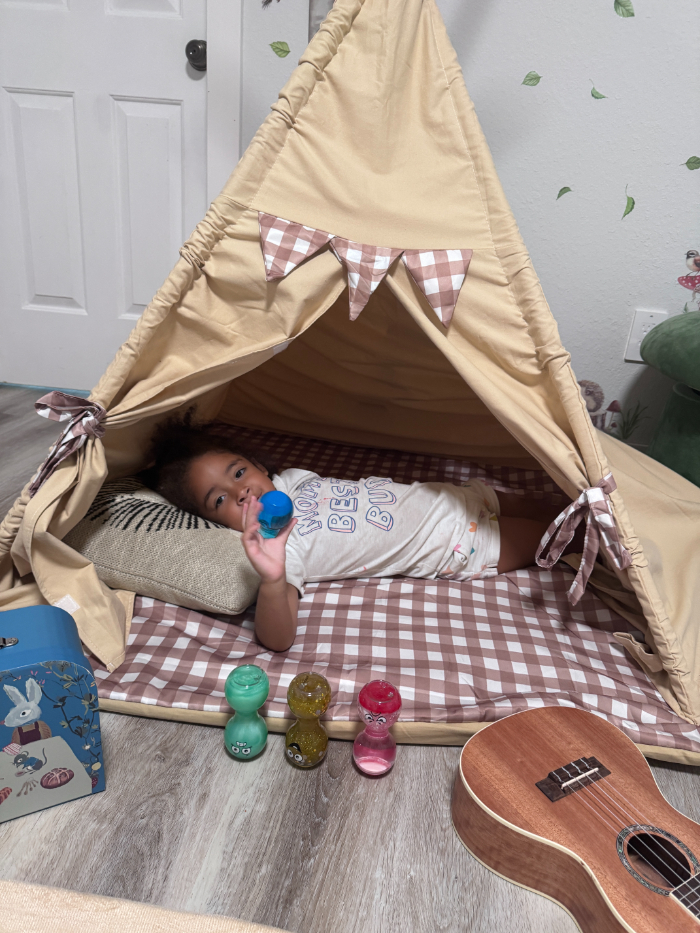
Building Early Friendships in Infants, Toddlers, and Preschoolers

kidoheaven

Building early friendships is a vital part of a child’s growth. From infancy to preschool, children learn to communicate, share, and cooperate with peers. Through guided play, storytelling, and supportive interactions, caregivers and educators can help children develop social skills that lay the foundation for lifelong relationships and emotional well-being. This article explores strategies for fostering friendships at every stage of early childhood, ensuring children thrive both socially and emotionally.

Why Early Friendships Matter in Child Development

Early friendships are powerful building blocks in a child’s emotional, cognitive, and social growth. Positive peer connections help children develop confidence, empathy, communication skills, emotional regulation, and resilience. When children form bonds early, they learn how to express their thoughts, understand others’ emotions, and cooperate in shared environments.

Emotional & Social Benefits

Children who engage in early peer relationships often demonstrate:

  • Better emotional expression and self-control
  • Stronger sense of belonging
  • Reduced anxiety in social settings
  • Higher self-esteem and problem-solving abilities

Brain Development and Early Peer Interaction

Social experiences stimulate areas of the brain responsible for memory, emotional processing, and language skills. Play-based social engagement strengthens neural connections and supports long-term academic and behavioral success.

Long-Term Impact

Children who develop friendships early are more likely to:

  • Adapt easily to school settings
  • Build leadership and teamwork skills
  • Develop lifelong positive relationship habits

Stages of Social Development

Infants (0–12 months)

Infants begin social awareness through:

  • Eye contact
  • Facial responses
  • Babbling and cooing
  • Early parallel observation

They may not “play together,” but they notice and respond to others.

Toddlers (1–3 years)

Toddlers move from parallel play to simple cooperative play. They start to:

  • Share space
  • Mimic peers
  • Express emotions verbally and physically
  • Show early empathy

Preschoolers (3–5 years)

Preschool-aged children begin meaningful friendships. They:

  • Engage in group activities
  • Develop negotiation and turn-taking skills
  • Understand teamwork
  • Experience deeper emotional bonding

Alignment with Washington State WAC Standards

Washington State WAC emphasizes:

  • Safe emotional environments
  • Age-appropriate social interactions
  • Teacher-guided social learning
  • Inclusive and respectful peer engagement

This ensures structured, developmentally appropriate social growth for every child.
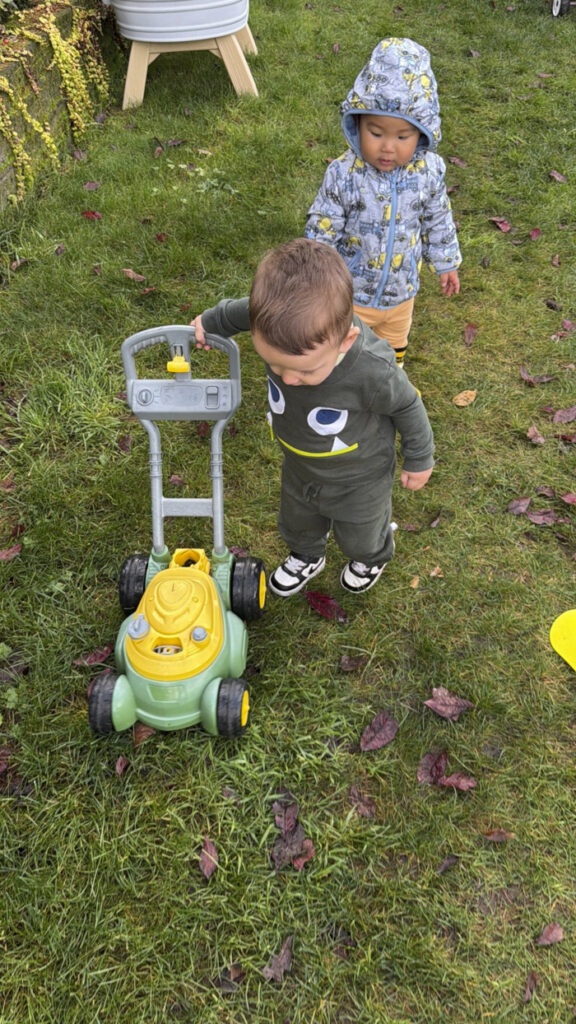
Toddler sharing toys

Encouraging Friendships in Infants

Even though infants cannot “play together” in the traditional sense, meaningful foundations for friendship can begin early.

Parallel Play & Sensory Engagement

Provide opportunities for side-by-side play using:

  • Soft toys
  • Sensory mats
  • Musical rattles
  • Visual interactive toys

This exposure encourages comfort around peers.

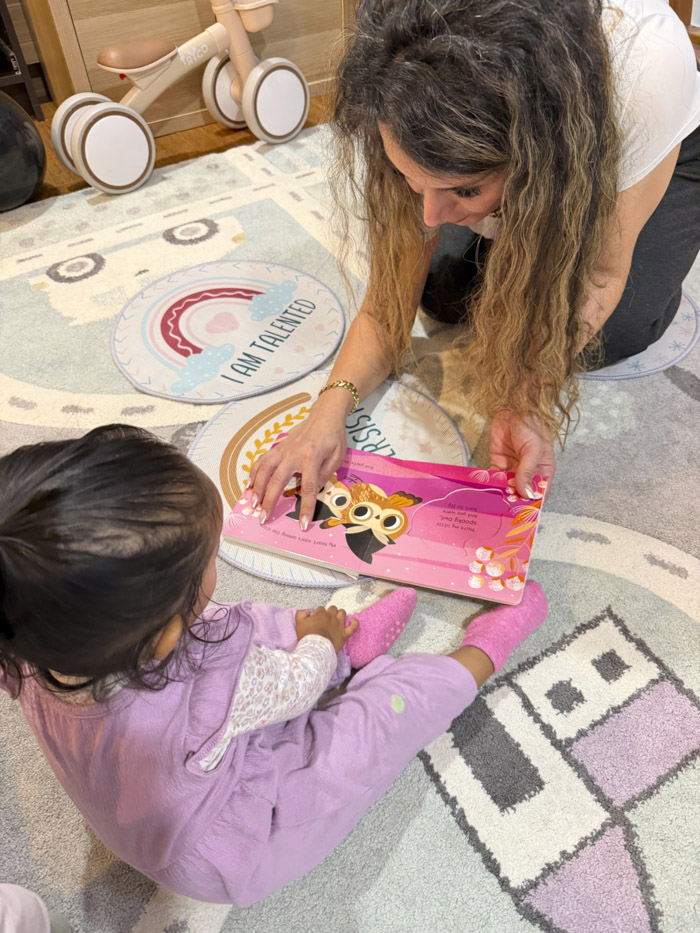
Shared Storytelling & Face-to-Face Interaction

Reading, singing, and gentle interactive storytelling help infants recognize emotional tones, sounds, and social presence.

Responsive Care

Supportive adult guidance helps infants:

  • Feel secure
  • Develop trust
  • Begin social awareness

Supporting Social Connections in Toddlers

Toddlers learn best through guided cooperative play and consistent emotional modeling.

Cooperative Games

Activities such as:

  • Simple building block tasks
  • Rolling balls to each other
  • Music and dance sessions
    promote teamwork and communication.

Teaching Sharing & Empathy

Toddlers need gentle reinforcement. Teachers and caregivers can:

  • Model positive sharing
  • Use emotional labeling (“You feel sad,” “Your friend wants a turn”)
  • Encourage turn-taking routines

Language Development

Toddlers need help expressing emotions using words. Support them with:

  • Emotion cards
  • Simple communication prompts
  • Encouraging verbal expression over physical response

Building Peer Relationships in Preschoolers

Preschoolers are ready for deeper, more meaningful friendships.

Group Learning & Collaborative Play

Small-group activities help preschoolers:

  • Share leadership roles
  • Solve problems together
  • Strengthen communication skills

Role-Playing & Story Creation

Pretend play allows them to:

  • Understand perspectives
  • Build imagination
  • Develop social negotiation skills

Conflict Management

Preschoolers begin learning:

  • Problem-solving strategies
  • Emotional regulation
  • How to apologize and reconnect
Teacher supporting social interactions

Creating a Friendship-Focused Daycare Environment

A supportive classroom environment plays a vital role in social development.

Friendship Play Zones

Design areas for:

  • Dramatic play
  • Reading corners
  • Group activity tables
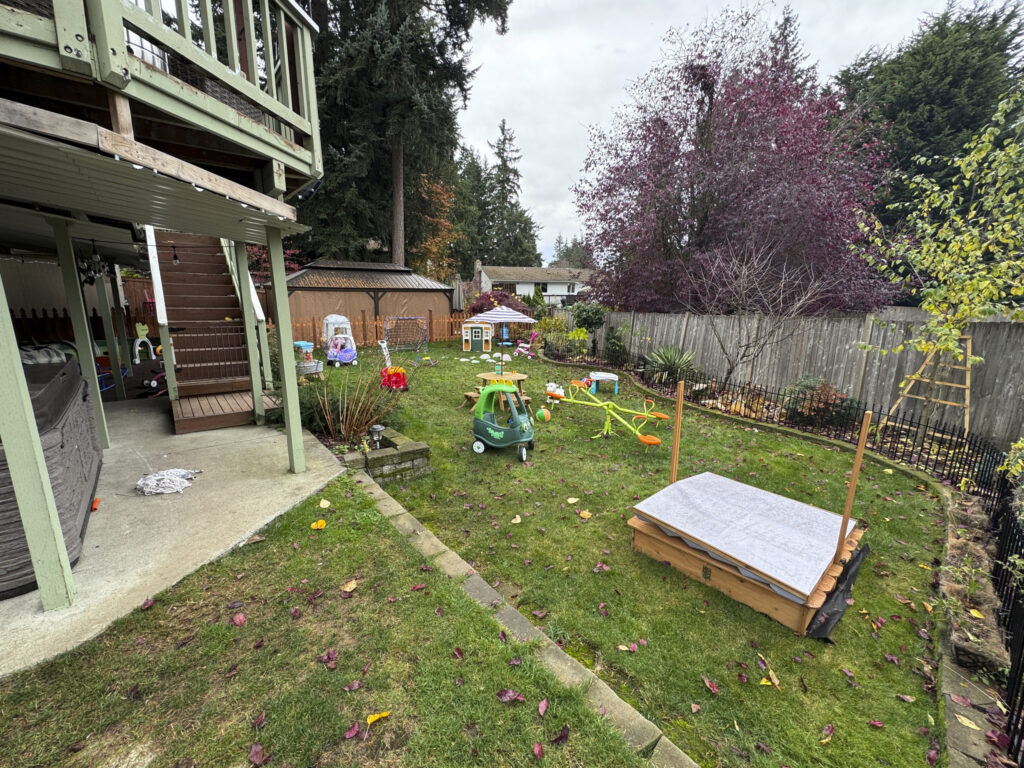
  • Outdoor cooperative play

Emotional Safety & Inclusion

Children thrive when they:

  • Feel seen and respected
  • Experience fair guidance
  • Learn in a culturally inclusive space

Teacher Support

Educators should:

  • Model positive peer relationships
  • Encourage kindness
  • Support emotional learning

WAC Compliance

Washington State WAC supports:

  • Emotional well-being
  • Safe peer interaction
  • Structured learning environments

Family Role in Building Friendships

Parents are essential partners in social development.

Playdates & Family Interaction

Organize age-appropriate social opportunities such as:

  • Playdates
  • Family gatherings
  • Parent-supported group activities

Emotional Education at Home

Teach children to:

  • Use words to express feelings
  • Recognize others’ emotions
  • Practice kindness daily

Align Home & Daycare Practices

Consistency between home and daycare strengthens learning outcomes.

Friendship-Building Activities by Age

Infants

  • Mirror play
  • Soft sensory toys
  • Group music sessions

Toddlers

  • Passing games
  • Building towers together
  • Art sharing activities

Preschoolers

  • Group storytelling
  • Cooperative puzzles
  • Team-based outdoor play

Common Social Challenges & Solutions

Shyness

Use gentle encouragement, not pressure.

Difficulty Sharing

Practice structured turn-taking games.

Emotional Outbursts

Teach breathing and calm-down strategies.

Research-Backed Insights

Authoritative sources recommend structured social learning for early childhood development, including organizations such as:

  • CDC Child Development
  • Zero to Three
  • American Psychological Association (APA)
  • Washington State DCYF

About KidoHeaven

At KidoHeaven, we believe in nurturing meaningful connections that support emotional growth, learning, and lifelong confidence. Our programs are designed to encourage cooperative learning, emotional safety, and joyful interactions for every child. Families looking for a nurturing and socially rich learning environment can trust us to provide a warm, structured, and developmentally supportive experience.

We proudly support families searching for Daycare Bothell and Child Care Bothell with high-quality early learning and friendship-focused environments.


Why KidoHeaven Stands Out

✅ Licensed in Washington State
✅ Aligned with Early Achievers standards
✅ Working Connections subsidy accepted
✅ Daily updates via Brightwheel
✅ Located in Bothell, serving Mill Creek, Lynnwood & nearby areas
✅ Nutritious snacks, safe outdoor space, & positive mealtime routines

📞 Call 206-734-2040 to schedule a tour
🌐 Enroll now

Follow Our Mealtime Moments

Stay updated with more beautiful outdoor meals and daily learning routines on:

Instagram | Facebook | Nextdoor | Yelp | Winnie | YouTube | Upwards

FAQ

1. At what age do children start forming friendships?

Meaningful friendships typically begin around preschool age.

2. Can infants develop social awareness?

3. Yes, infants develop early emotional and social responses from birth.

4. Why is parallel play important?

It builds social comfort and early interaction foundations.

5. How can parents support social development?

Provide interaction opportunities and model emotional behavior.

6. What if my child is shy?

Patience, supportive guidance, and gentle exposure help significantly.

7. Do friendships help academic success?

Yes, social confidence enhances learning abilities.


Choosing the Best Daycare for Infant and Toddler Development

kidoheaven

Early childhood is the foundation of lifelong learning, emotional health, and social confidence. During the infant, toddler, and preschool years, the brain is rapidly developing, and the environment a child spends most of their time in plays a critical role in shaping this growth. Choosing the best daycare is not simply about convenience—it is about ensuring children receive nurturing care, safe surroundings, structured learning opportunities, and emotional support from highly trained professionals.

A high-quality daycare supports infant and toddler development through trained caregivers, intentional developmental programs, safe environments, structured routines, and strong communication with families. This guide explains how to identify the right daycare, what quality standards to look for, and how parents can confidently select the best childcare program for their little ones.

Understanding Early Childhood Development

Infant Development Needs

Infants rely heavily on responsive caregiving. During this stage, their emotional security is built through trust, comfort, and physical closeness. Daycare caregivers must respond promptly to crying, hunger cues, and emotional needs. Early exposure to talking, singing, gentle play, and eye contact helps build early language and cognitive foundations.

Infants also benefit from safe physical exploration such as tummy time, reaching for toys, sensory play, and guided movement. A quality infant daycare program recognizes that infants do not simply need supervision—they need nurturing emotional connections and developmentally-appropriate stimulation.

Toddler Growth and Exploration

Toddlers are curious, energetic, and eager to understand the world around them. This is the stage where vocabulary rapidly expands, motor skills strengthen, and independence emerges. Toddlers need a structured yet flexible environment where they can explore safely, interact with peers, and express themselves.

A strong daycare program provides:

  • Hands-on learning activities
  • Storytelling and early language engagement
  • Opportunities for decision making
  • Gentle emotional guidance
  • Safe and stimulating play spaces

Toddlers learn best through play experiences that encourage thinking, problem-solving, creativity, and social interaction.

Preschool Readiness & Early Education

As children approach the preschool stage, daycare programs should begin preparing them for structured classroom environments. Instead of pushing academics, developmentally appropriate preschool readiness focuses on cognitive skills, communication ability, emotional management, cooperation, and curiosity.

This includes:

  • Early literacy introduction
  • Basic math awareness through play
  • Group participation
  • Self-help skills
  • Listening and attention building

By supporting these areas properly, daycare plays a major role in school readiness and future success.

safe and welcoming daycare environment

What Defines a High-Quality Daycare Program?

Licensed and Compliant with Washington State WAC Standards

In Washington State, daycare centers must follow strict WAC (Washington Administrative Code) childcare standards to ensure safety, staffing quality, health protocols, and learning environments. Parents should always verify that a daycare is properly licensed, adheres to staff training standards, meets child-to-teacher ratios, and follows health and safety regulations.

Licensing ensures:

  • Background-checked caregivers
  • Safe facility standards
  • Emergency procedures
  • Health protections
  • Verified educational practices

Choosing a licensed daycare is one of the most important steps in protecting your child’s well-being.

Qualified and Compassionate Staff

Caregivers must be more than supervisors—they must understand child psychology, developmental milestones, emotional needs, and safety standards. Trained educators know how to engage children through meaningful play, provide emotional reassurance, encourage independence, and manage behavior in positive ways.

Look for:

  • Early childhood education training
  • Ongoing professional development
  • Warm, supportive interactions
  • Respectful communication with children
  • Consistency and stability

Children thrive most when they feel seen, valued, and loved.

Safe, Clean, and Well-Designed Environment

A daycare environment should be bright, organized, inviting, and specifically designed for different age groups. Cleanliness and hygiene are essential to protect children from illness. Age-appropriate toys, soft play areas for infants, safe climbing and activity stations for toddlers, and structured learning areas for preschoolers help support development in every stage.

Appropriate Child-to-Caregiver Ratios

Washington childcare guidelines outline strict ratio requirements. Smaller groups mean children receive attention, emotional support, and individualized care. Parents should confirm these ratios and ensure staff are attentive rather than overwhelmed.

Curriculum and Learning Through Play

Developmentally Appropriate Infant Care

Quality infant daycare programs focus on secure attachment, sensory exploration, soothing routines, and gentle engagement.

Activities may include:

  • Music and gentle rhythm introduction
  • Sensory objects
  • Soft play and movement
  • Early communication interactions

Toddler Learning Through Exploration

Toddlers benefit from structured play experiences designed to stimulate their curiosity while reinforcing early skills.

Examples include:

  • Storytime and interactive reading
  • Art and creative play
  • Language games
  • Simple problem-solving activities
  • Movement and outdoor exploration

These experiences encourage social skills, creativity, confidence, and communication.

Preschool Readiness Experiences

Quality daycare gradually prepares children for a more structured learning environment. Preschool readiness programs should be play-based rather than academically pressured, ensuring children enjoy learning.

caregiver interacting with children in development-focused daycare

Social and Emotional Support in Daycare

A daycare must prioritize emotional well-being. Children need caregivers who comfort them, teach them how to share, help them handle frustration, encourage kindness, and build confidence. Positive emotional experiences during early childhood strongly influence self-esteem and social development throughout life.

Health, Safety, and Nutrition Standards

Strong Health and Hygiene Policies

Parents should confirm illness policies, vaccination adherence, sanitation routines, handwashing standards, and cleaning schedules. A dependable daycare prioritizes child health at every level.

Balanced Nutrition & Healthy Routines

Proper nutrition fuels brain development and physical growth. Daycares should provide balanced meals or follow approved nutritional guidelines. Consistent nap routines, comfortable sleep environments, and safe sleeping practices are also crucial.

Family Engagement and Parent Communication

Quality daycare supports parents too. Families should receive daily updates, progress notes, behavior reports, and developmental feedback. Open communication builds trust and ensures parents feel connected to their child’s learning journey.

How to Evaluate and Select the Best Daycare

Key Questions to Ask During a Visit

  • Are caregivers licensed and trained?
  • What are the caregiver-to-child ratios?
  • How is safety ensured?
  • What curriculum approach is used?
  • How are behavior and emotions managed?
  • How is parent communication handled?

Red Flags to Avoid

  • Unlicensed facilities
  • Unclean or unsafe environments
  • High turnover of staff
  • Lack of structure
  • Ignored crying children
  • Poor communication

Balancing Cost, Location, and Quality

While budget and convenience matter, quality, safety, and emotional support must always come first. The best daycare is the one that feels right for both your child and your family.

KidoHeaven

KidoHeaven is dedicated to providing a nurturing, safe, and development-focused childcare experience for infants, toddlers, and preschoolers. Our programs are designed to support emotional growth, early learning, social confidence, and healthy development through structured play, trained educators, secure environments, and strong family communication. If you are looking for trusted Daycare Bothell options or reliable chid care Bothell services that truly understand children’s developmental needs, KidoHeaven is committed to helping your child grow, learn, and thrive with confidence every day.


Why KidoHeaven Stands Out

✅ Licensed in Washington State
✅ Aligned with Early Achievers standards
✅ Working Connections subsidy accepted
✅ Daily updates via Brightwheel
✅ Located in Bothell, serving Mill Creek, Lynnwood & nearby areas
✅ Nutritious snacks, safe outdoor space, & positive mealtime routines

📞 Call 206-734-2040 to schedule a tour
🌐 Enroll now

Follow Our Mealtime Moments

Stay updated with more beautiful outdoor meals and daily learning routines on:

Instagram | Facebook | Nextdoor | Yelp | Winnie | YouTube | Upwards

FAQ

1. What should I prioritize when choosing daycare for an infant?

Responsive caregivers, safety, licensing, clean environments, and nurturing emotional care.

2. How does daycare benefit toddler development?

Daycare encourages social interaction, language growth, independence, problem-solving, and emotional maturity.

3. Is play-based learning better than academic programs?

Yes. Research shows children learn best through structured play, especially in early development.

4. How often should I communicate with daycare staff?

Regular communication is essential. Quality facilities provide daily updates and developmental feedback.

5. Can daycare support preschool readiness?

Absolutely. Quality programs build emotional confidence, communication skills, curiosity, and early learning foundations.


Daycare vs. Preschool: Key Differences for Parents

kidoheaven

Choosing between daycare and preschool is one of the most important early decisions parents make for their child. While both provide care and supervision, they differ significantly in structure, educational focus, age groups served, and regulatory standards—especially in Washington State. This in-depth guide explains those differences clearly, so parents can make a confident, informed choice based on their child’s developmental needs.

Understanding Early Childhood Care Options

Early childhood programs are designed to support children’s physical, emotional, social, and cognitive development. However, not all programs serve the same purpose. Daycare and preschool are often grouped together, yet they fulfill different roles in a child’s early years.

Understanding these distinctions is essential, particularly for parents of infants, toddlers, and preschool-aged children who are at different developmental stages.

What Is Daycare?

Definition and Purpose

Daycare, also known as childcare, primarily focuses on providing safe, supervised care for children while parents work or attend school. It emphasizes nurturing, routine, and basic developmental support rather than formal academics.

Typical Age Range

Daycare programs usually accept children from infancy (as young as 6 weeks) up to 5 years old, making them ideal for infants and toddlers who are not yet ready for structured learning environments.

What Is Preschool?

Definition and Educational Focus

Preschool is an early learning program designed to prepare children for kindergarten. It emphasizes structured learning, early literacy, numeracy, and classroom readiness skills.

Typical Age Range

Preschool programs usually serve children between 3 and 5 years old and are developmentally tailored for preschoolers who can engage in group instruction and guided activities.

parent choosing daycare or preschool

Daycare vs. Preschool: Key Differences at a Glance

FeatureDaycarePreschool
Primary FocusCare & supervisionEarly education
Age RangeInfant to 5 years3 to 5 years
ScheduleFull-day, flexiblePart-day or school hours
CurriculumPlay-based, informalStructured learning
GoalSupport working familiesKindergarten readiness

Age Groups and Developmental Stages

Infants and toddlers benefit most from daycare environments that emphasize responsive caregiving, sensory play, and emotional bonding. Preschoolers, on the other hand, thrive in environments that challenge their thinking, communication, and problem-solving abilities.
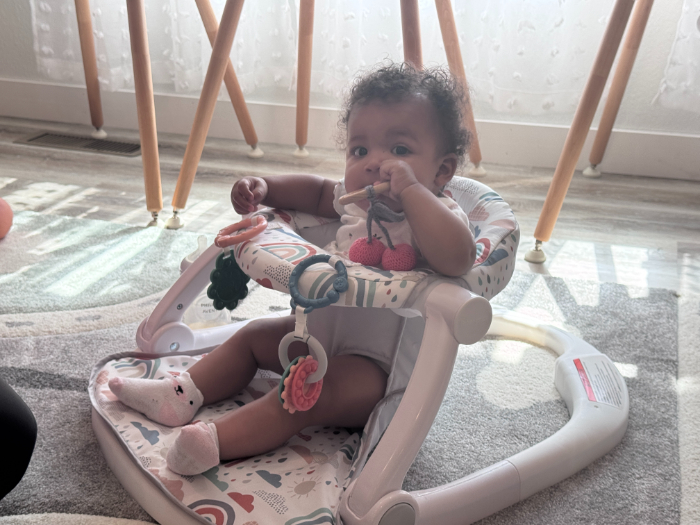
Choosing the right setting depends largely on your child’s age, maturity level, and readiness for group learning.

Learning Structure and Curriculum

Daycare Learning Approach

Daycare learning is typically play-based and flexible. Children learn through exploration, free play, music, movement, and social interaction. The focus is on developmental milestones rather than academic benchmarks.

Preschool Curriculum

Preschool programs follow structured curricula aligned with early learning standards. Activities are designed to build:

  • Early reading and language skills
  • Basic math concepts
  • Fine motor development
  • Listening and attention skills

Social and Emotional Development

Both daycare and preschool support social development, but in different ways. Daycare environments promote emotional security and peer interaction through daily routines. Preschool programs emphasize cooperation, turn-taking, following instructions, and classroom behavior—skills essential for school success.

toddler daycare play-based learning

Teacher Qualifications and Licensing (Washington State WAC)

In Washington State, early childhood programs must comply with Washington Administrative Code (WAC) regulations. These rules govern:

  • Staff-to-child ratios
  • Background checks
  • Health and safety standards
  • Required training and certifications

Preschool educators typically hold specialized credentials in early childhood education, while daycare providers focus more on caregiving qualifications and safety compliance.

Daily Schedules and Flexibility

Daycare programs usually offer full-day care with extended hours, making them ideal for working parents. Preschool programs often operate on a school-year calendar with shorter daily sessions, which may require additional childcare arrangements.

Costs and Time Commitment

Costs vary based on location, hours, and services offered. Generally:

  • Daycare costs reflect longer hours and year-round care
  • Preschool costs reflect educational programming, but fewer hours

Parents should also consider the long-term value of early education versus immediate childcare needs.

How to Choose the Right Option for Your Child

When deciding between daycare and preschool, consider:

  • Your child’s age and developmental readiness
  • Your work schedule and flexibility needs
  • Your educational priorities
  • Program licensing and staff qualifications

There is no one-size-fits-all answer—many children transition from daycare to preschool as they grow.

About Kido Heaven

Kido Heaven is a trusted early childhood care provider committed to nurturing children’s growth in a safe, developmentally appropriate environment. Our programs are designed to support families in the Bothell area while meeting all Washington State childcare regulations.

Parents looking for high-quality Daycare Bothell and reliable child care Bothell options can learn more by visiting kidoheaven.com, where care, learning, and trust come together.


Why KidoHeaven Stands Out

✅ Licensed in Washington State
✅ Aligned with Early Achievers standards
✅ Working Connections subsidy accepted
✅ Daily updates via Brightwheel
✅ Located in Bothell, serving Mill Creek, Lynnwood & nearby areas
✅ Nutritious snacks, safe outdoor space, & positive mealtime routines

📞 Call 206-734-2040 to schedule a tour
🌐 Enroll now

Follow Our Mealtime Moments

Stay updated with more beautiful outdoor meals and daily learning routines on:

Instagram | Facebook | Nextdoor | Yelp | Winnie | YouTube | Upwards

FAQ

1. Is daycare or preschool better for toddlers

For toddlers under age 3, daycare is usually more appropriate due to its flexible, nurturing environment.

2. Can a child attend both daycare and preschool

Yes. Many families use part-time preschool combined with daycare for extended care.

3. Does preschool improve kindergarten readiness

Research shows that high-quality preschool programs significantly support early literacy, social skills, and classroom readiness.

4. Are daycare and preschool regulated in Washington State

Yes. Both must follow Washington State WAC regulations for safety, staffing, and child development standards.


Fostering Curiosity in Infants and Toddlers

kidoheaven

Curiosity is a core driver of early learning and cognitive development. By offering infants and toddlers opportunities to explore their surroundings, ask questions, and engage in hands-on experiences, parents and caregivers can nurture independent thinking and creativity. This article provides practical strategies for fostering curiosity in early childhood, ensuring children grow confident, inquisitive, and eager to learn.

Understanding Curiosity in Early Childhood

Curiosity is an innate trait in infants and toddlers that fuels learning and exploration. When children are curious, they naturally engage with their environment, test ideas, and observe cause-and-effect relationships. Early childhood research emphasizes that curiosity is a foundation for problem-solving, creativity, and lifelong learning.

Infants explore primarily through their senses, while toddlers begin experimenting with objects, asking questions, and seeking answers. Recognizing these developmental stages helps caregivers provide appropriate challenges that stimulate interest without causing frustration.

The Role of Exploration in Cognitive Development

Exploration is the vehicle through which curiosity strengthens cognitive abilities. Activities that encourage children to manipulate, test, and investigate objects enhance:

  • Observation skills: noticing textures, colors, and patterns
  • Critical thinking: predicting outcomes of simple experiments
  • Memory and attention: remembering results and recalling previous experiences
  • Language development: asking questions and describing discoveries

Research shows that children who regularly engage in exploratory play demonstrate better problem-solving skills and are more motivated to learn as they enter preschool and beyond.

child engaging with household objects in daycare

Practical Activities to Encourage Curiosity

Sensory Exploration Activities

Sensory-based experiences allow infants and toddlers to explore textures, sounds, and movements. Examples include:

  • Textured discovery boxes: different fabrics, safe household items, or natural materials
  • Water play: pouring, scooping, and observing water movement
  • Safe object manipulation: stacking cups, nesting blocks, or sensory bottles

These activities help children notice differences and patterns, laying the foundation for scientific thinking.

Nature-Based Learning

Nature offers endless opportunities to stimulate curiosity:

  • Outdoor exploration: observing leaves, rocks, insects, or clouds
  • Gardening activities: digging, planting seeds, and watching growth
  • Nature walks: asking “what” and “why” questions about surroundings

Engaging with the natural world develops observational skills and encourages children to ask questions about cause and effect.

Everyday Object Discovery

Everyday household items can spark curiosity:

  • Kitchen utensils, measuring cups, and containers
  • Recyclable materials for stacking or sorting
  • Safe mirrors or light tables for observation

By interacting with familiar objects in new ways, children develop creativity and problem-solving skills without needing specialized toys.

Creating a Safe and Stimulating Environment

Safety is paramount while encouraging curiosity. Key considerations include:

  • Child-proofing spaces: cover outlets, secure cabinets, and remove choking hazards
  • Accessible materials: provide shelves or bins at child-height for self-directed exploration
  • Variety and rotation: frequently introduce new materials to sustain interest and prevent boredom

A well-organized environment allows children to independently choose activities, fostering autonomy and engagement.

infant exploring textured sensory toys

Encouraging Questions and Problem-Solving

Curious children naturally ask questions. Caregivers can:

  • Respond positively: validate the child’s interest with enthusiasm
  • Model thinking aloud: describe observations and hypotheses
  • Introduce simple experiments: test floating vs. sinking, mixing colors, or matching shapes

This approach strengthens critical thinking and helps children feel confident in exploring ideas.

Supporting Curiosity Through Play and Routine

Integrating curiosity into daily routines ensures consistent engagement:

  • Meal times: explore food textures, colors, and smells
  • Bath time: pouring water, floating objects, and describing changes
  • Story time: encourage children to predict endings or explore story elements

These everyday moments become opportunities for discovery without requiring special setups.

Role of Caregivers in Nurturing Curiosity

Caregivers play a crucial role in sustaining curiosity:

  • Provide guidance without controlling play
  • Ask open-ended questions to encourage exploration
  • Observe children and adjust activities based on interests
  • Celebrate achievements and discoveries, fostering motivation

When caregivers model curiosity and embrace children’s questions, it promotes a love for learning from an early age.

About Kido Heaven

At Kido Heaven, we understand the importance of nurturing curiosity in infants, toddlers, and preschoolers. Our programs provide safe, stimulating, and WAC-compliant environments where children can explore, ask questions, and develop a lifelong love for learning. For families seeking trusted early learning services, such as daycare in Bothell or child care in Bothell, Kido Heaven combines professional guidance with playful exploration to support both children and parents.


Why KidoHeaven Stands Out

✅ Licensed in Washington State
✅ Aligned with Early Achievers standards
✅ Working Connections subsidy accepted
✅ Daily updates via Brightwheel
✅ Located in Bothell, serving Mill Creek, Lynnwood & nearby areas
✅ Nutritious snacks, safe outdoor space, & positive mealtime routines

📞 Call 206-734-2040 to schedule a tour
🌐 Enroll now

Follow Our Mealtime Moments

Stay updated with more beautiful outdoor meals and daily learning routines on:

Instagram | Facebook | Nextdoor | Yelp | Winnie | YouTube | Upwards

FAQ

1. At what age should curiosity-focused activities begin?

From birth, infants explore through sensory experiences; toddlers can engage in guided exploration and hands-on discovery.

2. How can I make sure exploration is safe?

Child-proof all spaces, supervise closely, and provide age-appropriate materials.

3. Do I need special toys for fostering curiosity?

No. Everyday objects, natural items, and household materials can be highly effective.

4. How often should children engage in exploratory play?

Daily opportunities, even for 15–30 minutes at a time, significantly impact curiosity and cognitive growth.

5. Can curiosity-focused learning help prepare my child for school?

Yes. Children who explore independently develop problem-solving, observation, and communication skills that are vital for preschool readiness.


How Childcare Benefits Parents of Young Children

kidoheaven

High-quality childcare gives parents the time, stability, and emotional relief they need while supporting their children’s early development. Families with infants, toddlers, and preschoolers benefit from structured routines, professional guidance, and access to early learning opportunities. By reducing daily stress and strengthening family balance, childcare becomes an essential resource for modern parents. In this article, we explore how childcare services improve parents’ wellbeing and overall family life.

Understanding the Role of Childcare for Modern Families

Childcare is no longer viewed as simply a service for supervising children while parents work. For today’s families—especially those with infants, toddlers, and preschoolers—childcare functions as a supportive, educational, and community-building system that provides stability at home and opportunities for growth. With more dual-income households, increased educational commitments, and evolving workplace demands, parents depend on reliable early childhood programs to balance personal, professional, and family responsibilities.

In Washington State, high-quality childcare centers are required to follow the WAC 110-300 Early Learning Program Rules, which ensure children’s health, safety, early learning, teacher qualifications, and parent engagement. This regulated framework offers parents confidence that their children are in environments that prioritize development and wellbeing.

Key Benefits of Childcare for Parents of Infants

Reliable Time Management for Working or Studying Parents

Parents of infants often struggle to manage work schedules, caregiving responsibilities, and personal time. Licensed childcare provides predictable hours and structured routines that allow parents to maintain employment, pursue higher education, or manage family commitments without interruptions. This stability reduces the pressure of constantly balancing newborn care with professional obligations.

Emotional Relief and Reduced Daily Stress

Caring for an infant can be emotionally demanding. High-quality childcare centers create a dependable support system, allowing parents to rest, focus, or manage essential tasks with peace of mind. Knowing their infant is supervised by trained and WAC-qualified caregivers helps parents feel more grounded and confident throughout their day.

Confidence in Regulated, Safe, WAC-Compliant Infant Care

WAC guidelines require infant caregivers to follow strict health, safety, feeding, supervision, and sleep protocols. These standards protect infants and assure parents that their child is in a nurturing, developmentally appropriate environment.

family childcare environment in Washington

Advantages of Childcare for Parents of Toddlers

Improved Daily Routines and Predictability at Home

Toddlers thrive on routine, and parents benefit greatly from the structured schedules offered in early childhood programs. Consistent nap times, meal schedules, and activity blocks reduce evening fatigue, resulting in smoother transitions at home.

Support for Child Development

Childcare introduces toddlers to early socialization, cooperative play, language development, and sensory activities. This accelerates developmental milestones, helping parents feel reassured that their child is learning appropriately for their age.

Partnership Between Parents and Educators

WAC-compliant programs require regular communication with families. Educators document toddler milestones, challenges, and learning progress, supporting parents in understanding and responding to their child’s needs more effectively.

How Preschool Childcare Supports Parents

Better Preparation for Kindergarten

Preschool programs focus on early literacy, emotional regulation, STEM play, and social skills—core areas that help children confidently transition into kindergarten. Parents benefit from reduced anxiety and increased confidence knowing their child is ready for school expectations.

Building Social Bonds and Community Connections

Preschool classrooms create peer networks for both children and parents. Families share experiences, resources, and support, strengthening community bonds that extend beyond the childcare center.

Reducing Parental Burnout

Shared responsibility between educators and parents significantly reduces burnout. Parents no longer feel pressure to manage all learning and socialization alone.

Family Childcare vs. Center-Based Programs

Flexibility of Home-Based Settings

Family childcare homes often offer smaller groups and personalized attention. This can be ideal for parents seeking a cozy, home-like environment with flexible scheduling.

Resources of Licensed Centers

Larger childcare centers typically offer multiple classrooms, certified staff, specialized learning materials, and WAC-regulated safety practices. Parents who prefer structured educational settings often choose center-based programs.

Choosing Based on WAC Standards

Parents should review licensing, ratios, caregiver training, curriculum, safety procedures, and communication practices before enrollment.

toddler engaging in early learning activities

Holistic Parent Wellbeing Through Early Childhood Programs

Improved Work–Life Balance

With dependable childcare, parents can manage work obligations without sacrificing quality time with their children. This balance contributes to improved family harmony.

Better Family Relationships

Parents who receive adequate support experience less stress and frustration at home. This fosters a more positive parent-child relationship and a calmer household atmosphere.

Enhanced Mental Wellness

Childcare relieves the constant mental load of supervising young children, enabling parents to rest, exercise, study, or focus on personal growth.

How Quality Childcare Creates Stronger Communities

Parent-to-Parent Networking

Shared drop-offs, events, and parent meetings create opportunities for families to build friendships and support systems.

Access to Community Resources

Many centers provide workshops, parenting classes, and referrals to local early learning services, benefiting the entire household.

How to Evaluate a Childcare Center (WAC-Based Checklist)

Licensing & Safety Requirements

Ensure the program meets WAC 110-300 guidelines, follows emergency procedures, and maintains safe facilities.

Educator Qualifications

Teachers should have verified training in early childhood development, CPR/first aid certification, and annual continuing education.

Ratios & Supervision

Lower adult-child ratios ensure better supervision and individualized attention.

Daily Routine & Curriculum

Look for a developmentally appropriate, play-based curriculum aligned with Washington Early Learning Standards.

Communication Practices

Centers must maintain open communication, daily reports, and family engagement activities.

About Kido Heaven

At the end of the day, parents thrive when their children are cared for in safe, loving, and educational environments. Kido Heaven supports families by offering high-quality early childhood programs for infants, toddlers, and preschoolers.
For families looking for trusted services such as Daycare Bothell or child care Bothell, Kido Heaven provides licensed care aligned with Washington’s early learning standards and a strong commitment to parent wellbeing.


Why KidoHeaven Stands Out

✅ Licensed in Washington State
✅ Aligned with Early Achievers standards
✅ Working Connections subsidy accepted
✅ Daily updates via Brightwheel
✅ Located in Bothell, serving Mill Creek, Lynnwood & nearby areas
✅ Nutritious snacks, safe outdoor space, & positive mealtime routines

📞 Call 206-734-2040 to schedule a tour
🌐 Enroll now

Follow Our Mealtime Moments

Stay updated with more beautiful outdoor meals and daily learning routines on:

Instagram | Facebook | Nextdoor | Yelp | Winnie | YouTube | Upwards

FAQ

1. How does childcare reduce stress for parents?

By providing reliable routines and professional support, parents can focus on work or personal tasks without constant worry.

2. What age is best to start childcare?

Infants can begin at licensed centers from birth, while toddlers and preschoolers benefit from structured learning environments.

3. How does WAC protect my child?

WAC regulations ensure safety, training, supervision, nutrition, cleanliness, and high educational standards across Washington childcare programs.

4. Does childcare help with school readiness?

Yes. Early learning programs build essential cognitive, social, emotional, and literacy skills needed for kindergarten.

5. Is family childcare as effective as center-based programs?

Each has benefits. Family childcare offers intimacy and flexibility, while centers provide resources and structured learning.


Keeping Infants and Toddlers Engaged in Learning

kidoheaven

In the formative years of early childhood, maintaining toddler learning engagement and fostering infant learning activities are crucial for holistic development. Childcare providers play a pivotal role in nurturing preschooler engagement through structured yet flexible approaches that spark early childhood curiosity. This article delves into evidence-based strategies to keep young children actively involved in learning, drawing from developmental psychology and best practices in early education. By focusing on interactive, sensory-rich experiences, educators can create environments that support cognitive, social, and emotional growth while complying with regulatory standards like those in Washington State. Early learning isn’t just about rote memorization; it’s about igniting a lifelong love for discovery. According to developmental experts, children under five learn best through play and exploration, which enhances neural connections and builds foundational skills. In childcare settings, where children spend significant time, these strategies ensure that every moment is an opportunity for growth.

Understanding Early Childhood Development Stages

To effectively engage infants, toddlers, and preschoolers, it’s essential to tailor activities to their developmental milestones. This section outlines key stages, emphasizing how childcare learning can be adapted to each.

Infants (0-12 Months)

Infants are in a phase of rapid sensory and motor development. They respond to stimuli like sounds, textures, and faces, building trust and attachment. Infant learning activities should focus on responsive interactions, such as peek-a-boo or gentle rocking, to promote early childhood curiosity. Providers must ensure activities align with safety standards, exposing infants to developmentally appropriate experiences that encourage exploration without overwhelming them.

Toddlers (12-36 Months)

Toddlers exhibit increased mobility and independence, often testing boundaries. Toddler learning engagement thrives through hands-on activities that involve stacking, sorting, or simple puzzles. This stage is ideal for introducing cause-and-effect concepts, like dropping objects to observe reactions, fostering problem-solving skills in a safe childcare environment.

Preschoolers (3-5 Years)

Preschoolers develop language and social skills, engaging in pretend play and group activities. Preschooler engagement can be heightened with storytelling, role-playing, and collaborative projects, which build empathy and creativity. Childcare learning at this age should incorporate choices, allowing children to lead activities to sustain interest.

Diverse group of toddlers in play-based learning environment

The Importance of Engagement in Childcare Learning

Engagement in early learning directly impacts long-term outcomes, including academic success and emotional resilience. Research shows that actively involved children exhibit better attention spans and higher motivation. In Washington State, foundational quality standards emphasize programs that promote health, safety, and child development, ensuring activities are inclusive and responsive to individual needs.

Disengaged children may miss key learning opportunities, leading to developmental delays. By prioritizing engagement, childcare providers create equitable environments where every child thrives, aligning with principles of experience, expertise, and trustworthiness in education.

Key Strategies for Sustaining Learning Interest

Here are practical, expert-recommended strategies to maintain engagement, supported by developmental research.

Interactive Games and Play-Based Activities

Interactive games are cornerstones of toddler learning engagement. For infants, try mirror play to encourage self-recognition. Toddlers benefit from treasure hunts using household items, promoting exploration. Preschoolers can engage in group games like “Simon Says” to build listening skills.

Incorporate variety: Rotate toys weekly to prevent boredom. Evidence from early childhood studies indicates that play-based learning enhances cognitive flexibility.

Sensory Exploration Techniques

Sensory activities stimulate multiple senses, ideal for infant learning activities. Create sensory bins with rice, water, or fabric for tactile experiences. For toddlers, add scents like vanilla or colors for visual appeal. Preschoolers can explore nature walks, identifying textures in leaves or soil.

Safety is paramount—use non-toxic materials and supervise closely, per Washington State guidelines.

Incorporating Routines and Daily Schedules

Consistent routines provide security, allowing children to anticipate learning moments. Start days with circle time for songs, transitioning to free play. This structure sustains preschooler engagement by balancing predictability with flexibility.

Adapt schedules to individual energy levels, ensuring rest periods to prevent fatigue.

Using Technology and Digital Tools Mindfully

While screen time should be limited, apps with interactive stories can supplement learning. For example, simple educational videos on shapes for toddlers. Always pair with real-world activities to reinforce concepts, adhering to recommendations for minimal digital exposure in early years.

Infant playing with sensory toys in childcare setting

Aligning Activities with Washington State Standards

Washington State’s Chapter 110-300 WAC outlines foundational quality standards for early learning programs, requiring a written curriculum philosophy that includes planned daily activities for child development. Providers must expose infants and toddlers to appropriate interactions, promoting health and safety.

Incorporate these by documenting activities that foster social-emotional growth, such as group play, and ensuring environments are hazard-free. Regular assessments align with state requirements, demonstrating compliance and enhancing trustworthiness.

Overcoming Common Challenges in Engagement

Challenges like short attention spans or diverse needs can hinder engagement. Address distractions by minimizing noise and creating cozy nooks. For children with varying abilities, use adaptive tools like textured toys.

Cultural sensitivity is key—incorporate diverse materials to reflect families’ backgrounds, boosting inclusivity.

Measuring and Assessing Engagement Success

Observe indicators like sustained focus or enthusiastic participation. Use simple checklists to track progress, aligning with developmental milestones. Parent feedback provides insights, ensuring strategies evolve.

Regular reflection on activities ensures continuous improvement in childcare learning.

Conclusion and Brand Introduction

Keeping infants and toddlers engaged in learning requires intentional, play-focused strategies that align with developmental needs and state standards. By implementing interactive games, sensory exploration, and structured routines, childcare providers can cultivate a love for learning that lasts a lifetime.

At Kido Heaven, we specialize in high-quality childcare services in Bothell, Washington, where we apply these principles daily. Whether you’re seeking Daycare Bothell or child care Bothell, our expert team creates nurturing environments that prioritize early childhood curiosity and development. Visit us at https://kidoheaven.com/ to learn more about our programs.


Why KidoHeaven Stands Out

✅ Licensed in Washington State
✅ Aligned with Early Achievers standards
✅ Working Connections subsidy accepted
✅ Daily updates via Brightwheel
✅ Located in Bothell, serving Mill Creek, Lynnwood & nearby areas
✅ Nutritious snacks, safe outdoor space, & positive mealtime routines

📞 Call 206-734-2040 to schedule a tour
🌐 Enroll now

Follow Our Mealtime Moments

Stay updated with more beautiful outdoor meals and daily learning routines on:

Instagram | Facebook | Nextdoor | Yelp | Winnie | YouTube | Upwards

FAQ

1. What are the best infant learning activities for home or childcare?

Simple activities like tummy time with colorful toys or reading board books promote sensory development and bonding.

2. How can I boost toddler learning engagement during playtime?

Encourage open-ended play with blocks or art materials, allowing toddlers to lead and explore at their pace.

3. What role does early childhood curiosity play in preschooler engagement?

Curiosity drives exploration; nurture it with questions and hands-on experiments to foster lifelong learning.

4. How do Washington State standards affect childcare learning strategies?

They mandate developmentally appropriate activities that prioritize safety, health, and inclusive education.

5. Why is sensory exploration important for young children?

It stimulates brain development, enhancing cognitive and motor skills through multi-sensory experiences.


How Screen Time Affects Babies and Toddlers

kidoheaven

Excessive screen time is one of the biggest modifiable risks to healthy brain development in children under 5. The latest 2024–2025 studies show clear links between early screen exposure and delays in language, attention, emotional regulation, sleep, and even vision.

This comprehensive guide summarizes the newest research and official guidelines so you can make the best choices for your baby or toddler.

Why Very Young Children Are Uniquely Vulnerable to Screens

The first 1,000 days (conception to age 2–3) represent the period of fastest brain growth in a human’s entire life. During this window, 1 million new neural connections form every second. Real-life serve-and-return interactions with caregivers are the primary “food” these connections need. Screens simply cannot provide the same rich, contingent, multi-sensory feedback.

How Babies’ Brains Process Screens vs. Real-World Interaction

Multiple studies confirm the “video deficit effect”: children under 24–30 months learn almost nothing from 2D screens, even when the content is labeled “educational.” The brain treats flat images as meaningless patterns until spatial processing matures around 2.5–3 years.

Cognitive Impacts: Language Delays and Attention Problems

  • A 2024 meta-analysis of 44 studies found each additional hour of screen time at age 1 associated with 7% higher risk of language delay at age 3 (JAMA Pediatrics).
  • Background TV reduces parent–child verbal exchanges by an average of 770 words per hour.
  • Toddlers with >2 hours daily screen time show shorter attention spans and increased ADHD symptoms by kindergarten.

Emotional & Social Development Risks

Screens displace face-to-face play that teaches empathy, emotion reading, and self-regulation. Heavy early screen users display:

  • Higher irritability and tantrums
  • Poorer emotional regulation at age 4–6
  • Reduced theory-of-mind skills (understanding others’ feelings)
Happy children playing and learning at KidoHeaven screen-free daycare in Bothell

Sleep Disruption Caused by Blue Light and Overstimulation

Even “night mode” cannot fully block melatonin suppression in children. Toddlers who use screens in the evening fall asleep 30–60 minutes later and get significantly less deep sleep — setting the stage for obesity, weak immunity, and behavioral issues.

Physical Health Consequences

  • Myopia rates have doubled in young children since widespread tablet use began.
  • Reduced active play → higher obesity risk.
  • Delayed gross and fine motor milestones when babies spend long periods in seats watching screens.

Official 2025 Guidelines (AAP, WHO, AACAP)

AgeRecommendation (2024–2025)
0–18 monthsNo screens except live video chatting
18–24 monthsOnly if high-quality and always with a parent (<15 min)
2–5 yearsMaximum 1 hour/day, co-viewed, high-quality only
All agesNo screens 1 hour before bed · No devices in bedrooms

Red Flags: Is Your Child Getting Too Much Screen Time?

  • Meltdowns when the screen turns off
  • Prefers screen over toys or people
  • Delayed speech or poor eye contact
  • Hyperactivity or trouble falling asleep

10 Proven Alternatives That Actually Boost Development

  • Daily interactive reading (best predictor of later school success)
  • Floor-time play with blocks, balls, and simple toys
  • Outdoor sensory exploration
  • Music, singing, dancing, instruments
  • Art with crayons, paint, playdough
  • Pretend play (kitchen, dolls, dress-up)
  • Puzzles and shape sorters
  • Water and sand play
  • Simple board games starting at 3+
  • Unstructured free play (the #1 source of creativity and problem-solving)

How to Build a Low-Screen Home

  • Create device-free zones (kitchen table, bedrooms)
  • Central charging station outside bedrooms
  • Use a timer or “screen tickets” for children 3+
  • Model healthy habits — put your own phone away during family time
 Outdoor free play at daycare – toddler swinging and sliding instead of tablet time

The Truth About “Educational” Apps and Baby Einstein–Style Videos

More than 20 randomized trials since 2007 (including the original Baby Einstein refund settlement) show zero lasting benefit before 30 months and only tiny, short-lived vocabulary gains even when parents actively co-view after age 3. The American Academy of Pediatrics calls most “educational” claims marketing myths.

Does Co-Viewing Make It Safer?

Co-viewing slightly improves vocabulary for 3–5-year-olds, but the effect disappears when parents are distracted by their own phones (which happens 70% of the time). It remains vastly inferior to direct conversation and play.

Long-Term Consequences

Longitudinal birth cohort studies published 2023–2025 reveal children with high screen time at ages 1–3 have:

  • Poorer executive function at age 9
  • Higher rates of anxiety and depression in adolescence
  • Increased risk of technology addiction later

Final Thoughts

The science is now overwhelmingly clear: the less screen time before age 5 — especially before age 2 — the better the outcomes for language, attention, emotional health, sleep, and vision.

If you’re looking for a nurturing, evidence-based, almost entirely screen-free early learning environment where children grow through real play, human connection, and hands-on exploration, we invite you to discover KidoHeaven — a trusted daycare in Bothell and child care in Bothell that prioritizes healthy development above all else.


Why KidoHeaven Stands Out

✅ Licensed in Washington State
✅ Aligned with Early Achievers standards
✅ Working Connections subsidy accepted
✅ Daily updates via Brightwheel
✅ Located in Bothell, serving Mill Creek, Lynnwood & nearby areas
✅ Nutritious snacks, safe outdoor space, & positive mealtime routines

📞 Call 206-734-2040 to schedule a tour
🌐 Enroll now

Follow Our Mealtime Moments

Stay updated with more beautiful outdoor meals and daily learning routines on:

Instagram | Facebook | Nextdoor | Yelp | Winnie | YouTube | Upwards

FAQ

At what age is any screen time safe?

Live video chatting is the only exception under 18 months. All major health organizations agree no other screens until at least 18–24 months.

Are tablets worse than television?

Yes. Touch screens are more addictive and further reduce parent–child interaction.

What about popular YouTube shows like Ms. Rachel or Cocomelon?

They may produce tiny short-term word learning when actively co-viewed after age 2.5, but they still displace far more powerful real-life interactions.

Do European countries have stricter rules?

France, Italy, and South Korea ban all screen advertising to under-12s and have even tighter pediatric guidelines than the U.S.


Key Questions to Ask When Choosing a Daycare Center

kidoheaven

Choosing the right daycare center is one of the most important decisions you’ll make as a parent. The average child spends 20–40 hours per week in childcare during their early years — years that shape brain development, social skills, and emotional security.
This comprehensive guide gives you the exact questions top pediatricians, early childhood educators, and licensing experts recommend asking during your daycare tours. Use it as your personal checklist.

1. Safety and Security Questions

Your child’s physical safety is non-negotiable.

  • Is the entire facility secured with key-coded entry, cameras, and sign-in/out procedures?
  • Are all outlets covered, cabinets locked, and cleaning supplies stored out of reach?
  • How do you prevent unauthorized pickups? Do you require photo ID every time?
  • Are background checks (FBI, state, and sex offender registry) performed on every staff member annually?
  • Are all staff trained in infant/child CPR and First Aid? When was the last training?
  • How many fire, lockdown, and disaster drills do you conduct each year?
  • Are indoor and outdoor play areas fully fenced and age-separated?

2. Staff Qualifications and Child-to-Caregiver Ratios

The most predictive factor of quality childcare is the adults caring for your child.

What is the actual staff-to-child ratio in each age group? (Compare to state minimum vs. NAEYC recommended standards below)

Age Group Ratio Table

Age GroupWashington State MinimumNAEYC RecommendedIdeal Gold Standard
Infants (0–12 mo)1:41:31:3 or better
Toddlers (12–30 mo)1:71:41:5
Preschool (30 mo–5y)1:101:8–1:91:8

Additional questions:

  • What percentage of lead teachers have a CDA, Associate’s, or Bachelor’s degree in Early Childhood Education?
  • What is your annual staff turnover rate? (Under 15% is excellent)
  • Do assistants receive the same ongoing training as lead teachers?
Safe outdoor playground at a trusted daycare center in Bothell

3. Health, Hygiene, and Illness Policies

Young children get sick 8–12 times per year. Clear policies protect everyone.

  • What is your exact illness policy? (Example: fever-free for 24 hours without medication)
  • How often are toys, tables, and diapering areas sanitized?
  • Do you have a full-time nurse or health consultant?
  • Are immunizations required for all children and staff?
  • How do you handle allergies and medication administration?
  • Is handwashing enforced before meals and after diapering?

4. Daily Schedule and Curriculum

High-quality programs follow a predictable yet flexible routine.

  • Can I see a written daily schedule for my child’s age group?
  • Do you follow a research-based curriculum (Creative Curriculum, HighScope, Montessori, Reggio Emilia)?
  • How much time is dedicated to free play vs. teacher-directed activities?
  • How do you support dual-language learners?
  • Is outdoor play guaranteed daily?
  • How are screen-time limits enforced?

5. Nutrition and Meals

Proper nutrition fuels brain development.

  • Are meals prepared on-site or catered?
  • Do you participate in the USDA CACFP program?
  • Can you accommodate allergies, religious needs, or vegetarian diets?
  • Are meals served family-style to encourage independence?
  • Is water available at all times?

6. Parent Communication and Involvement

You should never feel out of the loop.

  • How do you communicate daily? (Apps, daily sheets, photos?)
  • Are parents allowed unannounced visits?
  • How often are conferences held?
  • Do you have an open-door policy for breastfeeding mothers?

7. Discipline and Behavior Guidance

Positive guidance supports emotional development.

  • What is your discipline philosophy?
  • Are children ever isolated or physically restrained?
  • How do you help children who bite, hit, or struggle emotionally?
  • Do you use encouragement and logical consequences?
Peaceful sleeping toddler in daycare nap room – safe and cozy rest environment for infants and preschoolers

8. Facility and Learning Environment

The physical environment shapes learning.

  • Are classrooms bright, organized, and arranged by learning centers?
  • Is there an indoor gross-motor room for rainy days?
  • Are infant sleep spaces safe, individualized, and well supervised?
  • What type of playground surfacing is used and how old is the equipment?

9. Licensing, Accreditation, and Inspections

Proof of quality and safety.

  • May I see your state license and latest inspection report?
  • Are you accredited by NAEYC, NECPA, or another organization?
  • Have there been any complaints in the last three years?
  • Do you participate in your state’s QRIS? What is your rating?

10. Cost, Contracts, and Logistics

The practical details.

  • What is included in tuition (diapers, wipes, meals, enrichment)?
  • Are there extra fees?
  • What is your policy for sick/vacation credits?
  • What are drop-off and pick-up windows?
  • How much notice is required for withdrawal?

Final Thoughts: Trust Your Instincts

After reviewing all the questions and observing the environment, your intuition matters most. Did the staff seem warm? Were children engaged? Did the atmosphere feel safe and nurturing?

If you’re searching for exceptional infant, toddler, and preschool care in the Bothell area, we invite you to discover Kido Heaven — a boutique, NAEYC-accredited learning center where safety, love, and research-based early education come first.

Schedule your private tour today:
Kido Heaven – Premium Daycare Bothell
Kido Heaven – Trusted Child Care Bothell

Your child deserves heaven on earth — and so do you.


Why KidoHeaven Stands Out

✅ Licensed in Washington State
✅ Aligned with Early Achievers standards
✅ Working Connections subsidy accepted
✅ Daily updates via Brightwheel
✅ Located in Bothell, serving Mill Creek, Lynnwood & nearby areas
✅ Nutritious snacks, safe outdoor space, & positive mealtime routines

📞 Call 206-734-2040 to schedule a tour
🌐 Enroll now

Follow Our Mealtime Moments

Stay updated with more beautiful outdoor meals and daily learning routines on:

Instagram | Facebook | Nextdoor | Yelp | Winnie | YouTube | Upwards

FAQ

1. How many daycare centers should I tour?

Visit at least 4–6. Observe during peak hours (morning drop-off or midday) when reality is visible.

2. When should I start looking for daycare?

Popular centers have waitlists of 6–18 months. Begin your search as soon as you have a positive pregnancy test or when returning to work is confirmed.

3. Is a home-based daycare or center better?

Depends on your priorities. Centers usually offer more structure, trained staff, and backup caregivers. Family childcare can be more flexible and home-like.

4. Are more expensive daycares always better?

Not necessarily. Price often reflects location and amenities, not quality. Focus on staff ratios, teacher education, and warmth of interactions.

5. What are the biggest red flags during a tour?

High staff turnover, unclean bathrooms, children wandering unsupervised, director unable to answer basic questions, or pressure to sign immediately.


Summer Camp Benefits for Toddlers & Preschoolers (0–5 Years)

kidoheaven

Summer break isn’t just for school-aged kids. A growing body of research shows that high-quality toddler summer programs and preschooler camps offer profound developmental advantages for children as young as 6 months old. Far from being “glorified daycare,” today’s early childhood summer camps are carefully designed by child development experts to support every domain of growth — social, emotional, physical, cognitive, and creative.

Why Summer Camps Matter for Very Young Children

Most parents assume summer camps start at age 5 or 6. However, leading organizations such as the American Academy of Pediatrics (AAP) and the National Association for the Education of Young Children (NAEYC) now recommend structured, play-based summer programs beginning in infancy. These programs prevent the “summer slide,” foster independence, and prepare children for the transition to preschool or kindergarten.

Social & Emotional Development Benefits

Learning to Share, Take Turns and Make Friends

In a safe, small-group setting (often 1:4 or better ratio), even 18-month-olds begin parallel play that evolves into cooperative play. Studies published in Early Childhood Research Quarterly (2023) show children who attend summer programs before age 3 demonstrate 25–30% higher prosocial behavior by kindergarten.

Building Confidence and Emotional Regulation

Daily routines, circle time, and gentle guidance from trained early childhood educators help toddlers label emotions and practice self-calming techniques—skills that dramatically reduce tantrums at home.

Separation Anxiety? How Camps Help

Gradual separation plans and consistent caregivers turn initial tears into joyful “see you later” waves within days for most children.

 Infant sensory play with natural materials at nature-based camp

Physical Development and Motor Skills

Gross Motor Skills Through Outdoor Play

Water play, obstacle courses, riding toys, and sensory paths build balance, coordination and strength. The CDC reports that children who spend at least 60–90 minutes outdoors daily show significantly better gross motor milestones.

Fine Motor Development in Creative Activities

Finger painting, playdough, scooping sand, and threading beads refine the pincer grasp essential for future writing.

Establishing Healthy Habits Early

Daily movement, healthy snacks of whole fruits and vegetables, and proper sunscreen/hat routines set the foundation for lifelong wellness.

Cognitive and Early Learning Advantages

Preventing Summer Learning Loss in Preschoolers

Harvard’s Center on the Developing Child confirms that consistent exposure to literacy-rich environments during summer prevents regression in vocabulary and pre-reading skills.

Language Development Through Songs, Stories and Play

Daily story time, puppet shows, and music & movement classes can increase expressive vocabulary by up to 20% over a single summer (Journal of Applied Developmental Psychology, 2024).

Introduction to STEM in a Play-Based Environment

Simple experiments with water, ramps, magnets, and planting seeds spark natural curiosity without pressure.

Creativity and Imagination Boost

Art, Music, Dance and Dramatic Play

Process-focused art (no “right” outcome) and dress-up corners allow toddlers to explore identity and emotions safely.

How Unstructured Play Sparks Innovation

Loose parts play with blocks, fabrics, and recycled materials is linked to higher executive function scores by age 5 (American Journal of Play, 2023).

Happy toddlers playing in water table at summer camp

Nature-Based Learning and Environmental Awareness

Forest-school-inspired camps introduce sensory walks, bug hunts, and gardening. Children who regularly engage with nature show lower cortisol levels and better attention spans (Environmental Health Perspectives, 2024).

Safety, Supervision and Age-Appropriate Programming

The best programs maintain:

  • Staff with ECE degrees or CDA credentials
  • CPR/First-Aid certification
  • Ratios of 1:3 for infants, 1:5 for toddlers, 1:8 for preschoolers
  • Daily health checks and strict illness policies
  • Secure, fenced outdoor areas with soft surfaces

What Parents Say: Real Research and Testimonials

A 2024 survey by the American Camp Association found:

  • 94% of parents reported their child became more independent
  • 89% noticed improved social skills
  • 97% would enroll again

How to Choose the Right Summer Camp for Your Infant–Preschooler

Look for:

  • NAEYC or state QRIS high rating
  • Low staff turnover
  • Daily parent communication app
  • Inclusive policies for children with special needs
  • Clear curriculum framework (e.g., Reggio Emilia, Montessori-inspired, or HighScope)

Discover Quality Childcare in BothellIf you’re a parent in Bothell

looking for a nurturing, play-based environment for your little one, KidoHeaven stands out as a top-rated daycare in Bothell. Specializing in early childhood care for infants (6 weeks+), toddlers, and preschoolers, KidoHeaven offers a home-like setting with expert caregivers focused on sensory play, social skills, literacy, and emotional growth.Located in Bothell and serving nearby communities like Mill Creek, KidoHeaven is licensed and dedicated to creating joyful daily experiences that build strong foundations for your child’s development. It’s the perfect choice for Daycare Bothell and Child Care Bothell needs.Ready to learn more? Visit KidoHeaven today and schedule a tour — spots fill quickly!


Why KidoHeaven Stands Out

✅ Licensed in Washington State
✅ Aligned with Early Achievers standards
✅ Working Connections subsidy accepted
✅ Daily updates via Brightwheel
✅ Located in Bothell, serving Mill Creek, Lynnwood & nearby areas
✅ Nutritious snacks, safe outdoor space, & positive mealtime routines

📞 Call 206-734-2040 to schedule a tour
🌐 Enroll now

Follow Our Mealtime Moments

Stay updated with more beautiful outdoor meals and daily learning routines on:

Instagram | Facebook | Nextdoor | Yelp | Winnie | YouTube | Upwards

FAQ

1. At what age can my child start summer camp?

Many high-quality programs accept infants as young as 6 weeks (with a separate infant nurturing room) up through pre-K.

2. Are summer camps just “daycare in the summer”?

No. While they provide care, accredited early childhood summer camps follow a deliberate curriculum focused on play-based learning and outdoor exploration — far beyond basic supervision.

3. How long are typical summer camp days for toddlers?

Most offer half-day (9 AM–1 PM) and full-day (7 AM–6 PM) options with nap time included.

4. Will my child get sunburned or bitten by bugs?

Reputable camps apply parent-provided sunscreen, use hats, and perform tick checks. Outdoor time is balanced with shaded areas.


Creating a Safe and Stimulating Home Environment for Daycare Kids

kidoheaven

Even though infants, toddlers, and preschoolers spend a significant part of their day in daycare, home remains the most powerful environment for their emotional, cognitive, and physical growth. A thoughtfully designed home doesn’t compete with daycare; it extends and strengthens everything your child learns there while preventing the “learning gap” that can occur when the two environments feel disconnected.In this comprehensive, evidence-based guide—drawing on the latest recommendations from the American Academy of Pediatrics (AAP), the Consumer Product Safety Commission (CPSC), and recent child development research—you’ll discover exactly how to:

  • Fully childproof your home on any budget
  • Create age-perfect “Yes Spaces” where everything within reach is safe and engaging
  • Use a proven toy-rotation system that boosts focused play and creativity by up to 42%
  • Implement simple, research-backed activities that skyrocket language, early math, motor, and emotional skills
  • Align your evening and morning routines with daycare schedules to reduce separation anxiety and bedtime battles

You don’t need a big house or an unlimited budget. With the practical steps in this article, your home will become a true “second classroom”: safe, stimulating, and perfectly in sync with your child’s daycare experience.Let’s get started building the ideal home environment for your daycare kid.

Why Your Home Environment Matters Even When Kids Attend Daycare

Many parents believe that once their child is enrolled in a high-quality daycare, the learning and development responsibility shifts entirely to the center. In reality, children spend only about 25–40% of their waking hours in daycare. The remaining time at home is a golden opportunity to reinforce social-emotional skills, cognitive growth, and physical development in a familiar, loving setting.

A thoughtfully designed home environment acts as an extension of professional childcare and helps prevent the “learning dip” that can occur when home and daycare experiences feel disconnected.

The Four Pillars of a Daycare-Complementary Home

  1. Safety First
  2. Age-Appropriate Stimulation
  3. Emotional Security
  4. Consistency with Daycare Routines

Let’s explore each pillar in depth.

Happy infant lying safely in modern crib with breathable mattress – safe home environment for daycare babies

Safety First: Building a Truly Childproof Home

Common Hidden Hazards Parents Overlook

  • Window blind cords (strangulation risk)
  • Tip-over risks from unsecured TVs and furniture
  • Access to button batteries and magnets
  • Poisonous houseplants (e.g., philodendron, dieffenbachia)

Age-Specific Safety Checklist

Age GroupMust-Secure ItemsRecommended Safety Products
0–12 monthsCribs, changing tables, electrical outletsOutlet covers, corner guards, cabinet locks
12–36 monthsStairs, drawers, toilets, heavy furnitureSafety gates, toilet locks, furniture anchors
3–5 yearsSmall toys, cleaning supplies, medicationsHigh cabinet locks, poison control stickers

Non-Toxic Toy and Material Guide

According to toy safety guidance from the Consumer Product Safety Commission (CPSC), it’s wise to:

For more information, you can refer to the CPSC’s Toy Safety business guidance. U.S. Consumer Product Safety Commission

Creating Dedicated Learning & Play Zones

The Magic of “Yes” Spaces

A “Yes” space is a designated area where everything within reach is 100% safe and interesting for a child to explore independently. Many Montessori and RIE (Resources for Infant Educarers) educators strongly recommend these zones.

Zone Ideas by Age

  • Infants (0–12 months)
    • Floor bed or firm mattress on the floor
    • Black-and-white contrast cards
    • Treasure basket with natural objects (wooden rings, silk scarves, metal cups)
  • Toddlers (1–3 years)
    • Low shelves with a rotating set of 6–8 toys
    • Sensory bins (e.g., rice, water beads) under supervision
    • If space allows, a Pikler triangle or climbing arch
  • Preschoolers (3–5 years)
    • Art corner with accessible washable markers and large sheets of paper
    • Pretend-play station (play kitchen, doctor kit, tool bench)
    • Cozy reading nook with a forward-facing bookshelf

Toy Rotation System That Actually Works

Keep only 8–12 toys accessible at once. Store the rest in clear bins and rotate them every 7–10 days. Research (e.g., from the University of Toledo) suggests that such rotation increases focused play significantly.

Toddler playing inside cozy indoor teepee – safe and stimulating play corner for daycare kids

Stimulating Cognitive & Language Development at Home

Best Toddler & Preschooler Home Activities (Backed by Research)

Skill AreaActivity ExampleDevelopmental Benefit
LanguageNarrate everything you doIncreases vocabulary dramatically
Executive FunctionSimple sorting games (colors/shapes)Improves working memory
Math ReadinessCounting stairs while going upBuilds one-to-one correspondence
Fine MotorThreading large beads or pastaPrepares for writing (per CDC milestones)
Gross MotorIndoor obstacle course with cushionsEnhances balance and spatial awareness

Screen-Time Reality Check

  • The American Academy of Pediatrics recommends no recreational screen time for children under 18 months, and for ages 2–5, limit to 1 hour per day co-viewed.
  • Replace passive screen time with interactive reading. Children who are read to daily tend to enter kindergarten having heard far more words, which supports strong language development.

Supporting Social-Emotional Growth Outside Daycare Hours

Emotion Coaching in Everyday Moments

When your child struggles (for example, wants another cookie), you can:

  1. Name the feeling: “You’re feeling really frustrated.”
  2. Validate: “It’s hard when we really want something.”
  3. Set a limit: “We can have one cookie after dinner.”
  4. Problem-solve: Talk together about what’s fair and what we can do next.

This emotional-coaching method, based on the work of Dr. John Gottman, helps reduce tantrums over time.

Creating a Calm-Down Corner

Consider setting up a quiet space for emotional regulation:

  • Soft pillows
  • Feelings chart
  • Squishy stress balls
  • Small hourglass timer
  • Books about emotions (like The Color Monster or The Way I Feel)

Aligning Home Routines with Daycare Schedules

Here’s an example of how you can blend home and daycare routines if daycare runs from 8:30 AM to 4:30 PM:

TimeActivityPurpose
6:30–7:30 AMWake, breakfast, free playSmooth morning transition
4:45–5:30 PMOutdoor time or gross-motor playRelease pent-up energy from the day
5:30–6:15 PMDinner + family connectionLanguage-building and bonding
6:30–7:15 PMCalm play / bath / booksWind-down routine
7:30 PMBedtimeConsistent sleep (most children need 11–14 hours)

Consistency reduces separation anxiety and helps avoid bedtime battles.

Bringing It All Together

Bringing It All TogetherCreating a safe and stimulating home environment doesn’t require a big house or unlimited budget. It requires intention: childproof thoroughly, curate a small collection of high-quality open-ended materials, align routines, and be emotionally present.When home and daycare work in harmony, children thrive academically, socially, and emotionally.If you’re searching for a trusted daycare partner in the Bothell area that shares this philosophy of whole-child development, consider Daycare Bothell or explore exceptional child care Bothell options at KidoHeaven. We believe the best outcomes happen when loving homes and professional childcare walk hand-in-hand.


Why KidoHeaven Stands Out

✅ Licensed in Washington State
✅ Aligned with Early Achievers standards
✅ Working Connections subsidy accepted
✅ Daily updates via Brightwheel
✅ Located in Bothell, serving Mill Creek, Lynnwood & nearby areas
✅ Nutritious snacks, safe outdoor space, & positive mealtime routines

📞 Call 206-734-2040 to schedule a tour
🌐 Enroll now

Follow Our Mealtime Moments

Stay updated with more beautiful outdoor meals and daily learning routines on:

Instagram | Facebook | Nextdoor | Yelp | Winnie | YouTube | Upwards

FAQ

1. Isn’t teaching self-care too advanced for babies?

No. Co-regulation in infancy becomes self-regulation by toddlerhood. The earlier you start, the stronger the neural pathways.

2. My toddler only wants screens to calm down. Is that okay?

Short-term yes, long-term no. Screens reduce cortisol quickly but prevent learning internal regulation skills (AAP, 2023).

3. How long should a calm-down activity take?

As little as 30–90 seconds for infants; 3–5 minutes for toddlers. The goal is returning to a “green zone,” not perfection.

4. Can daycare teachers use these activities?

Absolutely. Many of these (breathing buddy, glitter jars, cozy corner) are standard in Reggio-Emilia and RIE-inspired centers worldwide.

5. Where can I find high-quality childcare that already teaches emotional wellness?

Look for centers that train staff in conscious discipline and have dedicated calm corners.