

Ensuring the health and wellness of infants, toddlers, and preschoolers in childcare settings is vital for their physical and emotional development. From routine health screenings to engaging wellness activities, childcare providers can create nurturing environments that foster lifelong well-being. This comprehensive guide explores expert strategies, including nutrition plans, physical activities, and emotional support, tailored for young children. Learn how to implement effective practices and discover actionable tips to support early childhood health. Read on for in-depth insights and practical tools to enhance childcare wellness programs.
Introduction to Childcare Health and Wellness
Childcare settings play a critical role in shaping the health and well-being of infants, toddlers, and preschoolers. These early years are foundational for physical growth, emotional resilience, and cognitive development. By prioritizing childcare health, providers can create environments that support holistic wellness, setting children up for lifelong success. This article outlines evidence-based strategies to promote toddler wellness and preschooler health, focusing on screenings, nutrition, physical activity, and emotional support. With practical tips and expert insights, childcare providers can foster early childhood well-being effectively.
Why Health and Wellness Matter in Early Childhood
Investing in health and wellness during early childhood has lasting benefits. According to the CDC, healthy habits established in the first five years can prevent chronic conditions and support mental health. Childcare settings are uniquely positioned to influence these outcomes through structured programs and daily interactions.
Physical Health Benefits
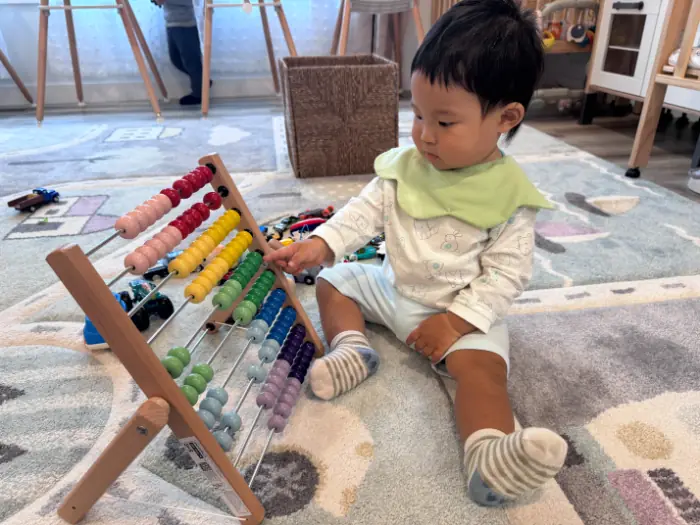
Physical health in early childhood supports growth, strengthens immunity, and enhances motor skills. Regular health screenings detect issues like vision or hearing problems early, enabling timely interventions. Proper nutrition fuels brain development, while physical activity promotes coordination and reduces obesity risks.
Emotional Health Benefits
Emotional well-being fosters resilience, social skills, and self-regulation. Children with strong emotional health are better equipped to handle challenges and form positive relationships. Childcare environments that prioritize early childhood well-being help children develop empathy and confidence, laying the groundwork for mental health.
Strategies for Promoting Physical Health
Promoting childcare health requires a multi-faceted approach. Below are key strategies to ensure infants, toddlers, and preschoolers thrive physically.
Health Screenings for Early Detection
Routine health screenings are essential for identifying developmental or health concerns early. Common screenings include vision, hearing, and developmental milestone checks. For example, the American Academy of Pediatrics recommends annual vision screenings for preschoolers to catch issues like amblyopia.
Common Health Screenings for Young Children
| Screening Type | Age Group | Frequency | Purpose |
|---|---|---|---|
| Vision Screening | 3–5 years | Annually | Detect vision issues |
| Hearing Screening | 0–5 years | Every 1–2 years | Identify hearing loss |
| Developmental Check | 0–3 years | Every 6 months | Monitor milestones |
Providers should partner with pediatricians to ensure screenings are age-appropriate and consistent.
Nutrition and Healthy Eating Habits
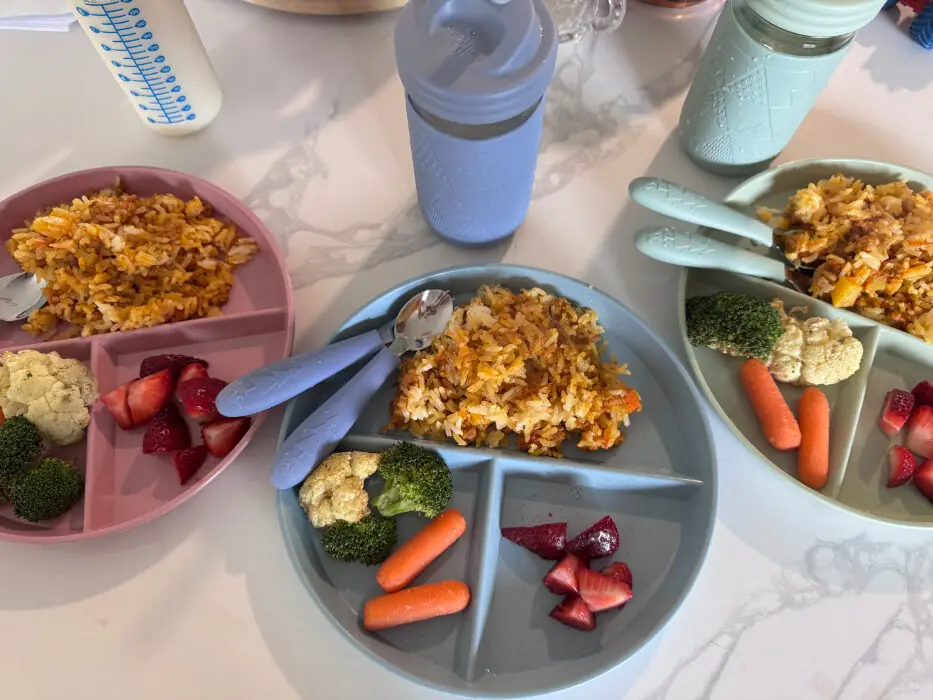
A balanced diet is critical for toddler wellness and preschooler health. Childcare providers can introduce diverse food groups, emphasizing fruits, vegetables, whole grains, and lean proteins. Portion control and accommodating dietary restrictions (e.g., allergies) are key. For infants, breastmilk or formula provides essential nutrients, while toddlers benefit from finger foods that encourage self-feeding.
Tips:
- Offer colorful plates to make meals appealing.
- Involve children in simple food prep to build healthy habits.
- Avoid sugary snacks to prevent dental issues and obesity.
Physical Activity Programs
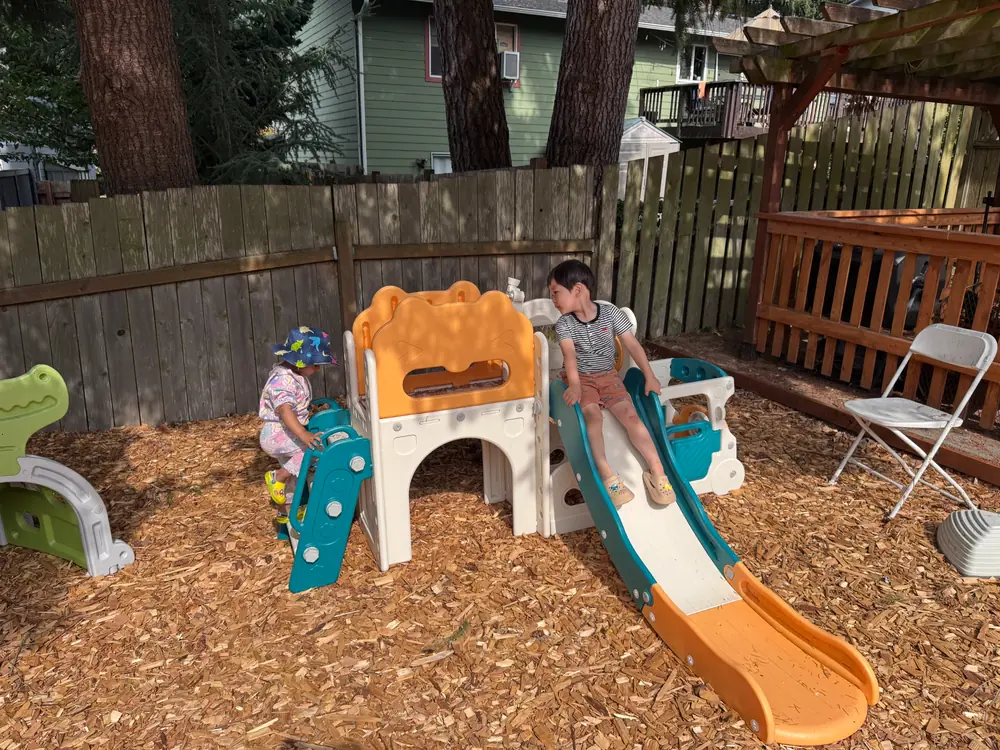
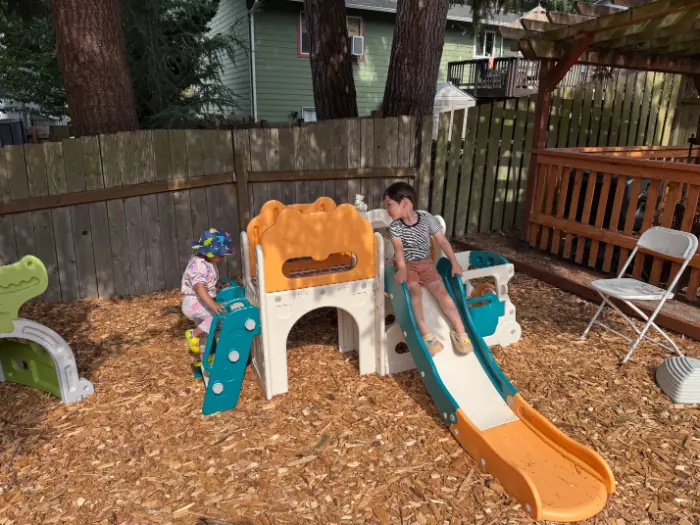
Physical activity supports motor skills and overall health. The CDC recommends at least 60 minutes of active play daily for preschoolers, including running, climbing, or dancing. For infants, tummy time strengthens muscles, while toddlers enjoy obstacle courses or outdoor games.
Ideas:
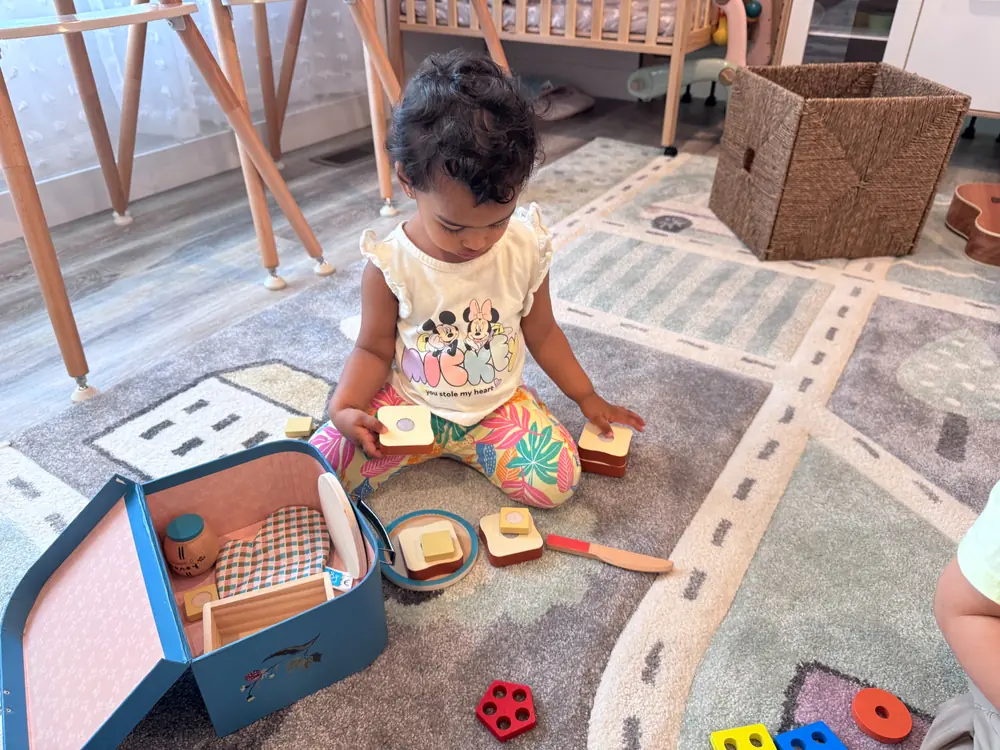
- Set up sensory play stations for infants.
- Organize group games like “Simon Says” for preschoolers.
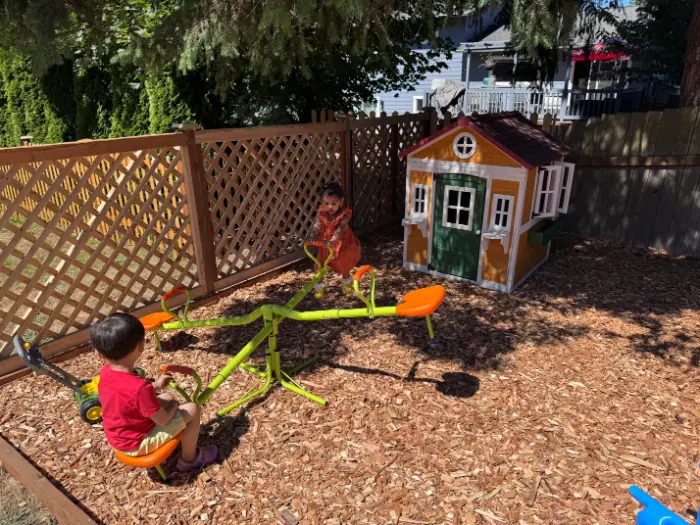
- Ensure safe, open spaces for active play.
Supporting Emotional Well-Being in Childcare
Emotional health is as critical as physical health in childcare settings. Providers can foster early childhood well-being by creating supportive environments and teaching emotional skills.
Creating a Safe and Nurturing Environment
A consistent routine and warm caregiver interactions build trust. Trauma-informed care, such as recognizing signs of distress, ensures children feel secure. Childcare centers should maintain low staff-to-child ratios to provide individualized attention.
Social-Emotional Learning Activities
Social-emotional learning (SEL) activities teach children to express emotions and build relationships. Examples include:
- Storytelling: Reading books about feelings helps children identify emotions.
- Role-Playing: Scenarios like sharing toys promote empathy.
- Group Activities: Collaborative games foster teamwork.
These activities enhance communication and emotional intelligence, critical for preschooler health.
Managing Stress and Anxiety in Young Children
Young children may experience stress from separation or new environments. Signs include clinginess or tantrums. Providers can:
- Create calm-down corners with soft toys or books.
- Introduce simple mindfulness exercises, like deep breathing.
- Communicate with parents to maintain consistency.
Integrating Wellness Programs in Childcare
Structured wellness programs enhance childcare health by combining physical and emotional strategies.
Structured Wellness Activities
Programs like yoga, music therapy, or gardening engage children holistically. For example, yoga improves flexibility and reduces stress, while gardening teaches responsibility and nutrition. Rotate activities weekly to maintain interest.
Parental Involvement and Communication
Engaging parents ensures consistency between home and childcare. Providers can:
- Share wellness updates
- Use apps or newsletters to update parents on health initiatives.
- Host workshops on toddler wellness topics.
Health and Wellness Practices
The table below compares key practices across age groups for quick reference.
| Practice | Infants (0–1) | Toddlers (1–3) | Preschoolers (3–5) |
|---|---|---|---|
| Nutrition Focus | Breastmilk/Formula | Balanced meals | Diverse food groups |
| Physical Activity | Tummy time | Active play | Structured games |
| Emotional Support | Bonding | Social play | SEL activities |
| Screenings | Developmental | Hearing/Vision | Vision/Developmental |
This table helps providers tailor strategies to each age group’s needs.
Safety and Hygiene in Childcare Settings
Safety and hygiene are foundational for childcare health. Key practices include:
- Hygiene: Regular handwashing, sanitizing toys, and cleaning surfaces.
- Safety: Childproofing spaces, securing furniture, and maintaining emergency plans.
- Health Protocols: Monitoring for illness and following exclusion policies.
These measures create a healthy environment for physical and emotional growth.
Kidoheaven
At Kidoheaven.com, we are dedicated to fostering childcare health and early childhood well-being. Our Daycare Bothell and Child Care Bothell services provide safe, nurturing environments where infants to preschoolers thrive through tailored wellness programs. With a focus on health screenings, nutrition, and emotional support, we ensure every child grows strong and confident.
Why KidoHeaven Stands Out
✅ Licensed in Washington State
✅ Aligned with Early Achievers standards
✅ Working Connections subsidy accepted
✅ Daily updates via Brightwheel
✅ Located in Bothell, serving Mill Creek, Lynnwood & nearby areas
✅ Nutritious snacks, safe outdoor space, & positive mealtime routines
📞 Call 206-734-2040 to schedule a tour
🌐 Enroll now
Follow Our Mealtime Moments
Stay updated with more beautiful outdoor meals and daily learning routines on:
Instagram | Facebook | Nextdoor | Yelp | Winnie | YouTube | Upwards
FAQ
1. What are the most important health screenings for preschoolers?
Vision, hearing, and developmental screenings are critical to detect issues early.
2. How can childcare providers promote emotional health in toddlers?
Use SEL activities like storytelling and create consistent, nurturing routines.
3. What types of physical activities are best for infants?
Tummy time and gentle sensory play support motor development.
4. How can parents stay involved in childcare wellness programs?
Regular updates, workshops, and shared wellness goals foster collaboration.
5. What are the signs of stress in young children?
Clinginess, tantrums, or withdrawal may indicate stress. Use calm-down strategies.
Visit Kido Heaven Child Care
A licensed home daycare for infants to pre-K, serving Bothell and Mill Creek. Call or text (206) 734-2040 or book a tour.
Book a Tour