


Children are more likely to thrive in daycare when they feel that they belong. Shared spaces encourage daily interaction, friendship-building, and cooperation, while inclusive practices help every child feel welcomed and respected. Together, these experiences create a supportive daycare community where children can develop confidence, form meaningful relationships, and participate comfortably in learning and play.
Why a Sense of Belonging Matters in Daycare
For young children, daycare is often the first environment where they become part of a larger community outside their family. During this stage, children are learning not only academic and developmental skills but also how to connect with others, build relationships, and understand their place within a group.
A strong sense of belonging in daycare helps children feel secure, valued, and accepted. When children believe they are an important part of their classroom community, they are more likely to participate in activities, communicate with peers, explore new experiences, and develop confidence. Research in early childhood education consistently shows that emotionally supportive environments contribute to stronger social, emotional, and cognitive development.
Belonging is not created through words alone. It develops through daily experiences, meaningful relationships, and environments that help children feel welcomed and included from the moment they arrive each day.
How Shared Spaces Shape a Child’s Sense of Belonging
Shared spaces play an important role in helping children feel connected to their daycare community. These spaces create opportunities for interaction, cooperation, and relationship-building throughout the day.
Whether children are gathering for circle time, participating in group activities, reading together, or exploring learning centers, shared environments encourage them to see themselves as part of a larger group. These interactions help children learn that they belong alongside others and that their contributions matter.
Learning Centers Encourage Participation
Well-organized learning centers invite children to engage with materials and activities alongside their peers. When children collaborate, share ideas, and solve problems together, they develop both social skills and a stronger sense of connection.
Community Gathering Areas Build Connection
Spaces used for group discussions, storytelling, music, and classroom meetings help create shared experiences. These moments reinforce the idea that every child is an important member of the classroom community.
Outdoor Shared Spaces Promote Cooperation
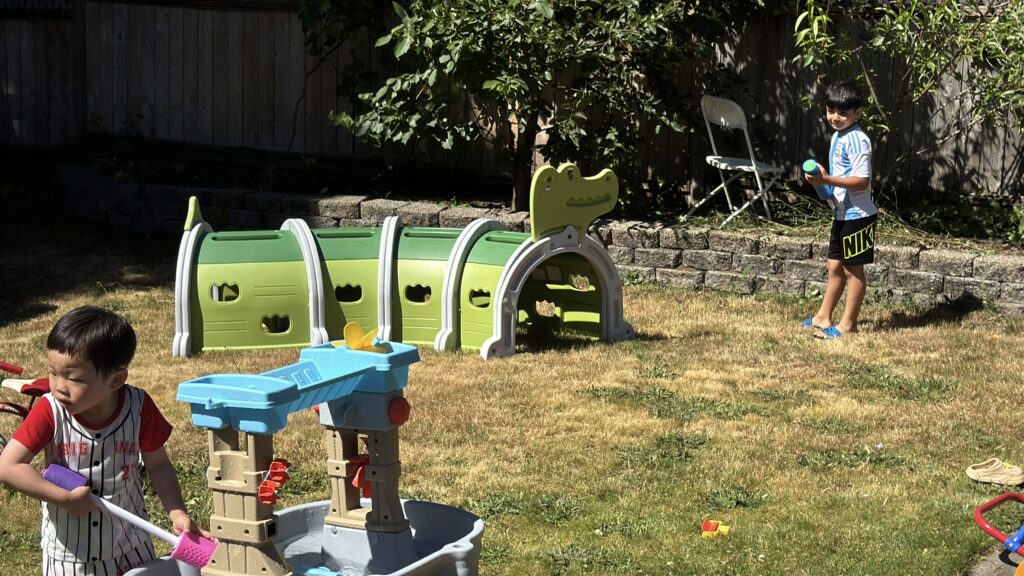
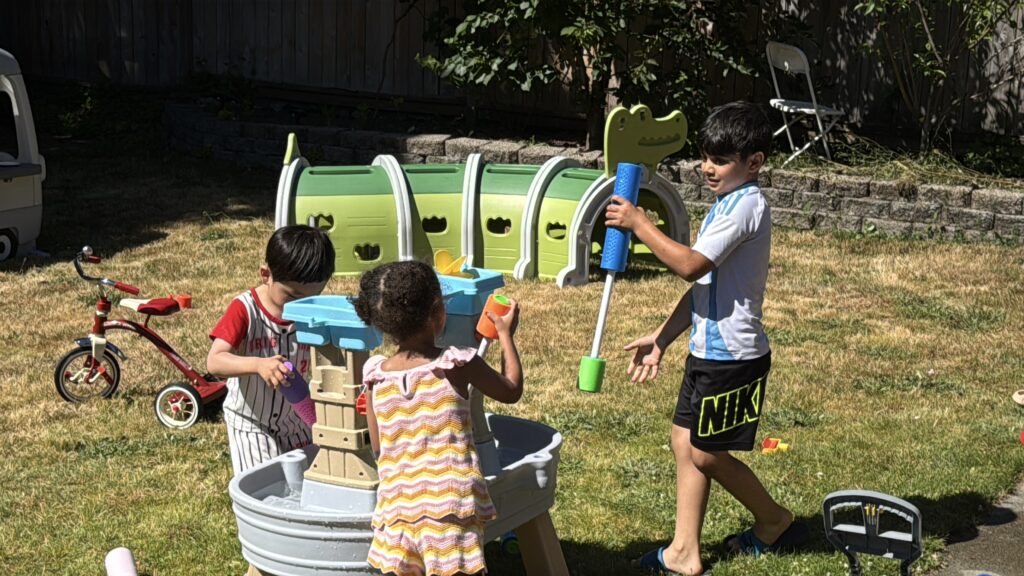
Playgrounds and outdoor learning environments provide opportunities for teamwork, communication, and friendship development. Children learn to navigate social situations while participating in active and enjoyable experiences.
Design Features That Help Children Feel Included
The physical environment can communicate powerful messages about belonging. Thoughtfully designed daycare spaces help children feel welcomed, respected, and represented.
Personalized Spaces
Individual cubbies, labeled storage areas, and displays featuring children’s artwork help children recognize that they have a valued place within the classroom.
Family Representation
Photographs of families and family-centered activities help children maintain a connection between home and daycare. Seeing familiar faces in the environment can increase comfort and security.
Diverse Learning Materials
Books, toys, and classroom resources that reflect different cultures, abilities, languages, and family structures help children understand that everyone belongs.
Accessible Environments
Child-friendly furniture, easily accessible materials, and developmentally appropriate learning areas allow children to participate independently and confidently.
How Shared Spaces Encourage Friendships and Social Confidence
Friendships are one of the most meaningful ways children experience belonging. Shared daycare spaces naturally support friendship development by creating opportunities for interaction throughout the day.
When children work together, engage in pretend play, or participate in group projects, they practice communication, cooperation, empathy, and problem-solving. These experiences help children build trust and form positive peer relationships.
As friendships develop, children often become more comfortable participating in activities and expressing their thoughts. This growing confidence contributes to both social development and emotional well-being.
Shared experiences also teach children important lessons about inclusion. They learn how to welcome others into play, respect differences, and contribute positively to a group environment.
The Role of Educators in Building an Inclusive Daycare Community
While the physical environment matters, educators play the most important role in helping children feel included.
Warm and responsive interactions help children build trust and emotional security. When educators consistently acknowledge children’s feelings, celebrate their efforts, and encourage participation, children are more likely to develop a strong sense of belonging.
Supporting Positive Peer Relationships
Educators help children learn how to communicate respectfully, resolve conflicts, and include others during play and group activities.
Creating Inclusive Experiences
Activities should allow all children to participate regardless of ability, personality, language background, or developmental stage.
Modeling Respect and Kindness
Children often learn social behaviors by observing adults. Educators who demonstrate empathy, patience, and respect help create a classroom culture where inclusion becomes part of everyday interactions.
Creating Community Through Daily Shared Experiences
A strong daycare community is built through small, consistent experiences repeated throughout the day.
Daily Routines
Predictable routines help children feel secure and connected. Knowing what to expect creates comfort and reduces uncertainty.
Group Projects
Collaborative activities encourage children to contribute ideas, work together, and celebrate shared accomplishments.
Classroom Celebrations
Recognizing birthdays, achievements, cultural traditions, and special events helps children feel seen and valued.
Shared Responsibilities
Simple classroom jobs give children a sense of ownership and encourage them to contribute to the well-being of the group.
These everyday experiences help transform a classroom into a community where children feel welcomed, respected, and connected.
Signs That Children Feel a Sense of Belonging
Parents and educators may notice several signs when children feel genuinely included in their daycare environment:
- They willingly participate in classroom activities.
- They talk positively about teachers and classmates.
- They develop friendships and seek social interaction.
- They show confidence when trying new activities.
- They transition into the classroom comfortably.
- They demonstrate a sense of ownership and pride in their learning environment.
While every child adjusts differently, these behaviors often indicate that children feel safe, accepted, and connected to their daycare community.
Helping Every Child Feel at Home at Kido Heaven
A sense of belonging does not happen by accident. It develops when children experience welcoming environments, supportive relationships, and meaningful opportunities to connect with others every day.
At Kido Heaven, we believe every child deserves to feel valued, respected, and included. Through thoughtfully designed shared spaces, nurturing educator relationships, and engaging learning experiences, we work to create an environment where children can build friendships, develop confidence, and thrive.
Families searching for a trusted childcare center in Bothell can learn how our programs support children’s social, emotional, and developmental growth. At Kido Heaven daycare, creating a welcoming community is an important part of helping every child succeed.
Why KidoHeaven Stands Out
✅ Licensed in Washington State
✅ Aligned with Early Achievers standards
✅ Working Connections subsidy accepted
✅ Daily updates via Brightwheel
✅ Located in Bothell, serving Mill Creek, Lynnwood & nearby areas
✅ Nutritious snacks, safe outdoor space, & positive mealtime routines
📞 Call 206-734-2040 to schedule a tour
🌐 Enroll now
Follow Our Mealtime Moments
Stay updated with more beautiful outdoor meals and daily learning routines on:
Instagram | Facebook | Nextdoor | Yelp | Winnie | YouTube | Upwards
FAQ
1. Why is a sense of belonging important in daycare?
Belonging helps children feel emotionally secure, build confidence, develop friendships, and participate more actively in learning experiences.
2. How do shared daycare spaces support inclusion?
Shared spaces encourage interaction, cooperation, communication, and relationship-building, helping children feel connected to their peers and classroom community.
3. What makes a daycare environment inclusive?
Inclusive daycare environments provide welcoming spaces, diverse learning materials, supportive relationships, and opportunities for every child to participate.
4. Can belonging improve a child’s confidence?
Yes. Children who feel accepted and valued are often more willing to explore new activities, express themselves, and engage with others.


