
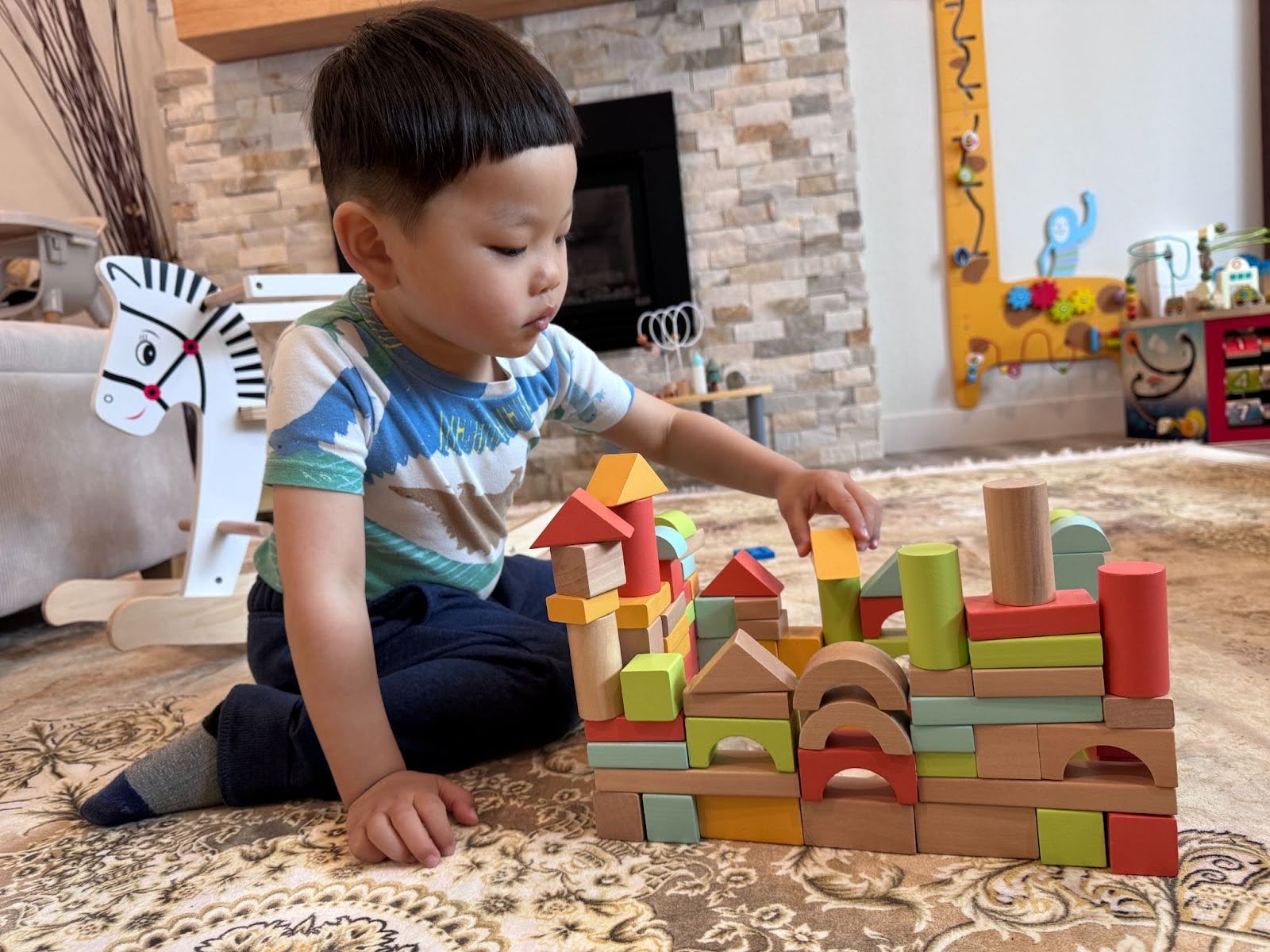


Children learn through play, but not all play materials encourage learning in the same way. While traditional toys can help children practice specific skills, open-ended materials often provide greater opportunities for creativity, imagination, problem-solving, and independent thinking.
If you’re looking for a simple answer, many early childhood educators believe that open-ended materials support deeper learning because they allow children to explore, experiment, and create without fixed rules. That doesn’t mean traditional toys have no value. The most effective learning environments often include both.
In this article, we’ll explore the differences between open-ended materials and traditional toys, how each affects child development, and why many childcare professionals use open-ended play as part of everyday learning.
What Are Open-Ended Materials?
Open-ended materials are items that can be used in many different ways. They don’t have one correct purpose or outcome, allowing children to decide how they want to use them.
Examples include:
- Wooden blocks
- Cardboard boxes
- Fabric pieces
- Loose parts
- Natural materials such as sticks, rocks, and pinecones
- Recyclable materials
- Art supplies
A box might become a spaceship today and a castle tomorrow. The material stays the same, but the child’s imagination creates something new each time.
This flexibility is what makes open-ended materials so powerful for learning.
What Are Traditional Toys?
Traditional toys are designed for a specific purpose or activity. They often guide children toward a particular way of playing.
Examples include:
- Toy cars
- Action figures
- Dollhouses
- Electronic toys
- Musical toys
- Character-themed playsets
These toys can be entertaining and educational, but they generally offer fewer possibilities than open-ended materials.
For example, a toy fire truck is usually a fire truck. A wooden block can become a fire truck, a bridge, a building, or anything else a child imagines.
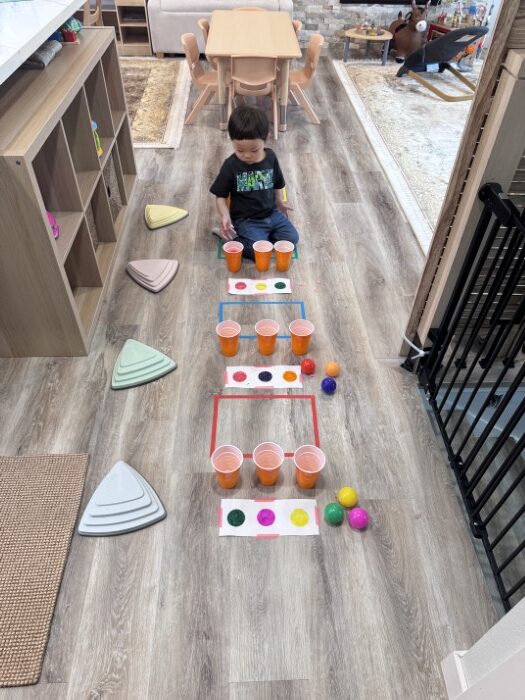
Key Differences Between Open-Ended Materials and Traditional Toys
Creativity
Open-ended materials encourage children to invent ideas, create stories, and build original projects.
Traditional toys often come with built-in themes, characters, or functions that shape how children play.
Problem-Solving
When children use open-ended materials, they constantly make decisions.
How can I make this taller?
What can I use to support this structure?
How can I make this work differently?
These questions naturally develop problem-solving skills.
Imagination
Open-ended play relies heavily on imagination because the materials don’t tell children what they should create.
Traditional toys can support imaginative play, too, but they often provide more structure.
Independence
Because there are no instructions to follow, children using open-ended materials learn to make choices and direct their own play experiences.
How Open-Ended Materials Support Better Learning
They Encourage Creative Thinking
Creativity is more than making art. It involves generating ideas, testing possibilities, and thinking flexibly.
Open-ended materials encourage children to approach situations from different angles and discover new solutions.
They Build Confidence
There is no “wrong” way to use a cardboard box or a collection of blocks.
This freedom allows children to experiment without worrying about making mistakes.
Over time, children become more confident in their ability to solve problems independently.
They Support Language Development
Open-ended play often leads to storytelling, discussions, and collaborative projects.
Children naturally expand their vocabulary as they describe ideas, explain plans, and interact with others.
They Promote Longer Engagement
Many parents notice that children lose interest in certain toys quickly.
Open-ended materials often remain interesting because they can be used differently every day.
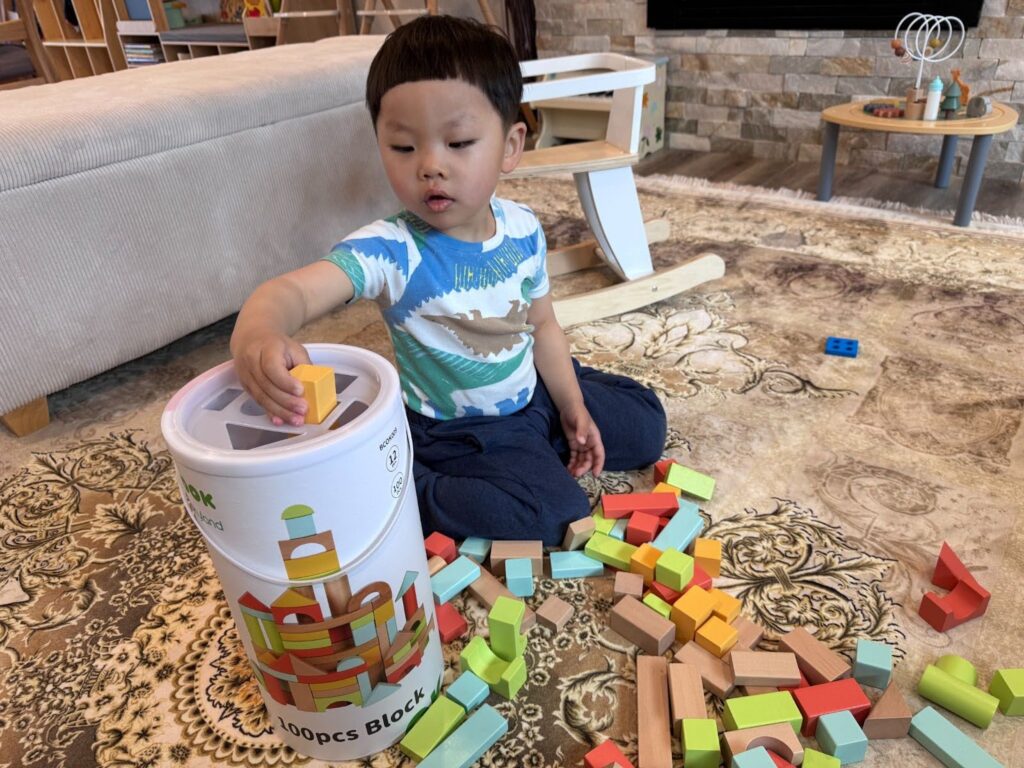
The same set of blocks can create hundreds of unique play experiences.
They Encourage Learning Through Play
Research in early childhood education consistently shows that children learn best when they are actively engaged.
Open-ended play supports exploration, experimentation, and discovery, all of which are important parts of learning.
Are Traditional Toys Still Valuable?
Absolutely.
Traditional toys offer benefits that should not be overlooked.
They can help children:
- Develop fine motor skills
- Practice specific concepts
- Learn routines and sequences
- Engage in pretend play
- Build social skills
The goal isn’t to replace every toy with open-ended materials.
Instead, it’s about creating opportunities for both structured and unstructured play.
Traditional toys and open-ended materials can work together to support different aspects of development.
Creating a Balanced Play Environment
A well-designed learning environment usually includes both open-ended materials and traditional toys.
Open-ended materials help children:
- Think creatively
- Solve problems
- Use their imagination
- Develop independence
Traditional toys help children:
- Practice specific skills
- Explore familiar themes
- Build confidence through repetition
- Learn through structured activities
This balance gives children a wide range of learning opportunities while keeping play engaging and meaningful.
What Parents Should Look for in a Childcare Program
Families looking for a quality Daycare Bothell program should consider how the learning environment supports creativity, exploration, and child-led play. Likewise, parents comparing different childcare Bothell options may want to look for classrooms that provide both open-ended materials and developmentally appropriate learning experiences.
Consider questions such as:
- Do children have opportunities for creative exploration?
- Are open-ended materials available throughout the classroom?
- Is play child-led as well as teacher-guided?
- Are children encouraged to solve problems independently?
High-quality early learning environments often provide a variety of materials that support curiosity, creativity, and active learning.
About Kido Heaven Childcare
At Kido Heaven Childcare, we believe children learn best through exploration, creativity, and meaningful play experiences. Our learning environments are designed to encourage curiosity, problem-solving, and confidence while supporting each child’s unique developmental journey.
By combining developmentally appropriate practices with engaging learning opportunities, we help children build the skills they need for lifelong learning and success.
Why KidoHeaven Stands Out
✅ Licensed in Washington State
✅ Aligned with Early Achievers standards
✅ Working Connections subsidy accepted
✅ Daily updates via Brightwheel
✅ Located in Bothell, serving Mill Creek, Lynnwood & nearby areas
✅ Nutritious snacks, safe outdoor space, & positive mealtime routines
📞 Call 206-734-2040 to schedule a tour
🌐 Enroll now
Follow Our Mealtime Moments
Stay updated with more beautiful outdoor meals and daily learning routines on:
Instagram | Facebook | Nextdoor | Yelp | Winnie | YouTube | Upwards
FAQ
1. Are open-ended materials better than traditional toys?
Open-ended materials often support deeper creativity, imagination, and problem-solving. However, traditional toys can still play an important role in child development.
2. What are examples of open-ended materials?
Wooden blocks, cardboard boxes, loose parts, art supplies, natural objects, fabric pieces, and recycled materials are all examples of open-ended materials.
3. Why do educators prefer open-ended play?
Open-ended play allows children to think independently, create their own ideas, and engage in meaningful exploration rather than simply following instructions.
4. Can open-ended materials be used at home?
Yes. Many effective open-ended materials are inexpensive household items that children can safely explore in different ways.
5. At what age is open-ended play best?
Open-ended play can benefit children of all ages, from toddlers to school-age children, when materials are chosen appropriately.


